Complete Guide to Nitta Shrine | Thorough Explanation of Deities, Blessings, Access, and Goshuin Information
Nitta Shrine is a historically significant shrine found throughout Japan, with varying deities and historical backgrounds depending on the region. This article provides a detailed explanation of representative Nitta Shrines, covering their history, deities, blessings, highlights within the grounds, visiting information, and access methods.
What is Nitta Shrine?
There are several shrines named Nitta Shrine throughout Japan, each with its own unique history and beliefs. Major Nitta Shrines include the one in Satsumasendai City, Kagoshima Prefecture; the Nitta Shrine in Ota City, Gunma Prefecture; and the Nitta Shrine in Ota Ward, Tokyo.
Many of these shrines have a history related to Nitta Yoshisada, a military commander from the Nanboku-cho period, and his family, and have long been revered as guardian deities of their respective regions. There are also Nitta Shrines dedicated to deities associated with regional development and agricultural progress.
Introduction to Major Nitta Shrines
Nitta Shrine in Satsumasendai City, Kagoshima Prefecture
The Nitta Shrine, located in Satsumasendai City, Kagoshima Prefecture, is a historically significant shrine with Amaterasu Omikami as its principal deity. This shrine has been revered by the local people since ancient times as the Ichinomiya (first-ranked shrine) of Satsuma Province.
History and Origins
The Nitta Shrine has a long history, dating back to the age of the gods according to shrine tradition. It attracted worshippers as the place where Amaterasu Omikami descended, and by the Heian period, it was already established as the Ichinomiya of Satsuma Province. In the Middle Ages, it was deeply revered by samurai families, including the Shimazu clan, and improvements were made to the shrine.
The shrine grounds are lined with giant trees over several hundred years old, creating a solemn atmosphere befitting a sacred place. The main hall is situated on a hill, offering a scenic view of the city of Satsumasendai.
Deities and Benefits
The main deity enshrined here is Amaterasu Omikami, known as the supreme goddess in Japanese mythology. In addition to Amaterasu Omikami, several other deities are enshrined at this shrine, and the following benefits are believed to be offered:
- Good Fortune and Prosperity: Improvement of luck in all aspects of life
- Family Safety: Health and peace for the family
- Business Prosperity: Success and prosperity in business
- Abundant Harvest: Abundant agricultural harvests
- Protection from Misfortune: Protection from disasters
Nitta Shrine, Ota City, Gunma Prefecture
Nitta Shrine, located in Ota City, Gunma Prefecture, is a shrine dedicated to Nitta Yoshisada, a samurai from the Nanboku-cho period. Located in Ota City, the birthplace of the Nitta clan, it is a place of worship deeply intertwined with the local history.
About Nitta Yoshisada
Nitta Yoshisada was a samurai who was active from the late Kamakura period to the Nanboku-cho period, and made significant contributions to the overthrow of the Kamakura Shogunate. As the head of the prestigious Nitta clan of the Minamoto lineage, he is known as a loyal retainer who supported Emperor Go-Daigo’s Kenmu Restoration.
Benefits and Faith
As a shrine dedicated to a samurai, it is believed to offer the following benefits:
- Long-lasting Military Fortune: Success in competitions
- Academic Achievement: Improvement in studies
- Career Advancement: Social success
- Prayer for Victory: Victory in sports and examinations
Nitta Shrine in Ota Ward, Tokyo
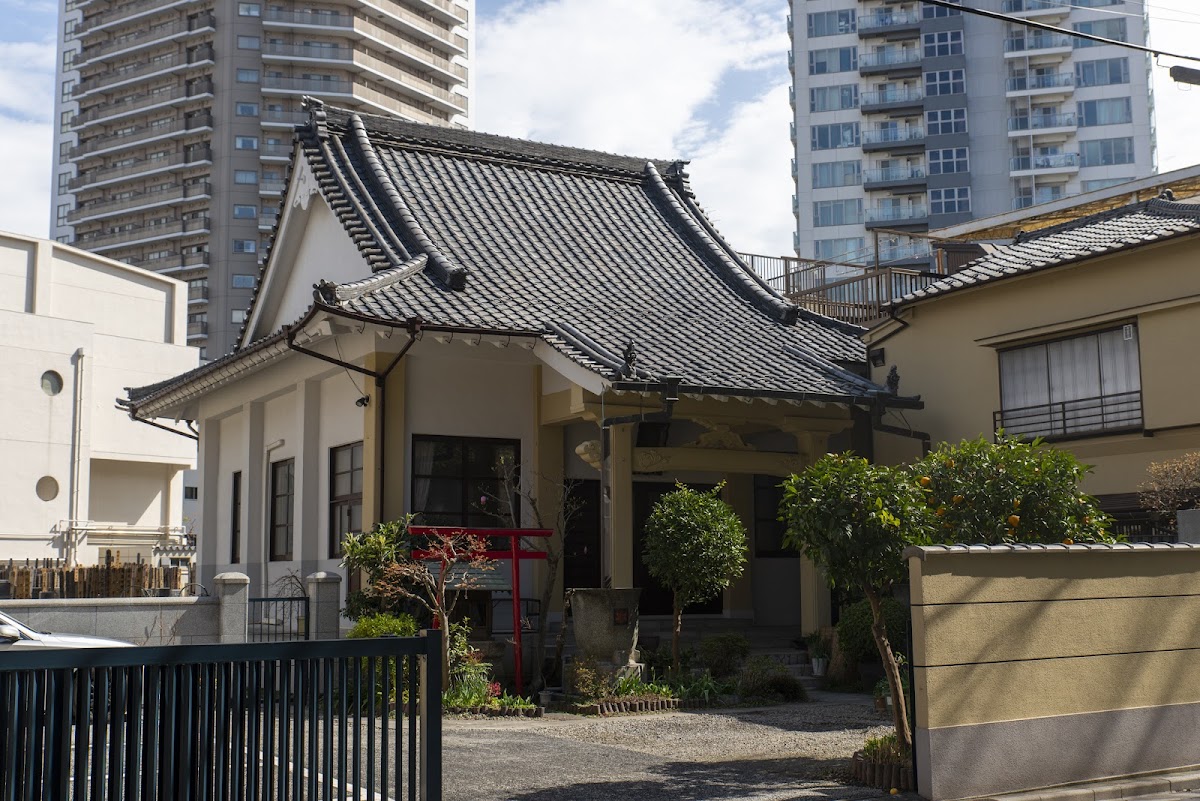
Nitta Shrine, located in Ota Ward, Tokyo, is also a shrine associated with Nitta Yoshisada. This location is near the place where Nitta Yoshisada is said to have died in battle at Yaguchi no Watashi, and it is believed to have been founded to appease his spirit.
The Legend of Yaguchi Ferry Crossing
It is said that Nitta Yoshisada lost his life in 1336 (Kenmu 3) at the Yaguchi Ferry Crossing on the Tama River due to a conspiracy. To mourn this tragic end, local people enshrined Yoshisada, which is considered the origin of Nitta Shrine.
Nitta Shrine Grounds and Highlights
Main Hall and Worship Hall
While the main halls of Nitta Shrines vary in architectural style from shrine to shrine, all are historically valuable structures. At the Nitta Shrine in Kagoshima, the main hall is located on a hill reached by climbing stone steps, welcoming worshippers.
The worship hall is where daily prayers and rituals are performed, and it is bustling with many worshippers during annual events such as New Year’s visits and Shichi-Go-San (a traditional rite of passage for children).
Sacred Trees
Many Nitta Shrines have sacred trees over several hundred years old. These giant trees are living witnesses that have watched over the history of the shrines and are believed to possess sacred power. When visiting a shrine, it is customary to touch the sacred tree to receive its power.
Shrines within the Precincts
In addition to the main deity, there are sometimes several subsidiary shrines within the precincts. Each is believed to offer specific blessings, and visitors visit each shrine according to their wishes.
Water Basin
The water basin, where one purifies oneself before worship, is an important facility within the shrine grounds. By purifying one’s hands and mouth with the correct etiquette, one can stand before the gods in a pure state.
Goshuin (Shrine Seals) and Amulets
About Goshuin (Shrine Seals)
At Nitta Shrine, you can receive a goshuin as proof of your visit. Each shrine has its own unique design, and the date of visit and the name of the shrine are written in ink. You can bring your own goshuincho (goshuin notebook) or purchase one at the shrine.
Points to note when receiving a Goshuin (temple/shrine stamp):
- Receive the Goshuin after completing your prayers.
- Open your Goshuincho (stamp book) and hand it over.
- Prepare the offering fee (approximately 300-500 yen).
- Request using polite language.
Amulets and Souvenirs
Nitta Shrine offers a variety of amulets and souvenirs.
- Good Fortune Amulet: For general good luck.
- Academic Success Amulet: For students and those taking exams.
- Traffic Safety Amulet: For safety in cars and bicycles.
- Health Amulet: For recovery from illness and maintaining good health.
- Matchmaking Amulet: For those wishing for a good relationship.
- Exorcism Talisman: For those in their unlucky year.
It is recommended to replace your amulet with a new one every year. The proper procedure is to return the old amulet to the shrine and have it burned.
Annual Events and Festivals
New Year’s Visit
At Nitta Shrine, many visitors come for their first shrine visit of the year during the first three days of January. The shrine is bustling with worshippers praying for good health, family safety, and business prosperity in the new year. If you want to avoid the crowds, it’s recommended to visit after the first three days of the year.
Annual Grand Festival
The annual grand festival is the most important festival for the shrine. Portable shrines and floats may appear, and the entire area is enveloped in a festive atmosphere. The timing varies depending on the shrine, but it is often held in the autumn.
Shichi-Go-San Festival
In November, many families visit for Shichi-Go-San (a traditional Japanese rite of passage for children). This is an important event where people thank the gods for their children’s healthy growth and pray for their continued protection. It is recommended to make reservations for photography and prayers in advance.
Other Events
- Setsubun Festival: Scattering beans to ward off evil spirits (around February 3rd)
- Summer Purification Ceremony: Purifying oneself of impurities accumulated over the past six months (June 30th)
- Year-End Purification Ceremony: Purifying oneself of impurities accumulated over the past year (December 31st)
- Monthly Festival: Regular monthly festivals
Etiquette and Manners for Worship
Basic Worship Etiquette
Knowing the correct etiquette for worshipping at a shrine will allow you to worship with more sincerity.
How to Pass Through a Torii Gate
- Bow before the torii gate.
- Walk along the edge of the path, as the center is the path for the gods.
- Have a reverent heart when entering the shrine grounds.
How to Wash Your Hands
- Hold the ladle in your right hand and wash your left hand.
- Switch the ladle to your left hand and wash your right hand.
- Switch the ladle back to your right hand, receive water in your left hand, and rinse your mouth.
- Wash your left hand once more.
- Stand the ladle upright and wash the handle.
- Return the ladle to its original position.
How to Worship at the Main Hall
- Place your offering in the offering box (there is no set amount).
- If there is a bell, ring it.
- Perform two bows, two claps, and one bow.
- Bow deeply twice.
- Clap your hands twice.
- State your wish silently.
- Bow deeply once.
Attire for Visiting the Shrine
While there are no specific dress code requirements for regular visits, it is advisable to dress appropriately for a sacred place. For those receiving prayers or blessings, formal attire or equivalent is recommended.
- Clothing to avoid: Overly revealing clothing, sandals or flip-flops
- Recommended clothing: Clean and neat clothing, subdued colors
Access Information
Nitta Shrine, Satsumasendai City, Kagoshima Prefecture
Location: Miyauchi-cho, Satsumasendai City, Kagoshima Prefecture
Access by Public Transportation:
- Approximately 10 minutes by car from JR Sendai Station
- If using the bus, get off at “Nitta Shrine Mae”
Access by Car:
- Approximately 15 minutes from the Minami-Kyushu Expressway “Satsumasendai Miyako IC”
- Parking available (free)
Nitta Shrine, Ota City, Gunma Prefecture
Location: Kanayama-cho, Ota City, Gunma Prefecture
Access by Public Transportation:
- Approximately 20 minutes on foot or 5 minutes by taxi from Tobu Isesaki Line “Ota Station”
Access by Car:
- Approximately 15 minutes from the Kita-Kanto Expressway “Ota-Kiryu IC”
- Parking Available
Nitta Shrine, Ota Ward, Tokyo
Location: Yaguchi, Ota Ward, Tokyo
Access by Public Transportation:
- Approximately 5 minutes on foot from Musashi-Nitta Station on the Tokyu Tamagawa Line
Access by Car:
- Approximately 10 minutes from the Haneda Line of the Metropolitan Expressway
- Coin parking available nearby
Visiting Hours and Shrine Office Hours
At most Nitta Shrines, you can visit the grounds from sunrise to sunset, but the shrine office hours are limited.
General Hours:
- Visiting Hours: Approximately 6:00 AM to 6:00 PM (may vary depending on the season)
- Shrine Office Hours: 9:00 AM to 5:00 PM
- Goshuin (Shrine Stamp) Reception: 9:00 AM to 4:30 PM
Hours may be extended during New Year’s and festivals. If you wish to receive prayers, it is recommended to make a reservation by phone in advance.
About Prayer Services
Types of Prayer Services
At Nitta Shrine, you can receive various types of prayer services.
- First Shrine Visit: Praying for the healthy growth of the baby
- Shichi-Go-San: Expressing gratitude for the child’s growth and praying for future protection
- Exorcism: Warding off misfortune during the unlucky year
- Prayer for Success: Praying for success in examinations
- Prayer for Safety: Praying for traffic safety, construction safety, etc.
- Business Prosperity: Praying for the development of the business
- Family Safety: Praying for the health and peace of the family
Flow of the Prayer Ceremony
- Register at the shrine office
- Fill out the application form
- Pay the offering fee (5,000 yen and up is common)
- Wait in the waiting area
- Enter the main hall and listen to the Shinto priest’s prayer
- Offer a sacred branch
- Receive a talisman or amulet
Nearby Tourist Spots
Around Satsumasendai City, Kagoshima Prefecture
- Iriki Fumoto Samurai Residences: A historical townscape with remaining samurai residences
- Sendai Historical Museum: A facility where you can learn about the local history
- Imuta Pond: A scenic spot rich in nature
Around Ota City, Gunma Prefecture
- Kanayama Castle Ruins: The ruins of a mountain castle designated as a national historic site
- Ota City Museum of Art and Library: A modern multi-purpose cultural facility
- Kanmuri Inari Shrine: A shrine famous for matchmaking
Around Ota Ward, Tokyo
- Tama River Riverbed: Ideal for strolling and cycling
- Ikegami Honmonji Temple: The head temple of the Nichiren sect
- Ota City Local History Museum: Exhibits the history of the region
The Charm of Nitta Shrine
The greatest charm of Nitta Shrine lies in the faith cultivated over a long history and the culture rooted in the local community. Away from the hustle and bustle of the city, the tranquil grounds offer a space where one can find peace of mind, making it a precious place of healing for modern people.
Historical Value
Nitta Shrine, with its history spanning hundreds or even thousands of years, embodies the very history of the region. The ancient buildings and sacred trees remaining on the grounds are evidence of faith passed down through generations.
Harmony with Nature
Many Nitta Shrines are surrounded by abundant nature. The trees and seasonal flowers on the grounds allow visitors to feel the changing seasons. The grounds are particularly beautiful during the seasons of fresh greenery and autumn leaves.
Center of the Local Community
Nitta Shrine functions as a central location for local festivals and events. During the annual festival and summer festival, local residents gather together, making it a place to pass on traditional culture to future generations.
Best Season for Visiting
Nitta Shrine can be visited throughout the year, but each season offers a different charm.
Spring (March-May)
During cherry blossom season, the shrine grounds are adorned with cherry blossoms. The fresh greenery is also beautiful, and the mild weather makes it ideal for visiting.
Summer (June-August)
This is the season for the Summer Purification Ceremony and summer festivals. The greenery becomes lush, and the shade of the trees feels cool.
Autumn (September-November)
The autumn leaves are beautiful, and this is often the season for the annual grand festival. Many visitors come for Shichi-Go-San (a traditional Japanese rite of passage for children).
Winter (December-February)
The shrine is bustling with many visitors during the New Year’s visit period. Visiting in the crisp winter air evokes a sense of solemnity.
Summary
Nitta Shrine is a historical shrine found throughout Japan, each with its own unique deities, history, and blessings. Nitta Shrine in Kagoshima Prefecture is the Ichinomiya (first-ranked shrine) of Satsuma Province, dedicated to Amaterasu Omikami, while Nitta Shrines in Gunma Prefecture and Tokyo Prefecture are places of worship associated with Nitta Yoshisada.
When visiting, it is important to observe proper etiquette and approach the shrine with a sacred spirit. You can receive Goshuin (shrine stamps) and amulets, and special experiences are available during annual events and festivals.
Nitta Shrines, where history, tradition, natural beauty, and strong ties to the local community blend together, are precious places where you can feel the spiritual culture of Japan. We encourage you to visit and experience their charm for yourself.
For detailed information on each Nitta Shrine and the latest event schedules, we recommend checking their official websites or calling before your visit. We hope that your heartfelt visit will bring you good fortune and blessings.