Complete Guide to Ojo-in Temple: A Thorough Explanation of History, Cultural Assets, and Visiting Information
What is Ojo-in Temple?
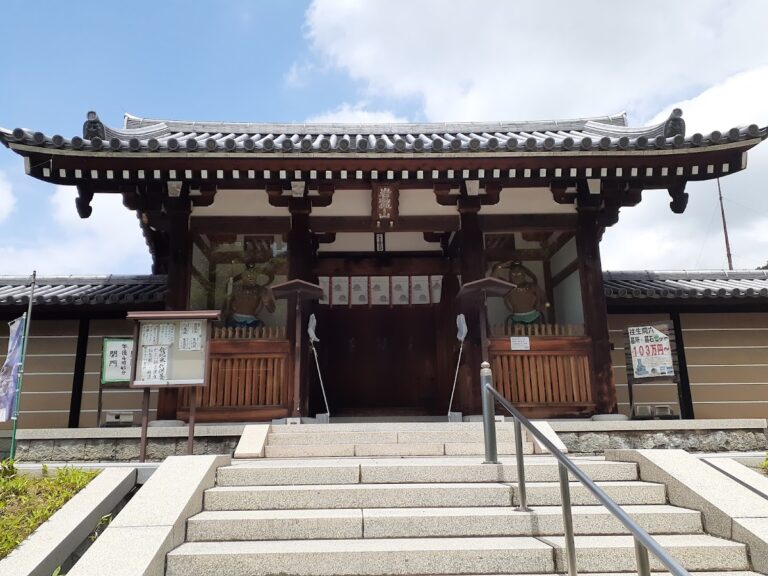
Ojo-in Temple is an independent Rinzai Zen Buddhist temple located in Rokumanji-cho, Higashi-Osaka City, Osaka Prefecture. Its official name is “Iwataki-san Ojo-in Rokumanji,” with the mountain name Iwataki-san and the temple name Rokumanji. The principal image is Amida Buddha, and it is known as an ancient temple boasting a 1,400-year history.
Located at the western foot of the Ikoma mountain range, this temple, situated in a scenic spot overlooking the Osaka Plain, is also known as a famous spot for sunsets and has attracted many practitioners and worshippers as a sacred place for Nissokan (a form of meditation on the setting sun) since ancient times. Furthermore, it holds significant historical importance as the family temple of Kusunoki Masatsura, a military commander of the Nanboku-cho period.
History of Ojo-in Temple
Founding and Ancient History
There are various theories regarding the founding of Ojo-in Temple, but the most widely accepted theory is that it was founded by Gyoki Bodhisattva at the behest of Emperor Shomu. This period corresponds to the Nara period, a time when Buddhism flourished under state protection.
Initially, it was called “Rokumanji” and is said to have possessed a vast temple grounds encompassing this entire region. The place name “Rokumanji” still remains today, attesting to the former size of the temple.
The Heian Period’s Nembutsu Saint and the Establishment of Ojo-in Temple
According to the “Shūi Ojo-den,” written in the late Heian period, the Ojo-in temple was built at the direction of Anjo Shonin, a Nembutsu saint.
Kawase Yoshimatsu, the founder, received a divine revelation in a dream and met Anjo Shonin. The direct origin of the present-day Ojo-in Temple is believed to be the construction of a temple hall on the site of the dilapidated Rokumanji Temple, following the instructions of a high-ranking priest. During this period, Pure Land Buddhism spread among the common people, and the desire for rebirth in the Western Pure Land became popular.
Ojo-in Temple is located in an excellent location overlooking the west where the sun sets, making it an ideal place for the practice of contemplating the sun’s setting (Nissokan), a form of meditation to visualize Amida Buddha’s Pure Land. For this reason, many devout Buddhist priests and practitioners visited this place, making it a center of faith seeking rebirth in the Pure Land.
The Nanboku-cho Period and Kusunoki Masayuki
A noteworthy aspect of Ojo-in Temple’s history is its deep connection to Kusunoki Masayuki, a military commander of the Nanboku-cho period. Kusunoki Masayuki is known as the eldest son of Kusunoki Masashige, who played an active role in the Kenmu Restoration, and he fought as a military commander for the Southern Court, carrying on his father’s legacy.
On January 5, 1348 (Shohei 3), Kusunoki Masayuki clashed with the forces of the Northern Court’s Kō no Moronao and Moroyasu brothers in the Battle of Shijōnawate, held in Hōjō, Kawachi Province (present-day Shijōnawate City). Despite his valiant efforts, Masayuki was outnumbered and killed in battle at the young age of 23.
It is said that the night before the battle, Masayuki established his headquarters at Ōjō-in Temple. Before the battle, he is said to have composed a death poem in front of the Nyoirin Kannon statue on the temple grounds, steeling himself for his fate. This death poem, “Having resolved never to return, I leave my name among those who perished, like a bow made of catalpa wood,” is still recited today.
After Masayuki’s death, Ōjō-in Temple was renovated as the family temple of Kusunoki Masayuki, and a memorial tower was erected. Even today, the temple grounds contain a memorial tower for Kusunoki Masayuki, making it a sacred site visited by many history enthusiasts.
History from the Early Modern Period Onward
During the Edo period, Ojo-in Temple continued to exist as a Rinzai Zen temple and functioned as a center of local faith. However, amidst the decline of many temples due to the anti-Buddhist movement and modernization during the Meiji era, Ojo-in also faced a period of hardship.
Currently, it operates independently as an independent Rinzai Zen temple, preserving historical cultural assets and fulfilling its role as a place of worship for the community.
Highlights of the Temple Grounds
Main Hall
The main hall of Ojo-in Temple houses the principal image, Amida Buddha. The hall is enveloped in a tranquil atmosphere, allowing visitors to quietly offer their prayers. From the main hall, one can enjoy a panoramic view of the Osaka Plain, and the scenery at sunset is particularly breathtaking.
Memorial Tower for Kusunoki Masayuki
Within the temple grounds stands a memorial tower for Kusunoki Masayuki, an important historical site that conveys the history of the Nanboku-cho period. An explanatory plaque is placed in front of the tower, providing detailed information about Masayuki’s life and the Battle of Shijōnawate.
Every year, around January 5th, the anniversary of Masayuki’s death, a memorial service is held, attracting many worshippers.
Sacred Site of Sun Contemplation
Ōjōin Temple is located in a westward-facing area, offering a direct view of the setting sun. Since the Heian period, this site has been known as a place for practicing Sun Contemplation.
Sun Contemplation is a meditation method in which one contemplates the setting sun, thereby visualizing Amida Buddha residing in the Western Pure Land. It is one of the sixteen contemplations described in the *Contemplation Sutra* and has been considered an important practice in Pure Land Buddhism.
Even today, it’s a popular spot for photography enthusiasts and tourists, offering beautiful sunset views. Especially on clear days from autumn to winter, the sunset over Osaka Bay creates a spectacular spectacle.
Stone Structures on the Temple Grounds
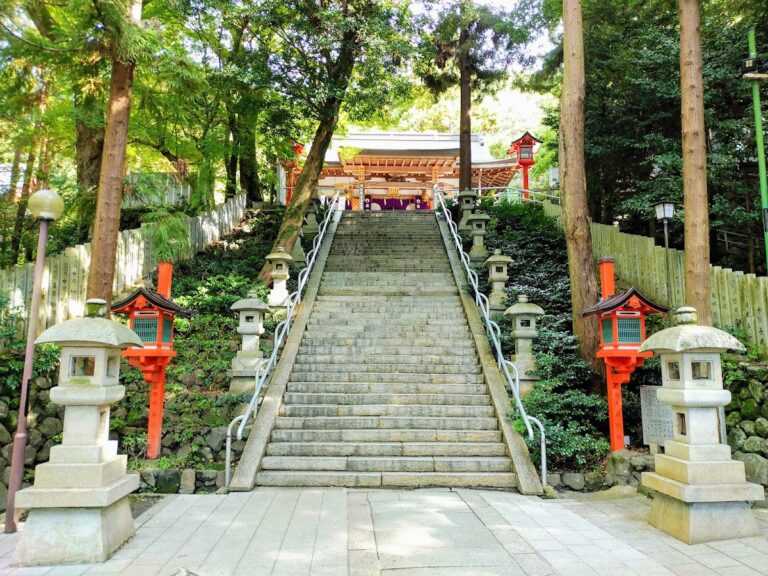
The temple grounds are dotted with various stone structures that evoke a sense of history. There are old stone Buddha statues, stone pagodas, and lanterns, each retaining traces of its era. These stone structures are evidence of the faith they have attracted from many people throughout their long history.
Cultural Properties
Osaka Prefecture Designated Tangible Cultural Properties
Ojo-in Temple houses valuable cultural properties designated as Osaka Prefecture Designated Tangible Cultural Properties. These cultural properties are important materials that demonstrate the temple’s long history and cultural value.
In particular, Buddhist statues, paintings, and scriptures from the Heian to Kamakura periods are preserved, possessing high value from an art historical perspective.
Important Art Objects
Some of the cultural properties held by Ojo-in Temple are designated as Important Art Objects by the Japanese government. These works hold a significant place in the history of Japanese art and are the subject of research by experts.
Osaka Prefecture Designated Historic Site / Higashi-Osaka City Designated Historic Site
The grounds of Ojo-in Temple itself are designated as an Osaka Prefecture Designated Historic Site and a Higashi-Osaka City Designated Historic Site. This designation recognizes its historical value as a place associated with Kusunoki Masayuki, its religious value as a sacred site for the contemplation of the setting sun, and its cultural value as a temple with a long history.
These designations ensure that the landscape and historical buildings of the temple grounds are protected and passed down to future generations.
Basic Information
Access
Location: 1-22-36 Rokumanji-cho, Higashi-Osaka City, Osaka Prefecture
Access by Train:
- Approximately 20 minutes on foot from Hyotan-yama Station on the Kintetsu Nara Line
- Approximately 25 minutes on foot from Shin-Ishikiri Station on the Kintetsu Keihanna Line
Access by Bus:
- Approximately 5 minutes on foot from the Rokumanji bus stop on the Kintetsu Bus
Access by Car:
- Approximately 10 minutes from the Mizuhashi Exit of the Hanshin Expressway Route 13 Higashi-Osaka Line
- Parking available (limited spaces)
Visiting Information
Visiting Hours: Grounds are freely accessible (reservations may be required for viewing the interior of the main hall)
Admission Fee: Grounds are free (separate fees apply for special viewings)
Phone Number: Please inquire at the temple office
Notes:
- Please visit the grounds quietly
- Photography is permitted, but please be considerate of other visitors.
- Please cooperate in the preservation of cultural properties.
Annual Events
Ojoin Temple holds various memorial services and events throughout the year.
- Around January 5th: Memorial Service for Kusunoki Masayuki
- Spring and Autumn Equinoxes: Equinox Memorial Service
- Obon: Obon Festival
During these events, cultural properties that are normally closed to the public may be specially opened. Please inquire at the temple office for details.
Nearby Tourist Attractions
Shijonawate Shrine
This shrine, dedicated to Kusunoki Masayuki, is located about 15 minutes by car from Ojoin Temple. It is recommended to visit it when touring places associated with Kusunoki Masayuki.
Hyotan-yama Inari Shrine
This ancient shrine, located near Kintetsu Hyotan-yama Station, is known as a deity of business prosperity. It’s a convenient stop on your way to or from Ojo-in Temple.
Mount Ikoma
Mount Ikoma, towering behind Ojo-in Temple, is a popular hiking destination. From the summit, you can enjoy panoramic views of the Osaka Plain and the Nara Basin, attracting many tourists who visit both Ojo-in and Mount Ikoma.
The Charm and Value of Visiting Ojo-in Temple
Ojo-in Temple is more than just an old temple; it’s a place where Japanese history, culture, and faith are condensed.
Historical Value: From its ancient history as an imperial temple of Emperor Shomu, to its role as a center of Pure Land Buddhism during the Heian period, and its connection to Kusunoki Masayuki during the Nanboku-cho period, it has been a stage for important historical events throughout history.
A Treasure Trove of Cultural Assets: This temple houses numerous valuable cultural properties, including Osaka Prefecture-designated tangible cultural properties and important works of art, making it an important resource for studying Japanese art and cultural history.
Beautiful Scenery: Located on a hill at the foot of Mount Ikoma, it offers a spectacular panoramic view of the Osaka Plain. The beauty of the sunset is particularly exceptional, preserving the tradition of this sacred site for contemplation of the setting sun.
Tranquil Atmosphere: Despite its proximity to the city, the temple grounds are enveloped in a quiet and peaceful atmosphere. It’s a precious space where you can escape the hustle and bustle of everyday life and pray in tranquility.
Points to Consider When Visiting Ojo-in Temple
Recommended Time to Visit
If you’re visiting Ojo-in Temple, the best time is definitely at sunset. The true value of this temple, known as a sacred site for contemplation of the setting sun, is best appreciated during this time. Especially on clear evenings from autumn to winter, you can witness breathtakingly beautiful sunsets.
However, daytime visits also have their own charm. A leisurely stroll through the quiet temple grounds and reflecting on its history is highly recommended.
Clothing and Items to Bring
Since the temple grounds have slopes and stone steps, comfortable walking shoes are advised. In summer, the sun is strong, so a hat or parasol is recommended. In winter, it can get cold due to its location at the foot of the mountain, so warm clothing is necessary.
Bringing a camera allows you to photograph the beautiful sunset and historical buildings. However, please be considerate of other visitors.
Manners and Precautions
Ojo-in Temple is a temple that still functions as a place of worship. Please observe the following points when visiting:
- Be quiet on the temple grounds and refrain from loud conversations.
- Do not touch buildings or cultural artifacts.
- Always take your trash with you.
- Smoking is strictly prohibited except in designated areas.
- If you wish to view the interior of the main hall, please contact the temple in advance.
Summary
Ojo-in Temple is a historic temple that has preserved its 1400-year-old tradition. Founded as an imperial temple by Emperor Shomu, Ojo-in Temple played a significant role in each era: as a sacred site for the contemplation of the setting sun during the Heian period, and as a place associated with Kusunoki Masayuki during the Nanboku-cho period.
Despite being located in the urban area of Higashi-Osaka City, Osaka Prefecture, the temple grounds are enveloped in tranquility, reminding us of a spirituality that modern people are in danger of forgetting. The beauty of the sunset, the weight of history, the value of cultural assets, and the solemnity of a place of worship—all of these are part of Ojo-in Temple’s charm.
Whether you are a history buff, interested in Buddhist art, seeking beautiful scenery, or simply looking for peace of mind, Ojo-in Temple will offer a different kind of inspiration to each visitor.
If you have the opportunity to visit Osaka, please do visit Ojo-in Temple. It will be a precious experience to escape the hustle and bustle of the city and connect with its timeless history and beautiful nature.