Complete Guide to Okami Shrine | The History, Goshuin (Shrine Seals), Plum Grove, and Charm of Hirakata’s Engishiki-Listed Shrine
What is Okami Shrine?
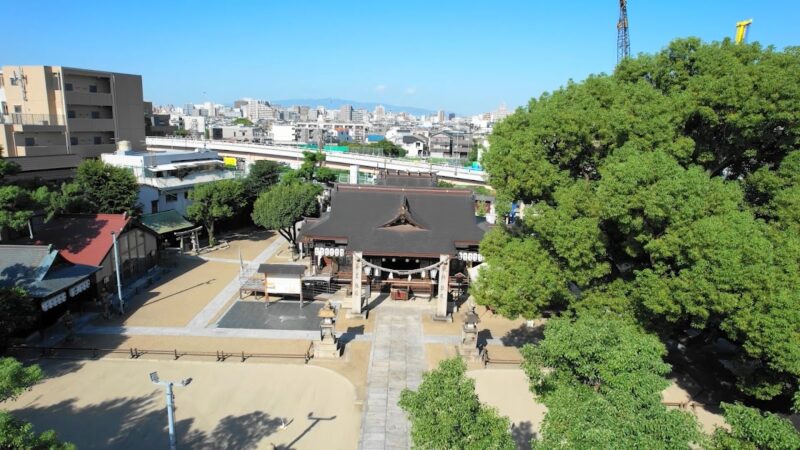
Okami Shrine is an Engishiki-listed shrine located in Hirakata-Kaminomachi, Hirakata City, Osaka Prefecture. Situated on a hill about a 10-minute walk from Hirakata-shi Station on the Keihan Railway, it boasts a superb location overlooking the Yodo River. While the exact founding date is unknown, it is known as an ancient shrine with over 1000 years of history, listed in the Engishiki Jinmyocho (Register of Shrines in the Engi Era) as a shrine in Katano District, Kawachi Province.
As the guardian deity of the Yodo River, it has been worshipped since ancient times as a god of safe water transport and protection against floods. Currently, it is attracting attention as a plum blossom viewing spot, for its Edo-period mathematical votive tablets (“Sangaku”), and as a power spot.
History and Origins of Okami Shrine
Founding Legends
The founding date of Okami Shrine is unknown, but several legends remain. According to the oldest tradition, the shrine’s origins date back to the reign of Emperor Kaika (around the 2nd century BC), when Takaokami-no-kami was enshrined within the residence of Ikagashikoo-no-mikoto and Ikagashikome-no-mikoto.
It is also said that in ancient times, sailors navigating the Yodo River established the shrine to pray for safe passage and protection from floods, and it developed as a center of water deity worship overlooking the Yodo River, a major river.
Relocation from Moto-Ikaga-Miyayama
Our shrine was originally located in a place called “Ikaga-Miyayama.” As a tutelary deity and guardian of the Yodo River, it was highly revered and deeply worshipped by the local people. While the exact time of the relocation to its current location is unclear, it is believed to have settled on its present elevated site due to changes in the Yodo River basin’s topography and the effects of floods.
Status as an Engishiki-listed Shrine
This shrine is listed in the Engishiki Jinmyocho (a list of shrines compiled in 927) as “Okami Shrine, Katano District, Kawachi Province.” During this period, only 2,861 shrines nationwide (492 major shrines and 2,369 minor shrines) were officially recognized by the imperial court. Okami Shrine was one of them, indicating its importance from ancient times.
During the Edo period, it served as a village shrine and a center of local faith. Even after the Meiji Restoration, it retained its former status as a village shrine, remaining a deeply rooted community shrine to this day.
Deities and Divine Virtues
Main Deity: Takaokami-no-kami
The main deity of Okami Shrine is Takaokami-no-kami. “Okami” is an archaic word meaning dragon, and Takaokami-no-kami is considered a dragon god who resides on mountains and controls water. This ancient water deity, appearing in the Kojiki and Nihon Shoki, is believed to grant all kinds of wishes related to water, including rain, flood control, and securing water for agriculture.
Located overlooking the Yodo River, a major waterway, it has long been revered by sailors and farmers as a god of safe water transport, protection from floods, and abundant harvests.
Enshrined Deities
In addition to the main deity, the following deities are enshrined:
- Susanoo-no-Mikoto: God of protection against misfortune and disease
- Oyamakui-no-Kami: God of mountains, guardian deity of agriculture and brewing
- Okuninushi-no-Kami: God of matchmaking and business prosperity
The enshrinement of these deities gives the shrine diverse divine blessings, including protection from water disasters, safe voyages, abundant harvests, business prosperity, and matchmaking.
Highlights of Okami Shrine
A Hidden Gem for Plum Blossoms
Okami Shrine is known as one of the best places to see plum blossoms in Hirakata City. Approximately 40 plum trees are planted on the grounds, and the white and red plum blossoms bloom beautifully from mid-February to early March.
The view of the plum blossoms from the temple grounds, situated on a hill overlooking the Yodo River, is exceptional, making it a beloved “hidden gem” for plum blossom viewing among locals. While many visitors come during the plum blossom season, it’s not as crowded as Osaka Castle Park or Kitano Tenmangu Shrine, allowing for a more relaxed and enjoyable experience.
Edo Period Mathematical Tablets (Wasan Votive Tablets)
A notable cultural asset of Okami Shrine is its Edo period “Sangaku” (mathematical tablet). Sangaku are votive tablets inscribed with mathematical problems and solutions, dedicated by Edo-period Wasan (Japanese mathematicians) to the gods and Buddhas as a testament to their mathematical achievements.
The Sangaku dedicated to our shrine dates from the late Edo period, beautifully depicting geometric figures and mathematical formulas. Wasan is a uniquely Japanese mathematical system that developed differently from Western mathematics. Sangaku are rare nationwide, making them valuable historical and cultural artifacts.
While mathematical tablets (sangaku) are usually enshrined in the main hall and not always on public display, they are sometimes exhibited on special occasions. For mathematics enthusiasts and history buffs, Ikami Shrine is a must-see spot.
Attractiveness as a Power Spot
In recent years, Ikami Shrine has also gained attention as a power spot. In particular, the phenomenon of compass needles moving in specific locations within the shrine grounds has become a topic of discussion, attracting an increasing number of visitors seeking to experience magnetic field anomalies and zero magnetic fields.
Located on a hill, the shrine grounds offer panoramic views of the Yodo River and the city of Hirakata, creating an open and refreshing atmosphere that cleanses the soul. It is said that experiencing the sacred energy of this shrine, which has been worshipped as a water deity since ancient times, can refresh the mind and body and recharge one’s energy.
View from the Shrine Grounds
One of the major attractions of Ikami Shrine is the view from the shrine grounds. Located on a hill, it offers a magnificent view of the Yodo River below, Kyoto on the opposite bank, and the city of Hirakata.
The view at sunset is particularly magnificent; the scenery created by the setting sun over the Yodo River and the city lights leaves a lasting impression on visitors. This view is undoubtedly one of the reasons why the shrine has attracted people’s faith as the guardian deity of the Yodo River since ancient times.
Annual Events and Festivals
Annual Festival
The annual festival of Okami Shrine is held every October. Local parishioners and devotees gather for Shinto rituals such as a portable shrine procession and the dedication of Kagura (sacred dance). As a shrine deeply rooted in the community, the annual festival is an important event that strengthens the bonds of the local community.
New Year’s Visit and Setsubun Festival
Many worshippers visit the shrine for their first visit of the new year, praying for safety and prosperity throughout the year. The Setsubun Festival in February features bean-throwing, a popular event for warding off evil and inviting good fortune.
Plum Blossom Festival
During the plum blossom season, the area takes on an unofficial “Plum Blossom Festival” atmosphere, attracting many visitors to admire the blossoms. It’s also a popular photography spot for local photography enthusiasts.
Visiting Information
Basic Information
- Location: 1-12 Hirakata-Kaminomachi, Hirakata City, Osaka Prefecture
- Phone: 072-841-2790
- Visiting Hours: Grounds are open freely (Shrine office hours are irregular)
- Parking: None (Use nearby coin parking)
- Admission Fee: Free
Access
Access by Train
- Approximately 10 minutes on foot from Keihan Railway “Hirakata-shi Station”
- Approximately 12 minutes on foot from Keihan Railway “Hirakata-koen Station”
Hirakata-shi Station is a limited express stop, making it convenient to access from Osaka and Kyoto. The path from the station to the shrine goes through a shopping street and uphill through a residential area, allowing you to enjoy the scenery of Hirakata along the way.
Access by Car
- Approximately 15 minutes from the Hirakata-Higashi Interchange on the Daini Keihan Expressway
- From National Route 1 towards the city center
There is no dedicated parking lot for the shrine, so you will need to use a nearby coin-operated parking lot. We recommend using public transportation.
Goshuin (Shrine Seal) Information
Okami Shrine offers goshuin, but the shrine office is not always open, so we recommend calling ahead to confirm. The goshuin bears the “Shikinai Okami Shrine” stamp, reflecting its status as a shrine listed in the Engishiki (an ancient Japanese legal code).
Goshuin notebooks are also available, with designs featuring the Yodo River and plum blossoms being popular.
Nearby Tourist Attractions
Hirakata-juku
Located within walking distance of Okami Shrine, Hirakata-juku is a historic area that flourished as a post town on the Tokaido highway during the Edo period. The old townscape remains today, making it a great place for a historical stroll.
Hirakata T-SITE
A multi-purpose commercial complex directly connected to Hirakata City Station, featuring a stylish space centered around Tsutaya Bookstore. Visitors can relax at a cafe or enjoy shopping before or after their visit to the shrine.
Yodogawa Riverbank
The Yodogawa Riverbank, visible from Okami Shrine, offers a vast natural space. Enjoy walks, cycling, barbecues, and the changing seasons.
Hyakusaiji Temple Ruins
An ancient temple site located within Hirakata City, this historical site has deep ties to immigrants from Baekje. A recommended spot for those interested in ancient history.
A Summary of the Charms of Okami Shrine
Okami Shrine is a multifaceted shrine with many attractions, including its prestigious history as an Engishiki-listed shrine, its reverence as the guardian deity of the Yodo River, its beauty as a famous plum blossom viewing spot, its cultural artifact (a mathematical tablet), and its mystical aura as a power spot.
It is one of the oldest shrines in Osaka Prefecture, having watched over the safety and prosperity of people for over 1000 years as a center of water deity worship. The shrine grounds, overlooking the Yodo River from a hilltop, are open and maintain a tranquil atmosphere despite being in an urban area.
Its convenient location within walking distance of Hirakata City Station is also a major draw, making it easy to visit while sightseeing along the Keihan Railway line or during Osaka/Kyoto tours. It is especially beautiful during plum blossom season, making it ideal for photography.
Manners and Points for Visiting a Shrine
Proper Etiquette for Visiting a Shrine
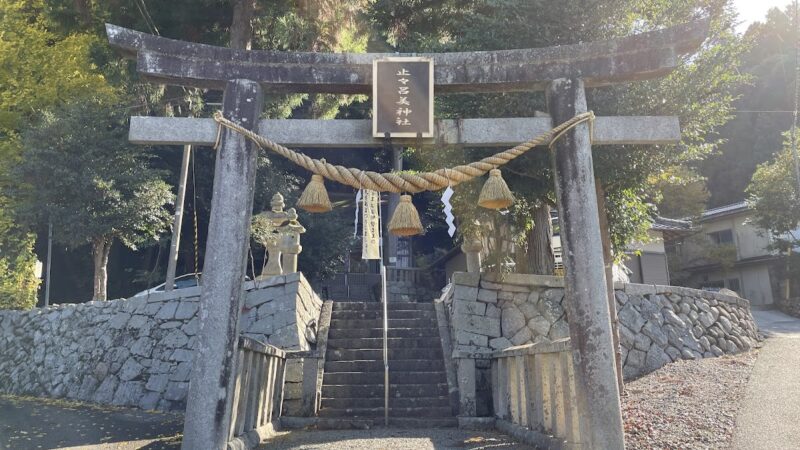
- Bow before passing through the torii gate: This is a courtesy before entering the sacred area.
- Walk along the edge of the path: The center is considered the path of the gods.
- Purify yourself at the water basin: Purify your left hand, then your right hand, then your mouth.
- Two bows, two claps, one bow: This is the basic etiquette at the main hall.
Photography
Photography is generally permitted within the shrine grounds, but permission may be required to photograph the interior of the main hall or special cultural artifacts such as mathematical tablets. Please be considerate of other visitors.
Recommended Time to Visit
- Mid-February to Early March: The most beautiful time to visit, as the plum blossoms are in full bloom.
- October: The annual festival is held, allowing you to experience the local atmosphere.
- New Year’s Visit: Visit in the refreshing air of the new year.
- Weekday Mornings: A quiet and peaceful time to visit.
Ikami Shrine and Other Shrines with the Same Name in Izumisano and Kishiwada
There are several shrines named “Ikami Shrine” in Osaka Prefecture, not just in Hirakata City.
Ikami Shrine in Izumisano City
The Ikami Shrine in Izumisano City has a main hall built during the Muromachi period that is designated as a National Important Cultural Property and is known as the oldest Kasuga-style building in Osaka Prefecture. It is worshipped as the source deity of the Kashii River and has been called “the god of rain” and “Mutō Tenjin.”
Ikami Shrine in Kishiwada City
There is also an Ikami Shrine in Habutaki-cho, Kishiwada City, located near “Amefuri no Taki” (Rainfall Waterfall). A legend remains that during the great drought of 732 AD, prayers for rain were offered by imperial decree of Emperor Shomu.
These shrines all enshrine water deities such as Takaokami-no-kami, demonstrating the widespread ancient worship of water gods. Each shrine has its own unique history and characteristics, making them well worth visiting.
Summary: Visiting Hirakata’s Hidden Gems
Ikami Shrine, located in Hirakata City, Osaka Prefecture, is a venerable shrine with over 1000 years of history, listed in the Engishiki (an ancient Japanese legal code). It developed as a place of worship for the safety of water transport and protection from floods, serving as the guardian shrine of the Yodo River. Today, it is known as a famous plum blossom viewing spot, a cultural asset (a mathematical tablet), and a power spot.
Despite its convenient location, about a 10-minute walk from Hirakata-shi Station on the Keihan Railway, it maintains a quiet and peaceful atmosphere, making it an ideal place to escape the hustle and bustle of the city and find peace of mind. The view of the Yodo River from the hilltop is magnificent, and especially during the plum blossom season, it attracts many worshippers and photography enthusiasts.
This sacred shrine, dedicated to the water god Takaokami, offers a variety of divine blessings, including safe voyages, protection from water-related disasters, abundant harvests, business prosperity, and matchmaking. When sightseeing in Osaka or Kyoto, be sure to visit Ikami Shrine and experience its ancient history and tranquil atmosphere.
Spend a special time at Ikami Shrine, a hidden gem in Hirakata, and immerse yourself in traditional Japanese culture, the beauty of nature, and a sacred atmosphere.