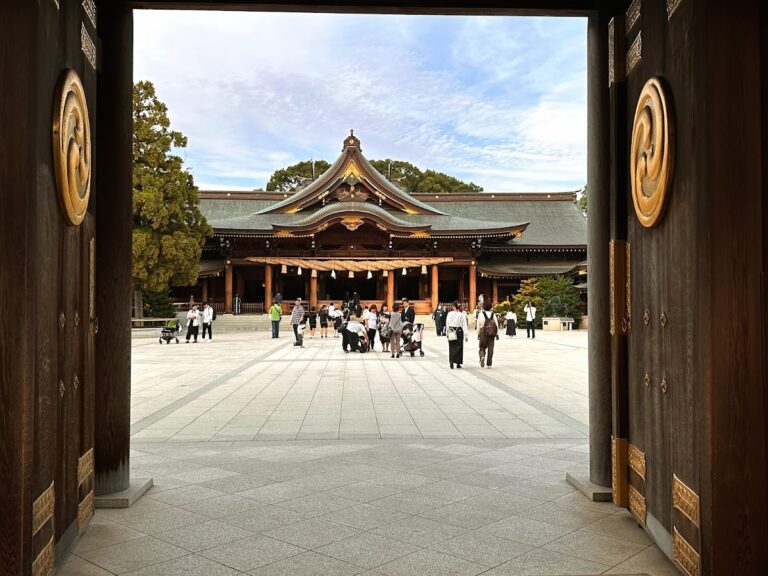
Complete Guide to Shogakuin Temples | History, Highlights, and Access Information for Shogakuin Temples Nationwide
There are several temples named “Shogakuin” throughout Japan, each with its own unique history and culture. This article provides a detailed explanation of the characteristics, highlights, and historical background of Shogakuin temples in various locations. We also comprehensively cover access information and basic details useful for sightseeing and pilgrimages.
What is Shogakuin? | Origin of the Name and Buddhist Significance
The name “Shogakuin” originates from the Buddhist term “Shogaku.” Shogaku means “correct enlightenment,” and is a Buddhist term referring to the complete enlightenment attained by Shakyamuni under the Bodhi tree. Temples bearing this name belong to various sects, such as Shingon and Soto Zen, and have attracted worshippers throughout Japan.
While each Shogakuin temple has a different founder and origin, they all share a history of spreading Buddhist teachings and functioning as spiritual havens for local people. This article focuses on Shōgakuin Temple, a representative temple of particularly high historical value, and delves into its charm.
Shōgakuin Temple, Yachiyo City, Chiba Prefecture | The Mandarin Duck Legend and the Worship of Bishamonten
History and Origin of Ikeshozan Ōenji Temple
Located in Murakami, Yachiyo City, Chiba Prefecture, Shōgakuin Temple belongs to the Buzan branch of the Shingon sect. Its mountain name is Ikeshozan, and its temple name is Ōenji. The principal image is Dainichi Nyorai, and it is widely known in the region as a temple that enshrines Bishamonten.
This temple is one of the “Eight Lucky Gods Pilgrimage of Yachiyo,” and enshrines Bishamonten, the god of fortune and wealth, attracting many worshippers. Bishamonten, one of the Seven Lucky Gods, is believed to bring good fortune in competitions, business prosperity, and family safety, and is revered by local residents.
Details of the Mandarin Duck Legend
The most distinctive feature of Shōgakuin Temple is that it is a temple where the “Mandarin Duck Legend,” which is found in various parts of Japan, is passed down. This legend has been told for centuries as a story symbolizing marital love and family bonds.
According to the legend, there was once a beautiful pond in this area where a pair of mandarin ducks lived together harmoniously. One day, a hunter shot one of them, and the remaining duck, overwhelmed with grief, died. This tragic story continues to resonate with many people today as a symbol of marital harmony and successful love.
Basic Information and Access
Address: Murakami, Yachiyo City, Chiba Prefecture
Sect: Shingon-shu Buzan-ha
Principal Image: Dainichi Nyorai
Features: Bishamonten, Mandarin Duck Legend, Yachiyo’s Eight Lucky Gods Pilgrimage
Access: Conveniently accessible by bus from Keisei Main Line “Katsutadai Station” or Toyo Rapid Railway “Yachiyo-Chuo Station”.
Shogakuin Temple in Hakui City, Ishikawa Prefecture | A Temple Protecting Treasures Related to Keta Taisha Shrine
Historical Role as Keta Jingu-ji Temple
Located in Hakui City, Ishikawa Prefecture, Shogakuin Temple is a Shingon Buddhist temple adjacent to Keta Taisha Shrine. Its principal image is Dainichi Nyorai, and it is also known as “Tsurukame Horaisan Shogakuin.” This temple once played an important role as the Jingu-ji Temple of Keta Taisha Shrine.
A Jinguji is a temple built attached to a Shinto shrine based on the syncretic belief of Shinto and Buddhism. While many Jinguji were abolished due to the Meiji-era separation of Shinto and Buddhism, Shōgakuin is the only one that survived and remains independent, unlike other Keta Jinguji such as Chōfukuin, Jizōin, and Yakushiin.
Valuable Cultural Assets and Treasures
Shōgakuin houses numerous valuable treasures related to Keta Taisha Shrine. As a legacy of the syncretic Shinto-Buddhist era before the separation of Shinto and Buddhism, Buddhist statues, ritual objects, and ancient documents are carefully preserved, making them extremely important resources for studying the history of Japanese religion.
The temple architecture is also a highlight, with historically valuable buildings preserved. When visiting Keta Taisha Shrine, we highly recommend visiting Shōgakuin to experience the history of Shinto-Buddhist syncretism.
Basic Information and Access
Address: Hakui City, Ishikawa Prefecture
Sect: Shingon Buddhism
Principal Image: Dainichi Nyorai (Vairocana Buddha)
Features: Adjacent to Keta Taisha Shrine, history as a Jinguji temple, valuable cultural assets
Access: Take a bus from JR Nanao Line “Hakui Station” towards Keta Taisha Shrine. Since it is adjacent to Keta Taisha Shrine, visiting in conjunction with a shrine visit is convenient.
Shogakuin Temple, Honjima Island, Marugame City, Kagawa Prefecture | An Ancient Temple Standing on a Remote Island in the Seto Inland Sea
History of Myochizan Shogakuin Kannonji Temple
Located on Honjima Island in Marugame City, Kagawa Prefecture, Shogakuin is a Shingon Buddhist temple said to have been founded during the Tenpyo era (729-748). It is considered the oldest temple in Marugame City, Kagawa Prefecture, and is affectionately called “Yamadera” (Mountain Temple) by the islanders.
Honjima Island, floating in the Seto Inland Sea, has long flourished as a center of maritime trade, with many sailors traversing its waters. Shōgakuin Temple is a temple with a history of being cherished and supported by these sailors. It has a nearly 1300-year history as a place to pray for safety at sea and as a spiritual anchor for the islanders.
Island Culture and the Role of the Temple
Honjima Island is one of the Shiwaku Islands and has a history of flourishing as a base for the Shiwaku naval force. Shōgakuin Temple has served as the cultural center of the island, supporting the community through Buddhist ceremonies and seasonal festivals.
From the temple, one can enjoy beautiful views of the Seto Inland Sea and find peace of mind in a tranquil atmosphere. The entire island is a space where time flows slowly, making it the perfect place to escape the hustle and bustle of city life and refresh your mind and body.
Basic Information and Access
Address: 842 Tomari, Honjima-cho, Marugame City, Kagawa Prefecture
Phone Number: 0877-27-3204
Sect: Shingon Buddhism
Founder: Tenpyo era (729-748)
Features: One of the oldest temples in Kagawa Prefecture, the cultural center of the island, deeply connected to the shipping industry
Access: Take a ferry from Marugame Port to Honjima Island. Approximately 40 minutes on foot from Tomari Port on Honjima Island. Walking is recommended as there is little car traffic on the island. Bicycle rentals are also available.
Shogakuin Temple, Hatsukaichi City, Hiroshima Prefecture | A Power Spot with a Thousand-Year-Old Camphor Tree
The Founding of Gokurakuji Mountain and the Legend of Gyoki
Located in Hatsukaichi City, Hiroshima Prefecture, Shogakuin Temple is a historic temple said to have been founded in 737 AD by Gyoki, a monk who opened Gokurakuji Mountain. Gyoki was a high-ranking monk of the Nara period and is known as a historical figure who was involved in the construction of the Great Buddha of Todai-ji Temple.
This temple is gaining popularity as a power spot in Hiroshima, known for its “Thousand-Year-Old Camphor Tree.” The gigantic camphor tree towering within the temple grounds is said to be over a thousand years old, and its overwhelming presence and vitality captivate visitors.
The Appeal of a Power Spot
Many visitors come to the Thousand-Year-Old Camphor Tree as a place where they can feel the energy of a tree that has survived for a long time. The worship of giant trees is an ancient Japanese tradition of nature worship, and this camphor tree has been cherished as sacred by the local people.
Many people report feeling the energy of the earth when they walk around the tree and place their hands on it. It is a worthwhile spot for those seeking purification of mind and body and improved luck.
Basic Information and Access
Address: Hatsukaichi City, Hiroshima Prefecture
Founder: Gyoki (Tenpyo 9, 737 AD)
Features: Thousand-year-old camphor tree, power spot, temple associated with Gyoki
Access: Take a car or bus from JR Sanyo Main Line “Hatsukaichi Station”. Follow the signs towards Gokurakuji Mountain.
Shogakuin Temple in Esashi Town, Hokkaido | Faith Rooted in the Northern Land
The Founding and History of Gakujōzan Shogakuin Temple
Located in Esashi Town, Hokkaido, Shogakuin Temple is a relatively old temple in Hokkaido, founded in 1631 (Kanei 8). The temple buildings were constructed in 1689 (Genroku 2), and the following year, in 1690 (Genroku 3), it was officially named “Gakujōzan Shogakuin.”
Although it suffered two fires, the current temple buildings were rebuilt in 1894 (Meiji 27), and it remains so to this day. Located near the entrance to Matsunodai Park, it forms part of the historical landscape of Esashi Town.
The Role of Buddhist Temples in Hokkaido
While Hokkaido has a shorter history of Buddhist temples compared to Honshu, many temples were established during the Edo period and subsequent settlement. Shogakuin Temple, too, played an important role in this history as a spiritual haven for settlers.
Esashi Town was a thriving port town during the Edo period, thanks to herring fishing, and Shogakuin Temple attracted the faith of fishermen and merchants. Even today, it functions as a central location for local Buddhist events and ceremonies.
Basic Information and Access
Address: Esashi Town, Hiyama District, Hokkaido
Founding: Kan’ei 8 (1631)
Temple Building Construction: Genroku 2 (1689)
Current Building: Rebuilt in Meiji 27 (1894)
Access: Approximately 1 hour 30 minutes by car from Hakodate. Located near the entrance to Matsunotai Park in the center of Esashi Town.
Shogakuin Temple in Yokohama City, Kanagawa Prefecture | A Soto Zen Temple in an Urban Area
Zen Temple in the Shin-Yokohama Area
Shogakuin Temple, located in Yokohama City, Kanagawa Prefecture, is a temple belonging to the Soto Zen sect. Despite being located in an urban area within walking distance of Shin-Yokohama Station, it offers a tranquil environment for Zen meditation and ceremonies.
The Soto Zen sect is a branch of Zen Buddhism that emphasizes seated meditation (zazen). For people living in urban areas, it offers a valuable opportunity to experience Zen teachings in their daily lives.
Activities as an Urban Temple
Temples located in modern urban areas serve not only as places for traditional religious activities but also as community spaces. Shogakuin Temple regularly holds events open to the public, such as zazen sessions and sutra copying sessions.
Its convenient location makes it easily accessible for visits after work or on weekends, making it a popular place for busy modern people to find peace of mind.
Basic Information and Access
Address: Yokohama City, Kanagawa Prefecture
Sect: Soto Zen
Access: Approximately 5 minutes on foot from Exit 2 of Shin-Yokohama Station on the Yokohama Municipal Subway Blue Line, Tokyu Shin-Yokohama Line, and Sotetsu Shin-Yokohama Line. The gateposts are visible on the right after passing the Shinohara Post Office.
Shōgakuin Temple in Adachi Ward, Tokyo | A Temple Associated with the Legend of Minamoto no Yoshimitsu
The Origin of Shōgakuin Hōzōji Temple
Located in Adachi Ward, Tokyo, Shōgakuin Temple is a Shingon sect temple of the Buzan school, and its full name is Shōgakuin Hōzōji Temple. While the founder is unknown, it is said to be associated with the legend of Minamoto no Yoshimitsu (Shinra Saburō Yoshimitsu).
Minamoto no Yoshimitsu was a military commander of the late Heian period and a prominent figure of the Minamoto clan. It is believed that the temple’s founding is related to the activities of the Minamoto clan in this region, making it a temple that evokes a sense of historical romance.
History and Temple Culture of Adachi Ward
Adachi Ward is located in the northeastern part of Tokyo and has long been a region where agriculture and commerce flourished. Shōgakuin Temple is a cherished cultural heritage site that conveys the history of the region to the present day.
Even amidst increasing urbanization, the preservation of such historical temples is of great importance in maintaining the cultural identity of the region.
Basic Information and Access
Address: Adachi-ku, Tokyo
Sect: Shingon-shu Buzan-ha
Mountain Name: Washiozan
Temple Name: Hozoji
Features: Connection to the legend of Minamoto no Yoshimitsu
Access: Access from the nearest station varies depending on the area. It is recommended to check detailed information before visiting.
Etiquette and Manners for Visiting Shogakuin Temple
Basic Etiquette for Temple Visits
When visiting a temple, it is important to understand basic etiquette. First, bow when passing through the temple gate, and walk quietly within the temple grounds. In front of the main hall, bow slightly, offer your donation, and offer a silent prayer with clasped hands.
Photography is generally permitted, but photography inside the main hall or of Buddha statues may be prohibited. Always check beforehand and refrain from taking photos in prohibited areas.
Points to Note When Receiving a Goshuin (Temple Stamp)
Collecting Goshuin has become popular in recent years, but a Goshuin is not merely a commemorative stamp; it is given as proof of worship. First, visit the main hall, then respectfully request a Goshuin at the Goshuin office.
Bring your Goshuincho (stamp book) and prepare the Goshuin fee (generally around 300-500 yen). Wait quietly while the stamp is being written, and when receiving it, accept it with both hands, expressing your gratitude.
Enjoying Temple Visits in Different Seasons
Temples show different faces depending on the season. You can enjoy the beauty of each season: cherry blossoms and fresh greenery in spring, lush trees in summer, autumn leaves in fall, and snowscapes in winter.
Especially at historical temples like Shogakuin, seasonal events are held. Participating in traditional Japanese annual events such as Hatsumode (first shrine visit of the year), Setsubun (bean-throwing festival), Obon (Buddhist festival), and Higan (equinox) offers a deeper cultural experience.
How to Enjoy a Pilgrimage to Shogakuin Temples Across Japan
How to Plan a Temple Pilgrimage
A journey to visit Shogakuin temples throughout Japan is a wonderful opportunity to gain a deep understanding of Japanese Buddhist culture and regional history. When planning, researching the sect and historical background of each temple beforehand will lead to a more fulfilling experience.
Setting a theme for each region is also recommended. For example, exploring the relationship between maritime culture and temples in the Seto Inland Sea area, a journey through Hokuriku exploring the history of Shinto-Buddhist syncretism, or an exploration of the modern role played by temples in urban areas will deepen your learning.
Combining with Tourist Attractions
Many Shogakuin temples are located near attractive tourist spots. For example, visiting the Shogakuin temple in Yachiyo City, Chiba Prefecture, could be combined with a pilgrimage to the Eight Lucky Gods of Yachiyo; visiting the Ketataisha shrine in Hakui City, Ishikawa Prefecture; or exploring the island and enjoying the Seto Inland Sea scenery on Honjima Island in Kagawa Prefecture. Combining temple visits with sightseeing creates a fulfilling travel plan.
Enjoying local cuisine and restaurants is another highlight. You can savor regional specialties while experiencing local culture.
Choosing Accommodation
Choosing accommodation is crucial for a temple pilgrimage. Staying near temples allows for early morning visits in peace and quiet. Some temples also offer temple lodgings (shukubo), providing a deeper Buddhist experience.
Staying at traditional local inns or hotels allows you to enjoy the unique hospitality and cuisine of the region. When making reservations, be sure to check access information to the temples.
Summary | Japanese Buddhist Culture as Told by Shogakuin Temples
Shogakuin temples throughout Japan each possess their own unique history and culture while continuing to transmit Buddhist teachings. These temples represent diverse aspects, including the mandarin duck legend of Chiba, the history of Shinto-Buddhist syncretism in Ishikawa, the maritime culture of Kagawa, power spots in Hiroshima, the pioneering history of Hokkaido, and modern temple activities in urban areas.
Visiting these temples is not merely a sightseeing tour; it’s a profound experience that touches upon Japanese history, culture, and the faith of its people. The time spent calming the mind in the tranquil temple grounds and reflecting on the traditions that our ancestors have preserved and passed down will be a precious moment of peace for us living in the modern age.
We hope that through visiting Shogakuin temples throughout Japan, you will be able to experience the rich Buddhist culture and regional diversity of Japan. Please refer to the access and basic information and do visit in person.