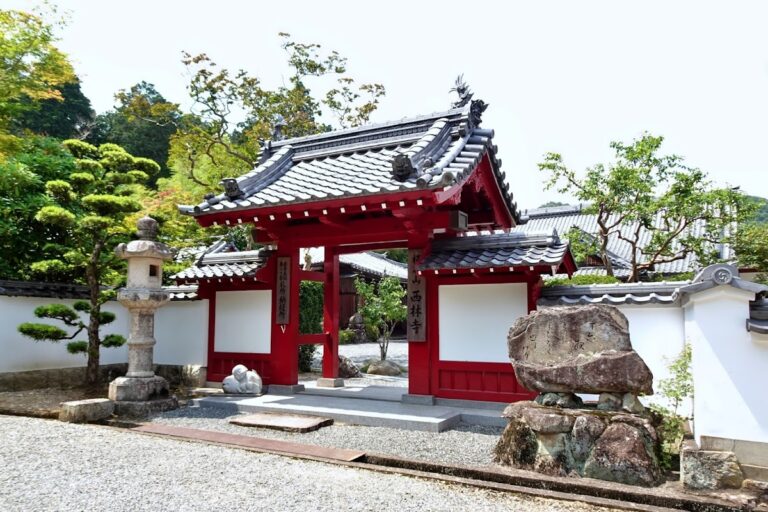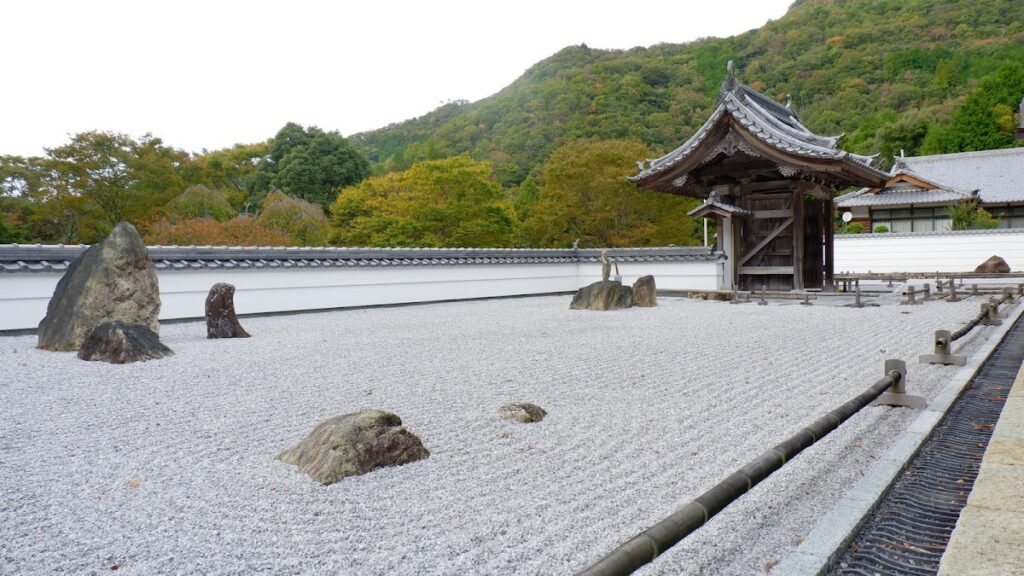
Complete Guide to Shogonji Temples | A Thorough Explanation of the History, Highlights, and Access to Shogonji Temples Nationwide
Table of Contents
Shogonji is the name of several temples located throughout Japan. Each belongs to a different Buddhist sect and possesses its own unique history and cultural assets. This article provides a detailed explanation of the major Shogonji temples, from their historical background to their highlights and visiting information.
Overview: What are Shogonji Temples?
The word “Shogon” is a Buddhist term meaning to beautifully adorn Buddha or the Buddha’s land. Therefore, the temple name “Shogonji” has been adopted in various regions as a place to solemnly convey the teachings of Buddha.
The following are some of the most well-known Shogonji temples throughout Japan:
- Shibuya Ward, Tokyo (Shingon-shu Muroji sect): Famous as Hatagaya Fudōson
- Shikanoshima, Fukuoka City, Fukuoka Prefecture (Zen sect): An ancient temple with a history of approximately 700 years
- Nishiwaki City, Hyogo Prefecture (Shingon sect): A temple associated with Kuroda Kanbei
- Kyoto Prefecture (Jishū sect): Bukkozan Shogonji Temple
- Sendai City, Miyagi Prefecture (Jōdo sect): Kōtokuzan Jōjuin Shogonji Temple
- Nerima Ward, Tokyo (Shingon-shu Buzan sect): Founded in the late Sengoku period
- Fujisawa City, Kanagawa Prefecture (Shingon sect): Founded in Genryaku 1 (1184)
Each of these temples has a long history as a center of faith in its respective region.
Shogonji Temple (Hatagaya Fudo-son) in Shibuya Ward, Tokyo
History and Overview
Shogonji Temple, located in Honcho 2-chome, Shibuya Ward, Tokyo, is a Shingon sect temple of the Muroji branch. Despite its central location near the intersection of Yamate-dori and Suido-dori, it is affectionately known to local residents as “Hatagaya Fudo-sama” or “Hatagaya Fudo-son.”
Inheriting the lineage of the Shingi Shingon sect, this temple enshrines Fudo Myoo as its principal deity and is particularly known as a place of prayer for protection against misfortune and traffic safety. In the rapidly urbanizing Shibuya Ward, it is a valuable temple that maintains a tranquil space for worship.
Features of the Main Hall and Temple Grounds
The main hall houses a magnificent statue of Fudo Myoo, and is bustling with many worshippers on its monthly festival days. The temple grounds, though compact, are meticulously maintained, serving as an oasis in the city.
Access Information
- Location: Honmachi 2-chome, Shibuya-ku, Tokyo
- Nearest Station: Approximately 5 minutes on foot from Hatagaya Station on the Keio New Line
- Visiting Hours: Anytime during the day (may vary depending on events)
Shogonji Temple, Shikanoshima, Fukuoka Prefecture
An Ancient Temple with Approximately 700 Years of History
Located on Shikanoshima, Higashi-ku, Fukuoka City, Shogonji Temple boasts a history of approximately 700 years as a Zen Buddhist temple. It is situated about a 6-minute walk from the Shikanoshima ferry terminal, offering a spectacular view overlooking Hakata Bay.
A Temple for Matchmaking
This temple is also famous as a temple for matchmaking, attracting many couples and visitors seeking good fortune in love. The temple grounds, overlooking the sea, are a peaceful space popular with both locals and tourists.
Zen Meditation Experience
On days without temple events, Zen meditation experiences are available, providing an opportunity to calm the mind in a tranquil environment. Enjoy a luxurious time immersed in Zen teachings while gazing at the scenery of Hakata Bay.
Visiting Information
- Location: 813-1 Shikanoshima, Higashi-ku, Fukuoka City
- Phone: 092-603-6702
- Visiting Hours: 9:00 AM – 5:00 PM
- Access: Approximately 6 minutes on foot from Shikanoshima Ferry Terminal
Shogonji Temple, Nishiwaki City, Hyogo Prefecture
An Ancient Temple Associated with Kuroda Kanbei
Located in Nishiwaki City, Hyogo Prefecture, Shogonji Temple is a Shingon Buddhist temple known for its deep connection to the Sengoku period warlord Kuroda Kanbei (Kuroda Yoshitaka). The moss-covered stone steps leading to the temple evoke the atmosphere of the Kumano Kodo pilgrimage route, leaving a profound impression on visitors.
Hyogo Prefecture Designated Cultural Properties
This temple possesses several Hyogo Prefecture designated cultural properties:
- Tahōtō (Tahō Pagoda): A beautifully styled pagoda of high architectural historical value.
- Hondō (Main Hall): A magnificent main hall building.
- Sansha Hachiman-gū (Three Shrines of Hachiman): A valuable relic that conveys the history of Shinto-Buddhist syncretism.
These cultural properties are important for conveying the history and faith of the region to the present day.
Famous Autumn Foliage Spot
Shōgonji Temple is also famous as a spot for viewing autumn foliage, attracting many tourists, especially in the fall. The autumn leaves adorning the stone steps leading to the temple are exceptionally beautiful, making it a popular spot for photography enthusiasts.
Visiting Information
- Location: Nishiwaki City, Hyogo Prefecture
- Cultural Properties: Tahoto Pagoda, Main Hall, Sansha Hachimangu Shrine (Hyogo Prefecture Designated Cultural Property)
- Best Time to Visit: Autumn leaves are from mid- to late November
Shogonji Temple (Fukkozan), a Jishu Sect Temple in Kyoto Prefecture
A Temple that Preserves the Teachings of the Jishu Sect
Located in Kyoto Prefecture, Shogonji Temple on Fukkozan Mountain is a Jishu sect temple known for its dancing nenbutsu (chanting of Amida Buddha’s name). The Jishu sect was founded by Ippen Shonin during the Kamakura period and preaches rebirth in paradise through chanting the Buddha’s name.
A Refreshing Place of Worship
Based on the concept that “one should feel refreshed when visiting a temple,” this temple provides peace of mind to visitors. Many visitors feel a sense of “refreshment” after visiting graves, which is a characteristic of this temple.
Information Dissemination via Social Media
Through its Instagram account (@kyoto.syougonji), the temple actively shares information about its daily life and events, making it popular with younger generations.
Shogonji Temple, Sendai City, Miyagi Prefecture
Kōtokuzan Jōjuin Shogonji Temple
Located in Shinzaka-machi, Aoba-ku, Sendai City, Shogonji Temple is a Jōdo sect temple, officially known as Kōtokuzan Jōjuin Shogonji Temple.
Burial Site of Sakuma Dōgan
This temple houses the burial site of Sakuma Dōgan, a renowned painter and Confucian scholar of the Sendai Domain, making it an important site for understanding Sendai’s cultural history.
Shogonji Temple Gate (Cultural Property)
The temple gate is a three-bay, single-entrance Yakui-mon style gate, recognized for its architectural historical value. This gate is protected as a cultural property of Sendai City and preserves Edo period architectural techniques.
Perpetual Memorial Services and Cemeteries
We accept applications for perpetual use of cemeteries and perpetual memorial services, providing services that meet modern needs. For details, please contact the temple (022-234-0672).
Annual Events
- New Obon Memorial Service: August 13th, 11:00 AM
- Other annual events of the Jodo sect are also held.
Shogonji Temple, Nerima Ward, Tokyo
History from the Sengoku Period
Shogonji Temple, located in Nerima Ward, is a temple of the Shingon-shu Buzan sect. It was founded in the late Sengoku period by Ryōnin (died 1574).
Changes in Sectarianism
This temple formerly inherited the lineage of the “Old Shingon Sect,” but during the Edo period, it converted to the Buzan sect of the “New Shingon Sect.” This change in sectarianism reflects the trends in the Buddhist world during the Edo period.
Connection with the Community
Shogonji Temple, which has grown alongside the development of Nerima Ward, has played an important role as a local temple serving the community. It continues to be a center of faith for local residents.
Shogonji Temple, Fujisawa City, Kanagawa Prefecture
One of Fujisawa’s Oldest Temples
Shogonji Temple, whose approach road leads from the old Tokaido Road (National Route 467), is a Shingon Buddhist temple said to have been founded in 1184. This makes it one of the oldest temples in Fujisawa-juku (Fujisawa post town), providing important evidence that the Fujisawa settlement was already established at that time.
Relationship with the Tokaido Road
Its location facing the old Tokaido Road tells the story of Fujisawa’s history as a thriving post town during the Edo period. It has a history of attracting the faith of travelers and local residents.
Cultural Assets and Highlights
With its long history, this temple houses Buddhist statues and documents from the Kamakura period to the Edo period, making it an important temple for the study of Fujisawa’s history.
Common Characteristics of Shogonji Temples in Various Regions
The Importance of the Main Hall
In every Shogonji temple, the main hall is the center of faith and possesses an architecturally superior structure. The main hall, where the principal image is enshrined, is cherished as a space embodying the teachings of each sect.
Centers of Local Faith
Shogonji temples in various regions have served not merely as religious facilities, but as centers of local communities. They serve as places to deepen community bonds through festivals and memorial services.
Preservation of Cultural Properties
Many Shogonji temples possess cultural properties such as buildings and Buddhist statues, playing an important role in passing on the history and culture of the region to future generations.
Manners and Etiquette for Visiting Temples
Basic Visiting Etiquette
When visiting Shogonji Temples, please observe the following basic manners:
- Bow at the Temple Gate: Bow before entering the temple grounds.
- Purification at the Water Basin: Cleanse your hands and mouth.
- Worship at the Main Hall: Quietly join your hands in prayer and pray sincerely.
- Photography: Take photographs only in permitted areas.
- Silence: Remain quiet on the temple grounds.
Differences by Sect
Each Shogonji Temple belongs to a different sect, such as Shingon, Jodo, Jishu, or Zen Buddhism. Each sect has its own unique customs, but as long as you show basic respect, there will be no problems.
How to Enjoy Visiting Shogonji Temples
As a Historical Exploration
By visiting Shogonji Temples throughout Japan, you can experience the history of Japanese Buddhism and local history. Each temple has a different historical background, ranging from temples dating back to the Kamakura period to those associated with warlords of the Sengoku period.
Appreciation of Architectural Beauty
You can appreciate the excellent architectural techniques of each era, such as the multi-storied pagoda, the Yakui-mon gate, and the main hall. Buildings designated as cultural properties, in particular, have high architectural historical value and are well worth seeing.
Harmony with Nature
The beauty of the temple grounds, harmonizing with the natural environment, is also a major attraction, such as Shogonji Temple overlooking the sea of Shikanoshima Island and Shogonji Temple in Nishiwaki City, famous for its beautiful autumn foliage. You can enjoy the changing scenery throughout the seasons.
The Role of Shogonji Temple in Modern Times
As a Place of Spiritual Respite
In today’s increasingly urbanized society, Shogonji Temple serves as a place of solace for those seeking peace of mind. The experience of “feeling refreshed after visiting a temple” is something many modern people desire.
Cultural Inheritance
Through traditional events and memorial services, Shogonji Temple also plays a role in passing on Japanese Buddhist culture to the next generation. It offers opportunities to experience Buddhism through practical activities such as Zen meditation. ### As a Tourist Resource
Due to their historical value and scenic beauty, these temples are attracting attention as tourist spots. In particular, temples with cultural properties, such as Shogonji, are drawing tourists from both within Japan and internationally.
Summary
Temples bearing the name Shogonji are scattered throughout Japan, each possessing its own unique history and characteristics. While belonging to different sects such as Shingon, Jodo, Jishu, and Zen Buddhism, as the word “Shogon” suggests, they have been cherished by local people as places that beautifully convey the teachings of Buddha.
From Hatagaya Fudōson in Shibuya Ward, Tokyo; the matchmaking temple on Shikanoshima Island in Fukuoka Prefecture; the ancient temple associated with Kuroda Kanbei in Nishiwaki City, Hyogo Prefecture; the Jishu temple in Kyoto Prefecture; to the temple associated with Sakuma Dōgan in Sendai City, each Shogonji temple has its own fascinating story.
The temple grounds, centered around the main hall, continue to be a haven for people seeking peace of mind even today, and they possess multifaceted value, including the preservation of cultural properties, the transmission of traditions, and their role as tourist resources. If you have the opportunity, why not visit the various Shogonji temples in different regions and experience their history, culture, and the healing power of their tranquil spaces? Each Shogonji temple will surely offer a special experience to its visitors.
References
- Official websites of each Shogonji temple
- Regional tourism association materials
- Cultural property designation related materials
- Temple directories of each Buddhist sect
External Links
For the latest information on Shogonji temples, visiting hours, and event schedules, please inquire via the official website or telephone of each temple. Especially when planning a visit, we recommend checking opening hours and event schedules in advance.