Complete Guide to Sugawara Shrines | History, Benefits, Major Shrines Nationwide, and Visiting Information
Sugawara Shrines are shrines dedicated to Sugawara no Michizane, known as the god of learning. They are located throughout Japan, attracting many worshippers praying for success in exams and academic achievement. This article provides a comprehensive explanation of Sugawara Shrines, from their historical background to major shrines nationwide, their benefits, how to visit, and annual events.
What are Sugawara Shrines?
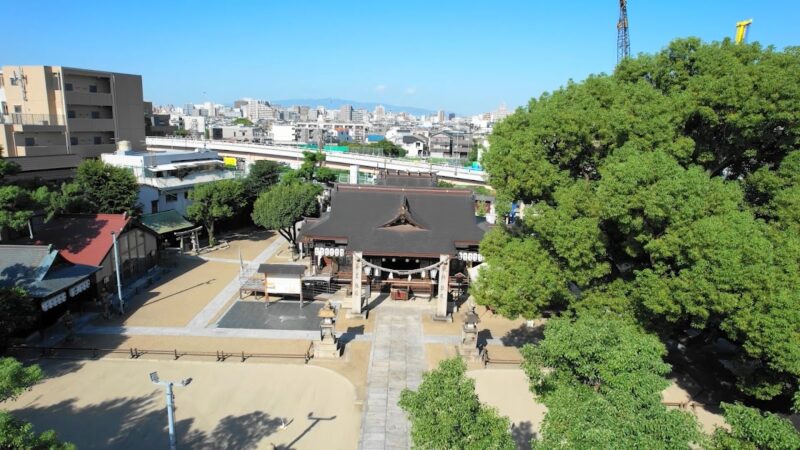
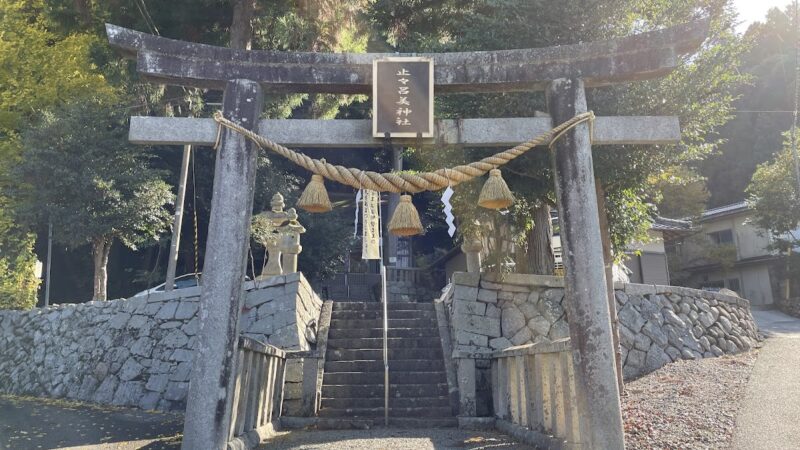
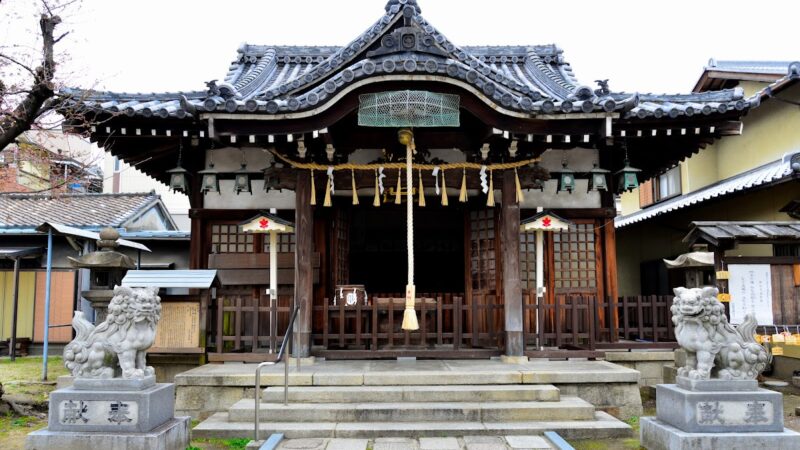
Sugawara Shrines (Sugawara Jinja) are a general term for shrines dedicated to Sugawara no Michizane, a scholar and politician of the Heian period. Also known as Tenjin Shrines or Tenmangu Shrines, there are said to be approximately 12,000 of them throughout Japan. Due to his outstanding scholarship and sincere character, Sugawara no Michizane is widely revered as the “god of learning,” and even today, he receives deep reverence from students, those seeking academic improvement, and others.
About Sugawara no Michizane
Sugawara no Michizane (845-903) was a leading scholar, Chinese poet, and politician of the Heian period. He displayed exceptional talent from a young age, becoming a Doctor of Literature at a young age and rising to the position of Minister of the Right. However, due to slander from his political rival, Fujiwara no Tokihira, he was demoted and exiled to Dazaifu, where he died in deep sorrow.
After Michizane’s death, Kyoto was plagued by natural disasters and epidemics, which were feared to be caused by his vengeful spirit. The imperial court built Kitano Tenmangu Shrine to appease Michizane’s spirit and enshrined him as Tenjin. Eventually, the belief shifted from that of a vengeful spirit to that of a god of learning and literature, establishing his current reputation as the “god of learning.”
Major Sugawara Shrines Across Japan
Numerous Sugawara shrines exist throughout Japan. Here, we introduce some of the major Sugawara shrines with particularly long histories and deep local devotion.
Sugawara Shrine (Machida City, Tokyo)
Located in Machida City, Tokyo, Sugawara Shrine enshrines Sugawara no Michizane, widely known as the god of learning and arts, as its main deity. Since ancient times, it has been revered by many people in Machida City and the surrounding areas as one of the “Three Tenjin Shrines of Machida,” along with Machida Tenmangu Shrine in Haramachida and Tenjin Shrine in Minami-Otani.
The shrine accepts various prayers for important life events such as New Year’s visits, baby blessings, Shichi-Go-San (a traditional rite of passage for children), and prayers for passing exams, and is cherished as the local guardian deity. The shrine grounds are surrounded by a lush, sacred grove, offering a tranquil space away from the hustle and bustle of the city.
Sugawara Shrine (Sakai City, Osaka Prefecture)
Located in Sakai City, Osaka Prefecture, Sugawara Shrine is a historical shrine whose origins are said to date back to 997 (Chōtoku 3), when Tenjin Shrine was founded. Known affectionately as “Sakai Tenjin,” this shrine enshrines not only Sugawara no Michizane, the god of learning, but also Ebisu, the god of business prosperity, and Shennong, the god of healing and cancer prevention.
Known as the foremost “Ebessan” in southern Osaka and the oldest “Shennong-san” in Japan, it attracts worshippers seeking various blessings necessary for life, including academic success, business prosperity, and good health. Legend says it originated from the enshrinement of a wooden statue made by Sugawara no Michizane himself, which drifted ashore on Sakai Beach.
Sugawara Shrine (Kitakyushu City, Fukuoka Prefecture)
Located in Kokura, Kitakyushu City, Fukuoka Prefecture, Sugawara Shrine is an ancient shrine whose founding dates back 1100 years to the Heian period. As the tutelary shrine of Kokura, it is affectionately known as “Kokura’s Tenjin-sama” by the local people.
This shrine is worshipped not only as the god of learning but also as a god of protection against misfortune, and prayers for warding off evil and protection from negative influences are offered. As a shrine that has walked hand in hand with the history of Kokura Castle town, it serves as a cultural and spiritual pillar of the region.
Sugawara Shrine (Matsukawa Town, Nagano Prefecture)
Located in Matsukawa Town, Nagano Prefecture, Sugawara Shrine is known for its efficacy in granting success in exams, to the point that it’s said “no child in the area has failed an exam.” It is said to have a mysterious connection to Dazaifu Tenmangu Shrine and Kitano Tenmangu Shrine, and many students and their families visit to pray.
As a shrine specializing in prayers for success in exams, it attracts worshippers from all over the country during exam season, and offers amulets and charms for passing exams. Located in a quiet mountain area, it provides a peaceful environment for prayer.
Sugawara Shrine (Iga City, Mie Prefecture – Ueno Tenjin-gu Shrine)
Located in Iga City, Mie Prefecture, Sugawara Shrine is affectionately known as “Ueno Tenjin-gu Shrine.” As the guardian shrine of Ueno, the parishioners living in the area hold festivals throughout the seasons, praying for peace in the region and the well-being of the parishioners, as well as giving thanks for the blessings of each season.
Located in the heart of the castle town of Iga-Ueno, it continues to preserve the local culture along with the historical streetscape. The autumn grand festival, the “Ueno Tenjin Festival,” is held and is nationally known as a traditional event registered as a UNESCO Intangible Cultural Heritage.
Sugawara Shrine (Joetsu City, Niigata Prefecture)
Sugawara Shrine, located in Sugawara, Kiyosato Ward, Joetsu City, Niigata Prefecture, is an ancient shrine said to have been established in 675 AD. Within the shrine grounds is the Sugawara Kofun (a Niigata Prefecture designated historical site), a keyhole-shaped burial mound (approximately 30 meters in length), indicating that this area has been a sacred place since ancient times.
With its high historical value, the shrine offers prayers for academic success and passing exams, and continues to welcome many worshippers as a center of local faith.
Sugawara Shrine (Kami, Hirano Ward, Osaka Prefecture – Hojo Tenjin)
Located in Kami-Kurasaku, Hirano Ward, Osaka City, Osaka Prefecture, Sugawara Shrine is known as “Hojo Tenjin.” It has been widely worshipped not only as a deity of academic success, but also as a deity of protection against evil spirits, safeguarding travel and relocation.
Its distinctive feature is the Hojo prayer, which involves divining the auspiciousness or inauspiciousness of directions and offering protection against misfortune during travel or construction. Many people visit before moving, building a new house, or traveling.
Sugawara Shrine (Arahira Tenjin, Kanoya City, Kagoshima Prefecture)
Located in Kanoya City, Kagoshima Prefecture, Sugawara Shrine is affectionately known as “Arahira Tenjin.” The shrine is built on a rocky outcrop (Tenjin Island) jutting out into the sea along Prefectural Road 68, in a scenic location, and enshrines Sugawara no Michizane, the god of learning.
The shrine, which appears to float on the sea at high tide, is a popular scenic spot and is also known as a place to watch the first sunrise of the year. The mystical scenery created by the sea and the shrine captivates many worshippers and tourists.
Benefits of Sugawara Shrine
At Sugawara Shrine, you can receive various blessings through the divine virtues of Sugawara no Michizane.
Academic Success and Passing Exams
The most representative blessing is academic success and passing exams. Because Sugawara no Michizane was an excellent scholar, people from all over the country visit the shrine to pray for success in entrance exams, academic improvement, and passing qualification exams. During exam season, many students and their guardians receive prayers for success and are given amulets for passing exams.
Improvement in Arts and Literature
Because Michizane was also an excellent Chinese poet, the shrine is believed to bring blessings to those who wish to improve in artistic fields such as calligraphy, poetry, and literature. Calligraphers, writers, and artists also visit the shrine. ### Protection from Evil and Misfortune
Many Sugawara Shrines offer prayers for protection from evil and misfortune. Shrines known as “Hōyoke Tenjin” (protection from evil spirits) are particularly revered for their blessings of protection from evil influences, safe travel, and safe relocation.
Business Prosperity and Family Safety
Some Sugawara Shrines also enshrine other deities, such as Ebisu-no-Okami, offering blessings for business prosperity and family safety. Some shrines, like the Sugawara Shrine in Sakai City, are known as “Ebessan” and attract many worshippers seeking business prosperity.
Healing from Illness and Prayer for Good Health
Shrines that enshrine Shennong-no-Okami are also revered for their blessings of healing from illness and protection against cancer. Many visitors come to pray for good health and longevity.
How to Worship at Sugawara Shrine
Here are some basic manners for worshipping at Sugawara Shrine.
Basic Etiquette for Worship
- Bow Before Passing Through the Torii Gate: Before entering the shrine grounds, bow before the torii gate.
- Purify at the Water Basin: Purify your left hand, right hand, and mouth at the water basin in that order.
- Walking Along the Path: The center of the path is considered the path of the gods, so walk along the sides.
- Worship at the Main Hall: Worship using the two bows, two claps, and one bow ritual.
- Offering a Coin: Gently place your offering into the offering box.
- Ring the Bell: If there is a bell, ring it to inform the gods of your visit.
- Two Bows, Two Claps, One Bow: Bow deeply twice, clap twice, and finally bow deeply once.
Receiving a Prayer
If you wish to receive a prayer, please apply at the shrine office. While reservations are not required at most shrines, it is recommended to call ahead to confirm availability during busy periods such as New Year’s or exam season.
The prayer fee (offering) varies depending on the shrine, but is generally around 5,000 to 10,000 yen. Upon receiving a prayer, you will receive items such as amulets and talismans.
How to Obtain a Goshuin (Shrine Seal)
If you wish to receive a Goshuin, leave your Goshuincho (stamp book) at the shrine office and receive it after your visit. The offering fee is generally around 300 to 500 yen. If you do not have a Goshuincho, you can purchase one at the shrine.
Annual Events at Sugawara Shrine
Sugawara Shrine holds various festivals and events throughout the year.
New Year’s Visit (January 1st-3rd)
At the start of the new year, many worshippers visit Sugawara Shrine for their first shrine visit of the year, praying for peace throughout the year, academic success, and passing exams. The New Year’s Day Festival and the Saitansai Festival are held, welcoming the start of the new year together with the gods.
Setsubun Festival (Around February 3rd)
The Setsubun Festival involves bean-throwing, a popular event for warding off evil and inviting good fortune. Many shrines hold the bean-throwing ceremony with the chant of “Good fortune in, demons out!”, and worshippers can also receive lucky beans.
Plum Blossom Festival (Late February-Early March)
Because Sugawara no Michizane loved plum blossoms, many Sugawara Shrines have plum trees planted, and the Plum Blossom Festival is held during the plum blossom season. The plum blossoms in the shrine grounds bloom beautifully, allowing visitors to feel the arrival of spring.
Annual Grand Festival (Autumn)
The annual grand festival, the most important festival at each Sugawara Shrine, is held in the autumn at many Sugawara Shrines. It includes a portable shrine procession and dedication ceremonies, bringing together local people to express their gratitude to the gods.
Tenjin Festival
Some Sugawara Shrines hold the Tenjin Festival in July or autumn. Some, like the Ueno Tenjin Festival in Iga City, are traditional festivals registered as UNESCO Intangible Cultural Heritage, serving as venues for the preservation of local culture.
Prayer Festival for Success in Exams (Exam Season)
During exam season, a prayer festival for success in exams is held, attracting many students and their guardians. Special prayers and amulets are offered, praying for the success of the students.
Items Offered at Sugawara Shrine
Sugawara Shrine offers a variety of items.
Amulets
- Success Amulet: An amulet for wishing success in exams, and the most popular item offered.
- Academic Achievement Amulet: An amulet for wishing for improved academic performance and grades.
- Exorcism Amulet: An amulet for warding off evil and misfortune.
- Traffic Safety Amulet: An amulet for wishing for safe travels.
- Health Amulet: An amulet for wishing for good health, longevity, and recovery from illness.
Amulets
Amulets for enshrining in the household shrine are also available. These include amulets for passing exams, academic achievement, and family safety.
Ema (Votive Tablets)
Ema, on which people write their wishes and offer them, are also popular. Especially during exam season, many ema are offered for praying for success.
Goshuincho (Stamp Books)
Original goshuincho (stamp books) from the shrine are also available. Many beautiful goshuincho featuring designs of Sugawara no Michizane and plum blossoms can be found.
Access and Visiting Information for Sugawara Shrines
Access methods and visiting information for each Sugawara Shrine vary depending on the shrine. ### Visiting Hours
While most Sugawara Shrines allow free entry to the grounds, the shrine office is generally open from 9:00 AM to 4:00 PM or 5:00 PM. If you wish to receive prayers, it is recommended to check the shrine’s official website or call them in advance.
Parking
Many shrines have parking lots for visitors, but spaces may be limited. During busy periods such as New Year’s Day or annual festivals, using public transportation is recommended.
Access Methods
Access to each shrine is by bus, taxi, or on foot from the nearest station. Please check the shrine’s official website for details.
Guidelines for Visiting Sugawara Shrines
When visiting a Sugawara Shrine, please note the following:
Attire
Casual clothing is acceptable, but if you are receiving prayers, clean and subdued attire is preferred. Avoid overly casual clothing such as shorts and sandals.
Photography
Photography is generally permitted within the shrine grounds, but photography inside the main hall or during religious ceremonies may be prohibited. Please check before taking photos or follow the signs.
Respect
Shrines are sacred places. Please pray quietly without speaking loudly or running around.
Pets
Many shrines prohibit pets. Please check in advance.
Sites Associated with Sugawara no Michizane
When visiting Sugawara Shrine, why not also visit sites associated with Sugawara no Michizane?
Dazaifu Tenmangu Shrine (Fukuoka Prefecture)
This is the head shrine of Tenmangu shrines, built in Dazaifu, the place where Sugawara no Michizane was exiled and died. The shrine is built on top of Michizane’s tomb, and many worshippers come from all over Japan.
Kitano Tenmangu Shrine (Kyoto Prefecture)
This is the head shrine of Tenmangu shrines located in Kyoto, founded in 947. Built to appease the vengeful spirit of Sugawara no Michizane, it is now widely worshipped as the god of learning. It is also known as a famous spot for plum blossoms and autumn leaves.
Hofu Tenmangu Shrine (Yamaguchi Prefecture)
Known as the first Tenmangu shrine in Japan, it was built on the site where Michizane stopped on his way to Dazaifu.
Summary
Sugawara shrines, dedicated to Sugawara no Michizane, the god of learning, are deeply revered throughout Japan. People visit not only to pray for success in exams and academic achievement, but also for various other wishes such as protection from evil, business prosperity, and good health.
Each Sugawara shrine has its own unique history and characteristics, playing an important role as a center of local culture and faith. Various festivals and events are held throughout the year, not just during exam season, allowing visitors to enjoy the changing seasons.
When visiting a Sugawara shrine, it is important to observe the correct worship etiquette and offer prayers with sincerity. We sincerely pray that your wishes will be granted through the divine grace of Sugawara no Michizane.
Even in the Reiwa era, Sugawara Shrine continues to be cherished by many as a center of learning and culture, and as a spiritual pillar of the local community. Please visit your nearest Sugawara Shrine and experience its history, tradition, and sacred atmosphere.