
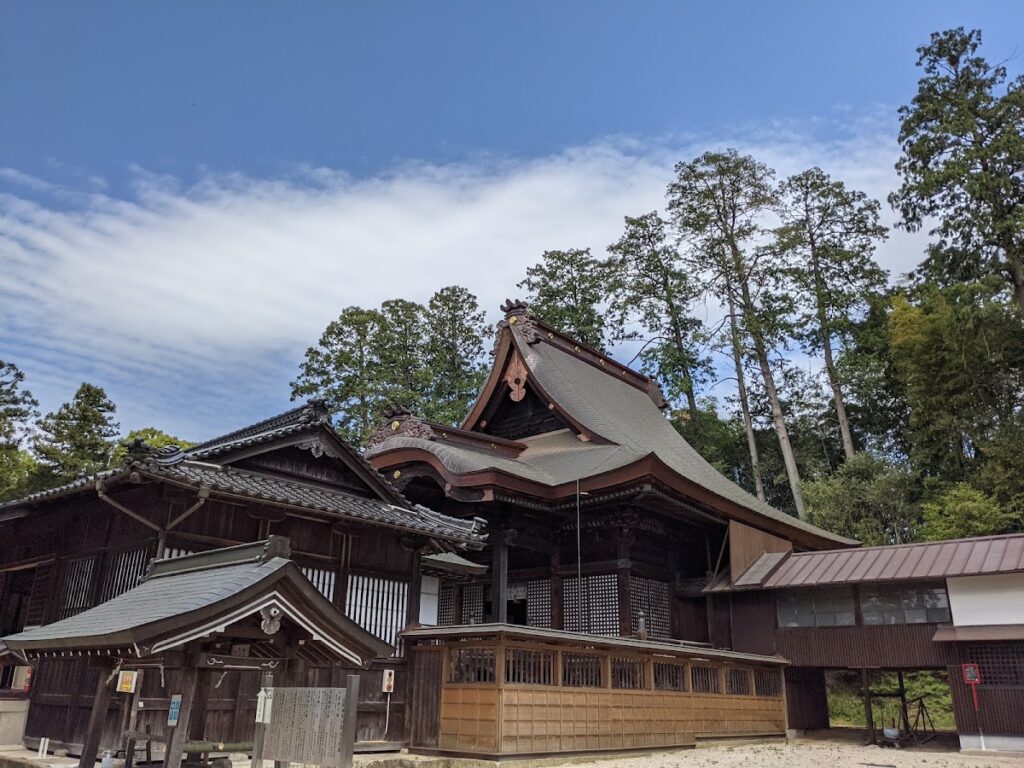
Complete Guide to Takano Shrines: A Thorough Explanation of the History, Deities, and Blessings of Takano Shrines Nationwide
There are several shrines named “Takano Shrine” throughout Japan, each with its own unique history and beliefs. This article focuses on the particularly famous Takano Shrines in Ritto City, Shiga Prefecture, Tsuyama City, Okayama Prefecture, and Sanmu City, Chiba Prefecture, providing detailed explanations of each shrine’s characteristics, enshrined deities, blessings, and access information.
What are Takano Shrines?
Takano Shrines are shrines located throughout Japan, with different enshrined deities and founding histories depending on the region. Many derive their name from the place name “Takano,” and have long been revered in their respective regions. Notable Takano Shrines include the Shikinaisha (shrine listed in the Engishiki) in Ritto City, Shiga Prefecture, the Mimasaka Province’s Second Shrine in Tsuyama City, Okayama Prefecture, and the Shrine of Abundant Harvest in Sanmu City, Chiba Prefecture.
Takano Shrine, Ritto City, Shiga Prefecture
Deities and History
Takano Shrine, located in Ritto City, is a Shikinaisha (a shrine listed in the Engishiki Jinmyocho, an ancient Japanese legal code). While the exact founding date is unclear, shrine tradition states it was established in 708 AD during the reign of Empress Genmei. As the main shrine of Takano-sho, it has served as a central place of worship for the region.
This shrine is also known as “Yukishiro-no-miya.” Its origin is said to stem from the fact that three bundles of new rice were offered from this area as tribute during the Daijō-e (Great Thanksgiving Festival) in 806 AD as part of the Yuki region. The shrine is also mentioned as “Takano Yukishiro-no-kami” in the Sōgen Senji (an imperial decree) of 1483, and it is a highly prestigious shrine that received the title of Daimyōjin (Great Deity) from the Yoshida family by imperial decree of Emperor Tsuchimikado.
Shrine Information and Highlights
Takano Shrine in Ritto City is located in the historic Takano-sho area and continues to uphold ancient beliefs. The shrine grounds feature historically significant buildings, reflecting the deep faith of the local residents. It holds the status of an Engishiki-listed shrine and is known as one of the most important shrines in Shiga Prefecture.
Prayers and Annual Events
Takano Shrine in Ritto City accepts various prayers, including those for family safety, business prosperity, and protection from evil. Various festivals are held throughout the year, making it a central place of worship for the local community. They also offer off-site ceremonies, including ground-breaking ceremonies.
Access Information
Located in Takano, Ritto City, Shiga Prefecture, it is easily accessible via the JR Biwako Line and the Meishin Expressway. For detailed access information, please check the official website.
Access Information ## Takano Shrine (Second Shrine of Mimasaka Province), Tsuyama City, Okayama Prefecture
History as one of the Three Great Shrines of Mimasaka
Takano Shrine, located in Ninomiya, Tsuyama City, Okayama Prefecture, is one of the three great shrines of Mimasaka Province, boasting a history of approximately 1500 years. It is a candidate for a Shikinaisha (a shrine listed in the Engishiki, an ancient Japanese legal code) and, as the second shrine of Mimasaka Province, has long been a center of local faith. Its former shrine rank was Prefectural Shrine, and it is positioned as an important shrine in the Mimasaka region.
Located in the western part of Tsuyama City, it sits in a scenic location with Mount Kami to the northwest, Mount Sarayama of Kume to the south, and overlooking the Yoshii River.
Deities and Beliefs
The main deity enshrined here is Hikonagisatakeugayafukiaezu-no-Mikoto, the father of Emperor Jimmu. In the auxiliary shrines are Kagami-tsukuri-no-Kami, the main deity of Nakayama Shrine, and Ōkuninushi-no-Mikoto, the main deity of Mimasaka Sōsha-gū.
Takano Shrine is known as a rare shrine in Japan that enshrines a “god of night crying,” and is believed to have special efficacy in stopping babies from crying at night.
Place of Origin and Onokoro Stone
The place of origin of Takano Shrine is said to be the Onokoro Stone in Yoshiigawara. It is believed that distant ancestors performed devout rituals at this site, which they considered an iwasaka (sacred rock formation). This tradition speaks to the depth of the shrine’s ancient faith.
Benefits and Prayers
Takano Shrine in Tsuyama City is believed to offer the following benefits:
- Prayer for Safe Childbirth: Prayers for safe childbirth and the health of mother and child.
- Stopping Baby’s Night Crying: Worshipped as a rare deity of night crying nationwide.
- Shichi-Go-San (7-5-3 Festival): Prayers for the healthy growth of children.
- Prayer for Success in Exams: Prayers for academic success and passing exams.
- Family Safety: Prayers for the peace and happiness of the family.
The shrine is particularly revered by families praying for the healthy growth of their children, and many worshippers visit from within and outside the prefecture.
Access Information
Get off at Innosho Station on the JR Kishin Line, and walk approximately 500 meters east along the old road. If taking the bus, it is convenient to get off at the Takano Shrine Torii Gate stop. Located in Ninomiya, Tsuyama City, it is one of the shrines you should definitely visit when visiting the Mimasaka region.
Takano Shrine, Sammu City, Chiba Prefecture
Founding and History
Takano Shrine, located in Sammu City, Chiba Prefecture, was founded in 807 AD (Daido 2) during the reign of Emperor Amagi (Emperor Saga) at the northern edge of the former Matsuo Town (present-day Sammu City). It is an ancient shrine with a history of over 1200 years.
Its former name was “Shisho Daimyojin,” and in March 1857 (Ansei 4), it was granted the name Takano Shrine. Since then, grand festivals have been held annually.
Deities Enshrined
Takano Shrine in Sanmu City enshrines the following six deities:
- Amaterasu Omikami: Ancestral deity of the Imperial Family, tutelary deity of all Japanese people
- Susanoo-no-Mikoto: God of protection against misfortune and agriculture
- Tarashinakatsuhiko-no-Mikoto: Emperor Chuai
- Ichikishima-hime-no-Mikoto: Benzaiten, goddess of water
- Mizuhanome-no-Mikoto: Goddess of water
- Oyamakui-no-Mikoto: God of mountains
Abundant Harvest and Dedicatory Kagura Dance
Takano Shrine is a shrine that attracts local faith as a place to pray for abundant harvests and family safety. Currently, traditional votive Kagura (sacred dance) has been revived, and the annual festival is held on a grand scale. A lantern inscribed with “Matsutama” (pine spirit) stands in front of the shrine, reflecting the deep faith of the local residents.
Access Information
Located in Sammu City, Chiba Prefecture, it is also known as a tourist spot in Sammu City. When visiting Sammu City, we recommend visiting this shrine to experience the local history and culture.
Other Koyasan Shrines
Koyasan Shrine in Katsuragi Town, Wakayama Prefecture
A Koyasan Shrine is also located in Katsuragi Town, Ito District, Wakayama Prefecture. It is a region close to Mount Koya and has deep ties to Shingon Esoteric Buddhism.
Koyasan Shrines in Various Regions
Besides the above, Koyasan Shrines exist throughout Japan. Each region has its own unique history and beliefs, serving as a spiritual anchor for local residents.
Etiquette for Visiting Takano Shrine
Basic Worship Method
The basic etiquette for visiting a shrine is as follows:
- Bow before passing through the torii gate: A courtesy before entering the sacred area.
- Purify yourself at the water basin: Purify your left hand, right hand, and mouth in that order.
- Walk along the edge of the path: The center is considered the path of the gods.
- Etiquette in front of the main hall: Two bows, two claps, and one bow is the basic procedure.
About Goshuin (Shrine Seals)
Many Takano shrines offer goshuin. You can receive a goshuin as a memento of your visit and to deepen your connection with the shrine. Bring your goshuincho (seal book) and request one at the shrine office after your visit.
Summary of the Benefits of Takano Shrine
Takano Shrines throughout Japan are believed to offer the following benefits:
Common Benefits
- Family Safety: A basic benefit that can be prayed for at all Takano Shrines.
- Abundant Harvest: A belief in the god of agriculture.
- Protection from Misfortune: A prayer for protection from disaster and peace.
Unique Benefits
- Stopping Night Crying (Tsuyama City): A rare benefit nationwide related to babies crying at night.
- Prayer for Safe Childbirth (Tsuyama City): A prayer for safe childbirth and the health of mother and child.
- Child Growth (Tsuyama City): A prayer for the healthy growth of children, such as for Shichi-Go-San (a traditional Japanese rite of passage for children).
- Prayer for Success in Exams (Tsuyama City): A prayer for academic success and passing exams.
Takano Shrine and Local Culture
Center of Local Faith
Takano Shrines have long been the center of faith in their respective regions. Many shrines in the area hold high status, such as those listed in the Engishiki (ancient Japanese legal code) or designated as the second-ranked shrine of a country, making them important for understanding the history and culture of the region.
Festivals and Local Communities
Various festivals are held throughout the year at each Takano Shrine, playing a role in strengthening the bonds of the local community. Events such as the Spring Festival, Autumn Festival, and Grand Festival provide important opportunities for local residents to gather and pass on traditional culture to future generations.
Points to Note When Visiting Takano Shrines
Visiting Hours
Most shrines are open for daytime visits. Reception hours at the shrine office vary by shrine, so it is recommended to check in advance if you wish to receive prayers or a Goshuin (shrine stamp).
Dress Code
There are no specific dress code requirements for visiting shrines, but please be mindful that it is a sacred place and dress cleanly and respectfully. For those receiving prayers, more formal attire is desirable.
Photography
Photography is generally permitted on the shrine grounds, but there are areas and times when photography is prohibited, such as inside the main hall or during Shinto rituals. If unsure, please check with the shrine staff.
Accessing Takano Shrines
Using Public Transportation
Each Takano shrine can be accessed by public transportation such as trains and buses. However, some shrines may require walking from the nearest station or bus stop.
Access by Car
Many shrines have parking facilities, but they can become crowded during festivals. Especially during New Year’s visits and annual festivals, consider using public transportation.
Visiting Multiple Shrines
In some regions, “shrine pilgrimages” or “Goshuin stamp pilgrimages” are organized, allowing you to visit multiple shrines efficiently. For example, in the Tsuyama area, events such as the “Spring Tsuyama Goshuin Pilgrimage” are sometimes held, allowing you to efficiently visit several shrines.
Takano Shrine and Seasonal Events
Spring Events
Many shrines hold their annual festivals and spring festivals in spring, often coinciding with cherry blossom season, offering beautiful scenery for worshippers. Many visitors come to pray for family safety and academic success, coinciding with the start of the new fiscal year.
Autumn Events
In autumn, festivals are held to give thanks for the harvest, celebrating a bountiful harvest. Traditional performing arts such as Kagura (sacred dance) are sometimes performed, providing a good opportunity to experience local culture.
New Year’s Visit
Many worshippers visit the shrine for their first shrine visit of the new year. The tradition of praying for safety and happiness throughout the year and welcoming the new year at the shrine continues to be passed down to many people today.
Shrines and Related Facilities Managed by Takano Shrine
Shrines Managed by Other Shrines
Some major Takano shrines also manage smaller surrounding shrines. Visiting these shrines as well allows for a deeper understanding of local beliefs. ### Related Facilities
Takano Shrine in Ritto City also has a related facility called Matsugen-in, which preserves the history of the syncretism of Shinto and Buddhism. Visiting such related facilities allows for a more comprehensive understanding of the shrine’s history.
Summary: The Charm of Takano Shrine
Takano Shrines, scattered throughout Japan, each possess their own unique history and beliefs, and have played an important role as centers of regional culture. From the Shikinaisha (a shrine listed in the Engishiki) in Ritto City, Shiga Prefecture, to the shrine in Tsuyama City, Okayama Prefecture (the second-ranked shrine of Mimasaka Province, known as the god of night crying), and the shrine in Sanmu City, Chiba Prefecture (a shrine for abundant harvests), each Takano Shrine has its own distinctive blessings and charms.
Takano Shrines, which have received people’s wishes for family safety, the healthy growth of children, and abundant harvests, remain a spiritual haven for many worshippers even today. Visiting Takano Shrines allows you to experience Japanese traditional culture and regional history through their historic shrine buildings, beautiful natural environments, and locally rooted festivals.
When visiting various Koyasan shrines, understanding the unique history and characteristics of each shrine and offering heartfelt prayers will lead to a deeper sense of spiritual fulfillment. We recommend checking access information and visiting hours in advance and planning your visit accordingly.

