Complete Guide to Udo Shrine | A Mysterious Cave Shrine Perched on a Cliff Overlooking the Hyuga Sea
About Udo Shrine
Udo Shrine is a shrine located in Nichinan City, Miyazaki Prefecture. It is an extremely rare type of shrine, with its main hall situated within a cave on a cliff overlooking the Hyuga Sea. Formerly a Grand Imperial Shrine, it is currently designated as a Special Shrine by the Association of Shinto Shrines.
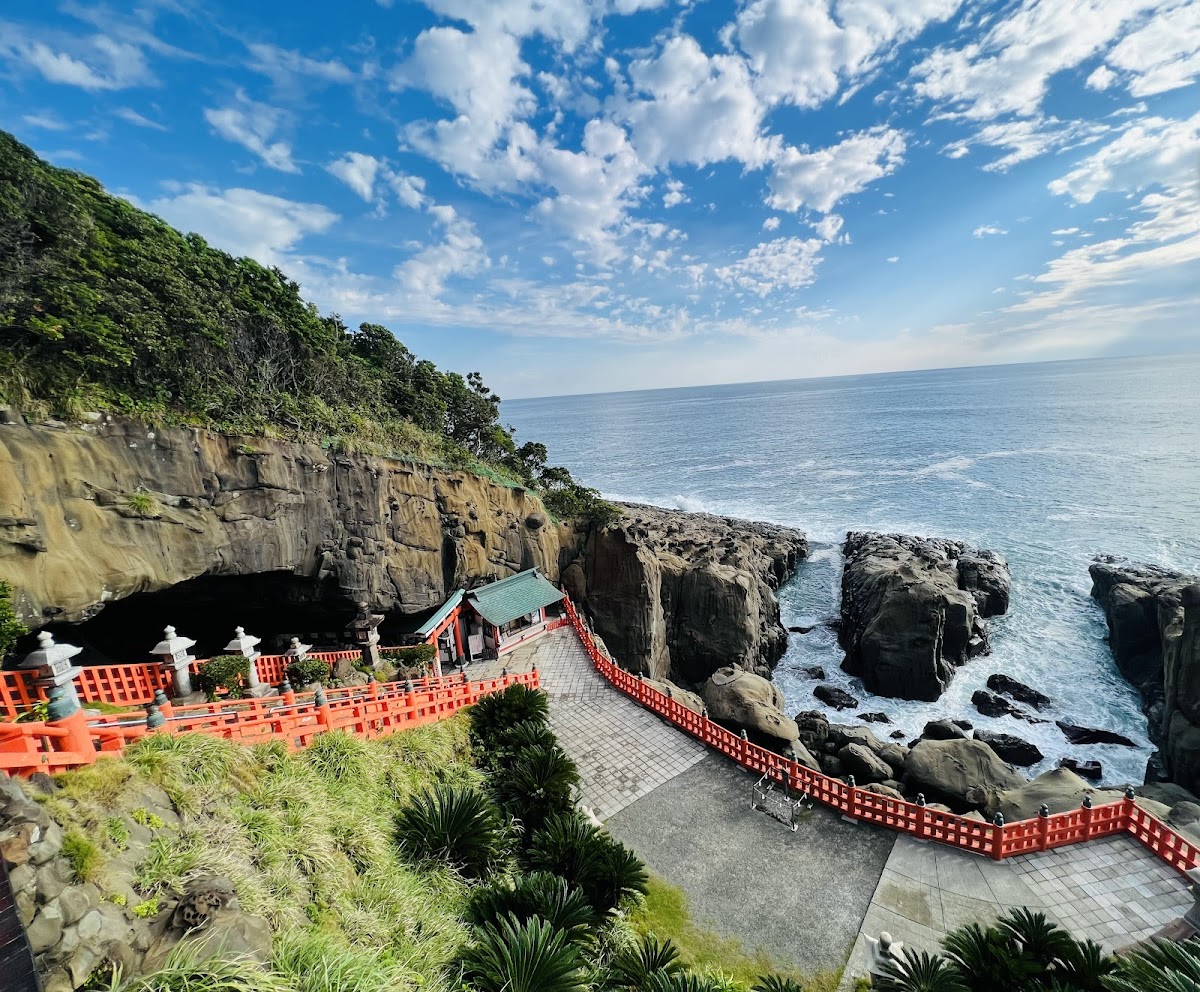
The brightly colored vermilion main hall is enshrined within a rock cave (sea cave) measuring 38m east-west, 29m north-south, and 8.5m high, at the tip of Udozaki Cape, which juts out into the Pacific Ocean. Because visitors must descend stone steps built along the cliff to worship, it is called “Shimo-miya” (descending shrine). This location, in contrast to typical shrines situated on mountaintops or high ground, is extremely rare throughout Japan.
Locally known affectionately as “Udo-san,” this shrine is the most famous in southern Miyazaki Prefecture, attracting many worshippers throughout the year. In 2017, it was designated a National Place of Scenic Beauty, officially recognizing its scenic value.
Origin and History of the Shrine Name
Origin of the Shrine Name
The name “Udo” originates from a birth story in Japanese mythology. Legend says that when Toyotama-hime no Mikoto, the daughter of the sea god, gave birth to Yamasachi-hiko’s child, she began labor before the roof of the birthing hut was finished being thatched with cormorant feathers. This legend gives rise to the name “Udo,” meaning “a birthing hut thatched with cormorant feathers.”
Founding and History
Udo Shrine is said to have been founded during the reign of Emperor Sujin, the tenth emperor of Japan, making it a very ancient shrine. It is believed to have been founded in a cave on Udo Cape, the birthplace of the main deity, Hikonagisatakeugayafukiaezu-no-Mikoto, with six great deities enshrined within.
In 782 AD (Enryaku 1), when the Tendai Buddhist monk Kokibo Kaikyu rebuilt the shrine, he also established a temple, and it is said that Emperor Kanmu bestowed upon it the imperial title of “Udo-san Daigongen Abira-san Ninno Gokoku-ji.” From this period until the Meiji-era separation of Shinto and Buddhism, it attracted worshippers in a form of syncretism between Shinto and Buddhism.
After the Meiji Restoration, in 1874 (Meiji 7), the shrine was renamed “Udo Shrine,” and in 1915 (Taisho 4), it was elevated to the rank of Kanpei Taisha (Grand Imperial Shrine). In 1965 (Showa 40), it was renamed to its current name, “Udo Jingu.” Kanpei Taisha refers to shrines that received offerings (heihaku) from the Imperial Court and the state in pre-war Japan, indicating their high status.
Deities Enshrined
Main Deity
The main deity enshrined at Udo Jingu is Hikonagisatakeugayafukiaezu no Mikoto. This deity is a child born in Japanese mythology to Yamasachihiko (Hikohodemi no Mikoto) and Toyotamahime no Mikoto, the daughter of the sea god, and is the father of Emperor Jimmu, the first emperor of Japan.
The name “Ugayafukiaezu” (鸕鷀草聺不合) originates from the fact that the baby was born before the roof of the birthing hut could be thatched with cormorant feathers, as mentioned earlier. This deity is widely worshipped as the god of safe childbirth, child-rearing, and matchmaking.
Enshrined Deities
Along with the main deity, the following deities are enshrined:
- Amaterasu Omikami – The supreme deity of Japanese mythology
- Hikohodemi no Mikoto – Yamasachihiko, the father of the main deity
- Toyotamahime no Mikoto – The mother of the main deity, daughter of the sea god
- Shiozutsu no Okami – The god who controls the ebb and flow of the tides
- Tamayorihime no Mikoto – Toyotamahime no Mikoto’s younger sister, mother of Emperor Jimmu
These deities are important figures related to the Japanese myth of Umisachi and Yamasachi, and Emperor Jimmu’s eastern expedition, demonstrating the deep connection between Udo Shrine and Japan’s founding myths.
Highlights of the Shrine Grounds
Main Shrine (Cave Shrine)
The most distinctive feature of Udo Shrine is that its main shrine is situated within a sea cave on the side of a cliff facing the Hyuga Sea. The cave covers approximately 1,000 square meters, and a vividly colored vermilion main shrine is built within it.
Looking down from the Taiko Bridge, one can enjoy a panoramic view of the main shrine, nestled in the cave beside the sheer cliff face, right at the edge of the sea. The mystical space within the cave, where the sound of waves resonates, deeply moves visitors.
The Descending Path to the Shrine
Udo Shrine is known as a “descending shrine,” meaning that visitors must descend a stone staircase built along the cliff face to worship. Since most shrines require climbing a mountain to worship, this “descending” style is extremely rare throughout Japan.
As you descend the stone steps, you can admire the magnificent scenery of the Hyuga Sea, making the approach to the shrine itself a sight to behold. Since you need to climb back up the same steps after praying, those who are not confident in their physical strength are advised to allow ample time for their visit.
Lucky Ball Throwing and Turtle Stone
The most popular experience at Udo Shrine is “Lucky Ball Throwing.” There is a custom of throwing unglazed earthenware lucky balls into a hollow in a rock called “Turtle Stone” located on the shore in front of the main shrine.
There is a specific way to throw them: men should throw with their left hand, and women with their right hand. It is said that if the lucky ball lands in the hollow of the Turtle Stone, your wish will come true, and many worshippers try their luck.
The Turtle Stone has a legend that it is the stone of a turtle that Toyotama-hime rode on during childbirth, and it is considered a symbol of safe childbirth and fertility.
Milk Rock
Inside the cave is a strangely shaped rock called “Milk Rock.” This place is named after the way the clear water drips from the rock face, resembling breast milk. Legend says that the milk left behind by Toyotama-hime for her child seeps from the rock.
The “milk candy” made from this water is a famous specialty of Udo Shrine, believed to bring good fortune in childbirth and improve breast milk production, and is sought after by many pregnant women and breastfeeding mothers.
Shanshan Horses
In the past, horses called “Shanshan Horses” were used for worshippers on the approach to Udo Shrine. These were provided for worshippers who had difficulty descending the steep stone steps, and were named after the “shan-shan” sound of the horses’ bells.
Although they are no longer in operation, they remain a memorable element in the history of Udo Shrine.
Shrine Precincts
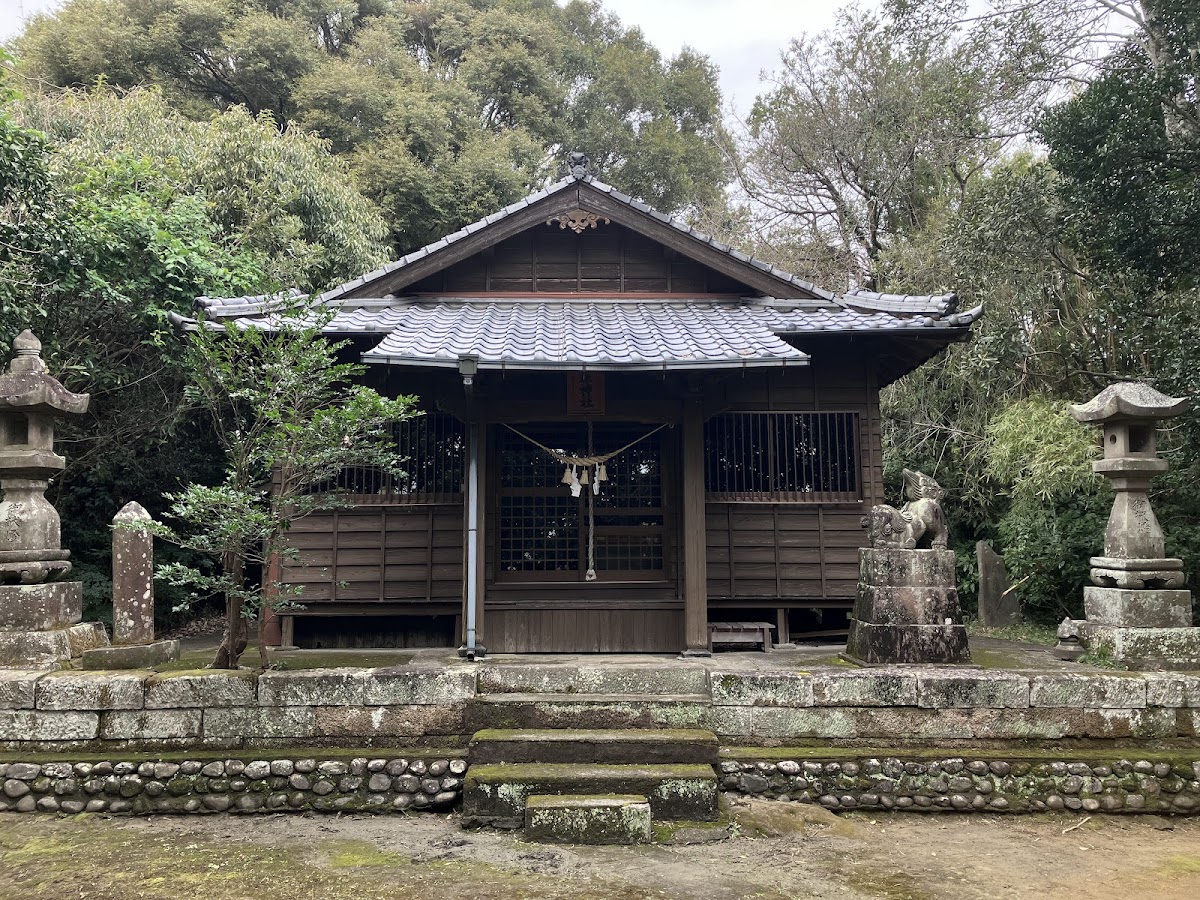
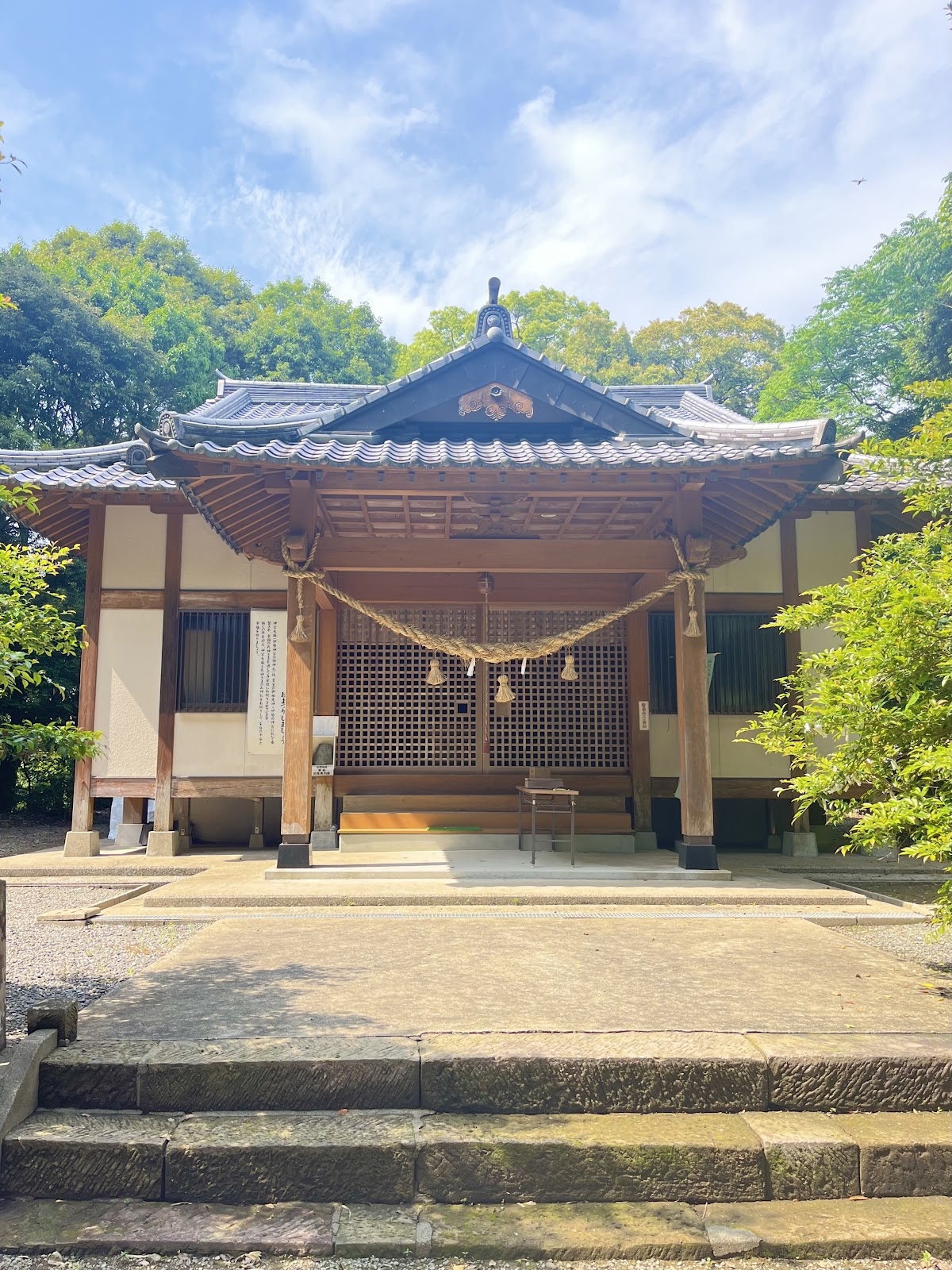
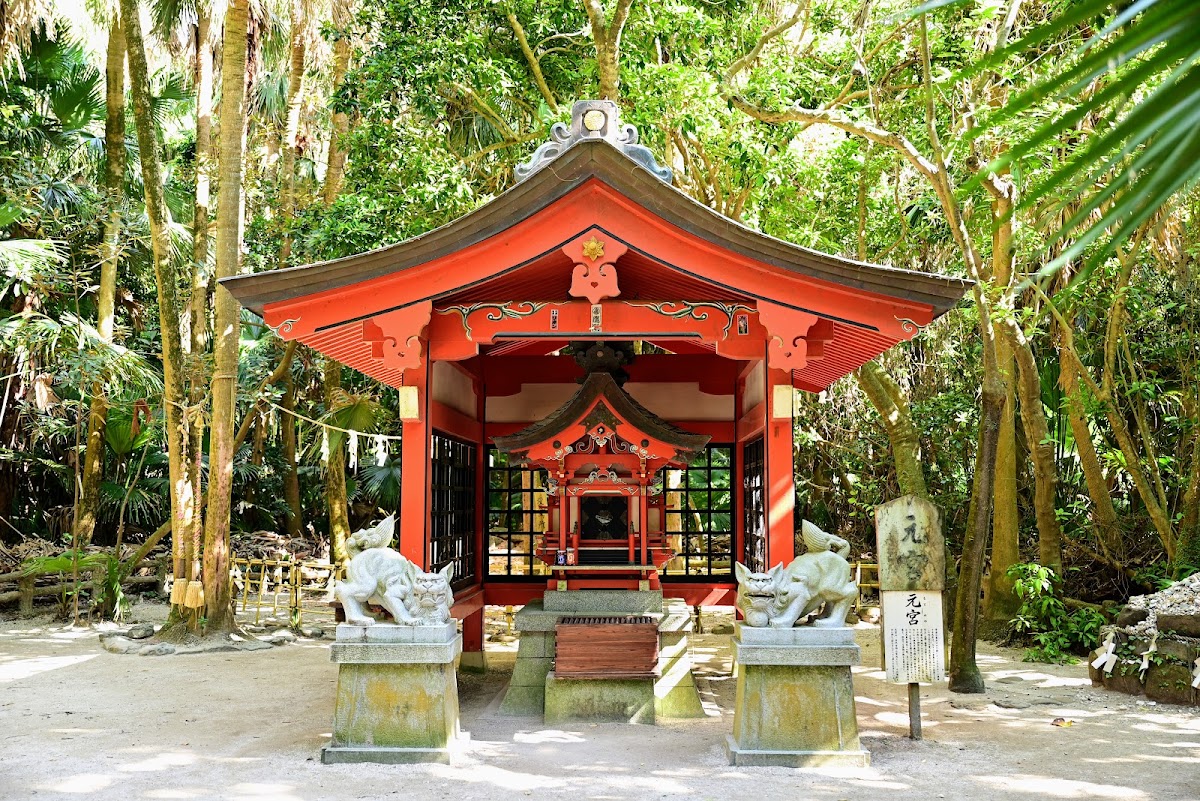
In addition to the main shrine, several smaller shrines are located within the grounds of Udo Shrine.
Inari Shrine
This is a shrine within the grounds of Udo Shrine dedicated to Inari, the god of business prosperity and abundant harvests. It is located along the path leading to the main shrine.
Hayahinomine
This sacred mountain, located within the grounds of Udo Shrine, has been an object of worship since ancient times. From the summit, you can enjoy a magnificent view of the Hyuga Sea.
Aihira-sanjo Mausoleum Worship Site
This is a place for worshipping Aihira-sanjo Mausoleum, believed to be the mausoleum of the main deity, Hikohasagitakeugayafukiaezu-no-Mikoto. While the actual mausoleum is located in Kanoya City, Kagoshima Prefecture, it can be worshipped from Udo Shrine.
Shinto Rituals and Annual Events
Various Shinto rituals are performed at Udo Shrine throughout the year.
New Year’s Visit
During the first three days of the New Year, many visitors come from both within and outside Miyazaki Prefecture for their first shrine visit of the year. The shrine grounds are bustling with worshippers praying for safety and prosperity throughout the year.
Setsubun Festival
On February 3rd, the Setsubun Festival is held, featuring bean-throwing. Many worshippers gather for this traditional event, which is believed to invite good fortune and ward off evil spirits.
Spring Grand Festival
The Spring Grand Festival is held on the first Saturday of April and the day before. Traditional Shinto rituals, including the dedication of Kagura (sacred dance), are performed.
Shichi-Go-San Ceremony
Udo Shrine, revered as a deity of safe childbirth and child-rearing, is bustling with families for Shichi-Go-San (a traditional Japanese rite of passage for children) mainly in November. Many worshippers visit to pray for the healthy growth of their children.
Great Purification Ceremony
The Great Purification Ceremony is held on June 30th and December 31st to cleanse away the sins and impurities accumulated over the past six months. The ceremony at the end of the year is particularly important as it allows for a pure heart to welcome the new year.
Cultural Properties and Designated Scenic Spots
National Designated Scenic Spot
On October 13, 2017, Udo Shrine was designated a national scenic spot. Its unique landscape, with the shrine buildings nestled in a sea cave created by the rough waves of the Hyuga Sea, and its harmony with the surrounding natural environment, were highly praised.
The designated scenic spot area includes not only the cave where the main shrine is located, but also the approach to the shrine, the surrounding cliffs, and the coastline. The entire landscape of Udo Shrine is protected as having cultural value.
Miyazaki Prefecture Designated Cultural Properties
Several cultural properties designated by Miyazaki Prefecture also exist within the shrine grounds. These are precious legacies that tell the story of Udo Shrine’s long history and cultural value.
Access and Transportation Information
Location
3232 Miyaura, Nichinan City, Miyazaki Prefecture 887-0101
Access by Train
Get off at Ibi Station on the JR Nichinan Line, then take a bus or taxi for approximately 20 minutes. However, Ibi Station is an unmanned station with limited train service, so it is recommended to check the timetable in advance.
Access by Bus
From Miyazaki Station or Miyazaki Airport, take a Miyazaki Kotsu bus bound for “Nichinan/Obi” and get off at the “Udo Shrine” bus stop. The journey takes approximately 1 hour and 30 minutes from Miyazaki Station and approximately 1 hour from Miyazaki Airport.
During the tourist season, sightseeing buses also operate from Miyazaki Station and Aoshima, passing through Udo Shrine.
Access by Car
- From Miyazaki City: Approximately 50 minutes south on National Route 220 (Nichinan Coast Road)
- From Miyazaki Airport: Approximately 40 minutes via National Route 220
- From Kyushu Expressway “Miyazaki IC”: Approximately 1 hour
National Route 220, along the Nichinan Coast, is also known as the “Nichinan Phoenix Road,” offering a scenic drive along the beautiful coastline.
Parking
Udo Shrine has multiple parking lots:
- Parking Lot 1 (Free): Approximately 200 cars
- Parking Lot 2 (Free): Approximately 100 cars
During peak seasons such as the first three days of the New Year and Golden Week, parking lots can become crowded, so early arrival is recommended. Temporary parking lots may also be available.
Visiting Hours
- April-September: 6:00 AM – 7:00 PM
- October-March: 7:00 AM – 6:00 PM
*Hours may change due to religious ceremonies or weather.
Admission Fee
Free
Nearby Tourist Attractions
Nichinan Coast
Udo Shrine is one of the central tourist attractions on the Nichinan Coast. Visiting it along with Aoshima, Horikiri Pass, and Sunmesse Nichinan allows you to fully enjoy the charm of the Nichinan Coast.
Obi Castle Town
Obi, located about 20 minutes by car from Udo Shrine, is known for its historical townscape that retains the atmosphere of an Edo-period castle town. You can stroll around the ruins of Obi Castle and samurai residences.
Toi Cape
Toi Cape, famous for its wild Misaki horses, is located about 40 minutes by car from Udo Shrine. This is a popular spot at the southern end of the Nichinan Coast drive.
Benefits of Udo Shrine
Udo Shrine is particularly known for the following benefits:
Safe Childbirth and Child-Rearing
As it is the site of the birthing hut where the main deity was born, it has been worshipped since ancient times as a god of safe childbirth and child-rearing. Many pregnant women and parents with young children visit the shrine.
Matchmaking
As it enshrines the divine couple Yamasachihiko and Toyotamahime, it is believed to bring blessings for matchmaking. Many visitors come seeking good relationships.
Marital Harmony
In keeping with the mythological divine couple, it is also worshipped for marital harmony and family safety.
Maritime Safety
Due to its location facing the sea and the enshrinement of Toyotamahime, the daughter of the sea god, it is also worshipped as a god of maritime safety and fishing prosperity.
Points and Manners for Visiting the Shrine
Clothing and Items to Bring
Udo Shrine is a “descending shrine,” meaning you descend stone steps to worship. Therefore, comfortable shoes and clothing are recommended. It’s especially important to avoid high heels and sandals.
Since you’ll need to climb back up the stone steps after worship, it’s recommended to bring a drink for hydration, especially during the summer.
Tips for Throwing the Lucky Balls
Lucky balls can be purchased at the shrine office near the main hall (5 balls per pack). When throwing, remember that men should throw with their left hand and women with their right. The key is to aim carefully at the indentation in the turtle-shaped stone, rather than throwing with brute force.
Photography
Photography is generally permitted within the shrine grounds, but there are some areas, such as inside the main hall, where photography is prohibited. Please check before taking photos and be considerate of other worshippers.
Estimated Time Required
We recommend allowing at least 40 minutes to 1 hour for the round trip from the parking lot to the main shrine and for worship. If you plan to enjoy the lucky ball throwing or exploring the surrounding area, it’s best to allow 1 hour 30 minutes to 2 hours.
Priests and Shinto Priests
The priests of Udo Shrine have a long history of presiding over Shinto rituals in this area. Currently, the chief priest and several other Shinto priests are responsible for daily rituals and attending to visitors.
Before the Meiji era, Shinto and Buddhism were syncretized, with monks from the affiliated temple performing rituals. However, after the Meiji-era separation of Shinto and Buddhism, only Shinto priests have been responsible for rituals.
Udo Shrine and Japanese Mythology
Udo Shrine is deeply connected to Japanese mythology, particularly the “Story of Umisachi and Yamasachi.”
Yamasachihiko (Hikohodemi no Mikoto) visits the palace of the sea god and marries Toyotamahime no Mikoto, the sea god’s daughter. Eventually, Toyotama-hime became pregnant and returned to Yamasachi-hiko, who had returned to land, to give birth. Toyotama-hime warned Yamasachi-hiko, “Please do not look at the birth,” but he broke his promise and peeked.
While giving birth, Toyotama-hime transformed into her true form as a shark (crocodile). Ashamed of being seen in this state, she left her newborn child and returned to the sea kingdom. This child was Hikohagitakeugayafukiaezu-no-Mikoto, the principal deity of Udo Shrine.
The cave where Udo Shrine is located is believed to be the site of the birthing hut where this birth took place, and it is an important setting in Japan’s creation myth.
Summary
Udo Shrine is a unique shrine, unlike any other in Japan, with its main hall situated inside a cave carved into a cliff overlooking the Hyuga Sea. With its nationally designated scenic beauty, deep connection to Japanese mythology, blessings for safe childbirth, child-rearing, and matchmaking, and unique experiences such as throwing lucky balls, Udo Shrine is a beloved tourist spot representing Miyazaki Prefecture.
The unusual “descending shrine” style of worship, the mystical cave space where the sound of waves resonates, and the magnificent view of the Pacific Ocean leave an unforgettable impression on visitors. When you visit Miyazaki Prefecture, be sure to visit Udo Shrine and experience its mystical atmosphere and blessings.