Complete Guide to Yana Shrine | History, Deities, and Access Information for this Shikinaisha Shrine in Fusō-cho, Aichi Prefecture
Yana Shrine, located in Fusō-cho, Niwa-gun, Aichi Prefecture, is a venerable Shikinaisha shrine listed in the Engishiki Jinmyōchō (a list of shrines compiled during the Heian period). This article comprehensively provides useful information for those considering a visit, from the shrine’s historical background and enshrined deities to its blessings, highlights of the grounds, annual festivals, and access methods.
About Yana Shrine
Yana Shrine is a shrine located in Minami-Yamana, Fusō-cho, Niwa-gun, Aichi Prefecture. It is pronounced “Yana Jinja.” It is a Shikinaisha shrine in Niwa-gun, Owari Province, listed in the Engishiki Jinmyōchō, and has a long history as a center of local faith.
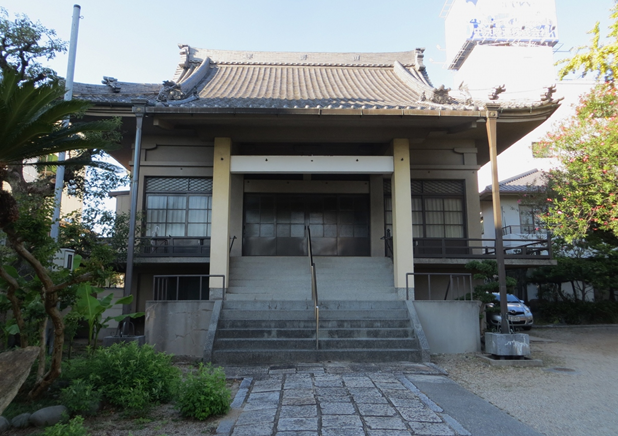
The current shrine building is located in a quiet residential area and attracts the fervent devotion of local residents. While possessing the status of a Shikinaisha shrine, it is characterized by its approachable atmosphere.
Basic Information on Yamana Shrine
Location: 40 Miyahigashi, Minamiyama, Fusō-chō, Niwa-gun, Aichi Prefecture
Shrine Rank: Shikinaisha (listed in the Engishiki Jinmyōchō)
Former Shrine Rank: Village Shrine
Main Deity: Ōyamatsumi-no-kami
Alternate Name: Tenjin Shrine (Edo period name)
History of Yamana Shrine
Origin of Founding
The exact founding date of Yamana Shrine is unknown, but a ridge beam inscription indicating repairs to the shrine building during the Shōryaku era (990-995) remains, confirming its existence at least by the mid-Heian period. Therefore, it is highly likely that the founding dates back to an even earlier period.
The Engishiki Jinmyōchō (compiled in 927) lists it as “Yamana Shrine, Niwa-gun, Owari Province,” indicating that it was already a shrine recognized by the imperial court during the Heian period.
Changes During the Edo Period
During the Edo period, it was called “Tenjin Shrine.” This is thought to be due to the influence of the Tenjin faith, which enshrines Sugawara no Michizane, but it is possible that other beliefs were mixed in, separate from the original Yamana Shrine.
During the Bunka era (1804-1818), the Tenjin Shrine in Minami-Yamana was officially recognized as the Shikinaisha (a shrine listed in the Engishiki) “Yamna Shrine” by a ruling of the Owari Domain. This ruling was a significant event that put an end to the dispute over the location of Shikinaisha.
Developments After the Meiji Era
With the Meiji-era separation of Shinto and Buddhism, Buddhist elements were removed, and the shrine’s form was established. In 1872 (Meiji 5), it was ranked as a village shrine, officially recognized as a local shrine.
Even after the enactment of the Religious Corporations Law after World War II, it continued to attract worshippers as the local tutelary deity, and this continues to the present day.
Deities and Blessings
Main Deity: Ōyamatsumi-no-kami
The main deity of Yamana Shrine is Ōyamatsumi-no-kami. Ōyamatsumi-no-kami is a mountain god appearing in Japanese mythology and is an important deity mentioned in the Kojiki and Nihon Shoki.
Divine Aspects: God of Mountains, God of Sake Brewing
Divine Virtues: Protection of Forests and Mountains, Industrial Development, Family Safety, Good Fortune
Ōyamatsumi-no-kami is considered the child of Izanagi-no-Mikoto and Izanami-no-Mikoto, and has been worshipped since ancient times as a god who governs mountains and nature. Furthermore, because his daughter, Konohanasakuya-hime-no-Mikoto, became the consort of Ninigi-no-Mikoto, he is also a deity with deep ties to the Imperial Family.
Benefits of Yamana Shrine
The benefits you can expect at Yamana Shrine are as follows:
- Family Safety: Protection of family health and peace
- Industrial Development: Prosperity of industries including agriculture and forestry
- Protection from Misfortune and Good Fortune: Warding off misfortune and inviting good luck
- Business Prosperity: Success and development of business
- Abundant Harvest: Abundant fruit and harvest
- Prayer for Safe Childbirth: As the daughter of Oyamatsumi-no-kami is considered the goddess of safe childbirth
Highlights of the Shrine Grounds
Shrine Buildings
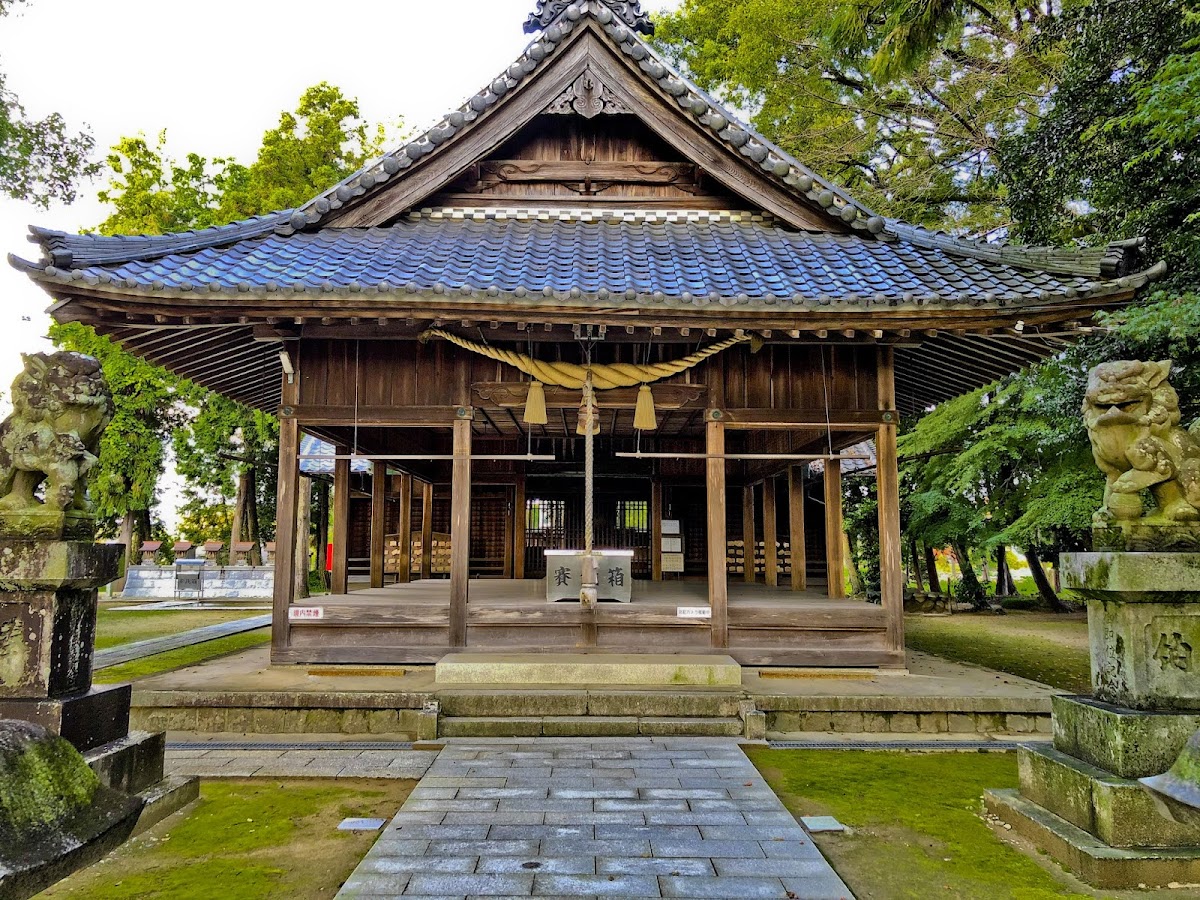
The shrine buildings of Yamana Shrine maintain the traditional style of shrine architecture. The main hall is protected by a protective structure, and worshippers can pray from the worship hall. Although not large in scale, it has an appearance that conveys the prestige of a Shikinaisha (a shrine listed in the Engishiki, an ancient Japanese legal text).
Torii Gate and Approach
A torii gate stands at the entrance to the shrine grounds, and the approach leads to the main hall. Despite being located in a residential area, passing through the torii gate evokes a serene atmosphere unique to a sacred place.
Shrines and Stone Monuments
The shrine grounds contain several smaller shrines and stone monuments, offering evidence of the long history of local faith. Each embodies the prayers of the local people.
Sacred Trees
The shrine grounds are home to ancient trees that tell the story of the shrine’s history. These trees are an important element in creating the sacred atmosphere of the shrine.
Annual Festivals and Rituals
Yamana Shrine holds various festivals throughout the year. The main festivals are as follows:
New Year’s Day Festival (January 1st)
A festival to pray for happiness in the new year. Many worshippers visit for their first shrine visit of the year.
Prayer Festival (February)
A major spring festival praying for a bountiful harvest and the development of industry.
Annual Grand Festival (Autumn)
This is the most important festival of Yamana Shrine, and may include a portable shrine procession and offering ceremonies. Local people gather to offer their gratitude to the gods.
Harvest Festival (November 23rd)
This festival is held to give thanks for the year’s harvest.
Monthly Festival
This is a regular festival held on a specific day each month.
How to Visit and Etiquette
Basic Worship Etiquette
The following steps are followed when visiting Yamana Shrine:
- Bow before the Torii Gate: Bow lightly before entering the sacred area.
- Purify yourself at the Water Basin: Purify your left hand, right hand, and mouth in that order.
- Proceed along the Path: Walk along the sides of the path, as the center is considered the path of the gods.
- Worship in front of the Main Hall: Worship using the two bows, two claps, and one bow ritual.
- Bow upon Exit: Turn around and bow when leaving the Torii Gate.
Amulets and Goshuin (Shrine Seals)
Yamana Shrine offers various amulets and Goshuin. For details, please contact the shrine directly.
Access Information
Access by Train
Nearest Station: Meitetsu Inuyama Line, “Fusō Station”
Distance from Station: Approximately 2km
Travel Time: Approximately 25 minutes on foot, or approximately 5 minutes by taxi
While it is possible to access the shrine on foot from Fusō Station, it is a bit of a distance, so we recommend allowing ample time for your visit.
Access by Car
From Nagoya: Approximately 15 minutes from Meishin Expressway “Komaki IC”
Approximately 15 minutes from Tomei Expressway “Komaki IC”
From Gifu: Approximately 20 minutes via National Route 41
Parking
There is parking space for visitors near the shrine, but the number of spaces is limited. During festivals such as the annual grand festival, congestion is expected, so please consider using public transportation.
Address and Navigation Settings
Address: 40 Miyahigashi, Minamiyama, Fusō-chō, Niwa-gun, Aichi Prefecture 480-0102
Car Navigation Settings: Search using the above address or “Yamana Shrine”
Nearby Tourist Attractions
Highlights of Fusō-chō
When visiting Yamana Shrine, why not also explore other tourist attractions in Fusō-chō?
Cherry Blossoms along the Kiso River Embankment: Enjoy a magnificent row of cherry trees in spring.
Fusō Town Cultural Center: A local cultural facility.
Nearby Shrines and Temples: Many other historical temples and shrines are scattered throughout Niwa District.
Tourist Attractions in Nearby Municipalities
Inuyama Castle: A famous castle with a national treasure keep (approx. 15 minutes by car).
Meiji Village: An open-air museum showcasing Meiji-era architecture (approx. 20 minutes by car).
Komakiyama Castle: The ruins of a castle associated with Oda Nobunaga (approx. 20 minutes by car).
Cultural Value of Yamana Shrine
Importance as a Shikinaisha Shrine
Shikinaisha shrines, listed in the Engishiki Jinmyōchō (a list of shrines compiled in the Heian period), are historically significant shrines recognized by the imperial court during the Heian period. Of the approximately 3,000 Shikinaisha shrines nationwide, Yamana Shrine is recorded as one of the representative shrines of Niwa District in Owari Province.
This record indicates that Yamana Shrine was an important religious site in the region during ancient times, and therefore holds high historical and cultural value.
Center of Local Belief
For over a thousand years, Yamana Shrine has been revered as the tutelary shrine of the Minami-Yamana district and surrounding areas of Fusō Town, attracting the faith of the local people. In an agricultural region, the worship of Ōyamatsumi-no-Kami, the god of mountains, is also an expression of gratitude for abundant harvests and the blessings of nature.
Even today, Yamana Shrine continues to play an important role as a venue for local festivals and life cycle rituals.
Precautions When Visiting a Shrine
Clothing and Belongings
While no special attire is required for visiting a shrine, please keep the following points in mind:
- Dress in clean clothing.
- Avoid revealing clothing.
- Bring a hat or parasol in summer, and warm clothing in winter.
- Wear comfortable walking shoes.
Photography
Photography is generally permitted on the shrine grounds, but please be mindful of the following:
- Be considerate during festivals or when other worshippers are present.
- Do not photograph in areas where photography is prohibited, such as inside the main hall.
- Avoid using flash photography.
- When posting on social media, be careful not to include other worshippers in your photos.
Visiting Hours
Shrines are generally open for worship during the daytime, but it is recommended to visit during the daytime as it gets dark in the early morning and after sunset. If you wish to receive a Goshuin (shrine stamp) or amulet, it is recommended to check in advance.
The Charm of Yamana Shrine
The Weight of History
Yamana Shrine, with its long history dating back to the Heian period, allows visitors to feel the depth of Japanese traditional culture and faith. Its charm lies in the coexistence of its status as a Shikinaisha (a shrine listed in the Engishiki, an ancient Japanese legal text) with a friendly, community-rooted atmosphere.
A Serene Space
Despite being located in a residential area, the shrine grounds are enveloped in a quiet and peaceful atmosphere. It is a precious space where one can escape the hustle and bustle of everyday life and quietly offer prayers.
Connections to the Community
Protected by the local people for over a thousand years, Yamana Shrine is also a symbol of the bonds of the local community. During festivals, many local residents gather, passing on traditions to the next generation.
Summary
Yamana Shrine is a historic Shikinaisha located in Fusō-chō, Niwa-gun, Aichi Prefecture. Its long history dating back to the Heian period, its history of enshrining Ōyamatsumi-no-kami, and the fervent faith of the local people are major attractions of this shrine.
Located easily accessible from the Nagoya area, Yamana Shrine offers a quiet and peaceful atmosphere for worship. It’s a worthwhile place to visit for history buffs, shrine enthusiasts, and anyone seeking inner peace.
When you visit Fusō-chō, we highly recommend visiting Yamana Shrine and experiencing the tranquil atmosphere of this sacred site steeped in a thousand years of history. Amidst the beauty of nature throughout the seasons, you’ll feel the depth of Japanese traditional culture and faith.
May your visit to Yamana Shrine be a truly enriching experience.