Complete Guide to Yasaka Shrine | A Thorough Explanation of History, Benefits, Access, and Worship Methods
Yasaka Shrine is a type of shrine found throughout Japan, known for its blessings of protection against disease and misfortune. This article provides a detailed explanation of the historical background, main deity, benefits, worship methods, and representative Yasaka shrines.
What is Yasaka Shrine?
Yasaka Shrine is a general term for shrines that enshrine Susanoo-no-Mikoto as their main deity. Both “八坂神社” and “八坂神社” are used, and both refer to the same type of shrine. There are said to be over 2,300 such shrines nationwide, with the head shrine being the Yasaka Shrine (Gion-san) located in Higashiyama-ku, Kyoto City.
About the Name of Yasaka Shrine
The difference between the spellings “八坂” and “八坂” has historical roots. Before the separation of Shinto and Buddhism in the Meiji era, it was called “Gion-sha” or “Gion Kanshin-in.” After the Meiji Restoration, it was renamed “Yasaka Shrine” due to the Shinto-Buddhist Separation Order, but some shrines in certain regions still use the spelling “Yasaka Shrine.” There is no essential difference between the two; both are shrines of the same lineage that enshrine Susanoo-no-Mikoto.
History of Yasaka Shrine
Origin and Founding
The history of Yasaka Shrine is ancient. The head shrine, Yasaka Shrine in Kyoto, is said to have originated in 656 (the second year of Empress Saimei’s reign) when Iri-shiomi, who came from Goguryeo, enshrined Susanoo-no-Mikoto, who was seated on Mount Gozu in Silla, in Yasaka-go, Atago-gun, Yamashiro Province. However, there are various theories regarding the founding date, and one theory suggests it was built in 876 (the 18th year of the Jogan era) by the monk Ennyo of Nara.
The Spread of Gion Faith
During the Heian period, when epidemics were rampant, people worshipped Gozu Tenno to quell the disease. Gozu Tenno was considered a guardian deity in Buddhism and, through the syncretism of Shinto and Buddhism, was identified with Susanoo-no-Mikoto. This Gion faith spread throughout Japan, and Gion shrines and Yasaka shrines were built in various locations.
The Origin of the Gion Festival
In 869 (Jōgan 11), when a major epidemic swept through Kyoto, 66 floats were erected (representing the 66 provinces of Japan at the time), and the portable shrine of the Gion Shrine was sent to pray for the eradication of the disease. This is considered the origin of the Gion Festival. This festival continues to this day and is known as one of Japan’s three great festivals.
Main Deity and Benefits
Susanoo-no-Mikoto
The main deity of Yasaka Shrine is Susanoo-no-Mikoto. In Japanese mythology, he appears as the younger brother of Amaterasu-Omikami and, despite his fierce nature, is known as the hero who slayed the Yamata-no-Orochi (eight-headed serpent).
Enshrined Deities
Many Yasaka Shrines enshrine the following deities alongside Susanoo-no-Mikoto:
- Kushinada-hime-no-Mikoto: The wife of Susanoo-no-Mikoto
- Yahashira-no-Mikogami: The children of Susanoo-no-Mikoto
These deities are sometimes collectively referred to as the “Gion Three Shrines.”
Benefits of Yasaka Shrine
Yasaka Shrine is believed to offer a variety of benefits.
- Protection from Epidemics and Misfortune: This is the most representative benefit, and it has been believed since ancient times to ward off epidemics and disasters.
- Matchmaking: As it enshrines the divine couple Susanoo-no-Mikoto and Kushinada-hime-no-Mikoto, it is believed to bring good fortune in relationships.
- Business Prosperity: As it is located in the bustling Gion district, it is also worshipped as a god of business prosperity.
- Academic Success: As it is a god of wisdom and courage, many worshippers pray for academic success.
- Beauty and Virtue: Due to the beauty of Kushinada-hime-no-Mikoto, it is also believed to bring benefits related to beauty.
Representative Yasaka Shrine
Yasaka Shrine (Higashiyama Ward, Kyoto City, Kyoto Prefecture)
It is the head shrine of all Yasaka Shrines nationwide and is affectionately known as “Gion-san.”
Features
- Famous as the shrine that hosts the Gion Festival
- Numerous subsidiary shrines within the grounds offer various blessings
- Utsukushigozen Shrine is popular among women as the goddess of beauty
- Okuninushi Shrine is a power spot for matchmaking
- Yakujinja Shrine attracts worshippers seeking protection from disease
Main Festivals
- Gion Festival (July): One of Japan’s three major festivals, known for its Yamahoko procession
- Okera Mairi (December 31st): A New Year’s Eve event praying for good health and protection from illness
Other Major Yasaka Shrines
There are Yasaka Shrines throughout Japan, each with its own unique characteristics.
Yasaka Shrines in Eastern Japan
- There are several Yasaka Shrines within Tokyo, and they are worshipped as guardian deities of the region.
- In the Kanto region, Gion worship spread during the Edo period, and shrines were established in various locations.
Yasaka Shrines in Western Japan
- Powerful Yasaka Shrines are located in various places such as Osaka, Hyogo, and Okayama.
- They play a central role in conducting local Gion Festivals.
Guide to the Grounds of Yasaka Shrine
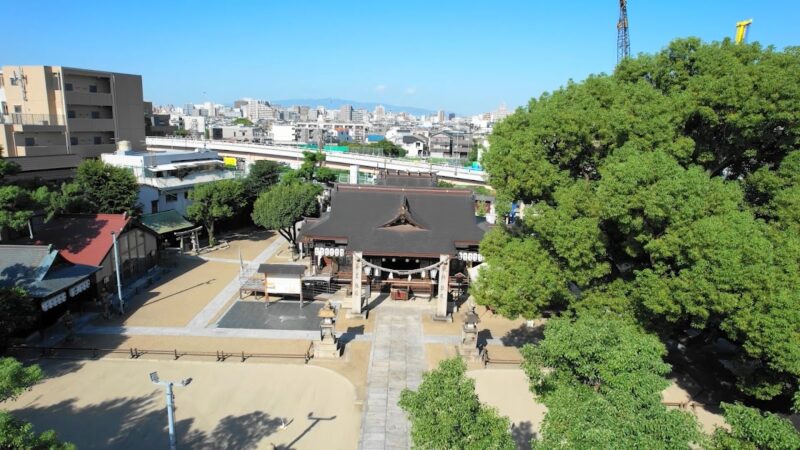
Main Hall
The main hall of Yasaka Shrines often features a unique architectural style called Gion-zukuri. It is characterized by a structure where the main hall and the worship hall are integrated.
Main Grounds Facilities
Temizuya (Water Purification Pavilion)
A place to purify the mind and body before worship. Purify your hands and mouth with the correct etiquette.
Buden (Dance Hall)
A place where Kagura and devotional dances are performed. It plays an important role during festivals.
Subsidiary Shrines
These are small shrines separate from the main sanctuary, enshrining various deities. Each offers different blessings.
Shrine Office
This is where you can receive amulets and Goshuin (shrine stamps). A nice place to stop by as a memento of your visit.
How to Visit a Shrine and Etiquette
Basic Worship Etiquette
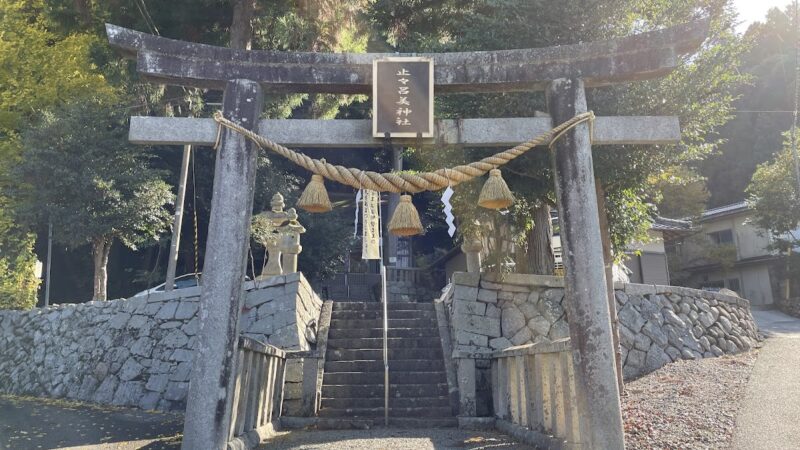
- Bow Before Passing Through the Torii Gate
- Show respect before entering the sacred area.
- Walk along the edge of the path, as the center is the path for the gods.
- How to Wash Your Hands
- Hold the ladle in your right hand and wash your left hand.
- Switch the ladle to your left hand and wash your right hand.
- Switch the ladle back to your right hand, receive water in your left hand, and rinse your mouth.
- Finally, stand the ladle upright and wash the handle.
- Worship at the Main Hall
- Quietly place your offering in the offering box.
- Ring the bell if there is one.
- Bow twice, clap twice, and bow once (may vary depending on the shrine).
- Pray with sincerity.
Attire for Worship
There are no specific dress code requirements, but it is desirable to wear clothing that reflects the sacred nature of the place.
- Dress neatly and cleanly.
- Avoid revealing clothing.
- Remove hats and sunglasses while on the shrine grounds.
Amulets and Goshuin (Shrine Seals)
Types of Amulets
- Exorcism Amulet: An amulet for warding off evil.
- Matchmaking Amulet: An amulet for finding a good partner.
- Health Amulet: An amulet for praying for good health.
- Academic Achievement Amulet: An amulet for academic success.
Goshuin (Shrine Seals)
Each Yasaka Shrine offers its own unique goshuin. Bring your goshuincho (seal book) and receive yours at the shrine office after your visit.
Annual Events at Yasaka Shrine
Main Festivals and Events
January
- New Year’s Day Festival: Praying for peace in the new year
- First Shrine Visit of the Year: Bustling with many worshippers
February
- Setsubun Festival: Driving away evil spirits with bean-throwing
July
- Gion Festival (Yasaka Shrine, Kyoto): A grand festival lasting a month
Summer
- Summer Purification Ceremony: Passing through a ring of reeds to purify oneself of the impurities accumulated over the past six months
November
- Shichi-Go-San: Celebrating the growth of children
December
- Great Purification Ceremony: Purifying oneself of the impurities accumulated over the year
- Okera Pilgrimage (Kyoto): A traditional New Year’s Eve event
About the Gion Festival
The Gion Festival at Yasaka Shrine in Kyoto is held annually from July 1st to 31st, lasting for a month.
Main Events
- July 17th: Pre-Festival Yamahoko Procession
- July 24th: Post-Festival Yamahoko Procession
- Mikoshi Procession: The deities parade through the town
The Yamahoko floats are sometimes called “moving art museums” and are adorned with magnificent decorations. They are registered as a National Important Intangible Folk Cultural Property and a UNESCO Intangible Cultural Heritage.
Access Information
Access to Kyoto Yasaka Shrine
Train
- Approximately 5 minutes on foot from Keihan Railway “Gion-Shijo Station”
- Approximately 8 minutes on foot from Hankyu Railway “Kawaramachi Station”
Bus
- Immediately after alighting at Kyoto City Bus “Gion” stop
Car
- Approximately 20 minutes from Meishin Expressway “Kyoto East IC”
- There is no dedicated parking lot, so please use nearby paid parking lots.
Visiting Hours and Admission Fees
Most Yasaka Shrines are as follows:
- Visiting Hours: Generally open 24 hours (Shrine office hours are approximately 9:00 AM to 5:00 PM)
- Admission Fee: Free (Grounds are freely accessible)
Cultural Value of Yasaka Shrine
Architectural Style
The main hall of Yasaka Shrine features a unique architectural style called “Gion-zukuri.” The main hall and worship hall are covered by the same roof, setting it apart from other shrine architecture. The main hall of Kyoto’s Yasaka Shrine is designated as a National Important Cultural Property.
Culture of Gion Faith
Gion faith is deeply rooted as a Japanese folk belief, reflecting the desire of people to pray for the eradication of disease. Even today, worshippers continue to visit, praying for health and peace.
Relationship with Performing Arts
Kyoto’s Yasaka Shrine is adjacent to the Gion geisha district and has deep ties with geisha and maiko. Dedicatory dances praying for improvement in performing arts are also performed.
Trivia about Visiting Yasaka Shrine
The Nickname “Gion-san”
Yasaka Shrine in Kyoto is affectionately called “Gion-san” by locals. This is a remnant of its pre-Meiji era name, “Gion-sha.”
Beauty Water
At the Utsukushigozen Shrine within Kyoto’s Yasaka Shrine, there is “Beauty Water,” said to make the skin more beautiful when applied. It’s a popular spot visited by many female worshippers.
Power Spot for Matchmaking
The Okuninushi Shrine is known for its blessings in matchmaking and is popular with worshippers seeking good relationships. You can write your wish on a heart-shaped ema (votive tablet) and dedicate it.
Exorcism Chimaki
During the Gion Festival, “Exorcism Chimaki” are given out. It is said that displaying this at your entrance will provide protection from evil for a year.
Yasaka Shrine and the Local Community
As a Guardian Deity of the Community
Yasaka Shrines are closely intertwined with the lives of local residents as the guardian deities of each region. They play a central role in local festivals and events, strengthening community bonds.
Value as a Tourist Resource
Yasaka Shrine in Kyoto, in particular, is a popular tourist attraction visited by millions of people annually. Its landscape, integrated with the Gion district, symbolizes traditional Japanese culture.
Cultural Property Preservation
Many Yasaka Shrines preserve valuable cultural properties. Historically valuable materials such as buildings, art and crafts, and ancient documents are carefully protected.
Points to Note When Visiting
Regarding Photography
- Photography is generally permitted within the shrine grounds, but there are areas where photography is prohibited, such as inside the main hall.
- Please be considerate of other visitors.
- It can get crowded during festivals, so extra caution is needed.
Crowded Periods
The following periods are particularly crowded.
- First three days of the New Year
- During the Gion Festival (July)
- Setsubun (February)
- Year-end and New Year holidays
It is recommended to allow ample time for your visit.
Bringing Pets
Regulations vary by shrine, but in most cases, visitors are asked to refrain from bringing pets. Please check in advance.
Summary
Yasaka Shrine is a historical shrine known for its blessings of protection against disease and misfortune. It enshrines Susanoo-no-Mikoto as its main deity, and there are over 2,300 such shrines throughout Japan. With Kyoto’s Yasaka Shrine as the head shrine, it continues to transmit Japanese culture through traditional festivals, including the Gion Festival.
When visiting, please observe proper etiquette and show respect to the deities. You can receive various blessings, such as protection from misfortune, matchmaking, and business prosperity. Yasaka Shrine continues to be cherished by many as a place to seek peace of mind while experiencing history and tradition.
We invite you to spend some time refreshing your mind and body while experiencing traditional Japanese culture through a visit to Yasaka Shrine.