
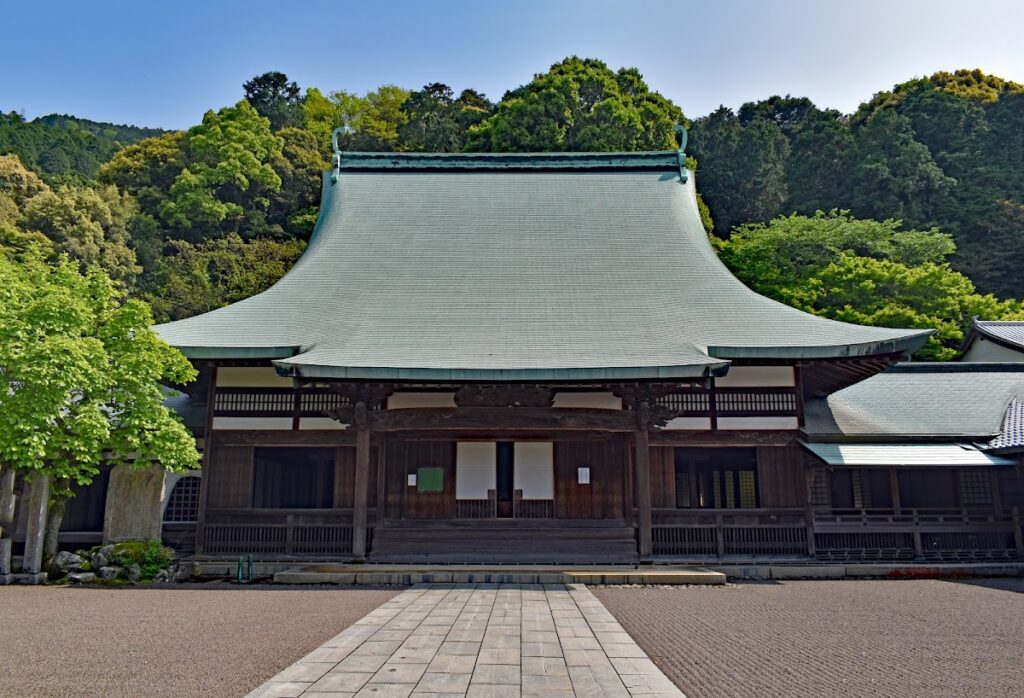
Complete Guide to Zuiōji Temple: A Soto Zen Training Center and an 800-Year-Old Ginkgo Tree in Niihama City, Ehime Prefecture
Located in Yamane-cho, Niihama City, Ehime Prefecture, Zuiōji Temple is a Soto Zen temple boasting a history of nearly 600 years. Nestled at the foot of the Shikoku Mountains, this temple possesses the only specialized training center in Shikoku and is known as a renowned Zen training temple attracting monks from all over Japan. This article provides a detailed introduction to Zuiōji Temple, including its history, highlights within the temple grounds, its role as a training center, and access information.
Overview and Basic Information of Zuiōji Temple
Zuiōji Temple, officially named “Butsukokuzan Zuiōji,” is a Zen Buddhist temple belonging to the Soto Zen sect. Its principal image is Shakyamuni Buddha, and it is situated in a tranquil environment at the foot of the Shikoku Mountains, on the southern edge of Niihama City.
Basic Data
- Sect: Soto Zen
- Mountain Name: Butsukokuzan
- Principal Image: Shakyamuni Buddha
- Founded: Bun’an 5 (1448)
- Founder: Matsuki Ochi Kagemura (11th Lord of Ikugoyama Castle)
- First Abbot: Getsutan Zenji
- Location: Yamane-cho, Niihama City, Ehime Prefecture
- Features: The only Soto Zen monastery in the Chugoku and Shikoku regions
Zuioji Temple holds a special position within the Soto Zen sect and plays a role as an institution for training monks. In winter, the sight of monks (trainee monks) circulating through the city begging for alms can be seen, making it a familiar temple to the citizens of Niihama.
The History of Zuiōji Temple: From Founding to the Present
Founded in Bun’an 5 (1448)
The history of Zuiōji Temple dates back to Bun’an 5 (1448). It began when Matsuki Echizen-no-kami Kagemura, the 11th lord of Shōjiyama Castle at the time, built a temple to commemorate his parents. Lord Kagemura invited Zen Master Getsutan from Kamakura and established a Zen temple in this location.
During this period in the mid-Muromachi era, the construction of temples by samurai families was flourishing throughout Japan, and Zuiōji Temple was one of the temples born out of this trend. From its founding, it became a center of local faith as a Sōtō Zen temple.
Ruin and Reconstruction Due to War
In Tenshō 13 (1585), Zuiōji Temple was caught in the ravages of war during Toyotomi Hideyoshi’s invasion of Shikoku, and was reduced to ruins. During this period, many temples and shrines in Shikoku were affected by the turmoil of war, and Zuiōji Temple was no exception.
However, in 1660, during the reign of the Tokugawa shogunate, Zen Master Bun’gai, a Dharma descendant of the ninth abbot of Tokuunji Temple in Tōjō, Hiroshima Prefecture, was welcomed by the local village headmen, the Kawabata and Kanno families, and entered the temple, thus restoring Zuiōji Temple. This restoration marked a new chapter in Zuiōji Temple’s history.
Establishment of the Specialized Zen Training Center in the Meiji Era
A particularly important turning point in Zuiōji Temple’s history was the establishment of the specialized Zen training center in 1897 (Meiji 30). This training center, the only Sōtō Zen specialized training center in the Chūgoku and Shikoku regions, established its position as a renowned temple for Zen training.
With the establishment of the specialized training center, many student monks from all over Japan began to gather at Zuiōji Temple, and it took on the role of a rigorous training ground. Even today, many monks come and go, playing an important role in the training of Sōtō Zen monks.
Shikoku’s Only Zen Training Center: Zuioji Temple as a Training Dojo
What is a Zen Training Center?
A Zen training center is a facility in the Soto Zen sect where monks undergo rigorous training. Zuioji Temple’s Zen training center is the only one of its kind in the Chugoku and Shikoku regions, and it serves as an important base for Zen training.
Training at the training center is extremely strict, with zazen (seated meditation), chanting, and samu (work) continuing from early morning until late at night. The monks leave the secular world behind and train their minds and bodies while living according to the teachings of Zen.
The Monks’ Alms-Begging and Their Connection to the Community
The monks (unsui) of Zuioji Temple are known for going around Niihama City begging for alms during the winter. Alms-begging is a form of training where monks carry a bowl and visit each house to receive offerings.
This alms-begging is not just a form of training, but also an important opportunity to connect with the local community. For the citizens of Niihama, the sight of monks begging in winter is a seasonal tradition, symbolizing the deep connection between Zuioji Temple and the community.
Training Content and Daily Routine
Training at the specialized monastery is conducted according to the strict discipline of the Soto Zen sect. Each day begins with early morning awakening, and all activities—zazen (seated meditation), chanting, meals, manual labor, lectures—are considered part of the training.
Zazen, in particular, is central to the training and is practiced for several hours each day. Manual labor, such as cleaning and garden maintenance, is also considered important, and monks are expected to find the spirit of Zen in all their daily actions.
Temple Grounds Highlights and Cultural Assets
Prefectural Designated Natural Monument: The Great Ginkgo Tree
The most famous feature of the grounds of Zuioji Temple is the great ginkgo tree, estimated to be about 800 years old. This giant tree was designated a natural monument of Ehime Prefecture on November 3, 1956.
The large ginkgo tree is known as the “Milk Ginkgo” in connection with the celebration of the guardian deity Konpira Daigongen. Its trunk is extremely thick, and in autumn it displays magnificent yellow foliage, attracting many tourists and photography enthusiasts. Having stood strong for 800 years, this ginkgo tree can be considered a living witness to the history of Zuioji Temple.
Temple Gate Built in the Edo Period
The temple gate of Zuioji Temple is a historical building constructed during the Edo period. Maple trees are planted around it, and in autumn, visitors can enjoy the beautiful autumn colors harmonizing with the gate.
The temple gate, as the entrance to the temple, is a symbolic presence separating the secular world from the sacred realm. This gate, which conveys the architectural style of the Edo period, is an important cultural asset that enhances the historical value of Zuioji Temple. During the autumn foliage season, it is bustling with many visitors who come to photograph the autumn scenery with the gate as a backdrop.
Main Hall and Temple Complex
The main hall of Zuiōji Temple houses the principal image, a statue of Shakyamuni Buddha, where visitors can quietly offer their prayers. The main hall possesses a simple yet solemn atmosphere, typical of Zen temples, conveying a sense of rigorous training.
Besides the main hall, the temple grounds include the monks’ hall, living quarters, and bell tower, showcasing a typical Zen temple layout. These buildings are used daily as living and training spaces for monks, functioning as an active training ground.
Konpira-son Ten and the Temple Grounds’ Worship
Konpira-son Ten is enshrined within the grounds of Zuiōji Temple. Konpira worship is widely practiced as a deity of maritime safety and business prosperity, and it is an important object of worship at Zuiōji Temple.
The fact that the large ginkgo tree is considered a “milk-shaped ginkgo tree associated with the celebration of Konpira Daigongen” indicates that Konpira worship has been cherished at Zuioji Temple since ancient times.
The Connection Between Zuioji Temple and the Besshi Copper Mine
Niihama City developed as a mining city known for the Besshi Copper Mine. The Besshi Copper Mine operated from the Edo period to the Showa period, and was an important copper mine that supported Japan’s modernization.
Zuioji Temple has served as a spiritual pillar for Niihama City, a place of solace for the people working at the Besshi Copper Mine and their families. Miners visited Zuioji Temple to pray for safety in their dangerous work and to mourn the passing of their fallen comrades.
The period when the specialized monastery was established in the Meiji era coincides with the peak of the Besshi Copper Mine’s operation. In Niihama, which developed as an industrial city, Zuioji Temple played a crucial role as a spiritual support.
Annual Events and Experience Programs
Main Annual Events
Zuioji Temple, as a Soto Zen temple, holds various annual events. These events are part of the training of the monks and also provide opportunities for interaction with the local community.
Main events include the New Year’s Shusho-e (New Year’s service), the Spring and Autumn Equinox services, the Obon (Buddhist festival) Segaki-e (feeding of hungry ghosts), and the Founder’s Memorial Service. During these services, chanting takes place in the main hall, and visitors can participate in the memorial service.
Zen Meditation and Training Experiences
Even members of the general public can sometimes participate in Zen meditation experiences by checking and making reservations in advance. A Zen meditation experience in the specialized training hall is a valuable opportunity to glimpse authentic Zen training.
In the Zen meditation experience, under the guidance of a monk, you can learn the correct way to meditate and actually practice Zen meditation. The time spent facing yourself in silence will be a valuable experience away from the hustle and bustle of everyday life.
Those wishing to participate in the experience are advised to contact Zuioji Temple in advance to confirm details such as dates and participation requirements.
Autumn Foliage Season: Highlights of Zuioji Temple
Zuioji Temple is also known as a famous spot for autumn foliage. Many maple trees are planted on the temple grounds, and the autumn colors around the main gate are particularly magnificent.
Best Time to See Autumn Foliage
The best time to see autumn foliage in Niihama City is usually from mid- to late November. During this time, the trees on the temple grounds turn red and yellow, creating a beautiful landscape in harmony with the Edo-period main gate and the large ginkgo tree.
The yellow foliage of the large ginkgo tree is particularly breathtaking; the sight of this 800-year-old giant tree dyed in a vivid golden color is well worth seeing. On sunny days, the yellow leaves stand out beautifully against the blue sky, attracting many photography enthusiasts.
Crowds During the Autumn Foliage Season
Many tourists visit Zuioji Temple during the autumn foliage season, but compared to large tourist destinations, you can enjoy the autumn colors in relatively quiet surroundings. However, it can get crowded on weekends and holidays, so if you want to enjoy a leisurely visit, we recommend visiting on a weekday.
As the temple grounds also serve as a training ground, it is important to be quiet during your visit and be considerate so as not to disturb the monks in training.
Access and Visiting Information
Access by Public Transportation
Zuioji Temple can be accessed by bus or taxi from JR Niihama Station. Located at the foot of the mountains at the southern edge of the city, it is a considerable distance from the station on foot.
From JR Niihama Station:
- Approximately 15 minutes by taxi
- If using a local bus, access is a short walk from the nearest bus stop (details should be confirmed in advance).
Access by Car
Access by car is also possible. Head south from the city center of Niihama City towards the foothills of the Shikoku Mountains.
From Major Roads:
- From National Route 11, head towards Yamane-cho via the city center.
- Search for “Zuioji Temple” or its address using your car navigation system.
Regarding parking, there is a space available for visitors, but it may be full during peak seasons such as autumn foliage season.
Precautions When Visiting
Zuioji Temple is an active training monastery, so there are several points to keep in mind when visiting.
- Maintain Silence: Since the monks are in training, please refrain from loud conversations and noisy behavior.
- Photography Etiquette: Photography is permitted within the temple grounds, but please refrain from photographing the monks or inside the monks’ hall.
- Restricted Areas: Please do not enter areas reserved for monks, such as the monks’ hall.
- Attire: Please dress appropriately for visiting a temple.
- Take Your Trash Home: To maintain the cleanliness of the temple grounds, please be sure to take your trash home with you.
Tourist Attractions Around Zuioji Temple
Besides Zuioji Temple, Niihama City has many other tourist attractions. When visiting Zuioji Temple, exploring the surrounding attractions will allow you to experience the charm of Niihama more deeply.
Besshi Copper Mine Related Facilities
The Besshi Copper Mine is indispensable when discussing the history of Niihama City. Although it is currently closed, there are facilities throughout the city that convey its history.
- Minepia Besshi: A theme park where you can learn about the history of the Besshi Copper Mine.
- Tounaru District: An industrial heritage site known as the “Machu Picchu of the East.”
- Besshi Copper Mine Memorial Museum: Exhibits historical materials of the copper mine.
Nature and Culture of Niihama City
- Nature of the Shikoku Mountains: The area around Zuioji Temple is surrounded by the rich nature of the Shikoku Mountains.
- Niihama Taiko Festival: One of the three major festivals of Shikoku, held every October. – Hirose Historical Memorial Museum: A facility commemorating the achievements of Hirose Saihei, who developed the Besshi Copper Mine.
Successive Chief Priests and the Inauguration Ceremony of Zuioji Temple
Zuioji Temple has produced many renowned monks throughout its long history. Currently, the 31st chief priest manages the temple’s affairs and operates the training hall.
When a new chief priest takes office, an inauguration ceremony called the Shinzan-shiki is held. The Shinzan-shiki is one of the important ceremonies of the Soto Zen sect, formally recognizing the new chief priest as the head priest of the temple.
Because Zuioji Temple is an important temple with an attached training hall, the Shinzan-shiki is attended by many monks and related parties and is conducted on a grand scale. The new chief priest will bear the heavy responsibility of training monks, and their inauguration is an important event for the entire Soto Zen sect.
The Modern Significance and Future of Zuioji Temple
In modern society, the significance of traditional training halls like Zuioji Temple is becoming increasingly important. While material wealth is pursued, there is a growing number of people seeking inner richness and spiritual stability.
Zen Teachings and Modern Society
Zen teachings are gaining worldwide attention as mindfulness and meditation. The training at Zuioji Temple addresses these modern needs. The practice of confronting oneself and cultivating inner peace through zazen (seated meditation) provides valuable guidance for modern people living in a stressful society.
Coexistence with the Local Community
Zuioji Temple is deeply connected to the local community as an integral part of Niihama City’s history and culture. It contributes to the community in many ways, including interaction through alms-gathering, the protection of the large ginkgo tree as a cultural asset, and its role as a tourist resource.
In the future, Zuioji Temple will continue to maintain its function as a traditional training ground while fulfilling its role as an open temple that meets the needs of the local community and modern people.
Summary: The Charm and Significance of Visiting Zuiōji Temple
Zuiōji Temple, located in Niihama City, Ehime Prefecture, is an ancient Soto Zen temple with a history of nearly 600 years since its founding in 1448. It boasts the only specialized Zen training hall in Shikoku and continues to play an important role as a renowned temple for Zen training, where monks from all over Japan undergo rigorous practice.
The temple grounds offer many attractions, including an 800-year-old ginkgo tree designated as a prefectural natural monument, a temple gate built during the Edo period, and beautiful autumn foliage. Furthermore, experiences unique to a training monastery, such as winter alms-seeking and Zen meditation, are also appealing.
Visiting Zuiōji Temple is not merely sightseeing; it is a valuable opportunity to experience Japanese Zen culture and confront oneself. Why not spend some time calming your mind amidst the tranquil mountainside environment and the atmosphere of this historic temple?
When you visit Niihama City, I highly recommend taking a trip to Zuioji Temple to experience its history, culture, and the spirit of Zen.

