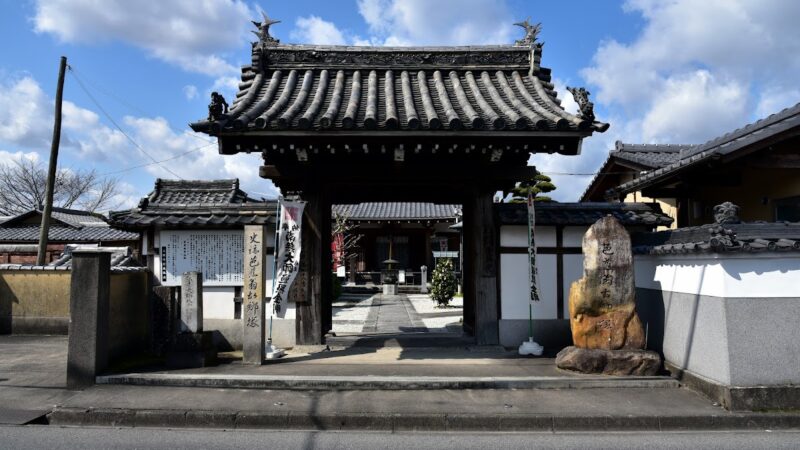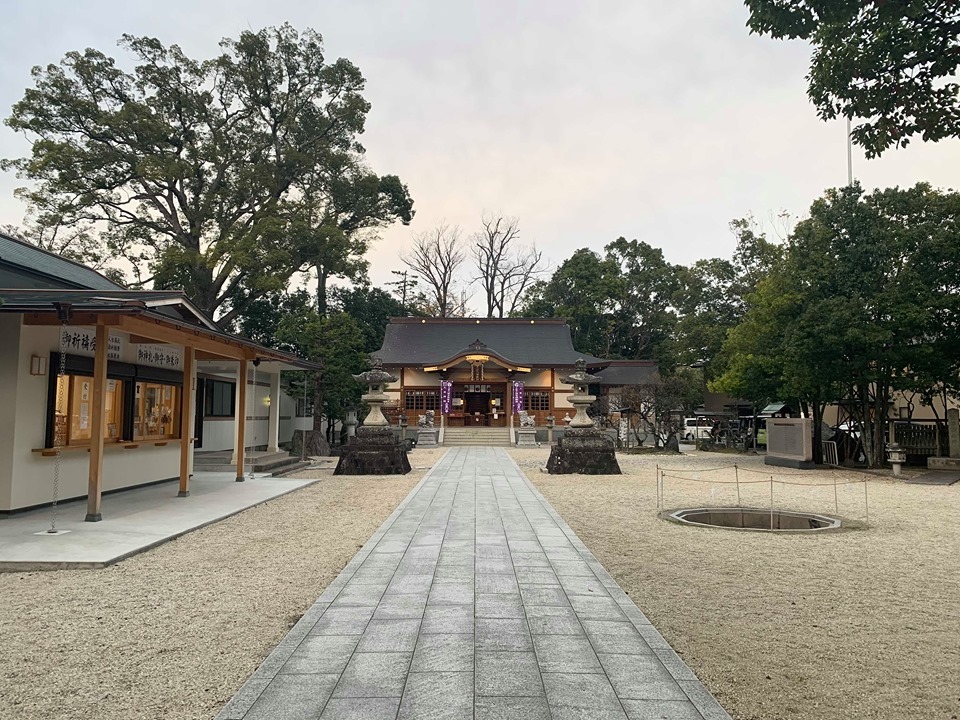
Complete Guide to Taijoji Temple (Iga City, Mie Prefecture) | History and Visiting Information for the Tendai Shinsei Sect
Located in Iga City, Mie Prefecture, Taijoji Temple is a historic temple belonging to the Tendai Shinsei sect. As an important temple that preserves the Buddhist culture of the Iga region, it attracts the faith of the local community. This article comprehensively explains information useful for visiting or researching Taijoji Temple, from basic information to the characteristics of its sect, access methods, and information on surrounding temples.
Basic Information about Taijoji Temple
Taijoji Temple is a Tendai Shinsei sect temple located in Hattori-cho, Iga City, Mie Prefecture. Detailed basic information is summarized below.
Location and Contact Information
Address: 1515 Hattori-cho, Iga City, Mie Prefecture 518-0007
Iga City is located in the northwestern part of Mie Prefecture and is a historical region that once flourished as the center of Iga Province. Hattori-cho is an area close to the city center of Iga City and has long been known as a cultural area with numerous temples and shrines.
About the Sect
Daijo-ji Temple belongs to the Tendai Shinsei Sect. The Tendai Shinsei Sect is a branch of the Tendai Sect, founded by the Muromachi period monk, Shinsei Shonin.
Shinsei Shonin was born in Ise Province in 1443 (Kakitsu 3). After training at Mount Hiei, he spread his unique teachings that emphasized chanting the Buddha’s name and adherence to precepts. He particularly practiced “continuous chanting of the Buddha’s name” and established a doctrine that fused Pure Land Buddhism with Tendai teachings.
The head temple of the Tendai Shinsei Sect is Saikyo-ji Temple in Otsu City, Shiga Prefecture, and it has approximately 400 temples throughout Japan. Several Tendai Shinsei sect temples exist within Mie Prefecture, and Taijoji Temple is one of them, supporting local faith.
Characteristics and Teachings of the Sect
The main characteristics of the Tendai Shinsei sect are as follows:
- Practice of Continuous Nembutsu: A method of practice that involves continuously chanting the Nembutsu day and night.
- Emphasis on Precepts: Emphasis on strictly observing precepts.
- Spirit of Dedication: The Mahayana Buddhist ideal of dedicating one’s merits to others.
- Inheritance of Tendai Teachings: Based on the teachings of the Tendai sect transmitted by Saicho.
These teachings emphasize conveying Buddhism in a way that is easy for the common people to understand, and since the Muromachi period, it has attracted widespread faith, mainly in Omi (Shiga Prefecture).
Temple Culture and Historical Background of Iga City
Iga City is located in the northwestern part of Mie Prefecture and has developed as a transportation hub since ancient times. It formed an independent cultural sphere as the Iga Province and, while known as the home of ninjas, has also fostered a rich Buddhist culture.
Buddhist History of the Iga Region
Many temples were built in the Iga region from the Nara period to the Heian period. Due to its geographical proximity to Kyoto and Nara, temples of various sects coexisted, forming a unique religious culture.
In the Middle Ages, Rennyo Shonin of the Jodo Shinshu sect spread his teachings from the Hokuriku region to the Kinki region, significantly influencing the Iga region. Meanwhile, Tendai sect temples also took root in the area, and temples of the Tendai Shinsei sect, such as Taijo-ji Temple, also attracted local devotion.
History of Hattori-cho
The name Hattori-cho is believed to originate from the ancient Hattori clan. The Hattori clan was a group of artisans who dealt in textiles, and the family of Hattori Hanzo, known as a ninja, was also connected to the Iga region.
Located in Hattori-cho, with this historical background, Taijo-ji Temple is an important presence that conveys the region’s history and culture to the present day.
How to Access Taijo-ji Temple
For those planning a visit to Taijo-ji Temple, we provide detailed access information. ### Access by Public Transportation
Nearest Station: Iga Railway “Ueno-shi Station” or “Hirokoji Station”
- Approximately 20 minutes on foot from Ueno-shi Station
- Approximately 15 minutes on foot from Hirokoji Station
The Iga Railway is a local line connecting Iga-Ueno Station and Iga-Kambe Station, and is also known as the “Ninja Train.” Iga-Ueno Station can be accessed via the JR Kansai Main Line or the JR Kusatsu Line.
Access from Major Cities:
- From Nagoya: Approximately 1 hour 30 minutes on the JR Kansai Main Line, alight at Iga-Ueno Station.
- From Osaka: Approximately 1 hour 45 minutes on the JR Yamatoji Line/Kansai Main Line, alight at Iga-Ueno Station.
- From Kyoto: Approximately 2 hours via the JR Kusatsu Line, alight at Iga-Ueno Station.
Access by Car
Route from Major Expressways:
- Meihan National Highway (National Route 25): Approximately 10 minutes from “Ueno IC” or “Nakase IC”.
- Shin-Meishin Expressway: Approximately 30 minutes from “Konan IC”.
Traffic within Iga City is relatively light, making access by car convenient. However, roads around the temple can be narrow, so caution is advised when driving.
Parking Information
It is recommended to check in advance for information regarding the temple’s parking availability and details. Public parking lots are also available within Iga City.
Map and Nearby Information of Daijoji Temple
Daijoji Temple is located near the city center of Iga, and there are various historical sites and tourist facilities in the surrounding area.
Major Nearby Attractions
Iga Ueno Castle: Located about 5 minutes by car or 20 minutes on foot from Daijoji Temple, Iga Ueno Castle was built by Todo Takatora and is famous for its high stone walls. The castle tower offers a panoramic view of the Iga Basin.
Ueno Tenjin Shrine: A shrine revered as the guardian shrine of Iga, the Ueno Tenjin Festival held every October is designated as a National Important Intangible Folk Cultural Property.
Danjiri Museum: A facility exhibiting danjiri floats and masks used in the demon procession of the Ueno Tenjin Festival, where you can learn about Iga’s festival culture.
Iga-ryu Ninja Museum: An interactive museum where you can learn about the history and techniques of ninjas, attracting many tourists from both Japan and abroad.
Nearby Temples and Shrines
Numerous temples are scattered throughout Iga City, making it a great place for temple hopping.
Jodo-shu and Shinshu Temples: Iga City has many Jodo Shinshu temples, reflecting a history of widespread teachings by Rennyo Shonin.
Tendai Temples: Several Tendai temples, like Daijoji Temple, exist in the city, each with its own unique history and culture.
Zen Temples: Rinzai and Soto Zen temples are also scattered throughout the city, some offering Zen meditation experiences.
List of Nearby Temples
Iga City and the surrounding area have temples of various sects. Here are some temples you can visit in conjunction with Daijoji Temple.
Major Temples in Iga City
Kanbodaiji Temple: A Shingon-shu Buzan-ha temple located in Shimagahara, Iga City. This ancient temple, said to have been founded by Gyōki during the Nara period, houses a main hall and Buddhist statues designated as Important Cultural Properties.
Shōgatsudō (New Year’s Hall): Located within the grounds of Kanbodaiji Temple, it is called Shōgatsudō because a Buddhist service called “Shōshō-e” is held there every year on the lunar new year.
Shindaibutsuji (New Year’s Buddha Temple): A Shingon-shu Chizan-ha temple located in Tominaga, Iga City. Its wooden seated Amida Buddha statue (Important Cultural Property), created during the Kamakura period, is known as a massive Buddha statue standing 5.33 meters tall.
Ganjōji (Ganjōji Temple): A Shingon-shu Buzan-ha temple located in Ueno, Iga City. As an ancient temple of Iga Province, it attracts local devotion.
Notable Temples in Surrounding Municipalities
Temples in Nabari City: Nabari City, adjacent to the south of Iga City, also has numerous temples, particularly many belonging to the Shingon and Jōdo Shinshū sects.
Temples in Tsu City: Tsu City, the capital of Mie Prefecture, is home to Senju-ji Temple, the head temple of the Shinshu Takada sect. Its Miei-do and Nyoraido halls are designated National Treasures.
Temples in Kameyama City: Kameyama City, located east of Iga City, also boasts many historical temples, reflecting its history as a thriving post town on the Tokaido road.
A Deep Dive into the History and Doctrines of the Tendai Shinsei Sect
This section provides a more detailed explanation of the Tendai Shinsei sect, to which Daijo-ji Temple belongs.
The Life of Shinsei Shonin
Shinsei Shonin (1443-1495) was born in Isshi District, Ise Province (present-day Tsu City, Mie Prefecture). From a young age, he aspired to the Buddhist path, and at the age of 15, he climbed Mount Hiei to study the teachings of the Tendai sect.
During his training on Mount Hiei, Shinsei deeply recognized the importance of chanting the Buddha’s name and adherence to precepts, forming his own unique religious view. In particular, he established a practice called “Fudan Nenbutsu,” which involved continuously chanting the Buddha’s name day and night, and attracted many disciples.
In 1471, Shinsei entered Saikyo-ji Temple in Omi Province (present-day Shiga Prefecture) and began full-scale missionary work. Using Saikyo-ji Temple as his base, he spread his teachings, which emphasized the recitation of the Buddha’s name and the precepts, and gained great support among the people.
Establishment of the Tendai Shinsei Sect
After the death of Shinsei Shonin, his teachings were inherited by his disciples, and during the Edo period, the Tendai Shinsei Sect officially became an independent sect. While based on the doctrines of the Tendai sect, it developed as a unique sect that particularly emphasized the recitation of the Buddha’s name and the precepts.
The Tendai Shinsei sect centers its teachings on the following three pillars:
- Endonkai: A Mahayana precept bestowed in the Tendai sect, based on the belief that all people can attain Buddhahood.
- Fudan Nembutsu: Continuously chanting the Nembutsu to purify the mind and aspire to rebirth in paradise.
- Eko: Directing one’s merits to others and praying for the salvation of all sentient beings.
Relationship between Mie Prefecture and the Tendai Shinsei Sect
Since Shinsei Shonin was from Ise Province (present-day Mie Prefecture), there are several temples in Mie Prefecture that are associated with the Tendai Shinsei sect. Daijoji Temple is one of them, and has contributed to the spread of Shinsei Shonin’s teachings in the region.
The Iga region has historically been a region where various sects have coexisted, and Tendai Shinsei sect temples are deeply rooted in the local community. Daijoji Temple plays a part in this diverse religious culture of Iga.
Buddhist Culture and Tourism in Iga City
When visiting Iga City, you can experience the local culture and history in addition to visiting temples.
Annual Events and Temples in Iga
Ueno Tenjin Festival (October): Iga City’s largest festival, with floats and demon processions parading through the city. Special memorial services are sometimes held at temples.
Obon Festival (August): Obon ceremonies are held at various temples to honor ancestors.
New Year’s Eve Bell Ringing (December 31st): Many temples offer the opportunity to ring the New Year’s Eve bell, a beloved traditional event to welcome the new year.
Food Culture and Accommodation in Iga
Iga Beef: Iga beef, considered one of Japan’s three major wagyu beef brands, is characterized by its fine marbling and deep flavor. Many restaurants in the city serve Iga beef.
Iga Ware: This type of pottery is produced in the Iga region and is famous for its earthenware pots and tea sets. You can also visit Iga ware kilns.
Accommodation: There are many inns and hotels scattered throughout Iga City, some offering hot springs. You can enjoy a relaxing stay and explore the temples.
Temple Visit Manners and Etiquette
This section introduces basic manners and etiquette for visiting temples, including Daijoji Temple.
Basic Manners for Temple Visits
Dress Code: There are no specific rules, but clean and modest attire is desirable. Avoid revealing or flashy clothing.
Photography: Check if photography is permitted on the temple grounds. Photography inside the main hall and of Buddha statues is often prohibited.
Quietness: Temples are places of worship and spiritual practice. Please refrain from speaking loudly or making noise.
Etiquette for Visiting a Temple
- Bow at the Temple Gate: Bow before passing through the temple gate.
- Purification at the Water Basin: If there is a water basin, purify your hands and mouth.
- Worship at the Main Hall: Join your hands in prayer and bow in front of the main hall. If offering a monetary donation, do so quietly.
- Bow upon Exit: Turn around and bow when leaving the temple gate.
About Offerings and Amulets
At temples, you can support Buddhist teachings by making an offering. Some temples also offer amulets and talismans. It is important to remember that these are tokens of faith, not commodities.
Tendai and Tendai Shinsei Sect Temples in Mie Prefecture
There are several Tendai and Tendai Shinsei sect temples in Mie Prefecture. Here are some temples you can visit along with Daijoji Temple.
Tendai Sect Temples
According to the official Tendai Sect website, approximately 35 Tendai sect temples have been identified in Mie Prefecture. The main temples include:
Kongōshōji Temple: A Tendai sect temple located in Ise City, known as the temple protecting the northeast (demon’s gate) of Ise Grand Shrine. It is such an important temple that it is said, “If you visit Ise, you must also visit Asama; if you do not visit Asama, your pilgrimage is incomplete.”
Jingūji Temple: While there are temples named Jingūji throughout Japan, several exist in Mie Prefecture, preserving the history of Shinto-Buddhist syncretism.
Tendai Shinsei Sect Temples
Tendai Shinsei sect temples are mainly distributed in the Kinki region, centered around Shiga Prefecture, but there are also several in Mie Prefecture. Daijōji Temple is one of the representative temples.
In Mie Prefecture, the birthplace of Shinsei Shonin, there are many followers who admire his teachings, and Tendai Shinsei sect temples function as centers of local faith.
Temple Information and Access in the Digital Age
In modern times, it has become common to obtain temple information using the internet and smartphones.
Online Information Gathering
Temple Databases: Several websites exist that compile information on temples nationwide, allowing you to search for temples by sect and region.
Using Map Apps: Using map apps such as Google Maps or Yahoo! Maps, you can easily find directions to Daijoji Temple.
Using QR Codes: Some temples have installed QR codes on their information boards, allowing you to view detailed information on your smartphone.
SNS and Temples
Recently, many temples are using social media to disseminate information. They post announcements of events, sermons, and seasonal scenes of the temple grounds, making the temples feel more accessible.
Temples and the Local Community in Iga City
Temples are not merely religious institutions; they play diverse roles within the local community.
As a Community Center
Temples in Iga City serve as spiritual anchors for local residents and play a central role in the community. They function not only as venues for funerals and memorial services, but also as places for local events and gatherings.
Protection of Cultural Properties
Many temples house cultural properties such as historical buildings, Buddhist statues, and ancient documents. These are valuable materials that tell the history of the region, and temples also play a role as guardians of cultural properties.
Education and Welfare
Temples once also served as educational institutions, teaching reading and writing to local children as “terakoya” (temple schools). Even today, some temples conduct educational and welfare activities based on Buddhist principles.
Summary: Taijoji Temple and Iga’s Buddhist Culture
Located in Hattori-cho, Iga City, Mie Prefecture, Taijoji Temple, a Tendai Shinsei sect temple, has supported the faith and culture of the region. The sect’s tradition, which emphasizes Nembutsu (recitation of Amida Buddha’s name) and precepts as taught by Shinsei Shonin, has been passed down to this day.
Iga City is famous as the home of ninjas, but it is also a region with a rich Buddhist culture. Numerous temples, including Daijoji Temple, play an important role in the modern community while preserving their own history and traditions.
When visiting Iga, you can discover the multifaceted charm of the region by visiting temples such as Daijoji Temple in addition to tourist spots like Iga Ueno Castle and the Ninja Museum.
Temple visits are not merely sightseeing; they are a valuable opportunity to experience Japanese history, culture, and the faith of its people. Why not reflect on the teachings of the Tendai Shinsei sect and the history of Iga through a visit to Daijoji Temple?
Frequently Asked Questions (FAQ)
Q1: What are the visiting hours and admission fee for Daijoji Temple?
A1: Regarding the visiting hours and admission fee for Daijoji Temple, it is likely that daytime visits are possible, similar to most temples, but we recommend contacting the temple directly for details. Please note that times may differ during special events or memorial services.
Q2: Can I get a Goshuin (temple stamp) at Taijoji Temple?
A2: While many temples offer Goshuin, we recommend checking in advance whether Taijoji Temple offers them. Goshuin are a symbol of faith and a memento of your visit.
Q3: Is a reservation necessary to visit Taijoji Temple?
A3: Reservations are generally not required for general visits, but it is advisable to contact the temple in advance if you are visiting as a group or requesting a special memorial service.
Q4: What is the difference between the Tendai Shinsei sect and the Tendai sect?
A4: The Tendai Shinsei sect is a branch of the Tendai sect, characterized by its emphasis on Nembutsu (recitation of Amida Buddha’s name) and precepts, established by Shinsei Shonin. While based on the doctrines of the Tendai sect, it has its own unique practices, such as continuous Nembutsu. Its head temple is Saikyoji Temple in Shiga Prefecture.
Q5: Are there any other temples I can visit in Iga City?
A5: Iga City has many historical temples, including Kanbodaiji, Shindaibutsuji, and Ganshoji. Each has its own unique history and cultural assets, making it a great place to enjoy temple hopping.
Q6: Are there places to eat or rest near Daijoji Temple?
A6: Iga City has many restaurants and cafes in its city center where you can enjoy local cuisine such as Iga beef. There are also plenty of tourist facilities around Iga Ueno Castle.
Q7: What is the most convenient way to access Iga City?
A7: From Nagoya, the JR Kansai Main Line is convenient. From Osaka, the JR Yamatoji Line and Kansai Main Line are convenient. By car, the nearest exits are Ueno IC or Nakase IC on the Meihan Expressway. While driving is convenient for sightseeing, public transportation is also available.