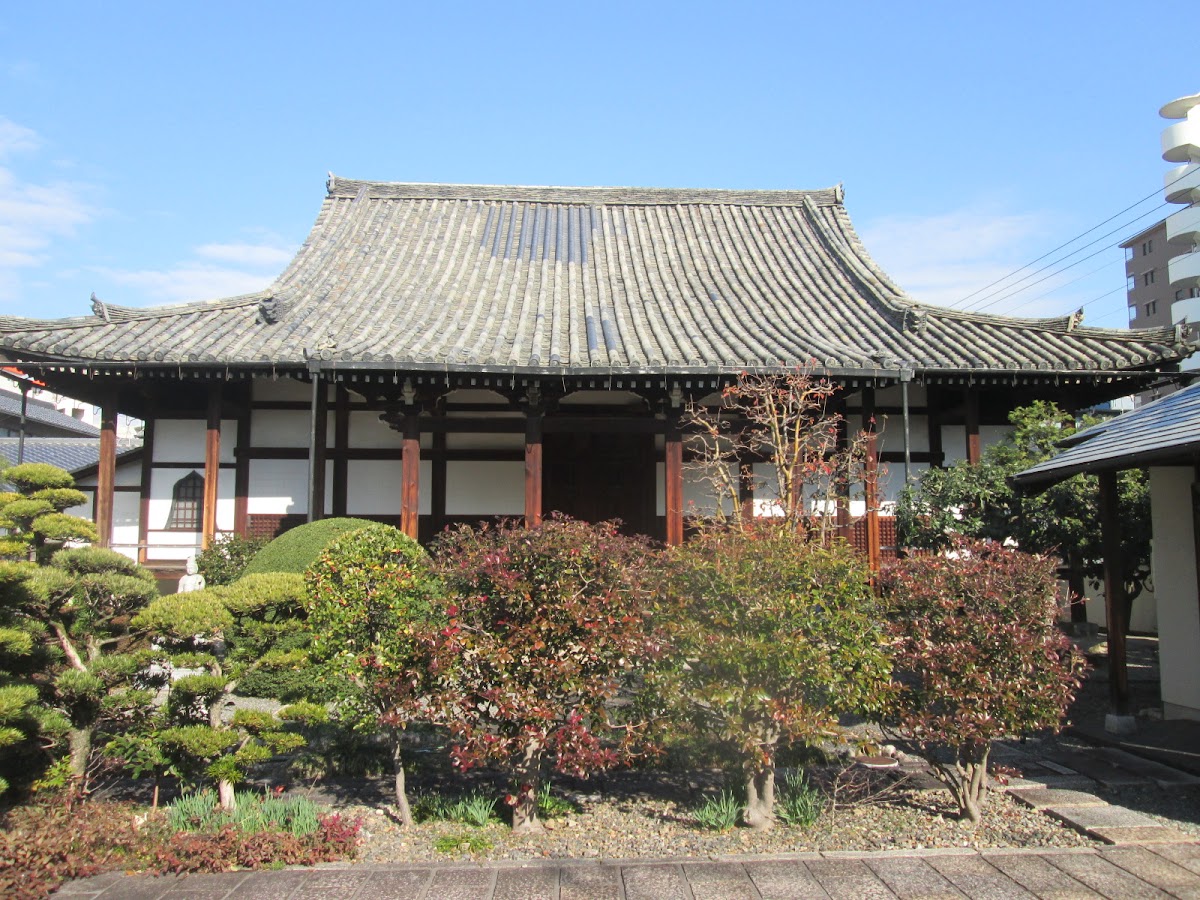
About Daitoku-ji Temple
Daitoku-ji Temple is the head temple of the Daitoku-ji branch of the Rinzai school of Zen Buddhism, located in Murasakino, Kita-ku, Kyoto City. Its official name is “Ryūhōzan Daitoku-ji.” Within its vast grounds of approximately 60,000 tsubo (about 200,000 square meters), it comprises the main temple building and over 20 sub-temples, each possessing its own unique gardens and cultural assets, making it a grand Zen Buddhist complex.
History and Origins
Founding and Development
Daitoku-ji Temple was founded in 1315 (Shōwa 4) by Daitō Kokushi (Sōhō Myōchō). Initially a small hermitage, it became an imperial temple after receiving the patronage of Emperor Go-Daigo and Emperor Hanazono, and was ranked first among the “Ten Temples,” second only to the Five Great Zen Temples of Kyoto.
After being destroyed in the Ōnin War, Ikkyū Sōjun (Ikkyū-san) dedicated himself to its reconstruction. Through his disciple Murata Juko, a deep connection with the tea ceremony was forged, and tea masters such as Sen no Rikyu, Furuta Oribe, and Kobori Enshu were involved in their training and garden design.
Connection with Zen Master Ikkyu
Ikkyu Sojun, a Zen monk of the Muromachi period, is known as the restorer of Daitoku-ji Temple. He became the head priest of Daitoku-ji at the age of 81 and dedicated himself to rebuilding the dilapidated temple buildings. His spirit, affectionately known as “Ikkyu-san the witty,” still lives on at Daitoku-ji today.
Highlights of the Temple Grounds
National Treasures and Important Cultural Properties
Karamon Gate (National Treasure)
A magnificent four-legged gate from the Momoyama period. Said to be a remnant of Jurakudai Palace, its exquisite carvings have earned it the nickname “Higurashi-mon Gate” (meaning “the gate where you can look at it all day without getting bored”).
Hojo (Important Cultural Property)
Built in 1636. The temple is famous for its fusuma (sliding door) paintings of landscapes by Kano Tan’yu.
Hatto (Main Hall)
The ceiling painting of a dragon in clouds by Kano Motonobu is breathtaking. It is known as the “eight-direction staring dragon,” as its eyes seem to gaze at you no matter where you view it from.
Must-see sub-temples
Daisen-in (Special Place of Scenic Beauty/Historic Site)
A masterpiece of dry landscape gardening from the Muromachi period. In a space of only about 100 square meters, the flow of water from a waterfall to the ocean is represented with stones and sand. It is a “Horai-san style garden” that visualizes the state of Zen enlightenment.
Admission Fee: Adults 400 yen
Visiting Hours: 9:00 AM – 5:00 PM (March – November), 9:00 AM – 4:30 PM (December – February)
Ryogen-in Temple
The oldest sub-temple of Daitoku-ji Temple (founded in 1502). It boasts three gardens, and the “Totekiko” garden is particularly famous as Japan’s smallest rock garden. It expresses the Zen teaching that a single drop of water can become the ocean.
Admission Fee: Adults 350 yen
Visiting Hours: 9:00 AM – 4:30 PM
Zuiho-in Temple
Founded by the Christian daimyo, Otomo Sorin. The “Dokuzatei” garden, with its hidden stone arrangement resembling a cross, showcases the ingenuity of an era when religious freedom was restricted.
Kotoin Temple
Built by Hosokawa Tadaoki (Sansai) for his father, Yusai. The maple trees lining the approach are beautiful, and the autumn foliage is exceptional. The stone lantern “Kaketoro,” a cherished possession of Sen no Rikyu, is also a highlight.
Admission Fee: 500 yen for adults
Visiting Hours: 9:00 AM – 4:30 PM
Note: Temporarily closed for garden maintenance since 2019 (reopening date undecided)
Points to Note for Visitors
Guidelines for Visiting
- Separate Admission for Sub-temples: The main temple and each sub-temple require separate admission fees. Normally open to the public are the four temples of Daisen-in, Ryogen-in, Zuiho-in, and Koto-in.
- Aim for special openings: Normally closed sub-temples are sometimes opened to the public for a limited time in spring and autumn.
- Maintain silence: As it is also a training ground, please refrain from loud conversations and photography.
- Estimated time: Allow 2-3 hours for a thorough visit.
Recommended pilgrimage route
If starting in the morning: Main gate → Imperial Messenger Gate → Mountain Gate (Kinmokaku) → Buddha Hall → Dharma Hall → Main building (Karamon Gate/Hojo) → Daisen-in → Ryogen-in → Zuiho-in
Autumn foliage season (mid-to-late November): The approach to Koto-in is particularly beautiful. However, it gets crowded, so visiting immediately after opening is recommended.
Daitoku-ji Natto
“Daitoku-ji Natto,” produced on the temple grounds, is a salty fermented food that differs from typical stringy natto. Similar to Chinese fermented black beans (dou chi), it was a valuable source of protein for Zen monks. It’s perfect with rice porridge (ochazuke) or as a snack with sake, and is also a popular souvenir.
Where to buy: Daitoku-ji Temple main hall shop, Ikkyu, etc.
Benefits and Goshuin (temple stamps)
Main Benefits
- Fulfillment of Wishes: As a Zen training hall, it offers peace of mind and the realization of desires.
- Academic Success: Benefiting from the wisdom of Zen Master Ikkyu.
- Business Prosperity: Due to its connection with tea masters such as Sen no Rikyu, it enjoys strong faith from merchants.
- Protection from Evil and Good Fortune: Exorcism through Rinzai Zen prayers.
Goshuin Information
Different goshuin are given at the main hall and each sub-temple.
Honbo (Main Temple): “Honzan Daitokuji”
Daisenin (Temple): “Daisenin,” “Kannon”
Ryogenin (Temple): “Ryogenin,” “Good Fortune”
Price: 300 yen each
Reception Hours: 9:00 AM – 4:00 PM
Each temple also sells its own uniquely designed goshuincho (stamp book).
Access and Visiting Information
Basic Information
Address: 53 Murasakino Daitokuji-cho, Kita-ku, Kyoto City, Kyoto Prefecture 603-8231
Phone: 075-491-0019 (Honbo)
Visiting Hours: 9:00 AM – 5:00 PM (Varies by sub-temple)
Admission Fee: Honbo is usually closed to the public. Each sub-temple costs 300-500 yen.
Closed days: Varies by sub-temple (may not be open during religious services)
Access by train and bus
Using city bus (most convenient):
- From JR Kyoto Station, take city bus routes 101, 205, or 206 and get off at “Daitokuji-mae” bus stop, then a 5-minute walk.
- From Kitaoji Station on the Karasuma Subway Line, take city bus routes 204, 205, or 206 and get off at “Daitokuji-mae” bus stop, then a 5-minute walk.
Using the subway:
- Approximately 20-minute walk from Kitaoji Station on the Karasuma Subway Line.
Access by car
Approximately 30 minutes from the Kyoto Minami Interchange on the Meishin Expressway. However, there is no parking on the temple grounds; please use nearby coin-operated parking lots. During peak tourist season, parking lots are likely to be full, so using public transportation is recommended.
Nearby tourist spots
- Imamiya Shrine: 10-minute walk. Known as the “Shrine of Marriage to a Wealthy Person,” its specialty “Aburi Mochi” (grilled rice cakes) is also popular.
- Funaokayama: 15-minute walk. Famous for cherry blossoms and autumn leaves.
- Kinkaku-ji Temple: Approximately 10 minutes by car, approximately 15 minutes by bus.
Notes for Visitors
- Photography Restrictions: Photography is prohibited in many areas inside the building. Please be sure to check.
- Attire: Since there are times when you will be sitting in the seiza position, comfortable clothing is recommended.
- Season: In summer, there are many mosquitoes, so take precautions against insects. In winter, it gets very cold, so warm clothing is essential.
- Crowds: It is crowded during special opening periods in spring and autumn, and on weekends. Weekday mornings are the best time to visit.
Daitoku-ji Temple is one of Kyoto’s leading temples, where the spirit of Zen and the essence of Japanese beauty are condensed. Sitting in zazen in front of the tranquil garden will allow you to forget the hustle and bustle of the city and have a refreshing experience for your soul.