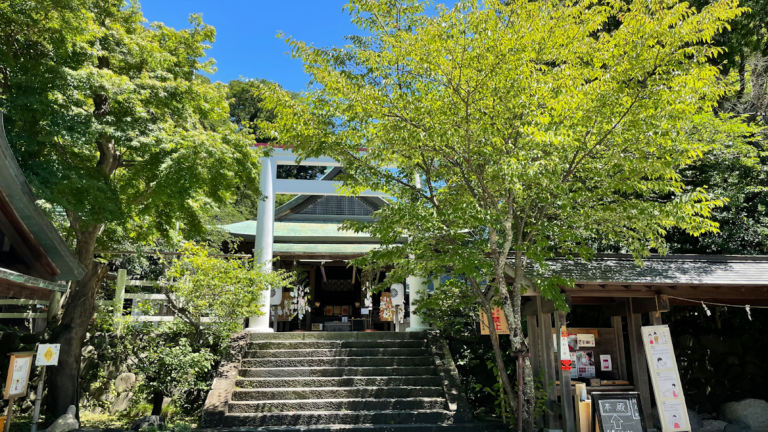
About Egara Tenjin Shrine
Egara Tenjin Shrine is a shrine located in Nikaido, Kamakura City, dedicated to Sugawara no Michizane, the god of learning. It is said to have been founded in 1104 (Chōji 1) and is counted as one of the Three Great Tenjin Shrines of Japan, along with Dazaifu Tenmangu Shrine in Fukuoka and Kitano Tenmangu Shrine in Kyoto.
As a guardian of the northeast (demon’s gate) of the Kamakura Shogunate, it attracted the reverence of successive shoguns, including Minamoto no Yoritomo, and remains a bustling ancient shrine, especially during exam season.
History and Origins
Legend of Founding
According to shrine tradition, on the night of August 25, 1104, an image of Tenjin suddenly descended from heaven, and the villagers revered and enshrined it, marking the beginning of the shrine. During the Kamakura period, Minamoto no Yoritomo constructed the shrine as a guardian against evil influences for the Kamakura Shogunate. Since then, it has been revered by monks of the Kamakura Five Mountains as a place to pray for academic success.
Connection to the Kamakura Shogunate
Minamoto no Yoritomo constructed the shrine in 1191 (Kenkyu 2), and thereafter, it attracted the faith of samurai families, including the Hojo clan. It is believed to have received the patronage of the shogunate throughout the Kamakura period and also served as a place of learning.
Points to Note During Your Visit
Main Hall and Worship Hall
The current main hall was relocated from Tsurugaoka Hachimangu Shrine in 1622 (Genna 8) and is designated as a Kamakura City Important Cultural Property. It is a valuable structure that preserves the architectural style of the early Edo period.
900-Year-Old Ginkgo Tree
Within the shrine grounds stands a sacred ginkgo tree estimated to be over 900 years old. Designated as a natural monument of Kamakura City, its golden appearance in autumn is magnificent. The trunk circumference is approximately 10 meters, suggesting it has stood here since before the founding of the Kamakura Shogunate.
Paintbrush Monument
Within the temple grounds is a paintbrush monument containing the paintbrushes of 153 manga artists. Erected in 1989 (Heisei 1), it contains brushes used by famous manga artists such as Ryuichi Yokoyama, Osamu Tezuka, and Fujio Akatsuka, highlighting an unexpected connection between manga culture and the god of learning.
Plum Blossom Spot
Numerous plum trees, a symbol of Tenjin-sama, are planted on the temple grounds, and white and red plum blossoms bloom profusely from late January to early March. Coinciding with exam season, it is bustling with visitors praying for success in exams while also enjoying the plum blossoms.
Benefits and Items Offered
Main Benefits
- Academic Success and Prayer for Passing Exams: As it enshrines Sugawara no Michizane, it is constantly visited by worshippers praying for success in exams and improved academic performance.
- Improvement in Calligraphy and Performing Arts: As Michizane was a distinguished man of letters, it is also a place to pray for improvement in all literary arts.
- Protection from Evil and Good Fortune: As a guardian of Kamakura’s northeast direction, it also offers protection from evil.
Popular Items Offered
- Academic Success Charm: A popular charm among students taking exams.
- Prayer Ema for Passing Exams: A votive tablet with a picture of a cow, on which to express your wishes.
- Pencil: A special pencil blessed for academic success.
Access Information
Access by Train
- Approximately 25 minutes on foot from JR Kamakura Station East Exit
- Take the bus bound for “Daitomiya” from JR Kamakura Station East Exit, get off at “Tenjinmae” and walk for 2 minutes.
Walking Route
The most common route is from Kamakura Station, via Tsurugaoka Hachimangu Shrine, and then east along the Kanazawa Road. The shrine is located just before Kamakura-gu (Daito-gu), with the main hall situated on a hill accessed by a stone staircase.
Parking
There is a free parking lot for visitors on the shrine grounds (approximately 5 spaces). However, it can get crowded during exam season and plum blossom season, so using public transportation is recommended.
Visiting Hours and Admission Fee
- Visiting Hours: Grounds are freely accessible (Shrine office is open from 9:00 to approximately 16:30)
- Admission Fee: Free
- Goshuin (Shrine Stamp) Reception: 9:00 to approximately 16:30
Nearby Attractions
- Kamakura-gu Shrine (Daito-gu Shrine): 5-minute walk, a shrine dedicated to Prince Moriyoshi
- Zuisen-ji Temple: 10-minute walk, a temple known for its garden designed by Muso Soseki
- Tsurugaoka Hachimangu Shrine: 15-minute walk, a representative shrine of Kamakura
Best Season for Visiting
- Late January to Early March: Plum blossom season, coinciding with exam season, creating a special atmosphere
- Late November: The golden leaves of the large ginkgo tree are at their peak
- New Year’s Visit Period: Bustling with visitors praying for academic success