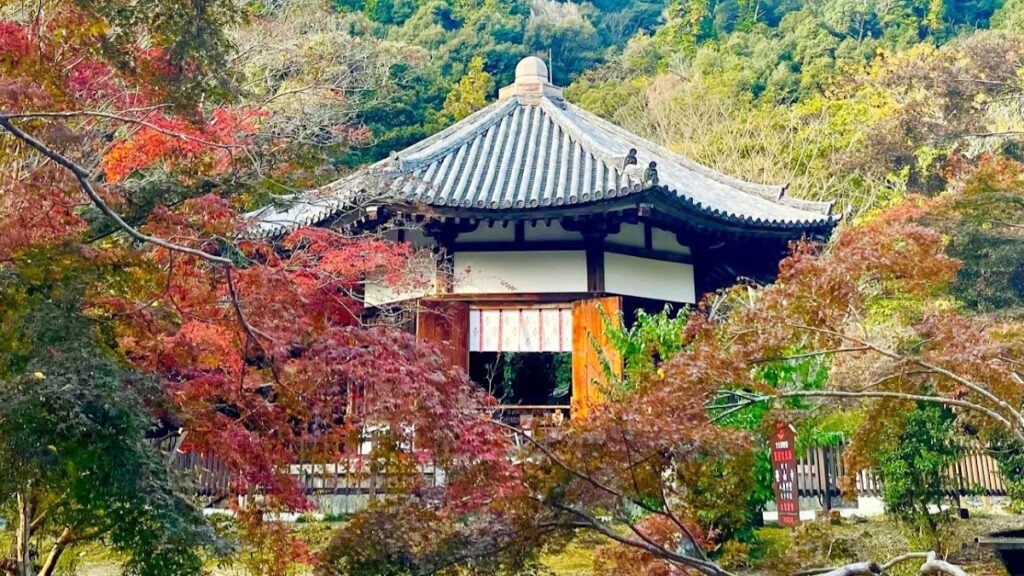
Eizanji Temple (Nara Prefecture) Complete Guide: A Historic Temple of the Fujiwara Southern Family with a National Treasure Octagonal Hall and Bell
Located in Kojima-cho, Gojo City, Nara Prefecture, Eizanji Temple is a historic Shingon sect temple of the Buzan school, dating back to the Nara period. It flourished as the family temple of the Fujiwara Southern family and is known as a valuable ancient temple possessing a National Treasure octagonal hall and bell. This article provides a detailed explanation of Eizanji Temple’s history, highlights within the temple grounds, cultural assets, and access information.
History of Eizanji Temple: Prosperity as the Family Temple of the Fujiwara Southern Family
Founding Circumstances and Fujiwara Muchimaro
Eizanji Temple was founded in 719 (Yoro 3) by Fujiwara Muchimaro, the eldest son of Fujiwara Fuhito. Initially called “Sakiyamadera,” it played an important role as the family temple of the Fujiwara Southern family.
Fujiwara no Muchimaro was the founder of the Southern branch of the Fujiwara clan, one of the four main branches of the Fujiwara family, and a powerful nobleman who rose to the position of Minister of the Left. Muchimaro built a temple in this area along the Yoshino River and enshrined Yakushi Nyorai (the Medicine Buddha) as its principal image. This area has long been known as a sacred place and is thought to have been suitable as a place for ascetic practice.
Construction of the Octagonal Hall and Fujiwara no Nakamaro
The Octagonal Hall, currently designated a National Treasure, was built by Fujiwara no Nakamaro (Emi no Oshikatsu), Muchimaro’s son, to commemorate his deceased father. Its construction is estimated to have taken place between 760 and 764 (Tenpyō Hōji 4-8).
Fujiwara no Nakamaro was a powerful figure in the late Nara period, at one point reaching a position second only to the Grand Minister of State. Built out of filial piety to his father, this Octagonal Hall is a valuable structure that conveys the architectural techniques of the Nara period and the depth of Buddhist faith.
Eizanji Temple during the Nanboku-cho Period
During the Nanboku-cho period (Northern and Southern Courts period), Eizanji Temple became an important base for the Southern Court. It served as a temporary imperial residence for Emperor Go-Murakami, Emperor Chokei, and Emperor Go-Kameyama. During this time, Eizanji Temple held a politically significant position.
Eizanji Temple, which had close ties to the Southern Court in Yoshino, functioned as an important base for the Southern Court, partly due to its geographical location in Gojo. This history demonstrates that Eizanji Temple was not merely a religious facility, but a place that played a significant role in Japanese history.
Changes since the Early Modern Period
After the wars of the Sengoku period and the decline of the Edo period, the size of Eizanji Temple decreased compared to its former glory. However, the octagonal hall and temple bell, both national treasures, miraculously escaped destruction and have been preserved to this day.
Although it was affected by the anti-Buddhist movement of the Meiji era, its value as a precious cultural asset was recognized, and it became a protected site. Currently, as a temple of the Buzan branch of the Shingon sect, it continues to attract local devotion while preserving important cultural properties.
Highlights of the Temple Grounds: A Treasure Trove of National Treasures and Important Cultural Properties
National Treasure: Octagonal Hall (Octagonal Circular Hall)
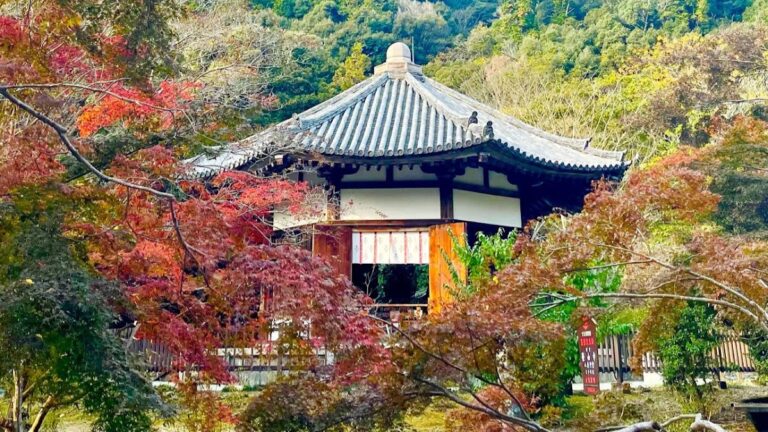
The greatest highlight of Eizanji Temple is undoubtedly the Octagonal Hall, designated as a National Treasure. Officially called “Eizanji Octagonal Hall,” it is known, along with the Yumedono Hall of Horyu-ji Temple, as one of the representative octagonal buildings of the Nara period.
Architectural Features
As its name suggests, the Octagonal Hall is a building with an octagonal plan, measuring approximately 2.7 meters per side and 6.6 meters between opposite sides. The roof is a pyramidal roof covered with traditional tiles and topped with a finial. It is a building that embodies the pinnacle of Nara period architectural technology and is an extremely valuable surviving structure for understanding the architectural style of that time.
The pillars are round, and the brackets are simple, using cloud-shaped brackets, but the overall proportions are elegant and harmonious. The deep eaves and elegantly curved roof lines are characteristic of Nara period architecture.
Interior Murals
Inside the octagonal hall, murals painted during the Nara period remain. Although these murals have deteriorated over time, they depict flying celestial beings and celestial beings playing musical instruments, making them valuable historical materials demonstrating the high level of painting technique of the time.
The style of the murals shares elements with the murals in the main hall of Horyu-ji Temple and the East Hall of Yakushi-ji Temple, occupying an important position in tracing the lineage of Buddhist painting during the Nara period. Currently, for preservation purposes, the interior is only open to the public on a limited basis.
National Treasure: Temple Bell
Another national treasure of Eizan-ji Temple is its temple bell. This bell is considered one of the “Three Great Masterpieces of the Heian Period” and is also known as one of Japan’s three most famous bells.
Characteristics and Inscription of the Temple Bell
The temple bell is believed to have been made in 757 AD (Tenpyō Shōhō 9), measuring approximately 1.5 meters in height and 0.9 meters in diameter. The bell body is adorned with magnificent decorations, and its beauty is so remarkable that it is considered one of the “Three Great Masterpieces of Heian Period” (temple bells, calligraphy, and writing).
Of particular note is the inscription carved on the bell. This inscription is said to be the work of Ono no Michikaze, one of the Three Great Calligraphers of the Heian period (although it is actually a Nara period work, so the Michikaze attribution is considered a later embellishment). The inscription praises the achievements of Fujiwara no Muchimaro and expresses a wish for the prosperity of Buddhism.
Beauty of the Sound
The temple bell of Eizanji Temple is also known for the beauty of its sound. Its clear, long-lasting resonance echoes through the Yoshino River valley, purifying the hearts of visitors. Even today, this precious bell is sometimes rung during special Buddhist ceremonies. ### Main Hall and Principal Image: Yakushi Nyorai
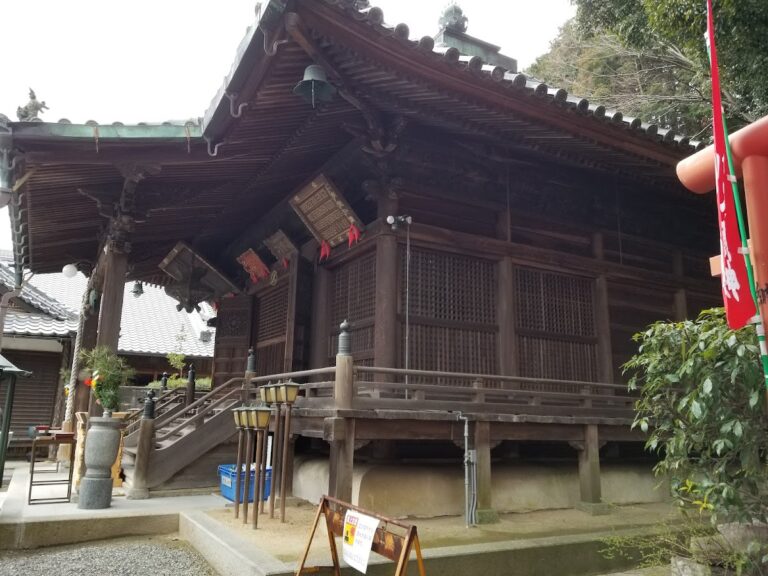
The main hall of Eizanji Temple was rebuilt during the Edo period and houses the seated statue of Yakushi Nyorai, the principal image of the temple. Yakushi Nyorai is revered as a Buddha of healing and longevity, attracting many worshippers.
The main hall is a magnificent building with a hipped roof, serving as the central structure of the temple grounds. Inside, in addition to Yakushi Nyorai, statues of Nikko Bosatsu and Gekko Bosatsu are enshrined as attendant deities.
Bell Tower and Temple Grounds Atmosphere
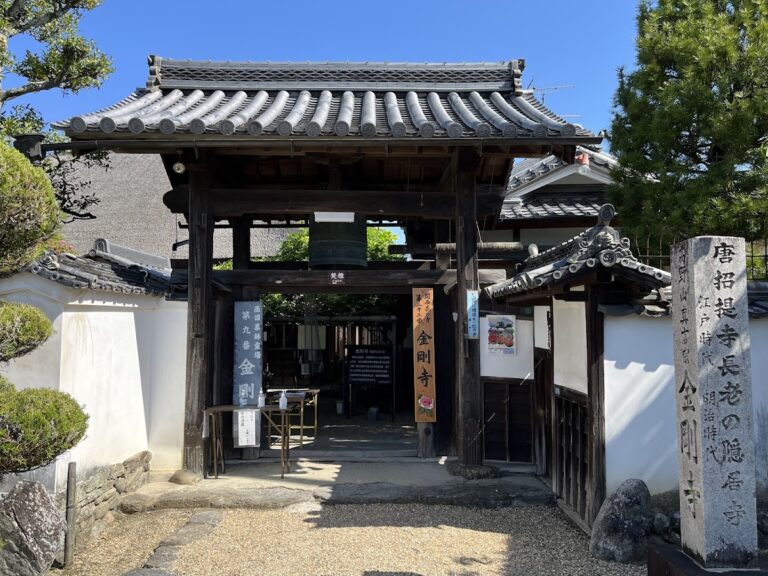
The bell tower, housing the national treasure bell, is an important structure within the temple grounds, along with the octagonal hall. Although built during the Edo period, the bell tower has a structure appropriate for protecting the bell.
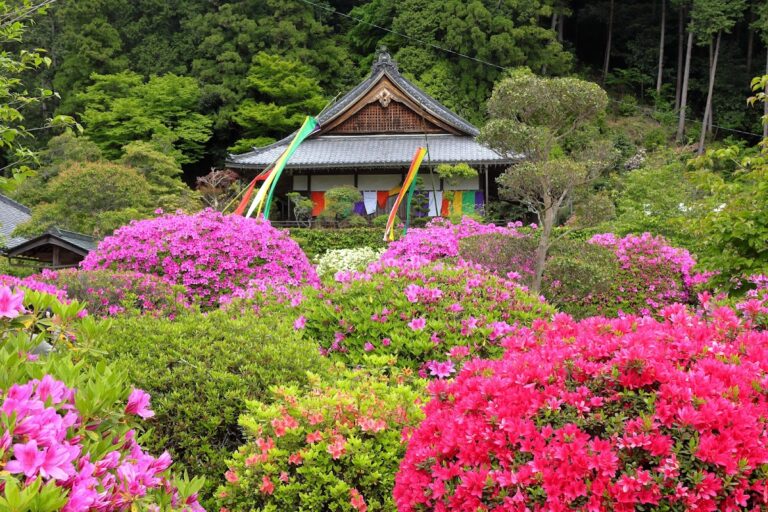
The temple grounds are situated on a hill overlooking the clear waters of the Yoshino River and surrounded by abundant nature. Visitors can enjoy the beautiful scenery of each season, from cherry blossoms in spring, to fresh greenery in early summer, and vibrant autumn leaves. This is a precious space where you can feel 1300 years of history in a tranquil atmosphere.
Details of Cultural Properties: National Treasures and Important Cultural Properties
National Treasure Designated Cultural Properties
Eizanji Temple has two national treasures designated.
Octagonal Hall (Building)
- Designated: December 28, 1897 (Meiji 30) (At the time, it was a specially protected building; later, a National Treasure)
- Period: Nara period (Tenpyo Hoji 4-8, 760-764)
- Structure: Octagonal hall, tiled roof, pyramidal roof
Temple Bell (Craftwork)
- Designated: December 28, 1897 (Meiji 30)
- Period: Nara period (Tenpyo Shoho 9, 757)
- Features: One of Japan’s three most famous bells, one of the three great bells of the Heian period
Important Cultural Properties
In addition to National Treasures, Eizanji Temple has several other Important Cultural Properties (Jubun).
Wooden Seated Statue of Yakushi Nyorai
- Period: Heian Period
- Material: Wood
- Features: Enshrined in the main hall as the principal image
These cultural artifacts demonstrate that Eizanji Temple is not merely a historical temple, but also holds an important position in the history of Japanese Buddhist art.
National Historic Site
The grounds of Eizanji Temple are designated as a national historic site, and its historical environment is protected. Its historical value as the family temple of the Fujiwara Nanke clan and as a temporary residence of the Southern Court is highly regarded.
Visiting Information and Access
Visiting Hours and Admission Fees
Please refer to the following information for visiting Eizanji Temple.
Normal Visiting Period
- Spring: April 25th to the last Sunday of May
- Autumn: October 25th to the last Sunday of November
- Visiting Hours: 9:00 AM to 4:00 PM
Visiting Outside of the Period
Visiting is possible outside of the above periods by making a reservation by phone the day before. Please be sure to contact us in advance.
Admission Fee
- Adults: Approximately 400 yen (Subject to change, so we recommend checking in advance)
Access
Location
503 Kojima-cho, Gojo City, Nara Prefecture 637-0031
Access by Train/Bus
- Get off at Gojo Station on the JR Wakayama Line
- Get off at the Eizanji-guchi bus stop on the Nara Kotsu Bus
- Approximately 10 minutes on foot from the bus stop
Since the number of buses is limited, we recommend checking the timetable in advance.
Access by Car
- Approximately 10 minutes from Gojo IC on the Keina-Wa Expressway
- Parking: Parking space available on the temple grounds (limited number of spaces)
Access on Foot
It takes approximately 30-40 minutes on foot from JR Gojo Station. You can also enjoy a stroll along the Yoshino River.
Nearby Tourist Attractions
When visiting Eizanji Temple, we recommend visiting other tourist attractions in Gojo City as well.
- Gojo Shinmachi Street: A preservation district for important traditional buildings, preserving the townscape of the Edo period.
- Kano Plum Grove: A famous spot where approximately 20,000 plum trees bloom in spring.
- Yoshino River: A natural spot where you can enjoy the clear stream and the beauty of the valley.
The Charm of Eizanji Temple: Reasons to Visit
Valuable Remains of Nara Period Architecture
The octagonal hall of Eizanji Temple is an extremely valuable example of existing Nara period architecture. Along with the Yumedono Hall of Horyuji Temple, it forms one of the two greatest octagonal Buddhist temple buildings. It is a building well worth seeing from both an architectural history and a Buddhist art history perspective.
A Historical Experience in a Quiet Environment
Located in the relatively quiet area of Gojo City, it has fewer tourists compared to famous temples in Nara City, making it an attractive place for leisurely visits. It can be said to be a hidden gem of a temple where you can quietly feel 1300 years of history.
The Beauty of Nature in Every Season
Near the rich natural surroundings along the Yoshino River, the temple grounds display beautiful scenery in each of the four seasons. The contrast between the octagonal hall and the autumn foliage is particularly stunning during the fall season. The fresh greenery of spring and the deep green of summer are also beautiful, allowing visitors to enjoy a landscape where nature and history harmonize.
Tracing the History of the Fujiwara Clan
Eizanji Temple, built as the family temple of the Fujiwara Southern House, is an important place for understanding the history of the Fujiwara clan. You can trace the footsteps of prominent figures of the Nara period, such as Fujiwara no Fuhito, Takechimaro, and Nakamaro.
Manners and Precautions for Visiting
Photography
Photography is generally permitted within the temple grounds, but there are some areas where photography is prohibited, such as inside the octagonal hall. Please be sure to check before taking photos and follow the instructions. We ask for your cooperation in protecting national treasures and important cultural properties.
Clothing and Belongings
As the temple grounds are located in a rich natural environment, we recommend wearing comfortable shoes. In summer, be sure to use insect repellent spray, and in winter, take proper precautions against the cold.
Regarding Reservations for Visits
If you plan to visit outside of the regular visiting period, advance reservations are absolutely necessary. Visits without prior reservations may not be possible, so please plan your visit accordingly.
Summary: Experiencing Japanese History and Culture at Eizanji Temple
Eizanji Temple, located in Gojo City, Nara Prefecture, is an ancient temple of the Buzan branch of the Shingon sect, possessing the national treasures of its octagonal hall and temple bell. Founded in 719 AD by Fujiwara no Muchimaro, it played an important role as the family temple of the Fujiwara Southern House and as a temporary residence for the Southern Court during the Nanboku-cho period.
The octagonal hall, which has existed since the Nara period, is one of Japan’s representative octagonal buildings, along with the Yumedono Hall of Horyu-ji Temple, and its interior murals are also valuable cultural assets. Furthermore, the temple bell, considered one of Japan’s three most famous bells, is known as one of the “Three Great Bells of the Heian Period” for its beautiful decoration and inscription.
Eizanji Temple, nestled in a tranquil setting overlooking the clear waters of the Yoshino River, offers a glimpse into 1,300 years of history. When visiting Nara, why not extend your trip a little and visit this hidden gem? The grandeur of its national treasure architecture and the peaceful atmosphere surrounded by nature are sure to leave a profound impression on visitors.