Ennoji Temple (Kamakura City, Kanagawa Prefecture) Complete Guide | The Charm of a Historic Ancient Temple Enshrining Enma Daio and the Ten Kings
Ennoji Temple, located in Yamanouchi, Kamakura City, Kanagawa Prefecture, is known as a unique temple that enshrines Enma Daio as its principal deity. Situated in a quiet residential area near Kenchoji Temple, this ancient temple, also known as “Enma-do” and “Juo-do,” houses a valuable collection of Buddhist statues passed down from the Kamakura period. This article provides detailed information you should know before visiting, including the history of Ennoji Temple, its highlights, access methods, and visiting information.
History and Origin of Ennoji Temple
Founded in Kencho 2 (1250)
Ennoji Temple is a Rinzai Zen temple of the Kenchoji school, founded in Kencho 2 (1250). The temple was founded by Zen Master Chikaku (also known as Zen Master Chikaku), a senior disciple of Zen Master Daikaku, the founder of Kencho-ji Temple, and is also known as the ninth abbot of Kencho-ji. Its mountain name is Niiyama, and it was originally located near the coast in Yuigō as “Niiyama Enma-dō.”
The Great Genroku Earthquake and Relocation
Initially, Enno-ji Temple was located near the sea, but the temple was damaged by the Great Genroku Earthquake and the subsequent tsunami in 1703. Following this disaster, it was relocated to its current location in Yamanouchi, where it remains today. This history of relocation holds significant importance as a record of natural disasters in Kamakura.
As a Center of the Ten Kings of Hell Worship
Enno-ji Temple is one of the central temples of the Ten Kings of Hell Worship, which spread during the Kamakura period. The Ten Kings of Hell Worship involves the belief in ten kings (including King Yama) whom people are said to encounter in the underworld after death, and is deeply connected to memorial services for the deceased. Ennoji Temple is a valuable temple that preserves this faith to this day, and is counted as the fifth temple on the Kamakura Thirteen Buddhas pilgrimage and the eighth temple on the Kamakura Twenty-Four Jizo pilgrimage.
Highlights of Ennoji Temple
Principal Image: Seated Statue of Enma Daio (National Important Cultural Property)
The greatest highlight of Ennoji Temple is its principal image, a wooden seated statue of Enma Daio. It is said to have been created in 1250 (Kencho 2) and is attributed to Unkei, a renowned Buddhist sculptor of the Kamakura period (although there are other theories). Designated as a National Important Cultural Property, this imposing seated statue, approximately 2.4 meters tall, expresses the dignity and terror of Enma Daio, the judge of the underworld who presides over the dead.
Nicknames: “Laughing Enma” and “Man-Eating Enma”
The Enma Daio statue at Ennoji Temple is also known as “Laughing Enma” due to its expression. While King Yama is generally depicted with a stern expression, this statue has a unique look that, depending on the angle, appears to be smiling. Furthermore, according to legend, he is also known as “Man-Eating Yama” due to an anecdote about mistakenly eating a child.
The Ten Kings and the Worldview of the Underworld
Inside the main hall, statues of all ten kings are enshrined, with King Yama at the center. The ten kings are the ten judges whom the deceased is said to encounter between the seventh day after death and the third anniversary of death. They are Qin Guang Wang, Chu Jiang Wang, Song Di Wang, Wu Guan Wang, Yama Wang, Bian Cheng Wang, Tai Shan Wang, Ping Deng Wang, Du Ji Wang, and Wu Dao Zhuan Lun Wang. The sight of these statues gathered together is breathtaking, allowing visitors to experience the worldview of the underworld as believed by people in the Middle Ages.
Statues of Datsueba and Ken’eō
Along with the statues of the Ten Kings, the temple also houses statues of Datsueba, the old woman who strips the clothes off the dead at the banks of the Sanzu River (the river of the underworld), and Ken’eō, who hangs the clothes on a tree to weigh the weight of the deceased’s sins. These statues are believed to be from the Kamakura period and are valuable cultural artifacts that convey the views on life and death held by people of that time.
Atmosphere of the Main Hall and Temple Grounds
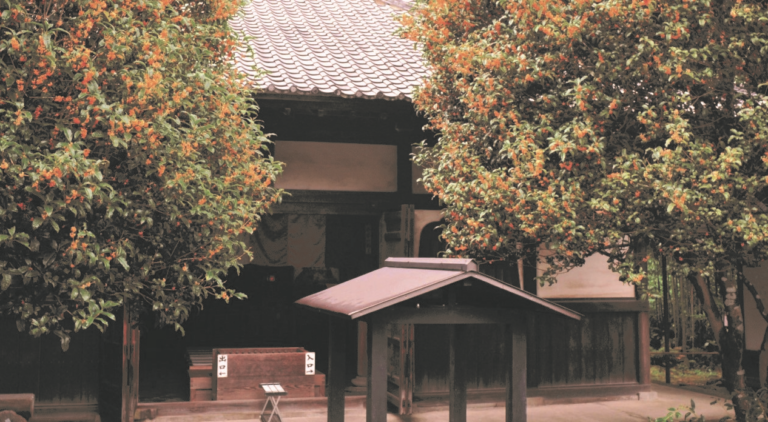
The grounds of Ennōji Temple are small but possess a tranquil and peaceful atmosphere. The main hall is a simple yet tasteful building, and features a dry landscape garden inside. Located in a residential area slightly removed from the hustle and bustle of Kita-Kamakura, it is relatively quiet, making it an attractive place for a peaceful visit.
Basic Information about Ennoji Temple
Visiting Hours and Admission Fees
Visiting Hours:
- March to November: 9:00 AM to 4:00 PM
- December to February: 9:00 AM to 3:00 PM
- Enma Festival Days (January 16th, August 16th): Special viewing available
Admission Fee:
- Adults: 200 yen
- Junior High School Students and Younger: 100 yen
Closed Days:
Irregular closures (May be closed due to bad weather, etc.)
Location and Contact Information
Address:
247-0062 1543 Yamanouchi, Kamakura City, Kanagawa Prefecture
Phone Number:
0467-25-1095
Sect:
Rinzai Zen Kenchoji School
Mountain Name:
Shin’i-zan
Principal Image:
Enma Daio (King Yama)
Pilgrimage Site:
- Fifth of the Kamakura Thirteen Buddhas Pilgrimage
- Eighth of the Kamakura Twenty-Four Jizo Pilgrimage
How to Access Ennoji Temple
Access by Train
Walking from Kita-Kamakura Station:
Approximately 15-20 minutes on foot from JR Yokosuka Line “Kita-Kamakura Station”. Exit Kita-Kamakura Station and head towards Kenchoji Temple. Continue past Kenchoji Temple and you will see a sign for Ennoji Temple. Since it is located in a residential area, be careful not to miss the sign.
By Bus from Kamakura Station:
From the east exit of Kamakura Station (JR Yokosuka Line/Enoshima Electric Railway), take the Enoden Bus and get off at the “Kenchoji” bus stop. It’s about a 5-minute walk from there. Bus routes towards Ofuna are available.
Access by Car and Parking
Ennoji Temple does not have its own parking lot. If visiting by car, we recommend using nearby paid parking lots (around Kenchoji Temple, etc.) or parking in a coin-operated parking lot near Kita-Kamakura Station and walking. Roads in Kamakura are narrow and especially congested on weekends and during tourist seasons, so using public transportation is recommended.
Combining with Nearby Temples
Ennoji Temple is within walking distance of Kenchoji Temple and is also close to other famous temples in Kita-Kamakura, such as Engakuji Temple and Meigetsuin Temple. Incorporating Ennoji Temple into a walking course visiting these temples, starting from Kita-Kamakura Station, allows for efficient pilgrimage.
Goshuin (Temple Stamp) Information
Goshuin of Ennoji Temple
You can receive a Goshuin at Ennoji Temple. Please speak to the receptionist inside the main hall. The Goshuin features the calligraphy of “Enma Daio” (King Yama) and the temple’s seal. You can also receive stamps for the Kamakura Thirteen Buddhas and Kamakura Twenty-Four Jizo pilgrimage sites.
Goshuin Fee:
300 yen (typical price)
Reception Hours:
During temple hours (9:00 AM to 4:00 PM or 3:00 PM)
You can bring your own Goshuin book, or you can receive a pre-printed Goshuin. Recently, the number of visitors collecting Goshuin has increased, and many visit as part of a Kamakura pilgrimage.
Annual Events at Ennoji Temple
Enma Festival (January 16th & August 16th)
Ennoji Temple holds the Enma Festival twice a year. These are January 16th and August 16th, and special memorial services are held on these days. August 16th, in particular, is the last day of the Obon festival and is considered an important day for ancestor worship. Many more worshippers visit the temple on the Enma Festival than usual, creating a lively atmosphere.
Recommended Tourist Spots near Ennoji Temple
Kenchoji Temple (5-minute walk)
The closest famous temple to Ennoji Temple is Kenchoji Temple. Founded in 1253, it is a prestigious Zen temple, the first of the Five Great Zen Temples of Kamakura. Its vast grounds include a national treasure bell and an important cultural property Buddha hall. The deep connection between Ennoji Temple and Kenchoji Temple is evident from the fact that the temple’s founder, Zen Master Chigaku, was also the ninth abbot of Kenchoji Temple.
Engakuji Temple (15-minute walk)
Located directly in front of Kita-Kamakura Station, Engakuji Temple is the second-ranked Rinzai Zen temple and the head temple of the Kamakura Five Mountains. Founded in 1282 by Hojo Tokimune, it possesses many cultural assets, including the national treasure Shariden (reliquary hall) and the Great Bell. It is also known as a famous spot for autumn foliage, offering beauty throughout the seasons.
Meigetsuin Temple (20-minute walk)
Famous as the “Hydrangea Temple,” Meigetsuin Temple boasts approximately 2,500 hydrangea bushes in June, attracting many tourists. The garden view from the circular window is also popular, and the autumn foliage is magnificent. It offers a contrasting splendor to Ennoji Temple, and visiting both allows you to experience the diverse temple culture of Kamakura.
Jochi-ji Temple (25-minute walk)
Jochi-ji Temple, the fourth-ranked of the Five Great Zen Temples of Kamakura, is a quiet temple with beautiful moss-covered stone steps and bamboo groves. It enshrines Hotei, one of the Seven Lucky Gods of Kamakura and Enoshima, and the atmosphere of the temple grounds is very peaceful. There are relatively few tourists, allowing for a leisurely stroll.
Gourmet Spots Around Enno-ji Temple
Cafes and Restaurants Around Kita-Kamakura Station
Around Kita-Kamakura Station, there are many restaurants with a nice atmosphere, including cafes renovated from old houses and restaurants serving vegetarian cuisine. Taking a break between temple visits to enjoy dishes made with Kamakura vegetables or sweets is recommended.
Dining Options Around Kencho-ji Temple
Near the gate of Kencho-ji Temple, there is a restaurant serving what is considered the original Kenchin-jiru soup. Kenchin-jiru is a vegetarian dish said to have originated at Kencho-ji Temple, and it is a local dish that you should definitely try when visiting Kamakura.
Points to Note When Visiting Ennoji Temple
Photography
Photography of the Buddha statues inside the main hall is prohibited. Please observe the rules to protect the important cultural property and show respect to the object of worship. Photography of the temple grounds exterior is permitted, but please be considerate of other visitors.
Clothing and Belongings
There are no specific dress code requirements, but appropriate and modest attire for temple visits is desirable. Since it is hot in summer and cold in winter, please dress appropriately for the season. If accessing the temple on foot from Kita-Kamakura Station, comfortable walking shoes are recommended.
Checking Visiting Hours
Ennoji Temple is a small temple, so it may be closed to visitors during bad weather or religious services. If you wish to visit without hesitation, it is recommended to check by phone in advance. Also, visiting hours vary depending on the season, so please check before visiting.
The Charm and Worth of Visiting Ennoji Temple
A Hidden Gem of Kamakura
Ennoji Temple is less well-known than famous temples like Kenchoji and Engakuji, but precisely because of this, it is a hidden gem where you can quietly worship. It is rarely crowded with tourists, providing an environment where you can truly contemplate the Buddhist statues.
Experiencing Medieval Views on Life and Death
The sight of Enma Daio (King Yama) and the Ten Kings of Hell gathered together is a rare and precious sight rarely seen in other temples. There are few places where you can experience so concretely the worldview of the underworld and the concept of judgment after death as believed by people in the Kamakura period. It is especially recommended for those interested in history and Buddhist culture.
A Base for Pilgrimages
As a pilgrimage site for the Kamakura Thirteen Buddhas and the Kamakura Twenty-Four Jizo, Ennoji Temple is an important temple for pilgrims. For those collecting temple stamps or undertaking pilgrimages, Ennoji Temple is an essential spot.
Ennoji Temple and Kamakura Culture
Kamakura Buddhism and the Ten Kings of Hell Worship
The Kamakura period was a time of innovation in the history of Japanese Buddhism, with many new sects emerging. Zen Buddhism was also introduced from China during this period and spread mainly among the samurai class. The Ten Kings of Hell worship at Ennoji Temple also represents one aspect of the Buddhist culture of this era, conveying to the present day the view of the afterlife that permeated among the common people.
Unkei and Kamakura Sculpture
The fact that the statue of Enma Daio (King Yama) at Ennoji Temple is said to be the work of Unkei demonstrates the importance of Kamakura sculpture. Unkei was a leading Japanese Buddhist sculptor who was active from the late Heian period to the early Kamakura period, leaving behind masterpieces such as the Kongo Rikishi statues at the South Gate of Todaiji Temple. The realistic and powerful expression characteristic of the Unkei style can also be seen in the Enma statue at Ennoji Temple.
Visitor Voices and Reputation
Quiet and Peaceful Atmosphere
Many visitors highly appreciate the quiet and peaceful atmosphere of Ennoji Temple. One of its attractions is the opportunity to visit the temple peacefully, away from the hustle and bustle of famous tourist spots.
Impressive Buddhist Statues
Many visitors are overwhelmed by the imposing presence of the statues of Enma Daio (King Yama) and the Ten Kings of Hell in the main hall. The size and expressiveness of the Enma Daio statue, in particular, are said to have a greater impact than imagined when seen in person.
Difficulty in Access
On the other hand, some visitors find it difficult to find the temple, as it is located in a residential area. It is recommended to pay attention to the signs and use map apps.
Summary: The Significance of Visiting Ennoji Temple
Ennoji Temple in Kamakura City, Kanagawa Prefecture, is a rare temple nationwide that enshrines Enma Daio as its principal deity. Since its founding in 1250, it has been a historically significant temple that has preserved the Ten Kings of Hell faith in Kamakura, possessing cultural and religious importance.
The Buddhist statues from the Kamakura period, including the seated statue of Enma Daio (King Yama), designated as a National Important Cultural Property, are a valuable cultural heritage that conveys the excellent sculpting techniques and people’s views on life and death of that era. The unique expression, sometimes called “Laughing Enma,” leaves an unforgettable impression.
Its convenient location, within walking distance of Kita-Kamakura Station, is also a major draw. Visiting it along with other famous temples such as Kencho-ji and Engaku-ji allows for a deeper understanding of Kamakura’s temple culture. As a hidden gem less crowded with tourists, it’s especially recommended for those who want to visit at a leisurely pace.
When you visit Kamakura, be sure to visit Enno-ji Temple and experience the world of the Ten Kings of Hell worship that has continued since the Middle Ages, and the awe-inspiring statue of Enma Daio. A special time enveloped in history, culture, and tranquility awaits you.
Frequently Asked Questions about Enno-ji Temple
Q1: How much is the entrance fee for Enno-ji Temple?
A1: The entrance fee for Ennoji Temple is 200 yen for adults and 100 yen for junior high school students and younger. This is a relatively reasonable entrance fee compared to other temples in Kamakura.
Q2: How do I get to Ennoji Temple?
A2: It’s about a 15-20 minute walk from Kita-Kamakura Station on the JR Yokosuka Line, or about a 5-minute walk from the Kenchoji bus stop on the Enoden bus from Kamakura Station. It’s located in a residential area past Kenchoji Temple.
Q3: What are the visiting hours for Ennoji Temple?
A3: From March to November, it’s 9:00 AM to 4:00 PM, and from December to February, it’s 9:00 AM to 3:00 PM. There are special viewings on Enma Ennichi (January 16th and August 16th).
Q4: Can I get a Goshuin (temple stamp) at Ennoji Temple? **
A4: Yes, you can get a Goshuin (temple stamp) at Ennoji Temple. Please speak to the receptionist inside the main hall. You can also get stamps for the Kamakura Thirteen Buddhas and Kamakura Twenty-Four Jizo pilgrimage sites.
Q5: Is the Enma Daio (King Yama) statue at Ennoji Temple really a work by Unkei?
A5: It is said to be a work by Unkei from Kencho 2 (1250), but there is no definitive evidence, and there are other theories. However, it is certainly an excellent sculpture from the Kamakura period and is designated as a National Important Cultural Property.
Q6: Can I take pictures inside the main hall of Ennoji Temple?
A6: Photography of the Buddha statues inside the main hall is prohibited. Please follow the rules when visiting, out of respect for the important cultural property and the object of worship.
Q7: Does Ennoji Temple have a parking lot?
A7: Ennoji Temple does not have a dedicated parking lot. If you are visiting by car, we recommend using the paid parking lots around Kenchoji Temple or Kita-Kamakura Station.
Q8: What other temples can I visit near Ennoji Temple?
A8: Kenchoji Temple (5-minute walk), Engakuji Temple (15-minute walk), Meigetsuin Temple (20-minute walk), Jochiji Temple (25-minute walk), and others are all within walking distance, making it an ideal temple-hopping route in Kita-Kamakura.