Complete Guide to Enshoji Temples: A Thorough Explanation of the History, Buddhist Statues, and Goshuin (Temple Seal) Information of Enshoji Temples Across Japan
There are several temples named “Enshoji” throughout Japan, each possessing its own unique history and cultural assets. This article provides detailed explanations of Enshoji temples in various locations, including Nara City, Obama City in Fukui Prefecture, Tokyo, and Suita City in Osaka Prefecture.
What is Enshoji Temple?: Origin of the Name and Nationwide Distribution
The temple name “Enshoji” means “shining with the light of perfect wisdom” in Buddhism, and is used throughout Japan. Despite sharing the same name, each Enshoji temple has a different sect, founding date, and historical background, and has played an important role as a center of local faith.
Major Ensho-ji temples include a nunnery of the Myoshin-ji branch of the Rinzai school in Nara City, an ancient Rinzai Zen temple in Obama City, Fukui Prefecture, a Koyasan Shingon Buddhist temple in Suita City, Osaka Prefecture, and a Tendai Buddhist temple in Shinjuku Ward, Tokyo.
Ensho-ji Temple in Nara City: One of the Three Monzeki Nunneries of Yamato
History and Origin
Located in Yamamachi, Nara City, Ensho-ji Temple is a nunnery belonging to the Myoshin-ji branch of the Rinzai school, and its mountain name is Fumonzan. This temple is known as one of the “Three Monzeki Temples of Yamato,” a prestigious monzeki temple, alongside Chūgū-ji Temple in Ikaruga and Hokke-ji Temple in Sahoji.
Founded by Princess Bunchi, this temple has a long history as a nunnery where female members of the imperial family and nobility served as abbesses. It is also known as “Yamamura Goten” or “Yamamura Gosho,” reflecting its high status.
Head of the Yamamura-ryu School of Ikebana
Enshoji Temple is not merely a temple, but is also known as the head of the Yamamura-ryu school of Ikebana. This school of Ikebana possesses a unique aesthetic sense linked to the spirituality of the temple, and preserves an elegant and dignified style of flower arrangement befitting a monzeki temple (a temple formerly headed by a member of the imperial family).
Visiting Hours and Annual Events
Enshoji Temple in Nara is usually closed to the public, but it is sometimes open during special viewing periods. During the special viewings in spring and autumn, visitors can tour the main hall and gardens, experiencing the tranquil atmosphere unique to a nunnery monzeki temple.
Enshoji Temple in Obama City, Fukui Prefecture: An Ancient Temple with Important Cultural Property Buddhist Statues
History of Founding and Changes
Enshoji Temple, located in Ozaki, Obama City, Fukui Prefecture, is said to have been founded in the Nara period as the Shingon sect temple “Enshoji” in Dainichizan Dodani. Later, due to a major flood of the Minamikawa River, the temple was relocated to its current location in the Ozaki district in 1444. During this relocation, it converted from the Shingon sect to the Rinzai sect, and its name was changed to “Ensho-ji.”
In 1612, it was relocated and rebuilt at its current site, establishing the foundation of the temple as it exists today. This area is a center of faith, visited by many worshippers as part of the “Obama Eight Temple Pilgrimage.”
Nationally Designated Important Cultural Property Buddhist Statues
The greatest highlight of Ensho-ji Temple in Obama is the three Buddhist statues enshrined in the Zen meditation hall. In particular, the seated statue of Dainichi Nyorai and the standing statue of Fudo Myoo are designated as National Important Cultural Properties and are highly regarded as excellent examples of Heian period Buddhist sculpture.
Seated Statue of Dainichi Nyorai
The seated statue of Dainichi Nyorai represents Dainichi Nyorai, the central Buddha of Esoteric Buddhism, and is worshipped as a being embodying the truth of the universe. This statue, believed to be from the Heian period, is characterized by its dignified physique and serene expression. The posture, forming the Chiken-in mudra, is typical of esoteric Buddhist art.
Standing Statue of Fudo Myoo
The standing statue of Fudo Myoo depicts the deity who crushes worldly desires with a wrathful expression. It is a typical depiction of Fudo Myoo, holding a sword in his right hand and a lasso in his left, and its powerful form, with a flaming halo behind it, is impressive. It is placed in a position that seems to make eye contact with worshippers, evoking a strong sense of spiritual power.
Obama Eight Temples Pilgrimage and Eight Seal Collection
Enshoji Temple is included in the “Obama Eight Temples Pilgrimage,” a local temple pilgrimage route. In the “Eight Seal Collection” pilgrimage, you can collect a temple seal at each temple, and there is a program where you can receive a commemorative gift if you collect all eight.
On the “Expert’s Guide to the Wakasa Region’s Shrines and Temples,” viewing the Buddhist statues at Ensho-ji Temple is considered a must-see spot, making it an unmissable location for Buddhist art enthusiasts.
Access Information
- Location: Ozaki, Obama City, Fukui Prefecture
- Transportation: Walking distance or bus ride from Obama Station on the JR Obama Line
- Visiting: Advance contact recommended
Ensho-ji Temple, Suita City, Osaka Prefecture: Senri Yamada Kannon
History from the Heian Period
Ensho-ji Temple, located in Suita City, Osaka Prefecture, is a temple belonging to the Koyasan Shingon sect and is affectionately known as “Senri Yamada Kannon.” It is said to have been founded in the third year of Ninju (853 AD) during the Heian period by Jikaku Daishi Ennin, making it an ancient temple with over 1150 years of history as of the 2020s.
Prosperity at its Peak
At its peak, it is said that numerous halls and temple buildings were scattered throughout the former Yamada Village area (present-day northern Suita City), forming a large complex of temples. It attracted many believers as the center of local faith in Senri and Yamada.
Current Activities
Even today, it remains a center of local faith, holding annual events and memorial services. It is known as a temple with strong ties to the local residents, centered on Kannon worship.
Access Information
- Location: Suita City, Osaka Prefecture
- Transportation: Accessible via Hankyu Senri Line, Osaka Monorail, etc.
Ensho-ji Temple in Shinjuku Ward, Tokyo: A Temple Associated with Fujiwara Hidesato
Founding Legend and History
Ensho-ji Temple in Shinjuku Ward, Tokyo, is known as a temple associated with Fujiwara Hidesato (Tawara Tōta), a military commander of the Heian period. According to legend, when Hidesato quelled Taira no Masakado’s rebellion, he prayed to Yakushi Nyorai (the Medicine Buddha), and achieved victory through his divine intervention. As a result, he rebuilt the Kashiwagi hall into a magnificent temple, naming it Ensho-ji (around 940-941).
Principal Image and Worship
The principal image is Yakushi Nyorai, and the temple attracts worshippers seeking healing from illness and prayers for good health. Yakushi Nyorai, considered the source of the spiritual power that defeated Masakado, who held power throughout the Kanto region, continues to attract many worshippers.
Access Information
- Location: Shinjuku-ku, Tokyo
- Transportation:
- Approximately 8 minutes on foot from the south exit of the east exit of Higashi-Nakano Station on the JR Sobu Line
- Approximately 10 minutes on foot from the north exit of Okubo Station on the JR Sobu Line
Other Ensho-ji Temples
Ensho-ji Temple in Taito-ku (Asakusa), Tokyo
Located in an area of small temples east of Asakusa Higashi Hongan-ji Temple, Ensho-ji Temple is said to have been founded by Kujo Kanpaku Kanemitsu. Its connection to Kanemitsu, a figure from the Tale of the Heike, enhances the historical value of this temple.
Ensho-ji Temple in Matsue City, Shimane Prefecture
Founded in 1577 by Jōen-in Nichishin, and established by Matsushima Suō-no-kami, this is a Nichiren Buddhist temple. In 1611 (Keicho 16), the temple relocated to Teramachi in the castle town of Matsue Castle. However, the main hall was destroyed by fire in 1857 (Ansei 4), and was subsequently rebuilt.
Ensho-ji Temple, Nishinari Ward, Osaka City
This temple belongs to the Jodo Shinshu Honganji sect and is affiliated with the Nishinari group. As a local temple, it supports the faith of the local community.
Manners and Precautions for Visiting Ensho-ji Temple
Importance of Prior Confirmation
Many Ensho-ji temples are usually closed to the public or have limited visiting hours. Especially in Nara, nunneries are only open during special viewing periods, so be sure to check official information before visiting.
Regarding Photography
Photography of important cultural properties such as Buddhist statues is often prohibited. Even in areas where photography is permitted, flash photography is strictly prohibited as it can damage the statues.
Attire and Attitude
Remember that temples are places of worship. Visit with appropriate attire and a respectful attitude. Especially at monzeki temples (temples formerly headed by a member of the imperial family), there is a strong emphasis on formality and tradition.
Goshuin (Temple Seal) Information
Each Ensho-ji temple offers its own unique goshuin. At Ensho-ji in Obama, you can collect goshuin as part of an “Eight Temple Pilgrimage,” and there’s a program where you receive a commemorative gift upon completion.
When receiving a goshuin, please complete your prayers first, then hand over your goshuin book and handle the process courteously. Some temples also offer pre-printed goshuin.
Tourist Attractions Around Ensho-ji Temple
Around Ensho-ji Temple in Nara
Around Ensho-ji Temple in Nara City, there are numerous temples and shrines registered as World Heritage Sites, including Todai-ji Temple, Kofuku-ji Temple, and Kasuga Taisha Shrine. You can enjoy the atmosphere of the ancient capital while strolling through Nara Park.
Around Ensho-ji Temple in Obama
Obama City, facing Wakasa Bay, is home to the other “Eight Temples of Obama” and numerous shrines and temples of Wakasa. Enjoy historical walks while savoring the bounty of Wakasa’s sea.
Around Ensho-ji Temple in Tokyo
The area around Ensho-ji Temple in Shinjuku Ward boasts Shinjuku Gyoen National Garden and numerous commercial facilities, allowing visitors to enjoy urban sightseeing after their pilgrimage. The area around Ensho-ji Temple in Asakusa is full of Edo-period charm, including Senso-ji Temple and the Sumida River.
Annual Events and Festivals
Each Ensho-ji Temple holds annual events based on its respective sect and local customs.
Main Annual Events
- New Year: First Shrine Visit of the Year, Shusho-e Ceremony
- Spring: Hana Matsuri (Buddha’s Birthday), Spring Special Viewing (Nara)
- Summer: Obon Festival
- Autumn: Autumn Special Viewing (Nara), Higan Ceremony
- Winter: New Year’s Eve Bell Ringing
During special viewing periods, cultural properties that are normally closed to the public may be displayed, so it is recommended to check the information in advance.
Cultural Properties of Ensho-ji Temple
Nationally Designated Important Cultural Properties
The seated statue of Dainichi Nyorai and the standing statue of Fudo Myoo, owned by Ensho-ji Temple in Obama, possess high artistic and historical value as esoteric Buddhist sculptures from the Heian period, and are designated as National Important Cultural Properties.
These Buddhist statues are valuable cultural heritage that conveys the advanced skills and faith of the Buddhist sculptors of that time. In particular, the seated statue of Dainichi Nyorai holds a significant position in the history of Buddhist art, representing the pinnacle of esoteric Buddhist art.
Architecture and Gardens
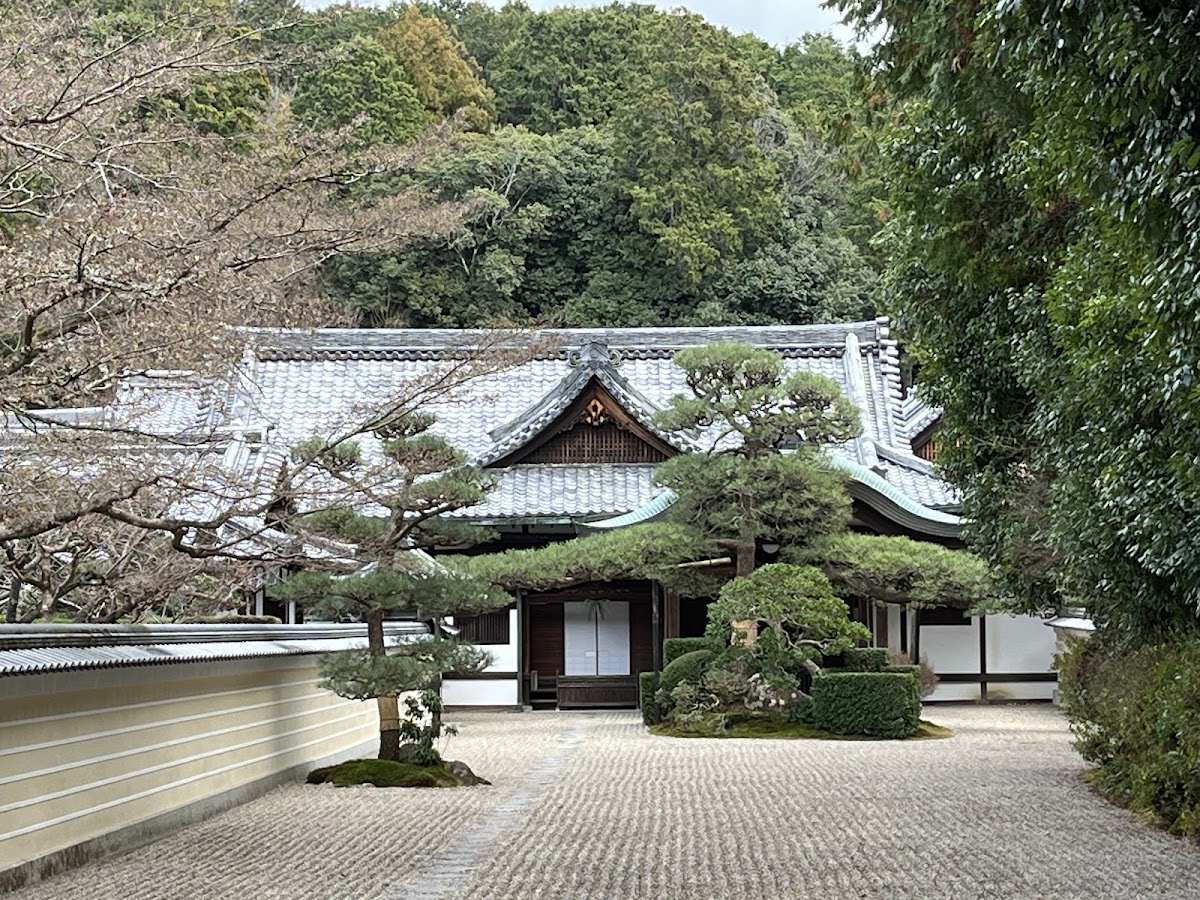
Each Ensho-ji temple has architecture and gardens that reflect the characteristics of its respective era and region. The garden of Ensho-ji in Nara creates an elegant and tranquil space befitting a nunnery, embodying a Zen aesthetic that integrates with nature.
Summary: The Charm of Visiting Ensho-ji Temples
Ensho-ji temples, scattered throughout Japan, each possess their own unique history and cultural assets, offering different attractions to visitors. From the prestigious nunnery of Nara to the important cultural property Buddha statue in Obama and the samurai legend of Tokyo, the diverse world of Ensho-ji symbolizes the richness of Japanese Buddhist culture.
Through visiting temples, you can learn about Japanese history and culture, as well as the forms of faith in each region. Checking information about each temple beforehand and observing proper etiquette during your visit will lead to a deeper experience.
Enjoy your visit to Enshoji Temple according to your interests, whether it’s appreciating Buddhist statues, collecting temple stamps, or exploring history. In particular, the tour of the eight temples in Obama is a recommended course that allows you to experience the history and culture of Wakasa comprehensively.