Fumyoji Temple: A Complete Guide to Historic Temples and Cultural Properties Across Japan
There are several temples named Fumyoji throughout Japan. Each belongs to a different sect and is a valuable temple with its own unique history and cultural properties. This article provides a detailed explanation of the history, cultural properties, and highlights of the major Fumyoji temples.
Fumyoji Temple in Akishima City, Tokyo (Tendai Sect, Haijima-san)
History and Overview
Located in Haijima-cho, Akishima City, Tokyo, Fumyoji Temple belongs to the Tendai sect and its mountain name is Haijima-san. The principal image is Dainichi Nyorai (Vairocana Buddha). While there are no clear records of the temple’s founding date, it is said to have been rebuilt during the Sengoku period (Warring States period). There is also a theory that it was founded in 1573 (Tensho 1), making it an ancient temple with a history of over 400 years.
Fumyoji Temple has played an important role as the head temple of Dainichi-do, which is designated as a Tokyo Metropolitan Historic Site. A Bettō-ji is a temple that manages shrines and temple buildings, representing a unique religious form in Japan during the era of syncretism of Shinto and Buddhism.
Structure and Characteristics of the Temple Grounds
The temple grounds of Haijima-yama consist of the Dainichi-dō (Great Buddha Hall) at its center, surrounded by Fumyo-ji Temple, Honkaku-in Temple (Haijima Daishi), Enpuku-ji Temple, and Hiyoshi Shrine. This layout forms a typical Tendai sect temple ground and is designated as a Tokyo Metropolitan Historic Site, a rare and valuable example within Tokyo.
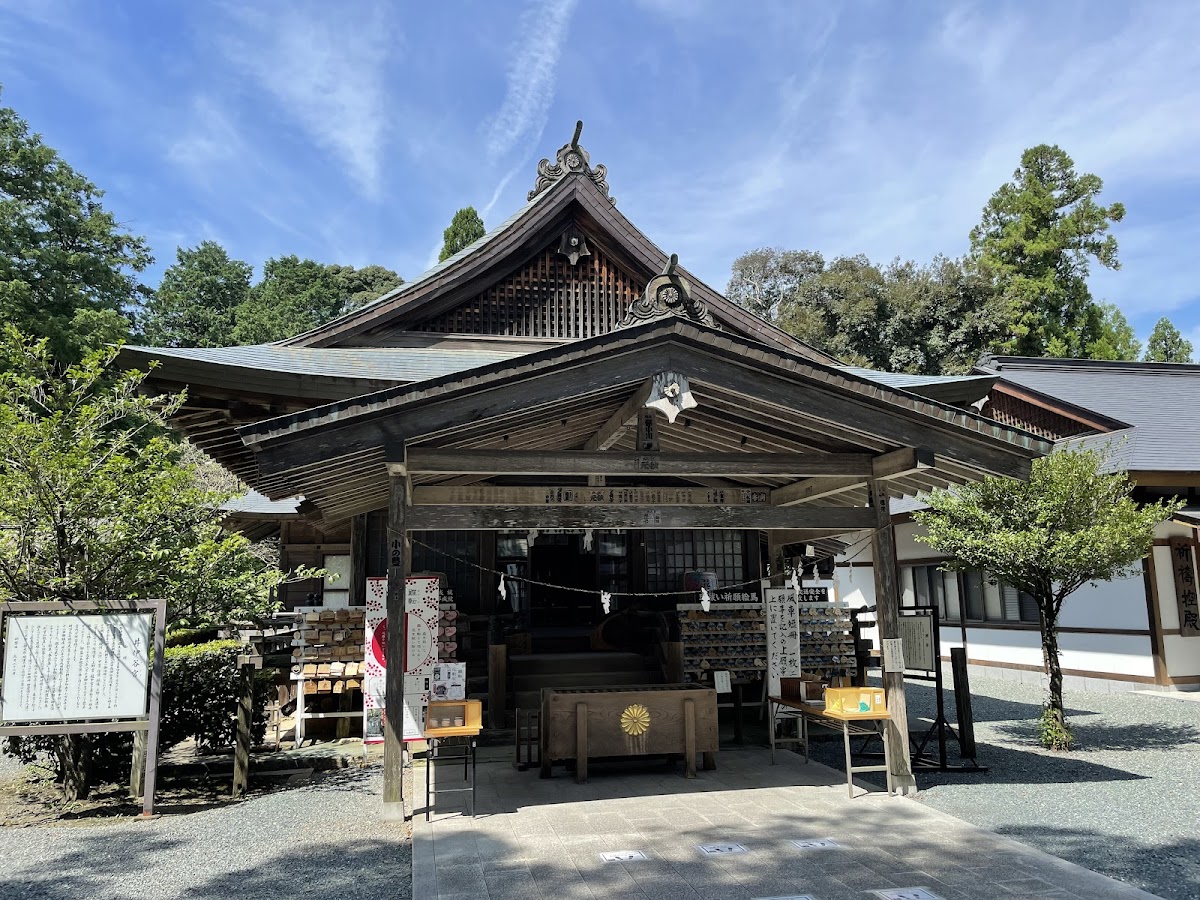
Within the grounds, the Dainichi-dō is at the center, surrounded by the Yakushi-dō (Medicine Buddha Hall), bell tower, and Niomon Gate, and also includes Hiyoshi Shrine, the guardian shrine of the Tendai sect. These buildings, working together, well preserve the style of Edo period temple architecture.
Cultural Properties and Highlights
The greatest cultural property of Fumyo-ji Temple is the Dainichi-dō, which is designated as a Tokyo Metropolitan Historic Site. The Dainichi-dō houses valuable Buddhist statues, and the Three Buddhas statues, in particular, possess high artistic and historical value. In 2025, a special exhibition of the Dainichido Three Buddha statues is scheduled during Tokyo Cultural Heritage Week, offering an opportunity to view these precious cultural artifacts up close, which are not normally accessible to the public.
Furthermore, it is a famous wisteria spot, affectionately known as “Haijima’s Wisteria” by locals, and in spring, beautiful wisteria blossoms adorn the temple grounds. The landscape, where nature and history harmonize, leaves a deep impression on visitors.
Access and Visiting Information
Located in Haijima-cho, Akishima City, Tokyo, it is within walking distance of Haijima Station on the JR Ome Line, Itsukaichi Line, and Seibu Haijima Line. It is relatively close to the city center, making it an ideal location for historical walks.
Fumyo-ji Temple (Obaku Sect) in Kashima City, Saga Prefecture
Family Temple of the Nabeshima Family of the Kashima Domain
Fumyo-ji Temple, located in Kashima City, Saga Prefecture, is a temple belonging to the Obaku sect and is known as the family temple of the Nabeshima family of the Kashima Domain. This historic temple was built in 1677 (Enpō 5), modeled after Manpuku-ji Temple in Kyoto.
The Ōbaku sect is a branch of Zen Buddhism that was introduced from China in the early Edo period, possessing a unique architectural style and culture. Kashima’s Fumyo-ji Temple is a valuable temple that preserves the Ōbaku sect style well, and therefore holds high architectural historical value.
Features of the Temple Grounds and the Burial Grounds of Successive Lords
The grounds of Fumyo-ji Temple are surrounded by a lush, natural forest. In this tranquil space, bathed in dappled sunlight, the tombstones of successive lords of the Kashima domain are neatly arranged. This burial ground retains the style of a daimyo family’s ancestral temple from the Edo period, making it a valuable historical site for understanding the funeral culture of that time.
Characteristics of Ōbaku Sect Architecture
Ōbaku sect temple architecture strongly reflects the architectural style of the Ming Dynasty in China. The buildings of Fumyo-ji Temple exhibit characteristics of the Obaku style, such as symmetrical arrangement, a unique roof curve, and decorative carvings. Built in imitation of Manpuku-ji Temple in Kyoto, it possesses elements of authentic Obaku architecture.
Visiting and Access
Located in the heart of Kashima City, it is accessible from Hizen-Kashima Station on the JR Nagasaki Main Line. It is a valuable place where one can experience the history and culture of the Edo period in a tranquil natural environment.
Fumyo-ji Temple (Soto Zen sect), Takarazuka City, Hyogo Prefecture
Overview and Principal Image
Fumyo-ji Temple, located in Takarazuka City, Hyogo Prefecture, is a temple belonging to the Soto Zen sect. Its mountain name is Jikozan, and its principal image is Amida Buddha. It is also known as the 12th temple of the Settsu Province Thirty-Three Kannon Pilgrimage, and the Thousand-Armed Kannon, the principal image of the pilgrimage, is enshrined on the left side inside the main hall.
Role as a Pilgrimage Site
The Settsu Province Thirty-Three Kannon Pilgrimage is a pilgrimage route based on Kannon worship. Fumyo-ji Temple, as the 12th temple on the Shikoku Pilgrimage, has welcomed many pilgrims. The Thousand-Armed Kannon is a form of Kannon Bodhisattva believed to save all beings, with a thousand arms said to rescue various sentient beings.
Temple Grounds and Environment
Fumyo-ji Temple in Takarazuka City is situated on a hill overlooking distant mountain ranges. The quiet environment, enveloped in the rustling of trees, provides deep peace to visitors. A cemetery is also located on the premises, playing an important role as a place of worship for the local people.
Access and Surrounding Environment
Located within Takarazuka City, it is accessible by Hankyu Railway and other public transportation. Situated amidst Takarazuka’s rich natural environment, it offers a peaceful place for worship.
Fumyo-ji Temple (Soto Zen Buddhism) in Susono City, Shizuoka Prefecture
Temple Associated with Takeda Shingen
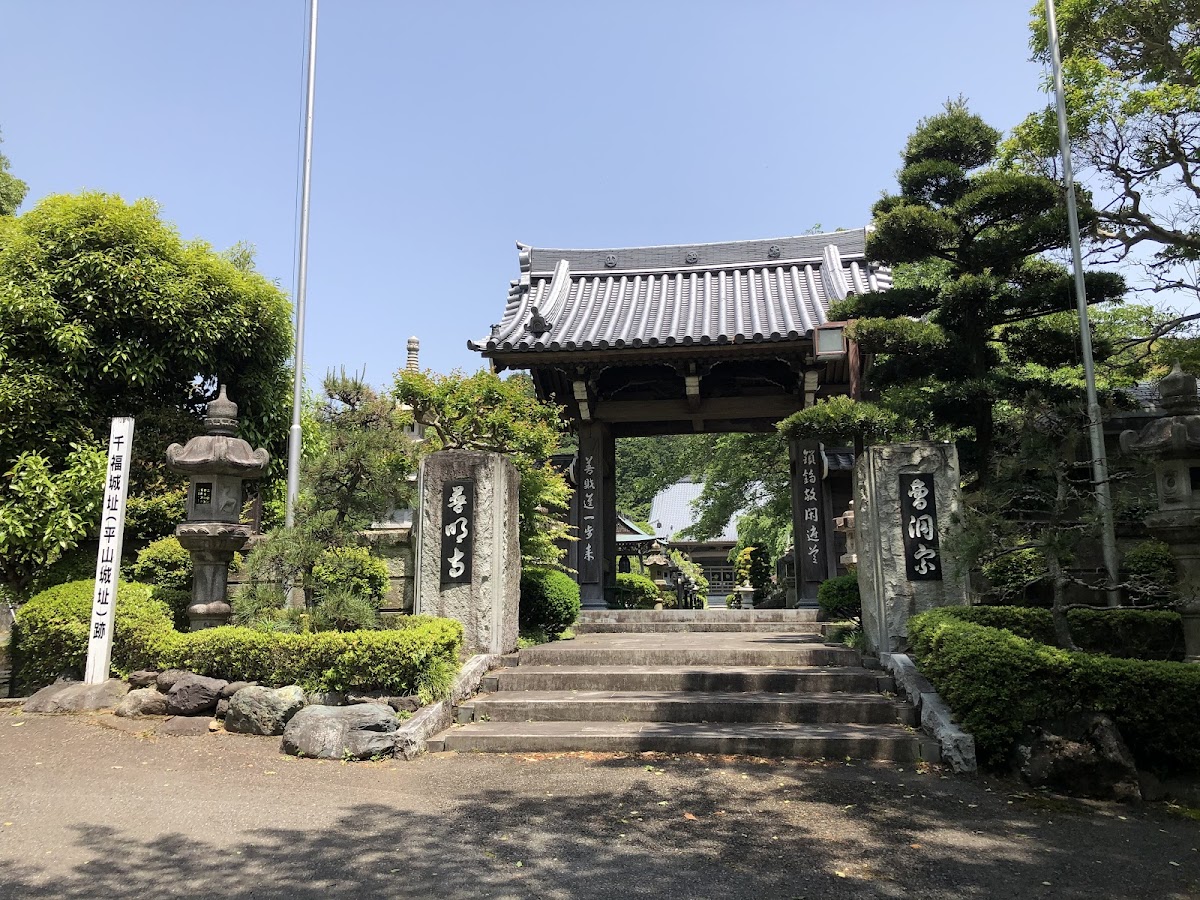
Fumyo-ji Temple, located in Senpuku, Susono City, Shizuoka Prefecture, is a temple belonging to the Soto Zen sect, and its mountain name is Taiheizan. This temple is known for its connection to Takeda Shingen and is a valuable historical site that conveys the history of the Sengoku period.
Relationship with Senpuku Castle Ruins
Near Fumyo-ji Temple are the ruins of Senpuku Castle, indicating that this area was an important military base during the Sengoku period. It was a region where the Takeda and Hojo clans fought, and Fumyo-ji Temple is believed to have played a significant role in that history.
Common Characteristics of Fumyo-ji Temples in Various Regions
Origin and Meaning of the Name
The name “Fumyo” means “to illuminate universally” in Buddhism. It expresses the teaching that the wisdom and compassion of Buddha illuminate all sentient beings, and many temples bear this name.
Diversity of Sects
Fumyo-ji temples throughout Japan belong to various sects, including the Tendai, Obaku, and Soto sects. This indicates that different Buddhist traditions took root in each region and era. The characteristics of each Buddhist sect are reflected in their architectural styles, rituals, and cultural properties, and comparing them allows us to understand the diversity of Japanese Buddhism.
Connections to the Community
Fumyo-ji temples throughout Japan are deeply connected to their respective communities. As family temples for daimyo families, pilgrimage sites, and centers of local faith, they have played a crucial role in shaping regional culture throughout their long history.
Value as Cultural Properties
Architectural Cultural Properties
Fumyo-ji temples throughout Japan retain buildings that represent their respective eras and sects. Many cultural properties of architectural historical value exist, such as the Dainichi-do Hall in Akishima City, Tokyo, and the Obaku-style temple complex in Kashima City, Saga Prefecture.
Fine Arts and Crafts
Each temple houses valuable works of art and crafts, including Buddhist statues, Buddhist paintings, and crafts. In particular, Buddhist statues of high artistic and religious value are enshrined, such as the Three Buddhas in Akishima City, Tokyo, and the Thousand-Armed Kannon in Takarazuka City.
Historical Materials
Each Fumyo-ji temple preserves valuable materials for understanding the local history, such as ancient documents, temple registers, and temple records. These materials are important historical sources for studying the society, culture, and beliefs of the Edo period.
Etiquette and Guidelines for Visiting a Temple
Basic Method of Visiting a Temple
When visiting a Fumyo-ji temple, follow the general etiquette for visiting a temple. Bow at the main gate before entering the grounds, and purify your hands and mouth at the water basin. At the main hall, quietly join your hands in prayer and offer your prayers with sincerity.
Differences by Sect
There are slight differences in etiquette depending on the sect, such as the Tendai, Obaku, and Soto sects. However, the most important thing is to visit with a reverent heart. If you are unsure of specific etiquette, you can observe other visitors or ask the temple staff.
Annual Events and Special Openings
Regular Events
Each Fumyo-ji temple holds various Buddhist events throughout the year. By participating in seasonal Buddhist services such as the New Year’s Shusho-e, the Spring and Autumn Higan-e, and the Obon Segaki-e, you can gain a deeper understanding of Buddhist culture.
Special Openings
At Fumyo-ji Temple in Akishima City, Tokyo, special openings of the Dainichi-do Three Buddha statues are held in conjunction with Tokyo Cultural Heritage Week, providing opportunities to view cultural properties that are not usually open to the public. These special openings are valuable opportunities that strike a balance between cultural property preservation and public access.
How to Enjoy Visiting Fumyo-ji Temples
Temple Visits as Historical Exploration
Even temples bearing the same name, “Fumyo-ji,” have different histories and characteristics. Visiting multiple Fumyo-ji temples allows you to experience the diversity and regional characteristics of Japanese Buddhist culture.
Comparison of Architectural Styles
Comparing the differences in architecture between different Buddhist sects, such as Tendai, Obaku, and Soto styles, is extremely beneficial for understanding Japanese architecture. Observing the layout of each temple complex, the structure of the buildings, and the characteristics of their decorations deepens one’s understanding of architectural history.
Harmony of Nature and History
Every Puming Temple is situated in a rich natural environment. The lush forests, seasonal flowers, and tranquil atmosphere of the temple grounds make it an ideal place to escape the hustle and bustle of modern life and find peace of mind.
Preservation and Transmission of Puming Temples to Future Generations
Cultural Heritage Protection Efforts
Puming Temples throughout the region are engaged in preservation activities to pass on valuable cultural assets to future generations. Various initiatives are underway, including the restoration of buildings, the preservation of arts and crafts, and the digitization of ancient documents.
Collaboration with Local Communities
Temples are not merely cultural assets; they are also places of faith and daily life for the local people. Multifaceted activities are being carried out in collaboration with local communities, including the transmission of traditional events, maintenance of the temple grounds, and promotion of cultural activities.
Utilization as a Tourism Resource
With their historical value and cultural appeal, Puming Temples are also important tourism resources for the region. Efforts are needed to convey the value of temples to many people while maintaining an appropriate balance between public access and preservation.
Summary
There are several temples named Fumyo-ji throughout Japan, each with its own unique history and cultural assets. The Tendai sect temple in Akishima City, Tokyo, is known for its Dainichi-do hall and three Buddha statues; the Obaku sect temple in Kashima City, Saga Prefecture, serves as the family temple of the Nabeshima clan; and the Soto sect temple in Takarazuka City, Hyogo Prefecture, is a pilgrimage site for the 33 temples of Settsu Province, each playing an important role.
Visiting these temples offers a valuable opportunity to understand the diversity of Japanese Buddhist culture and to experience local history. By finding peace in the tranquil grounds and touching the cultural assets preserved over long histories, we can truly feel the faith and culture of our ancestors.