Complete Guide to Fuse Benten Tokaiji Temple | The Charm and Benefits of the 1200-Year-Old Kanto’s Three Great Benten Temples
Nestled amidst the tranquil scenery along the Tone River in the northwestern part of Kashiwa City, Chiba Prefecture, Fuse Benten Tokaiji Temple is a historic temple beloved by locals as “Fuse’s Benten-sama.” Its official name is “Guryuzan Fuse Benten Tokaiji,” and it is known as one of the three great Benten temples of the Kanto region, dating back to the Edo period.
This article comprehensively covers all the information you need for a visit to Fuse Benten Tokaiji Temple, including its history, benefits, highlights of the grounds, seasonal scenery, prayer information, and access details.
About Fuse Benten Tokai-ji Temple
Overview of Koryuzan Fuse Benten Tokai-ji Temple
Fuse Benten Tokai-ji Temple is a prayer temple belonging to the Buzan branch of the Shingon sect, and is said to have been founded in 807 AD by Kobo Daishi Kukai. The principal image is a statue of Benzaiten (a hidden Buddha) said to have been created by Kobo Daishi Kukai, and is believed to bring blessings for academic success, business prosperity, and artistic improvement.
Known affectionately as “Fuse no Benten-sama,” this temple is one of the three great Benten temples of the Kanto region, alongside Enoshima Shrine in Kanagawa Prefecture and Asakusa Benten-yama in Tokyo, and has attracted many worshippers since ancient times. Located in Kashiwa City, Chiba Prefecture, it boasts a scenic environment surrounded by abundant nature, while still being easily accessible from central Tokyo.
A Prayer Temple with 1200 Years of History
The history of Fuse Benten Tokai-ji Temple dates back over 1200 years. In 807 AD, during his pilgrimage to eastern Japan, Kobo Daishi Kukai visited this area and carved and enshrined a statue of Benzaiten, marking the beginning of this temple. Since then, it has been a center of faith in the region and a popular prayer temple, attracting the devotion of many people.
During the Edo period, Fuse Benten, Akebonoyama, and Teganuma were known as the three major tourist destinations of Kashiwa, bustling with worshippers and tourists. The prosperity of that time can still be seen in the magnificent temple buildings that remain today.
The current main hall was built in 1717, and along with the gate and bell tower, it is designated as an important cultural property of Chiba Prefecture, a valuable cultural heritage that preserves the architectural style of the mid-Edo period.
Benefits of Fuse Benten and Benzaiten Worship
What is Benzaiten?
Benzaiten (Benten) is a deity originally from Hinduism, specifically the goddess Saraswati, who was incorporated into Buddhism. Revered as the goddess of water, music, and learning, Benzaiten is widely worshipped in Japan as one of the Seven Lucky Gods.
Benzaiten is often depicted holding a biwa (lute) and is known as the goddess who presides over music, art, and learning. Furthermore, because her name “Benzaiten” (弁才) sounds similar to “Benzaiten” (弁財), she is also believed to bring good fortune in wealth and business prosperity, attracting a wide range of worshippers.
Benefits Received at Fuse Benzaiten
Fuse Benzaiten Tokaiji Temple is believed to offer the following benefits:
Academic Success and Passing Exams
Benzaiten is known as the goddess of wisdom and learning, and many students and those preparing for exams visit the temple. It is especially recommended for those wishing for academic improvement and passing exams.
Business Prosperity and Increased Wealth
Due to her role as a goddess of wealth, she is also deeply revered by business owners and self-employed individuals who wish for business prosperity and success. Many visit to pray for opening a business or for business success.
Improvement in Arts and Performing Arts
As a deity presiding over music and art, it is deeply revered by musicians, artists, and those involved in the performing arts, and many visit to pray for improvement in their skills.
Protection from Misfortune and Good Fortune
As a temple for prayer, it also offers general blessings such as protection from misfortune, good fortune, and family safety.
Guide to the Temple Grounds and Highlights
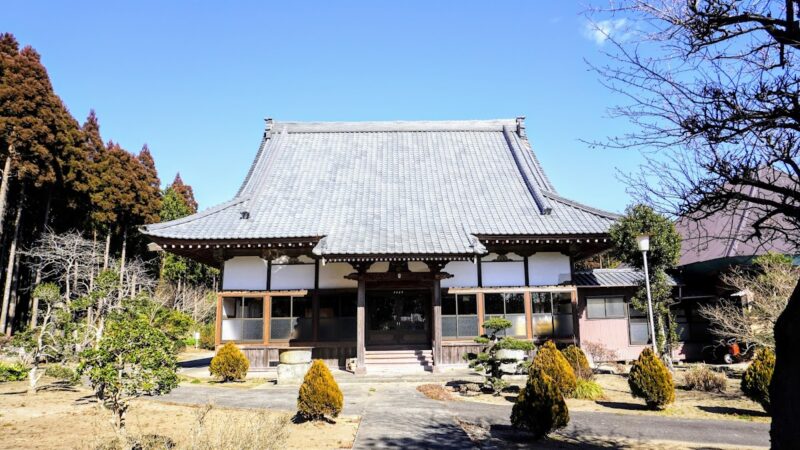
Main Hall (Chiba Prefecture Important Cultural Property)
The main hall of Fuse Benten Tokai-ji Temple is a historical building constructed in 1717 (Kyoho 2) and designated as an Important Cultural Property of Chiba Prefecture. It boasts an impressive size with a width of 5 bays (approximately 11.6 meters) and a depth of 6 bays (approximately 12.6 meters).
Inside the main hall, a statue of Benzaiten, said to have been created by Kobo Daishi Kukai, is enshrined as a hidden Buddha image and is not usually open to the public. However, its sacred atmosphere purifies the hearts of visitors. The main hall, which strongly retains the architectural style of the mid-Edo period, is also a valuable structure from an architectural history perspective.
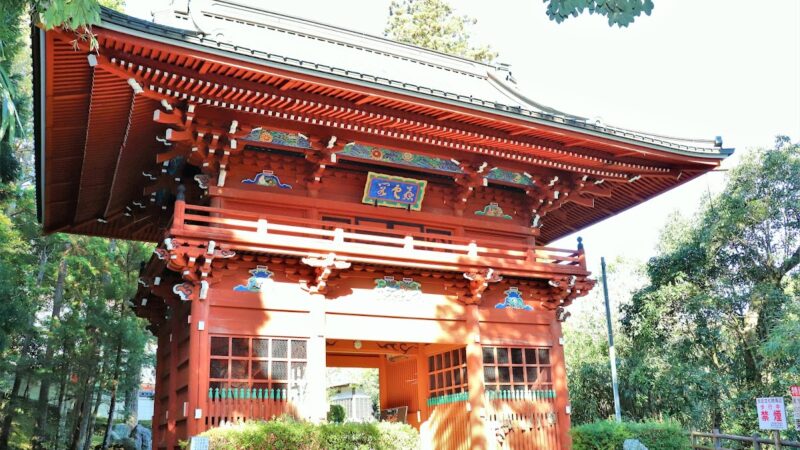
Tower Gate (Chiba Prefecture Important Cultural Property)
The first thing that catches the eye upon entering the temple grounds is the magnificent tower gate. This tower gate is also designated as a Chiba Prefecture Important Cultural Property and is believed to have been built around the same time as the main hall. It is a two-story gate with an unusual structure, featuring a bell tower on the upper level.
Passing through the tower gate, one can feel the sacred atmosphere of the temple grounds becoming even more intense. The carvings and decorations on the gate are magnificent, allowing one to appreciate the high level of craftsmanship of Edo period artisans.
Bell Tower (Chiba Prefecture Important Cultural Property)
The bell tower, along with the main hall and tower gate, is also designated as a Chiba Prefecture Important Cultural Property. This too is a mid-Edo period building, characterized by its elegant appearance. The sound of the temple bell resonates throughout the surrounding area, bringing peace of mind to visitors.
Other Highlights
Besides the main hall, gate tower, and bell tower, there are many other points of interest within the temple grounds.
Benten Pond
Benten Pond, located within the temple grounds, is a beautiful pond befitting Benzaiten, the goddess of water, and reflects the scenery of each season on its surface. A stroll along the pond’s edge calms the mind and allows one to feel the energy of nature.
Stone Monuments and Buddha Statues
Many stone monuments and Buddha statues, imbued with a sense of history, are placed throughout the temple grounds, telling the story of the faith of many people throughout its long history.
Gardens
The well-maintained gardens are filled with flowers that bloom in every season, delighting the eyes of visitors. The cherry blossoms in spring, the fresh greenery in early summer, and the autumn foliage are particularly magnificent.
Seasonal Scenery and Annual Events
Springtime at Fuse Benten
Fuse Benten in spring is also known as a famous cherry blossom viewing spot. Many cherry trees are planted on the temple grounds and surrounding areas, and from late March to early April, the cherry blossoms in full bloom welcome visitors. During cherry blossom season, the temple is bustling with visitors who come to enjoy the blossoms.
Besides cherry blossoms, early spring flowers such as plum blossoms and camellias adorn the grounds, giving a sense of the arrival of spring. In the season of fresh greenery, vibrant greenery envelops the entire temple grounds, allowing visitors to pray with a refreshing feeling.
Scenery from Early Summer to Summer
In early summer, the fresh greenery deepens, and the temple grounds are dyed entirely green. Around Benten Pond, water lilies and irises bloom beautifully, creating a cool atmosphere.
In summer, the sound of cicadas fills the air, and the shade of the trees provides a pleasant coolness. Even in the hot season, the temple grounds, surrounded by lush greenery, remain relatively cool, making it a pleasant environment for worship.
Autumn Foliage
Fuse Benten is known for the beauty of its autumn foliage. From mid- to late November, the maple and ginkgo trees on the grounds turn vibrant colors, creating a magnificent contrast with the main hall and gate.
During the autumn foliage season, many photography enthusiasts and tourists visit, capturing the beautiful scenery with their cameras. It is one of the most popular autumn foliage spots in Chiba Prefecture and is beloved by locals.
Winter Serenity
In winter, Fuse Benten is beautiful with the winter light filtering through the bare trees, and the tranquil grounds offer an ideal atmosphere for meditation and introspection. On snowy days, the grounds, enveloped in white, present a fantastical beauty.
Special events are held during the winter solstice and the New Year period, and many worshippers visit for their first shrine visit of the new year.
Main Annual Events
Fuse Benten Tokaiji Temple holds various events throughout the year.
- First three days of the New Year: Many worshippers visit for Hatsumode (first shrine visit of the year).
- Setsubun: Setsubun festival is held, and bean-throwing for warding off evil spirits takes place.
- Spring and Autumn Equinox: Memorial services for ancestors are held.
- Hanamatsuri (April 8th): A memorial service celebrating the birth of Buddha.
- Obon Festival: Memorial services for the Obon festival are held.
- Benzaiten’s Festival: A special day to praise the virtues of Benzaiten.
Many of these events are open to general worshippers, providing a good opportunity to experience traditional Buddhist ceremonies.
Information on Prayers and Visits
Types of Prayers and How to Apply
Fuse Benten Tokaiji Temple accepts various types of prayers. The main types of prayers are as follows:
Life Rituals
- First Shrine Visit (Omiyamairi): Praying for the healthy growth of the baby
- Shichi-Go-San Ceremony: Celebrating the child’s growth and praying for their future health
- Exorcism: Praying for protection from misfortune during unlucky years and for peace and safety
- 60th Birthday Celebration: Celebrating longevity and praying for future health
Prayers and Supplications
- Academic Success/Passing Exams: Praying for success in exams and academics
- Business Prosperity: Praying for the development and prosperity of the business
- Family Safety: Praying for the health and happiness of the family
- Recovery from Illness: Praying for recovery from illness
- Traffic Safety: Praying for protection from traffic accidents
- Finding a Good Match: Praying for being blessed with a good match
- Safe Childbirth: Praying for a healthy delivery for both mother and child
Prayer Application
Those wishing to have a prayer performed can apply at the reception desk on the day of their visit. Reservations are possible, so we recommend calling ahead to inquire about prayers, especially those concentrated during specific periods such as Shichi-Go-San (a traditional Japanese rite of passage for children) and Hatsumairi (a first shrine visit for newborns).
Prayers are performed in front of the sacred altar (main hall), and each person’s wishes are carefully prayed for. After the prayer, amulets and talismans are given.
Visiting Hours and Admission Fee
Visiting Hours
Visiting the temple grounds is generally possible during daytime hours. We recommend checking the official website or calling in advance for prayer reception hours.
Admission Fee
Visiting the temple grounds itself is free. A prayer fee is required if you wish to receive a prayer. The prayer fee varies depending on the content of the prayer, so please check with the reception for details.
Visiting Etiquette
When visiting Fuse Benten Tokaiji Temple, please observe the following etiquette:
- Dress Code: There are no particularly strict dress code regulations, but as it is a sacred place, please dress cleanly and respectfully. For those receiving prayers, formal attire or equivalent is preferred.
- Photography: Photography is generally permitted on the temple grounds, but please be considerate of those inside the main hall and other visitors.
- Quietness: Please remain quiet on the temple grounds and refrain from loud conversations.
- Smoking and Eating: Please refrain from smoking or eating outside of designated areas.
- Pets: We recommend checking in advance whether pets are allowed.
Access Information
Access by Train
There are several ways to access Fuse Benten Tokaiji Temple by public transport:
From JR Joban Line/Tobu Noda Line “Kashiwa Station”
- Take the Tobu Bus bound for “Fuse Benten” from the east exit of Kashiwa Station (approx. 30 minutes)
- Get off at the “Fuse Benten” bus stop and walk for about 3 minutes.
From JR Joban Line “Abiko Station”
- Take the Abi Bus (Fuse Route) from the north exit of Abiko Station
- Get off at the “Fuse Benten” bus stop and it’s right there.
Since the number of buses is limited, it is recommended to check the timetable in advance. Especially on weekends and holidays, the number of buses may be reduced, so please be careful.
Access by Car and Parking
Access by Car
- Approximately 20 minutes from the Joban Expressway “Kashiwa IC”
- Accessible via National Route 16 and a prefectural road.
Parking
Free parking for visitors is available on the temple grounds. The parking lot can accommodate approximately 50 regular-sized cars. However, it can become full during peak seasons such as New Year’s, Shichi-Go-San (children’s festival), and autumn foliage season, so it is recommended to allow ample time for your visit.
If you are planning to visit by large bus, it is recommended to contact the temple in advance to confirm parking availability.
Nearby Tourist Attractions
There are several tourist attractions near Fuse Benten Tokaiji Temple:
Akebonoyama Agricultural Park
This agricultural park is about a 10-minute drive from Fuse Benten and offers seasonal flowers. The tulips in spring and sunflowers in summer are particularly spectacular.
Teganuma Lake
Spanning Kashiwa City and Abiko City, Teganuma Lake is a great spot to enjoy the natural beauty of the waterfront. It’s ideal for cycling and birdwatching.
Kashiwanoha Area
The Kashiwanoha area, undergoing cutting-edge urban development, has shopping malls and parks, making it enjoyable for families.
Combining these spots will allow you to enjoy a more fulfilling Kashiwa sightseeing experience.
Amulets and Goshuin (Temple Seals)
Types of Amulets
Fuse Benten Tokaiji Temple offers various types of amulets:
Academic Success Amulet: A popular amulet for students and those taking exams.
Business Prosperity Amulet: For those wishing for business success.
Traffic Safety Amulet: Protects the safety of cars and bicycles.
Exorcism Amulet: For those in their unlucky year or those wishing for protection from evil.
Health Amulet: For those wishing for health and longevity.
Matchmaking Amulet: For those seeking a good match.
There are also special amulets related to Benzaiten, each imbued with the blessings of Benzaiten.
Goshuin (Temple Seals)
Fuse Benten Tokaiji Temple offers Goshuin. Goshuin are popular as proof of worship and as a memento of travel. If you bring your Goshuincho (stamp book), it will be carefully written for you.
If you do not have a Goshuincho, you can purchase an original Fuse Benten Goshuincho. The beautifully designed goshuincho (stamp book) featuring Benzaiten (the goddess of fortune) is also valuable as a souvenir.
Fuse Benten’s Connection to the Community
As a Center of Local Faith
Fuse Benten Tokaiji Temple has been a center of local faith for over 1200 years. As its affectionate nickname, “Fuse no Benten-sama,” suggests, it remains a familiar presence to the local people.
Fuse Benten is an indispensable part of the community’s annual events and life milestones. Many families perform important life rituals such as first visits, Shichi-Go-San (a traditional rite of passage for children), and exorcisms at Fuse Benten, demonstrating that faith is passed down through generations.
Cultural Value
As evidenced by the designation of its main hall, gate tower, and bell tower as Chiba Prefecture Important Cultural Properties, Fuse Benten Tokaiji Temple also possesses high cultural value. The valuable group of buildings, which preserve the architectural style of the mid-Edo period, are an important legacy that tells the story of the region’s history.
Local schools sometimes visit Fuse Benten as part of their local history studies, making it a place where children can learn about the region’s history and culture.
Fuse Benten as a Tourist Resource
Known as one of Kashiwa’s three major tourist destinations since the Edo period, Fuse Benten remains an important tourist resource today. It is featured on Chiba Prefecture’s official tourism website, “Chiba Tourism Navi,” attracting many tourists from both within and outside the prefecture.
Especially during cherry blossom and autumn foliage seasons, many people visit seeking the harmonious blend of natural beauty and historical architecture. In today’s age of social media, beautiful photos of the temple grounds are shared online, attracting new visitors.
Contact Information
You can contact Fuse Benten Tokaiji Temple using the following methods:
Address
1738 Fuse, Kashiwa City, Chiba Prefecture 277-0825
Telephone
Please contact the telephone number listed on the official website. They will provide courteous assistance regarding prayer reservations, visiting hours, and annual events.
Official Website
The official website of Fuse Benten Tokaiji Temple provides detailed information such as the latest news, annual event schedule, and a guide to the temple grounds. We recommend checking it before your visit.
Especially for events concentrated in specific periods, such as first visits to the temple or Shichi-Go-San (a traditional rite of passage for children), making a reservation by phone in advance will ensure a smooth visit.
Summary: The Charms of Fuse Benten Tokaiji Temple
Fuse Benten Tokaiji Temple, with a history of over 1200 years, is one of the three major Benten temples in the Kanto region, offering a variety of blessings including academic success, business prosperity, and artistic improvement. Located in Kashiwa City, Chiba Prefecture, easily accessible from central Tokyo, it offers a scenic environment surrounded by abundant nature, allowing for peaceful worship.
The main hall, gate tower, and bell tower, designated as important cultural properties of Chiba Prefecture, are valuable cultural heritage sites that convey the architectural beauty of the Edo period, providing a space where you can feel history and culture. The temple’s charm lies in the beauty of nature throughout the seasons, displaying different expressions with each passing year: cherry blossoms in spring, fresh greenery in early summer, vibrant autumn leaves, and the tranquility of winter.
Prayers for milestones such as first shrine visits, Shichi-Go-San (a traditional Japanese rite of passage for children), and exorcisms are performed with great care, making it a popular choice for many to visit at important life events. As a center of local faith and a popular tourist spot, Fuse Benten Tokaiji Temple possesses multifaceted appeal.
Whether you seek the blessings of Benzaiten, desire tranquility in a historic temple, or simply want to enjoy beautiful nature and architecture, it’s a place worth visiting for everyone. When you visit Kashiwa, be sure to stop by Fuse Benten Tokaiji Temple. It will surely be a memorable pilgrimage experience.