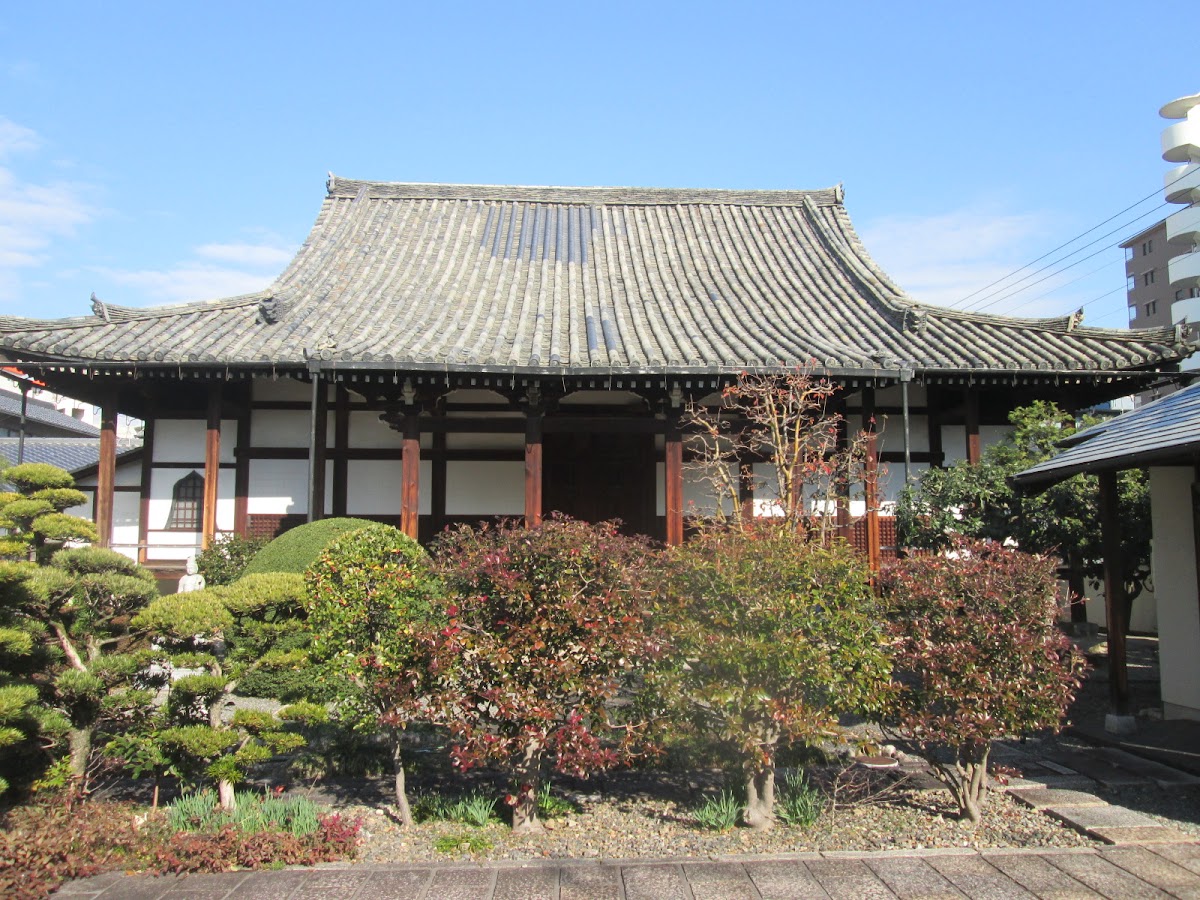
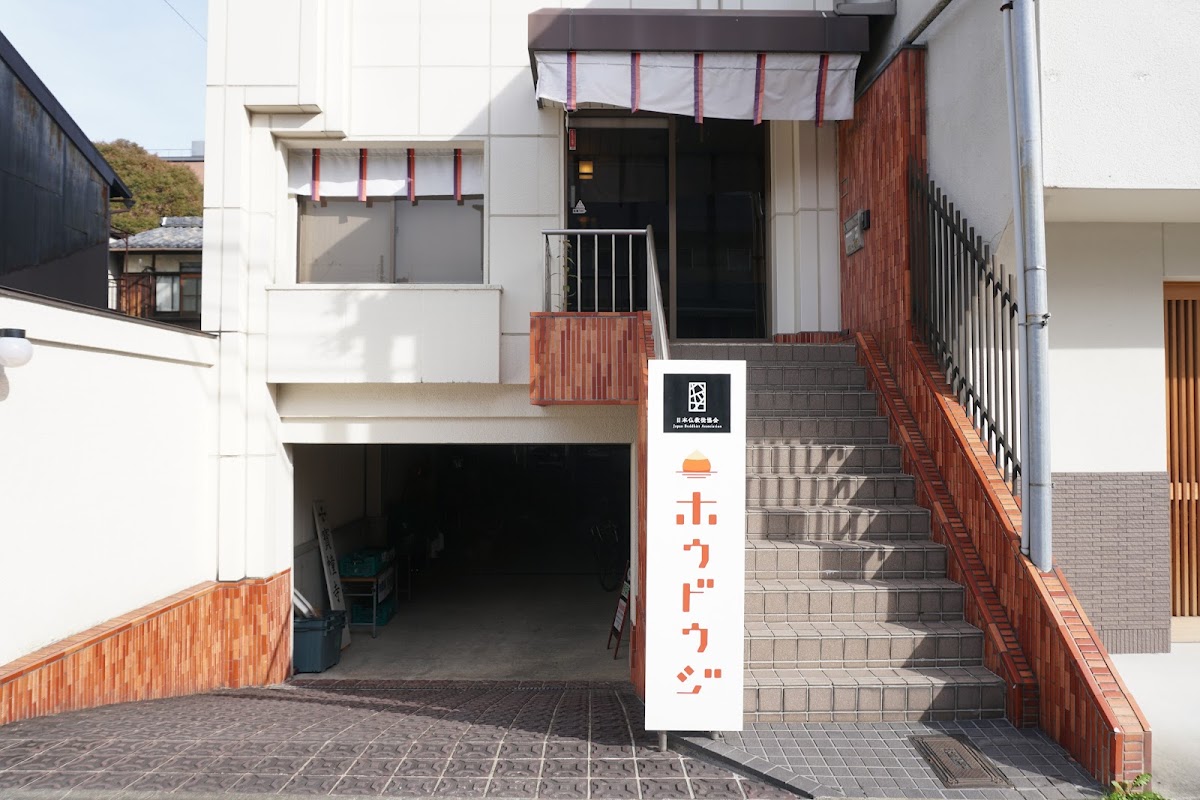
About Fushimi Toyokawa Inari Hongu
Fushimi Toyokawa Inari Hongu is an Inari shrine located in Fushimi Ward, Kyoto City. It is a branch shrine established by inviting the deity from Toyokawa Inari (officially known as Myogonji Temple) in Toyokawa City, Aichi Prefecture, and is affectionately known locally as “Fushimi no Toyokawa-san.”
In contrast to the splendor of Fushimi Inari Taisha, it is characterized by its quiet and peaceful atmosphere. It is known as a hidden power spot where you can worship at your own pace, with fewer tourists.
Relationship with Toyokawa Inari
While the original Toyokawa Inari is a Soto Zen Buddhist temple, it has a unique form of worship that enshrines Dakiniten. Fushimi Toyokawa Inari Hongu follows this tradition, and is a valuable presence that conveys the history of Shinto-Buddhist syncretism.
Benefits and Deities
Main Benefits
At Fushimi Toyokawa Inari Honmiya, the following benefits are believed to be bestowed:
- Business Prosperity: Success in business, prosperity of stores
- Increased Financial Fortune: Improved wealth, increased assets
- Family Safety: Health and peace of the family
- Good Fortune and Prosperity: Improvement of overall luck
- Protection from Evil: Protection from disasters, protection from evil
The benefits of business prosperity and financial fortune are particularly strong, and local business owners and shopkeepers regularly visit the shrine.
Deities
The main deity is Dakiniten. Originally a goddess from Indian mythology, in Japan she is associated with Inari worship and revered as the god of business prosperity and abundant harvests. She is often depicted as a celestial maiden riding a white fox, and fox statues are placed throughout the shrine grounds.
Points to Note When Visiting
Etiquette for Visiting
Fushimi Toyokawa Inari Honmiya Shrine has a syncretic nature of Shinto and Buddhism, therefore, the etiquette for visiting is unique.
Basic Worship Procedure
- Purify at the Water Basin: Purify in the following order: left hand → right hand → mouth → handle of the ladle in your left hand.
- Bow in Front of the Main Hall: Bow deeply before placing your offering.
- Two Bows, Two Claps, One Bow: Worship using the traditional Shinto ritual.
- State Your Wish Silently: Be specific and express your gratitude.
- Finally Bow: Bow deeply with gratitude.
Special Worship Points
- Greeting the Foxes: It is considered good practice to give a slight bow to the fox statues on the shrine grounds.
- Quiet Time: Early morning (7:00-8:00) is less crowded, allowing for a peaceful and tranquil visit.
- Monthly Visit: Visiting on the first day of the Horse each month (the first day of the Horse in February is especially important) is said to increase your blessings.
Highlights of the Shrine Grounds
Main Shrine
Although the main shrine is small, it is a beautifully maintained building. The vermilion and gold decorations evoke the tradition of Inari worship.
Fox Statues
Several fox statues are placed throughout the shrine grounds. Each holds a jewel, key, or scroll in its mouth, symbolizing business prosperity and the bestowal of wisdom.
Sacred Tree
A camphor tree, said to be over 100 years old, is enshrined as the sacred tree. It is said that one can receive power by placing their hand on the trunk and praying.
Recommended Time to Visit
- Hatsuumasai (First Horse Day in February): The most important festival. It is bustling with worshippers praying for business prosperity.
- New Year (January 1st-3rd): The time for the first shrine visit of the year. Many people visit to pray for increased financial luck.
- Beginning of the Month: The 1st and 15th of each month are festival days, attracting many locals.
Items Offered and Amulets
Popular Amulets
- Business Prosperity Amulet: A type for placing in shops or offices (1,000 yen)
- Financial Luck Amulet: A small amulet for putting in your wallet (800 yen)
- Good Fortune Amulet: For overall improvement of luck (800 yen)
- Exorcism Amulet: An amulet for protection against misfortune (800 yen)
Goshuin (Shrine Seal)
Goshuin are available at the shrine office (offering fee 300 yen). The words “Toyokawa Inari Honmiya” are written in ink, and a red seal is stamped. Pre-printed versions are available, but you can also have one written directly during your visit (except during busy times).
Access Information
Location
Address: Fukakusa Kaido-cho, Fushimi-ku, Kyoto City, Kyoto Prefecture (Details require on-site confirmation)
Access by Train
Using Keihan Railway
- Get off at Fushimi Inari Station on the Keihan Main Line, approximately 8 minutes on foot
- Get off at Fukakusa Station on the Keihan Main Line, approximately 10 minutes on foot
Using JR
- Get off at Inari Station on the JR Nara Line, approximately 12 minutes on foot
Since it is within walking distance of Fushimi Inari Taisha Shrine, a pilgrimage route visiting both is recommended.
Access by Car
- Approximately 15 minutes from Kyoto Minami IC on the Meishin Expressway
- Approximately 10 minutes from Kamogawa Nishi IC on the Hanshin Expressway Route 8 Kyoto Line
Parking
There is no dedicated parking lot, but there are coin-operated parking lots nearby. It is more convenient to use parking lots around Fushimi Inari Taisha Shrine and visit on foot.
Visiting Hours
- Free Admission (Shrine grounds are always open)
- Shrine Office: 9:00-17:00 (Amulet distribution and Goshuin stamp services available)
Nearby Tourist Attractions
Fushimi Inari Taisha Shrine
5-minute walk. The head shrine of approximately 30,000 Inari shrines nationwide. A famous Kyoto tourist attraction known for its thousands of torii gates.
Fujimori Shrine
15-minute walk. Known as the god of victory and horses, this shrine attracts worshippers from the horse racing world. Also famous as the birthplace of the Iris Festival.
Fushimi Sake Breweries
Within a 20-minute walk. Facilities such as the Gekkeikan Okura Memorial Museum and the Kizakura Memorial Museum, where you can learn about and sample Fushimi’s famous sake, are scattered throughout the area.
Points to Note When Visiting
- Quiet Worship: As it is close to a residential area, please refrain from loud conversations.
- Photography: Photography is prohibited inside the main hall. Photography is permitted within the shrine grounds, but please be considerate of other worshippers.
- Dress Code: There are no specific regulations, but please dress appropriately as it is a sacred place.
- Pets: Bringing dogs and cats into the shrine grounds is generally prohibited.
Summary
Fushimi Toyokawa Inari Hongu is a quiet Inari shrine that has been cherished by the local community, as it has not been commercialized for tourism. It is especially recommended for those seeking blessings for business prosperity and increased wealth, and for those who want to worship in a calm atmosphere different from Fushimi Inari Taisha.
When visiting the Fushimi area, please be sure to visit this hidden power spot in addition to the famous Fushimi Inari Taisha.