Goshajinja Shrine (Yoshitomi-cho, Chikujo-gun, Fukuoka Prefecture) Complete Guide | Deities, History, and Access Information
About Goshajinja Shrine
Goshajinja Shrine is located at 236 Suzukuma, Yoshitomi-cho, Chikujo-gun, Fukuoka Prefecture. Yoshitomi-cho is located in the northeastern part of Fukuoka Prefecture, near the border with Oita Prefecture. The name Goshajinja (Five Shrines Shrine) originates from the fact that multiple deities are enshrined there, and it has been cherished by the residents as the local guardian deity since ancient times.
Chikujo-gun historically belonged to Buzen Province, and the surrounding area is a region rich in shrine culture, with many ancient shrines such as Hachiman Kofuku Shrine and Kasuga Shrine scattered throughout. Goshajinja Shrine has also played an important role as a center of faith in this region.
About the Enshrined Deities
As the name “Gosha” (Five Shrines) suggests, this shrine enshrines multiple deities. Generally, the following deities are often enshrined as deities at Goshajinja Shrine:
Characteristics of the Main Deities Enshrined
While the deities enshrined at Goshajinja shrines vary by region, in most cases, Amaterasu Omikami (the sun goddess) is at the center, along with local guardian deities, gods of industry, and gods of protection against misfortune. It is believed that the Goshajinja shrine in Yoshitomi Town also enshrines deities who protect the development of the region and the peace and well-being of its residents.
Divine Virtues and Blessings
The blessings you can expect from visiting Goshajinja Shrine include the following:
- Family Safety: Protection of family health and peaceful living
- Abundant Harvest: Prosperity in agriculture and abundant harvests
- Business Prosperity: Development of businesses and success in trade
- Protection from Misfortune: Protection from disasters
- Matchmaking: Success in finding a good partner
- Academic Success: Improvement in studies and prayers for passing exams
Goshajinja Shrine, which enshrines multiple deities, offers a variety of blessings, attracting visitors with diverse wishes.
History and Origins of Goshajinja Shrine
Circumstances of Founding
While there are limited existing historical records regarding the detailed founding date of Goshajinja Shrine in Yoshitomi Town, it is believed that many shrines in this region were established during the medieval to early modern periods. Chikujo District flourished as part of Buzen Province from ancient times, and was a region where shrine worship was prevalent. The form of Goshajinja (five shrines) often originated from the Meiji-era policy of consolidating multiple small shrines and village shrines. By consolidating multiple objects of worship in the region into a single shrine, it became possible to manage it more efficiently and function as a center of faith.
Connection to the Community
In the Suzukuma district of Yoshitomi Town, Goshajinja has long been a central presence in the local community. Through annual events such as the autumn festival and New Year’s visits, it has served as a place where residents gather, deepening community bonds.
Even in modern times, it has been revered as the local guardian deity and carefully preserved by the local people. The maintenance and management of the shrine are carried out by the local parishioners’ organization, and traditional festival ceremonies are also passed down.
Highlights of the Shrine Grounds
Torii Gate
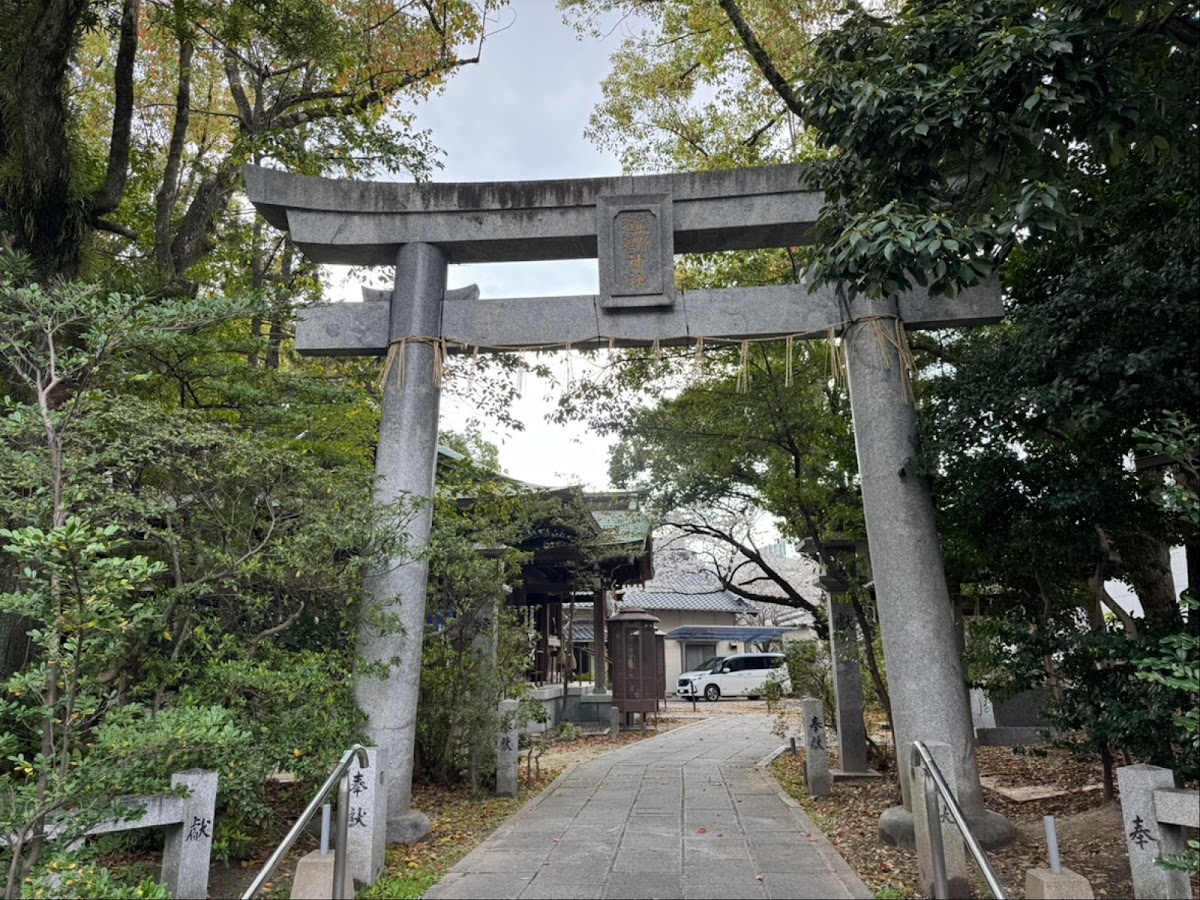
Upon entering the grounds of Goshajinja, visitors are first greeted by the torii gate. The torii gate serves as a boundary separating the sacred realm from the secular world; passing through it purifies the heart and shows respect to the deities.
The torii gates of local shrines possess a simple yet profound presence, reflecting the deep faith of the region. The style and materials of the torii gates offer insights into the shrine’s history and regional characteristics.
Worship Hall and Main Sanctuary
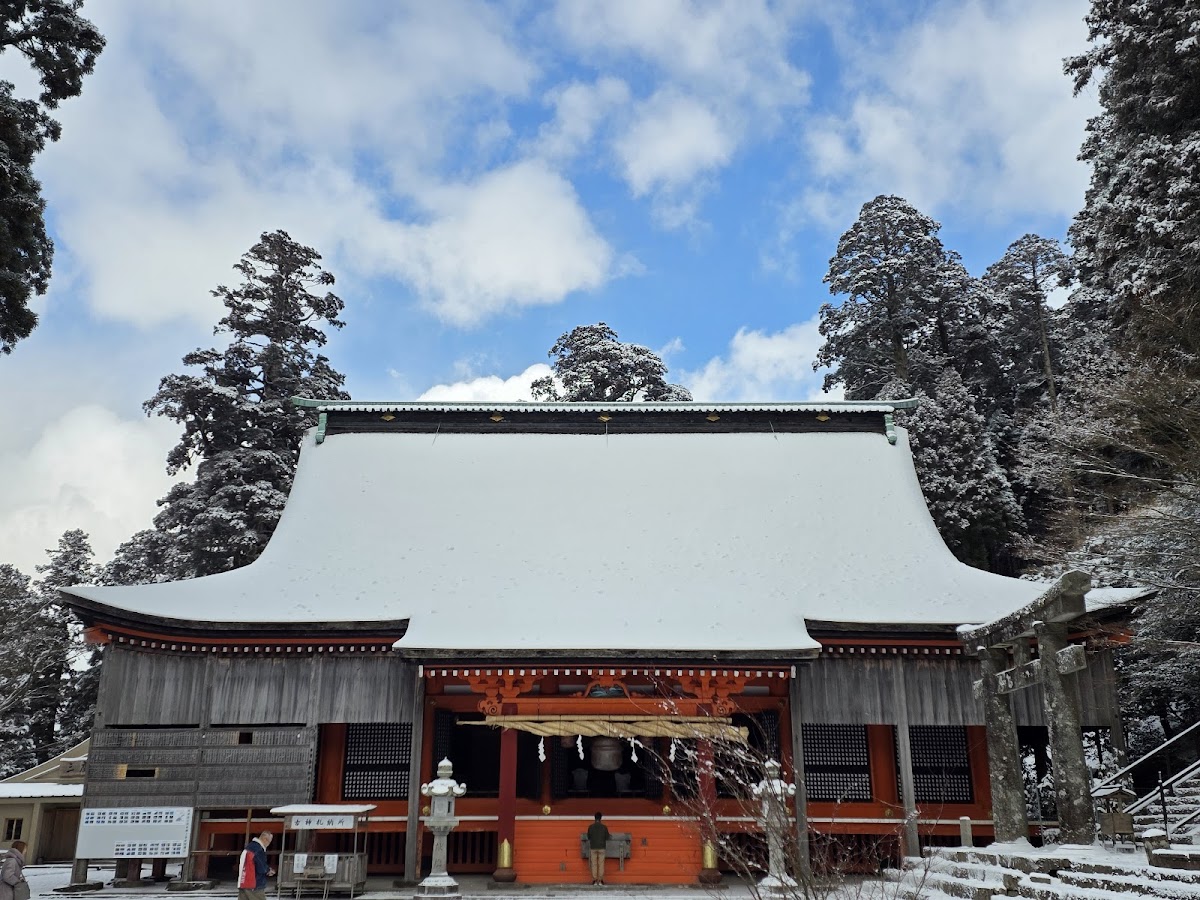
The worship hall is where worshippers offer prayers to the deities. The worship hall at Goshajinja Shrine exhibits a structure characteristic of local shrine architecture, and while simple, it is meticulously maintained.
The main sanctuary is the most sacred place where the enshrined deity resides, and is usually located behind the worship hall. The architectural style and decoration of the main sanctuary reflect the shrine’s status and history.
Shrine Precincts and Stone Monuments
Besides the main shrine, small shrines and stone monuments are sometimes placed within the shrine grounds. These demonstrate the diversity of local beliefs, each with its own unique origins and beliefs.
Stone monuments are inscribed with the shrine’s history, the names of donors, and commemorative items, making them valuable resources for understanding the history of the shrine and the region.
Natural Environment of the Shrine Grounds
Shrine grounds often feature sacred trees and seasonal flowering trees, allowing visitors to enjoy the beauty of nature throughout the seasons. Ancient trees, in particular, serve as living witnesses to the shrine’s history, leaving a deep impression on worshippers.
Visiting the shrine while feeling the breath of nature in its tranquil grounds brings peace of mind and provides a special time away from the hustle and bustle of everyday life.
Annual Events and Festivals
Grand Festival
At Gosha Shrine, the Grand Festival is generally held every autumn. This is the most important festival of the shrine, where gratitude is offered to the enshrined deity and prayers are offered for the prosperity of the region and the happiness of its residents.
During the festival, solemn Shinto rituals are performed, and local people gather for processions of portable shrines and offering ceremonies. It also serves as a place for intergenerational exchange, with local traditional performing arts and participation from children.
New Year’s Events
As the new year begins, many worshippers visit the shrine for Hatsumode (first shrine visit of the year). At the New Year’s Day Festival, prayers are offered for peace in the new year and for a safe year ahead.
During the first three days of the New Year, amulets and protective arrows are available, and the shrine is bustling with people wishing for good fortune in the new year.
Other Annual Events
- Spring Festival: Celebrating the arrival of spring and praying for a bountiful harvest
- Summer Purification Ceremony: A Shinto ritual to purify and cleanse away the impurities accumulated over the past six months
- Shichi-Go-San (7-5-3 Festival): Expressing gratitude for children’s growth and praying for their continued healthy development
- Monthly Festival: A Shinto ritual held regularly every month
These events vary in timing and content depending on the region, so it is recommended to check before visiting.
Etiquette and Manners for Visiting a Shrine
Basic Method of Visiting a Shrine
There are traditional customs for visiting a shrine. By visiting with the correct etiquette, you can show respect to the gods and forge a better connection with them.
- Bow before passing through the torii gate: As a greeting when entering the sacred area.
- Walk along the edge of the approach to the shrine: The center is considered the path of the gods.
- Purify yourself at the water basin: Purify your left hand, right hand, and mouth in that order.
- Worship in front of the main hall: Two bows, two claps, and one bow is the basic form.
- Bow again when leaving the shrine grounds: With gratitude.
Proper Water Basin Etiquette
There is a formal order to purify yourself at the water basin:
- Hold the ladle in your right hand and purify your left hand.
- Switch the ladle to your left hand and purify your right hand.
- Switch the ladle back to your right hand, receive water in your left hand, and rinse your mouth.
- Purify your left hand once more.
- Hold the ladle upright, purify the handle, and return it to its original place.
Mindset for Worship
When visiting a shrine, not only the formalities but also the state of mind is important. It is important to express gratitude and approach the gods with humility.
When making a wish, praying not only for your own desires but also for the happiness of those around you and for peace in society will allow you to visit with a richer heart.
Access Information
Location
Address: 236 Suzukuma, Yoshitomi-machi, Chikujo-gun, Fukuoka Prefecture
Transportation Access
Access by Public Transportation
- Nearest Station: JR Nippo Main Line “Yoshitomi Station”
- Accessible on foot or by taxi from Yoshitomi Station
- It is recommended to check the distance and travel time from the station in advance.
Access by Car
- Higashi-Kyushu Expressway: Approximately 10 minutes by car from Yoshitomi Interchange
- National Route 10: Proceed towards Yoshitomi-machi and head towards the Suzukuma area
- Entering the address into your car navigation system is convenient.
Parking
In local shrines, it is common to have parking spaces for visitors on the shrine grounds or nearby. However, crowds are expected during festivals and other special occasions, so it is recommended to visit with plenty of time to spare.
Precautions for Visiting
- While visits are generally permitted during the daytime, the shrine office’s operating hours may be limited.
- If you wish to receive a Goshuin (shrine stamp) or amulet, it is advisable to check in advance whether they are available.
- Please be quiet within the shrine grounds and be considerate of other visitors.
Nearby Attractions
Tourist Spots in Yoshitomi Town
Yoshitomi Town is a small town located in the northeastern part of Fukuoka Prefecture, but it boasts abundant nature and historical charm.
- Yamaguni River: A clear stream flowing through the northern part of the town, boasting beautiful natural scenery.
- Historical Buildings: Numerous old shrines and temples are scattered throughout the town.
- Local Specialties: Agricultural products, traditional crafts, etc.
Nearby Shrines and Temples
Numerous historical shrines exist around Chikujo District:
- Hachiman Kofuku Shrine: One of the representative ancient shrines of Buzen Province.
- Kasuga Shrine: A shrine that attracts the faith of the local community.
- In addition, there are many small, locally rooted shrines.
Visiting these shrines is a unique way to enjoy this region.
Border Area with Oita Prefecture
Yoshitomi Town is located on the border with Oita Prefecture, making it easily accessible to neighboring Nakatsu City in Oita Prefecture. Nakatsu City has many historical sights, such as Nakatsu Castle and the former residence of Yukichi Fukuzawa.
The Charm of Goshajinja Shrine
A Faith Rooted in the Community
The greatest charm of Goshajinja Shrine lies in its deep roots in the local community. Unlike large-scale tourist shrines, it possesses a simple and warm atmosphere as a place of daily worship for local people.
A Quiet Worship Environment
Unlike the crowds of famous shrines in urban areas, it offers a quiet and peaceful environment for worship. You can take time to slowly connect with the deities and reflect on yourself.
Experiencing Local History
From the appearance of the shrine and the atmosphere of the grounds, you can feel the history of the region and the lives of the people. Stone monuments and offerings convey how the local people have cherished the shrine.
Advice for Visitors
Regarding Attire
While no special attire is required for visiting the shrine, please be mindful of the sacred nature of the place and dress accordingly. Avoid revealing or overly flashy clothing; clean and presentable attire is preferable.
Regarding Photography
Photography is generally permitted on the shrine grounds, but there may be restrictions, such as inside the main hall or during Shinto rituals. Please check in advance if you have any questions and be considerate of other visitors.
Amulets and Goshuin (Shrine Seals)
If you wish to obtain amulets or goshuin at Goshajinja Shrine, it is recommended to check the shrine office’s operating hours in advance. Smaller shrines may not have constant service.
Enjoying the Shrine by Season
- Spring: A refreshing visit amidst the beautiful fresh greenery of the shrine grounds
- Summer: A visit enjoying the cool shade of the trees
- Autumn: A special atmosphere during the annual festival and the autumn foliage season
- Winter: A solemn visit in the crisp air
Enjoying the changing scenery of the shrine throughout the seasons is one of the great pleasures of visiting a shrine.
Connection to Local Culture
Ujiko System and Community Bonds
Goshajinja Shrine is supported by the ujiko system (parishioner system). Ujiko are local residents who worship the guardian deity of a shrine and cooperate in its maintenance and operation.
Ujiko support the shrine in various ways, including cleaning, preparing for festivals, and managing annual events. This system plays an important role in strengthening community bonds and passing on traditional culture to future generations.
Festivals and Community Revitalization
Shrine festivals are a valuable opportunity for local people to gather. Residents who usually live separately come together and deepen their bonds through collaborative work.
Especially for younger generations, participation in festivals provides an opportunity to learn about local history and traditions, fostering a love for their hometown.
Passing on Tradition
In rural areas facing declining birth rates and an aging population, preserving and passing on shrine traditions is a major challenge. However, local shrines like Goshajinja are carefully preserved through the efforts of residents and passed on to the next generation.
Summary
Goshajinja Shrine in Yoshitomi-cho, Chikujo-gun, Fukuoka Prefecture, is a historical shrine deeply rooted in the local community. As a shrine dedicated to multiple deities, it offers diverse blessings, welcoming worshippers with a variety of wishes, from family safety to business prosperity.
Unlike large-scale tourist shrines, its simple and warm atmosphere allows for quiet and peaceful worship. The time spent passing through the torii gate and offering prayers at the main hall will be a special moment, far removed from the hustle and bustle of everyday life.
When visiting Yoshitomi-cho, be sure to visit Goshajinja Shrine and experience the region’s history and culture. By experiencing this place of worship, carefully preserved by the local people, along with a sense of gratitude to the enshrined deities, you are sure to gain new insights and peace of mind.
Access is relatively convenient, easily accessible from JR Yoshitomi Station and the Higashi-Kyushu Expressway. Visiting nearby shrines such as Hachiman Kofukujinja Shrine and Kasuga Shrine will allow you to gain a deeper understanding of the rich shrine culture of Chikujo-gun. We hope that your visit to Goshajinja Shrine will be a memorable experience for you.