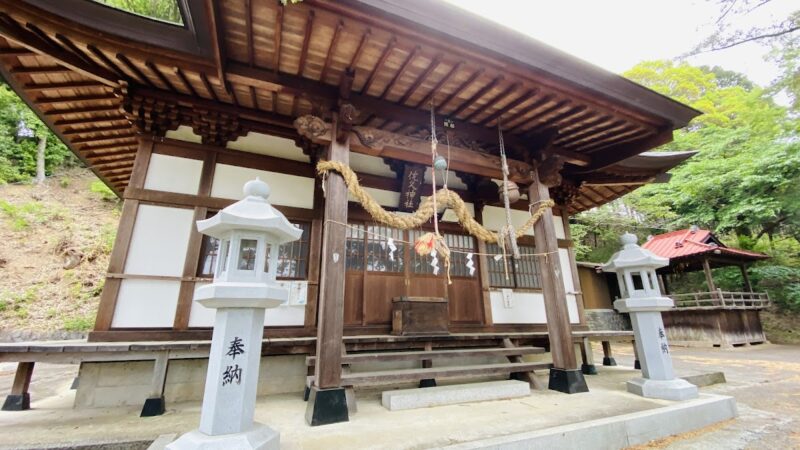
Hachiman Shrine (Fuefuki City, Yamanashi Prefecture) Complete Guide: History, Goshuin (Shrine Seal), and Access Information for Isawa Hachiman Shrine
Located in Isawa-cho, Fuefuki City, Yamanashi Prefecture, Hachiman Shrine (Isawa Hachiman Shrine) is an ancient shrine dating back to the reign of Emperor Keiko, and boasts a long and distinguished history with deep ties to the Takeda clan. This article comprehensively explains everything you need to know before visiting Isawa Hachiman Shrine, including its history, enshrined deities, cultural properties, festivals, goshuin information, and access methods.
Basic Information on Isawa Hachiman Shrine
Name and Location
Official Name: Hachiman Shrine
Alternate Names: Isawa Hachimangu, Kokuga Hachimangu
Address: 1095 Ichibe, Isawa-cho, Fuefuki City, Yamanashi Prefecture
Shrine Rank: Former Village Shrine
Deities Enshrined: Emperor Ojin, Empress Jingu, Ten Ancestors of the Mononobe Clan, Two Divine Spirits of Nobles of the Yamato Court
Isawa Hachiman Shrine is located in the Isawa Onsenkyo hot spring area, the heart of Fuefuki City, and has long been revered as a center of local faith. Even today, it remains an important shrine visited by local residents and tourists, maintaining its historical value.
History and Origins of Isawa Hachiman Shrine
Founding in Ancient Times
Isawa Hachiman Shrine is said to have been founded in the 27th year of Emperor Keiko’s reign (around 97 AD). Originally founded as “Kanchi Mononobe Shrine,” it was established to enshrine two deities of nobles from the Yamato court and ten ancestral gods of the Mononobe clan. During this period, the area had deep ties to the Yamato court and was strongly influenced by the Mononobe clan, an ancient powerful family.
The Mononobe clan was one of the most powerful clans in ancient Japan, playing an important role in military affairs and religious rituals. The establishment of a shrine dedicated to the ancestral deities of the Mononobe clan in Isawa indicates that this region held a politically and religiously significant position in ancient times.
Deep Connections with the Takeda Clan
The most important turning point in the history of Isawa Hachiman Shrine occurred during the Kamakura period. When Minamoto no Yoritomo established the Kamakura Shogunate, he built Tsurugaoka Hachimangu Shrine to spread the Hachiman faith, known as the “god of military fortune,” and encouraged his vassals to invite Hachiman deities to their respective territories.
In 1193, Takeda Nobumitsu (Ishikawa Goro Nobumitsu), who was appointed governor of Kai Province for his contributions to the founding of the shogunate, invited the Hachiman deity from Tsurugaoka Hachimangu Shrine and enshrined it together with the existing Kanchi Mononobe Shrine. As a result, the shrine was renamed “Kokuga Hachimangu,” and later came to be known as “Ishikawa Hachiman Shrine” or “Ishikawa Hachimangu.”
Takeda Nobumitsu is considered a key figure in the revival of the Takeda clan and greatly contributed to the development of the Kai Minamoto clan. His enshrinement of the Hachiman deity in Ishikawa had the significance of spiritually strengthening the Ishikawa region, the Takeda clan’s base.
The Takeda Clan’s Relocation to Kofu and the Shrine’s Changes
In the early 16th century, when Takeda Nobutora (the 18th head of the Takeda clan) moved his base from Ishikawa to Kofu, a分霊 (bunrei, a divided spirit) of Ishikawa Hachiman Shrine was also moved to Kofu. The Hachiman Shrine relocated to Kofu later came to serve as the principal shrine of Kai Province (it is believed to have been located near the present-day Aikawa Elementary School).
Meanwhile, the original shrine that remained in Isawa continued to be revered as the guardian shrine of the region and continues to function as a spiritual pillar of the Isawa area to this day.
Deities and Divine Virtues
Main Deities
The main deities of Isawa Hachiman Shrine are as follows:
Emperor Ojin: The 15th Emperor, revered as Hachiman, the god of military fortune, victory, and career advancement.
Empress Jingu: The mother of Emperor Ojin, worshipped as the god of safe childbirth, child-rearing, and protection from evil.
Ten Ancestral Gods of the Mononobe Clan: The ancestral gods of the Mononobe clan, considered gods of national protection and martial prowess.
Two Divine Spirits of Nobles from the Yamato Court: These are the divine spirits of nobles from the court who have a deep connection to this region.
Divine Virtues (Benefits)
Isawa Hachiman Shrine is believed to offer the following divine virtues:
- Long-lasting Military Fortune and Good Luck in Competitions: Hachiman is known as a god of war, and visitors can pray for success in competitions and contests.
- Career Advancement and Good Fortune: As the guardian deity of samurai families, including the Takeda clan, many worshippers visit to pray for career advancement.
- Protection from Evil and Family Safety: Through the divine virtues of Empress Jingu, visitors can pray for the safety and health of their families.
- Safe Childbirth and Child-rearing: Empress Jingu is also known as a goddess of safe childbirth, and many pregnant women and those raising children visit the shrine.
- National Peace and Security: As the shrine enshrines the ancestral deity of the Mononobe clan, visitors can pray for peace and prosperity in the country and region.
Highlights and Cultural Assets on the Shrine Grounds
Main Hall and Worship Hall
The main hall of Isawa Hachiman Shrine is a valuable building that retains the architectural style of the Edo period. The main hall of worship has a solemn presence that welcomes visitors, conveying the dignity of a center of local faith. The shrine grounds are enveloped in a tranquil atmosphere, providing a space to calm the mind away from the hustle and bustle of the city.
Subsidiary Shrines and Auxiliary Shrines
Several subsidiary shrines are enshrined within the grounds of Isawa Hachiman Shrine. These auxiliary shrines also attract local devotion, and many visitors pay their respects to them in addition to the main shrine.
Sacred Trees and Nature
Within the grounds stands a sacred tree estimated to be several hundred years old, telling the story of the shrine’s long history. Cherry blossoms bloom in spring, and the autumn leaves are beautiful, allowing visitors to enjoy the beauty of nature throughout the seasons.
Festivals and Annual Events
Annual Grand Festival
Isawa Hachiman Shrine holds its annual grand festival every year, with many local residents participating. The festival includes a procession of portable shrines and dedication ceremonies, making it an important opportunity to pass on the region’s traditional culture. ### New Year’s Visit and Setsubun Festival
Many visitors come for their first shrine visit of the year to pray for safety and prosperity throughout the year. The Setsubun Festival involves bean-throwing, a popular event for warding off evil and inviting good fortune.
Other Annual Events
- Monthly Festival: A regular monthly ritual
- Shichi-Go-San Festival: In November, many families visit to pray for the healthy growth of their children
- Summer Purification Ceremony: A Shinto ritual held at the end of June to purify oneself of sins and impurities accumulated over the past six months
- Year-End Purification Ceremony: A Shinto ritual held at the end of December to purify oneself of sins and impurities accumulated over the past year
Goshuin (Shrine Seal) Information
Isawa Hachiman Shrine offers Goshuin. Goshuin are popular among many visitors as proof of worship and as a way to forge a connection with the shrine.
Granting Hours: During the hours the shrine office is open (usually around 9:00 AM to 4:00 PM)
Offering Fee: Usually around 300-500 yen (subject to change, please confirm during your visit)
If you do not have a Goshuincho (stamp book), it may be possible to purchase one at the shrine. However, the shrine office may be unattended, so if you want to be sure to receive a Goshuin, it is recommended to contact them in advance.
Relationship with Other Major Shrines in Fuefuki City
Kai Province’s Ichinomiya, Asama Shrine
Located approximately 2 km east of Isawa Hachiman Shrine is Asama Shrine, the Ichinomiya (first-ranked shrine) of Kai Province. Asama Shrine enshrines Konohanasakuya-hime no Mikoto and has deep ties to the worship of Mount Fuji. When visiting Fuefuki City, a “Ichinomiya Pilgrimage” visiting both shrines is highly recommended.
Kai-na Shrine
Approximately 1 km south of Isawa Hachiman Shrine lies Kai-na Shrine (Kokufu Kai-na Shrine), a shrine listed in the Engishiki (ancient Japanese legal code). Located near the provincial capital, the center of ancient Kai Province, Kai-na Shrine is believed to have served as the provincial shrine of Kai Province. It also has deep ties to the Mononobe clan, and visiting both Kai-na Shrine and Isawa Hachiman Shrine provides a deeper understanding of the history of ancient Kai Province.
Miwa Shrine
Miwa Shrine is also located within Fuefuki City and is known as an ancient shrine dedicated to Ōmononushi-no-kami. Within its grounds is a Hachiman shrine, demonstrating the widespread influence of Hachiman worship.
Access Information
Access by Train
Nearest Station: JR Chuo Main Line “Isawa Onsen Station”
Distance from Station: Approximately 15 minutes on foot (approximately 1.2 km)
By Taxi: Approximately 5 minutes by taxi from Isawa Onsen Station
Isawa Onsen Station is a major station where the limited express trains “Azusa” and “Kaiji” also stop, making it easily accessible from Tokyo. The route from the station to the shrine passes through the Isawa Onsen town, with many restaurants and souvenir shops along the way.
Access by Car
If using the Chuo Expressway:
- Approximately 10 minutes (approx. 5 km) from “Ichinomiya Misaka IC”
- Approximately 8 minutes (approx. 4 km) from “Fuefuki Yatsushiro Smart IC”
Parking: Parking is available within the shrine grounds or nearby (spaces are limited, so using public transportation is recommended during busy periods such as New Year’s visits and the annual festival).
Nearby Tourist Attractions
The following tourist attractions are located near Isawa Hachiman Shrine:
- Isawa Onsenkyo: A representative hot spring resort in Yamanashi Prefecture, with numerous hot spring inns and hotels.
- Fuefuki River Fruit Park: A park unique to Fuefuki City, where fruit cultivation is thriving, where you can enjoy seasonal fruit picking.
- Monde Brewery: A facility where you can tour the winery and enjoy wine tasting.
- Kai Kokubunji Temple Ruins: A historical site indicating the center of the ancient Kai Province.
Manners and Points for Visiting the Shrine
Etiquette for Visiting a Shrine
The basic etiquette for visiting a shrine is as follows:
- Bow before passing through the torii gate: This is a sign of respect before entering the sacred area.
- Purify yourself at the water basin: Purify your left hand, then your right hand, then your mouth.
- Walk along the edge of the path: The center is considered the path of the gods.
- Etiquette in front of the main hall: Two bows, two claps, and one bow is the basic procedure.
Suitable Time for Visiting
Shrines are generally open for worship at any time during the day, but if you wish to obtain a goshuin (shrine stamp) or amulet, it is recommended to visit during the hours when the shrine office is open (around 9:00 AM to 4:00 PM). Visiting early in the morning allows you to experience a quieter and more sacred atmosphere.
Regarding Attire
There are no specific dress code requirements, but it is desirable to wear clean and presentable clothing, keeping in mind that a shrine is a sacred place. Especially when performing a formal worship service or receiving prayers, try to avoid overly casual attire.
The Present and Future of Isawa Hachiman Shrine
As a Center of the Local Community
Currently, Isawa Hachiman Shrine serves as both a center of faith for local residents and a place that strengthens community ties. Through its annual festival and various events, intergenerational exchanges are fostered, and the region’s traditional culture is passed down.
Value as a Tourism Resource
Isawa Hachiman Shrine is also an important tourist spot for visitors to Isawa Onsen. Its historical ties to the Takeda clan and its ancient origins attract attention from history enthusiasts and visitors who tour shrines and temples.
Preservation and Transmission of Cultural Assets
Passing on tangible and intangible cultural assets, such as shrine architecture and festival ceremonies, to future generations is a crucial challenge in modern times. Isawa Hachiman Shrine is working in cooperation with local residents and the government to preserve and utilize these valuable cultural heritages.
Summary: The Significance of Visiting Isawa Hachiman Shrine
Isawa Hachiman Shrine (Hachiman Shrine) in Fuefuki City, Yamanashi Prefecture, boasts a long history dating back to the reign of Emperor Keiko and has played a crucial role in the history of Kai Province through its deep connection with the Takeda clan. It offers various divine blessings, including military success, career advancement, and family safety, attracting many visitors not only from the local area but also from outside the prefecture.
Visiting the shrine in conjunction with a visit to Isawa Onsen (hot springs) allows you to experience both relaxation in the hot springs and spiritual purification through shrine worship. Furthermore, visiting nearby Kai-na Shrine and Asama Shrine will provide a deeper understanding of the history of Kai Province from ancient to medieval times.
As a place associated with the Takeda clan and the center of ancient Kai Province, Isawa Hachiman Shrine is a valuable spot to experience the history and culture of Yamanashi Prefecture. When visiting Fuefuki City, be sure to pay a visit.
Contact Information
Shrine Name: Hachiman Shrine (Isawa Hachimangu)
Address: 1095 Ichibe, Isawa-cho, Fuefuki City, Yamanashi Prefecture 406-0031
Phone: For details regarding visits, please contact the Fuefuki City Tourism Association or the Yamanashi Prefectural Shrine Association.
*Please note that visiting hours, Goshuin (shrine stamp) issuance hours, and festival dates may change. Please check the latest information before visiting.
—
Isawa Hachiman Shrine is a sacred place where the history and culture of Yamanashi Prefecture, and the faith of the local people, breathe life into. Why not visit and pray in peace while reflecting on its long and rich history?