
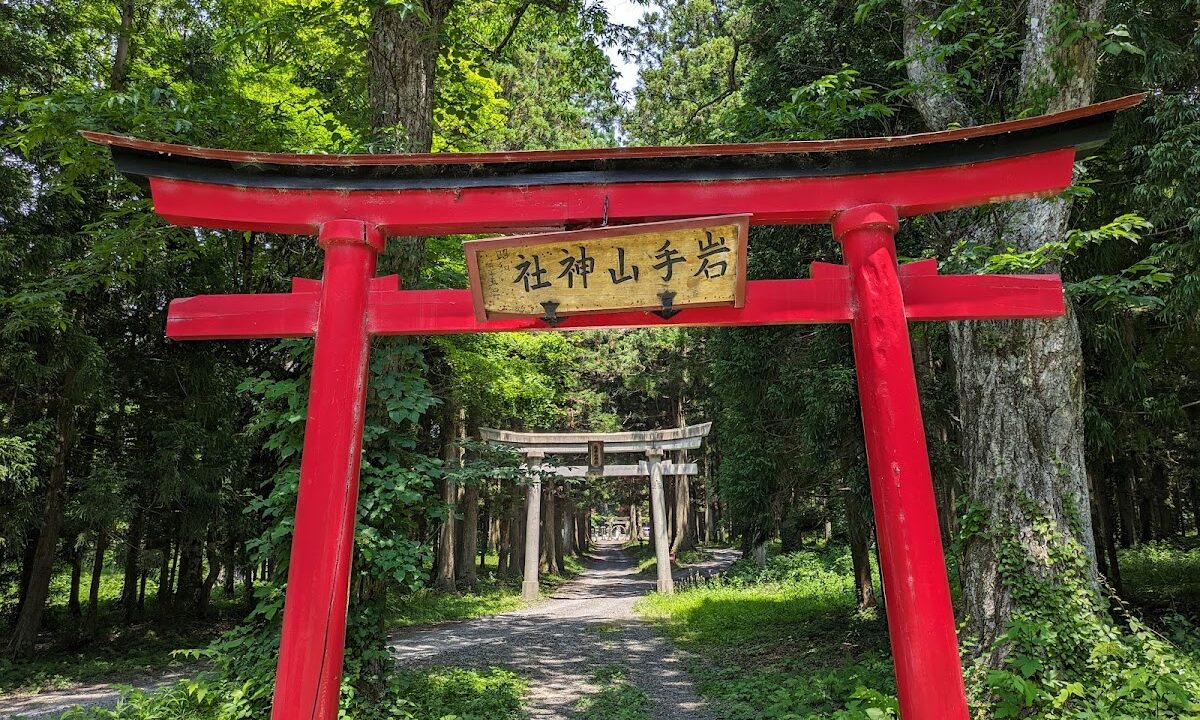
Hachimangu Shrine (Shizukuishi Town, Iwate District, Iwate Prefecture) Complete Guide | A Historic Shrine Associated with the Shiba Clan, Located on the Site of Shizukuishi Castle
Hachimangu Shrine, located in Shizukuishi Town, Iwate District, Iwate Prefecture, is a historically significant shrine situated on the site of the medieval Shizukuishi Castle. This area, located at the foot of Mount Iwate, is known for its abundant nature and pristine water. This article provides a detailed introduction to the history, origins, highlights, and access methods of Hachimangu Shrine.
Overview of Hachimangu Shrine
Hachimangu Shrine in Shizukuishi Town is a beloved local shrine located on the site of the former main keep of Shizukuishi Castle. Shizukuishi Town is adjacent to the central areas of Iwate Prefecture, such as Morioka City, Hachimantai City, and Takizawa City, and is blessed with abundant spring water from Mount Iwate.
Basic Information
- Location: Shizukuishi-cho, Iwate-gun, Iwate Prefecture
- Main Deity: Emperor Ōjin (Hachiman Ōkami)
- Former Shrine Rank: Village Shrine
- Features: Located on the site of the main keep of Shizukuishi Castle
Hachiman Shrine enshrines Emperor Ōjin as its main deity and has long been believed to offer blessings for military success, protection from evil, and family safety. As a shrine deeply intertwined with the history of Shizukuishi-cho, it continues to attract local devotion.
History and Origins of Hachiman Shrine
Relationship with Shizukuishi Castle
Shizukuishi Castle, where Hachiman Shrine is located, is a mountain castle built in the Middle Ages. This castle is centered around a main keep approximately 90 meters east-west and 60 meters north-south, and a Yagenbori moat, 6-12 meters wide and 2-5 meters deep, still exists.
Shizukuishi Castle is believed to have been built by the Shiba clan, and this Hachiman Shrine was enshrined as the Shiba clan’s tutelary deity. The Shiba clan was a powerful family in the Tohoku region during the Muromachi period, serving as the governor of Oshu Province. The fact that they enshrined their tutelary deity at their castle, Shizukuishi Castle, is an important historical site illustrating the nature of faith in the samurai society of that time.
The Shiba Clan and Hachiman Faith
The Shiba clan was a prestigious samurai family descended from the Minamoto clan, and they were known to have a deep faith in Hachiman, the tutelary deity of the Minamoto clan. For samurai, Hachiman was a special figure as the god of military fortune, and it was a common practice to invite a Hachiman shrine to one’s castle.
The Hachiman Shrine in Shizukuishi is also thought to have been founded in accordance with this tradition of samurai culture. The placement of the shrine in the most important location, the castle’s main keep, indicates that the Shiba clan valued the protection of Hachiman in governing this area.
Transition from the Medieval to the Early Modern Period
After the decline of the Shiba clan’s power, the Shizukuishi region came under the control of the Nanbu clan. The Nanbu clan also placed great importance on Hachiman worship, and the Morioka Hachiman Shrine, built in 1680 by Lord Nanbu Shigenobu, still stands in Morioka City today.
The Shizukuishi Hachiman Shrine, after the Nanbu clan’s rule, gained popularity during the Edo period as the local tutelary deity and a guardian shrine of the Shizukuishi Castle ruins. Under the Meiji era’s shrine ranking system, it was designated a village shrine, establishing its position as a central shrine in the local community.
Highlights of Shizukuishi Castle Ruins
Main Enclosure Ruins and Hachiman Shrine
Currently, the Hachiman Shrine stands on the site of the Shizukuishi Castle’s main enclosure, preserving the castle’s appearance while maintaining a sacred space. The main enclosure measures approximately 90 meters east-west and 60 meters north-south, a standard size for a medieval mountain castle.
The remains of earthworks surround the main keep, offering a glimpse into the defensive structures of the time. Walking through the shrine grounds, you can experience the structure of a medieval castle firsthand—a truly valuable experience.
Remains of the Yagenbori Moat
A distinctive feature of Shizukuishi Castle is the well-preserved Yagenbori moat. A Yagenbori is a moat with a V-shaped cross-section, an important defensive structure designed to prevent enemy intrusion.
This moat measures 6-12 meters wide and 2-5 meters deep, making it a valuable historical site demonstrating the technological level of medieval castles. Visiting the site, you can appreciate the high level of defense at the time from the depth of the moat and its steep slopes.
Preservation Status of Castle Remains
Shizukuishi Castle is known as one of the relatively well-preserved medieval castle sites in Iwate Prefecture. The layout of the main keep, second bailey, and third bailey remains clearly visible, and the shape of the baileys can also be confirmed.
The fact that the site has been maintained as a shrine precinct has contributed to the preservation of the remains. As an important cultural asset that conveys the history of the region, appropriate preservation is expected in the future.
Regional Characteristics of Shizukuishi Town
Blessings of Mount Iwate
Shizukuishi Town is located at the southwestern foot of Mount Iwate and receives abundant blessings from this sacred mountain. Mount Iwate is an active volcano with an elevation of 2,038 meters, and its beautiful shape, sometimes called “Southern Fuji,” has made it an object of worship since ancient times.
The surrounding cities of Hachimantai, Morioka, Shizukuishi, and Takizawa benefit greatly from the abundance of pure spring water. This abundant spring water is a valuable resource that supports the region’s agriculture, life, and industry.
Spring Water and Shrines
There are numerous places in Shizukuishi Town where groundwater from Mount Iwate springs forth, and many of these are sacred places where shrines are enshrined. At local shrines, including Iwateyama Shrine, the pure spring water known as “the sacred water of the sacred mountain” is an object of worship.
The area around Hachiman Shrine is also blessed with abundant water, and securing a water source was a crucial factor in selecting the location for the castle. For people in the Middle Ages, pure water was the foundation of their lives and was revered as a blessing from the gods.
Historical Positioning of Shizukuishi Town
Shizukuishi Town is located at a key transportation hub connecting Morioka City and Akita Prefecture. Even in the Middle Ages, this region was an important base on the route connecting Oshu and Dewa. It is believed that the construction of Shizukuishi Castle was based on this geopolitical importance.
During the Edo period, as part of the Morioka Domain, the regional economy developed centered on agriculture and forestry. Even today, Shizukuishi Town continues to develop as an important region of Iwate Prefecture, with agriculture and tourism as its core industries.
Points to Note When Visiting and Exploring
Etiquette for Visiting
When visiting Hachimangu Shrine, follow the general etiquette for visiting shrines. Bow before passing through the torii gate and proceed while avoiding the center of the path. If there is a purification fountain, cleanse your hands and mouth, and then pray in front of the main hall using the two bows, two claps, and one bow ritual.
The shrine grounds have a quiet and peaceful atmosphere, allowing you to pray with a calm mind. As it is also a historical site of a castle ruin, it is recommended to stroll around while paying attention to the surrounding environment.
How to Enjoy Exploring the Castle Ruins
When visiting Hachimangu Shrine, be sure to also visit the surrounding castle ruins. Walking while observing the layout of the baileys from the main bailey to the second and third baileys will help you understand the structure of a medieval castle.
The remains of the Yagenbori moat are also not to be missed. Standing on the edge of the moat and experiencing its depth will make you marvel at the high level of defensive technology of the time. However, please be very careful of your footing and take safety precautions when visiting. ### Photography Tips
The shrine buildings and grounds of Hachimangu Shrine display beautiful scenery throughout the four seasons. Spring offers fresh greenery, summer deep green, autumn vibrant foliage, and winter snowscapes, each season offering a different charm.
The autumn foliage season, in particular, is ideal for photography, with the autumn leaves adorning the castle ruins’ earthworks and moats. However, please be considerate of other visitors and remember that this is a sacred place.
Access Information
Access by Car
Hachimangu Shrine in Shizukuishi Town is easily accessible by car. It takes approximately 30 minutes from central Morioka City via National Route 46. It’s about a 25-minute drive from Morioka Interchange.
When using a car navigation system, searching for “Shizukuishi Castle Ruins” or “Shizukuishi Town Hachimangu Shrine” is recommended. However, it’s advisable to check the detailed location information beforehand.
Parking
There is limited parking space around the shrine. Visiting by large vehicle may be difficult, so visiting by regular car is recommended. When visiting, please park in an appropriate location to avoid inconveniencing other visitors.
Access by Public Transportation
If using public transportation, the nearest station is Shizukuishi Station on the JR Tazawako Line. Access from the station is by foot or taxi, but since it is a distance, it is recommended to check the route in advance.
There is also a community bus that circulates within Shizukuishi town, but the number of services is limited, so please check the timetable in advance.
Precautions During Visits
Since Hachiman Shrine is located near a residential area, please maintain quietness and be considerate of the lives of local residents when visiting. It is especially recommended to avoid visiting in the early morning or late at night, and to visit during daylight hours.
When viewing the castle ruins, please pay attention to your footing and take safety precautions, such as not getting too close to the earthworks or moats. It can be particularly slippery during rainy or snowy seasons, so please wear appropriate footwear.
Nearby Attractions
Iwateyama Shrine
If you visit Shizukuishi Town, Iwateyama Shrine is a must-visit. This shrine, which enshrines Mount Iwate as its deity, is known for its pure spring water called “the sacred water of the sacred mountain.” It’s within driving distance from Hachimangu Shrine, making it easy to visit both.
Shizukuishi Town Tourist Spots
Shizukuishi Town boasts many other attractive tourist spots. Koiwai Farm is famous as one of Japan’s largest private comprehensive farms, offering a variety of experiences on its vast grounds. Furthermore, there are plenty of facilities to enjoy nature, such as Amihari Onsen and Shizukuishi Ski Resort.
Comparison with Morioka Hachimangu Shrine
Morioka City is home to Morioka Hachimangu Shrine, built in 1680 by Lord Nanbu Shigenobu. This shrine holds a high status as a prefectural shrine and is currently listed as a special shrine by the Association of Shinto Shrines. While differing in scale and prestige from Shizukuishi Hachimangu Shrine, it would be interesting to compare them as they belong to the same lineage of Hachiman worship.
Morioka Hachimangu Shrine is located near the center of Morioka City and is famous for its float procession and Yabusame (mounted archery) during its annual festival. While Shizukuishi Hachimangu Shrine has a quiet and historical atmosphere, Morioka Hachimangu Shrine is a lively and vibrant shrine.
Historical Background of Hachiman Worship
What is Hachiman-sama?
Hachiman-sama is a deity whose principal deity is Emperor Ojin, and is widely worshipped throughout Japan. He is particularly revered as a god of military fortune in samurai society and is known as the tutelary deity of the Minamoto clan. There are said to be approximately 44,000 Hachiman shrines nationwide, making it the most numerous lineage of shrines in Japan.
Hachiman Worship in the Tohoku Region
In the Tohoku region, Hachiman worship spread after the subjugation of the Emishi during the Heian period. When samurai families descended from the Minamoto clan came to rule the Tohoku region, Hachiman shrines were established in various locations.
In Iwate Prefecture, Morioka Hachiman Shrine is the most famous, but Hachiman shrines are also enshrined in various regions as guardian deities of their respective areas. Shizukuishi Hachiman Shrine is also situated within this history of Hachiman worship in the Tohoku region.
The Relationship Between Castles and Shrines
Medieval castles often had shrines attached. This was both an expression of the faith of the castle lords and samurai, and a means of spiritual governance over the people. By enshrining a shrine as the guardian deity of the castle, they prayed for the safety of the castle and their territory.
The presence of a Hachiman shrine in the main keep of Shizukuishi Castle is a typical example of this relationship between medieval castles and shrines. The remaining shrine on the castle site conveys to the present day the way of faith and governance at that time.
The Role of Hachiman Shrine in the Region
Faith as a Guardian Deity
Since the Edo period, Hachiman Shrine has been revered as the guardian deity of the Shizukuishi region, attracting the faith of local residents. A guardian deity is the protector of a land, watching over residents from birth and growth to marriage and death.
Local people have visited Hachiman Shrine at various milestones in their lives, praying for divine protection. Various life rituals, such as first shrine visits for newborns, Shichi-Go-San (a traditional rite of passage for children), exorcisms, and prayers for success in exams, have been performed at Hachiman Shrine.
Center of the Local Community
Shrines have served not only as places of worship but also as centers of local communities. During festivals, residents gathered, deepening their community bonds through collaborative work.
Even today, shrines function as important places that convey the history and culture of the region. Visiting Hachiman Shrine allows one to reflect on the history of the region and the lives of its people.
Center of the Local Community
Value as a Cultural Property
The Shizukuishi Castle Ruins and Hachiman Shrine are recognized as important cultural properties of the region. The example of a medieval castle ruin and a shrine remaining together is rare and holds significant value in historical research and education.
The region is working to pass on this historical heritage to future generations. It is essential to maintain a balance between appropriate preservation, management, and utilization while preserving its value as a cultural property.
Hachiman Shrine in Every Season
Hachiman Shrine in Spring
In spring, the grounds of Hachiman Shrine are enveloped in fresh greenery. The green of the trees budding with the melting snow evokes a sense of life. A spring visit is a good opportunity to report the start of the new year to the gods and pray for safety and prosperity throughout the year.
Hachiman Shrine in Summer
In summer, Hachiman Shrine becomes a quiet space covered in deep green. The shade of the trees is cool, making it a pleasant place to visit even on hot days. The sound of cicadas echoing through the shrine grounds evokes the atmosphere of a Japanese summer.
Autumn at Hachiman Shrine
Autumn is one of the most beautiful seasons at Hachiman Shrine. The trees in the grounds change color, and the autumn leaves adorning the earthworks and moats of the castle ruins are magnificent. Visiting the shrine in the crisp autumn air gives you a refreshing feeling that cleanses the soul.
Winter at Hachiman Shrine
In winter, Hachiman Shrine is covered in snow and enveloped in silence. The shrine buildings in the snowscape possess a fantastical beauty, leaving a deep impression on visitors. However, the ground can be slippery in winter, so caution is necessary when visiting.
Summary
Hachiman Shrine in Shizukuishi-cho, Iwate-gun, Iwate Prefecture, is a valuable shrine that conveys the history and culture of the region, situated on the historical site of Shizukuishi Castle. Founded as the tutelary shrine of the Shiba clan, it has attracted the faith of local people from the Middle Ages to the present day.
The unique feature of this shrine, integrated with castle ruins, makes it an important historical site that illustrates the nature of faith and governance in the Middle Ages, offering visitors much to learn and to be moved by. When you visit Shizukuishi Town, be sure to visit this historic Hachiman Shrine and experience the region’s history and culture.
Nestled quietly amidst the rich natural environment blessed by Mount Iwate, the Hachiman Shrine is a place that teaches us, living in the modern age, the weight of history and the importance of nature’s blessings. The time spent reflecting on the faith of our ancestors and the history of the region through worship will surely be a memorable experience.


