Complete Guide to Hanashiyama Shrine (Kasama City, Ibaraki Prefecture) | History, Goshuin (Shrine Seal), and Access Information
About Hanashiyama Shrine
Hanashiyama Shrine is a historic shrine located in Kamigo, Kasama City, Ibaraki Prefecture. It is listed in the Engishiki Jinmyocho (a list of shrines compiled in the Heian period) as a minor shrine in Ibaraki County, Hitachi Province, and holds the prestigious rank of Gosha (village shrine).
Although currently located on the plains of Kasama City, it is said to have been situated on the slopes of Mount Hanashiyama in ancient times. Historically, it was also known as “Hanashiroyama Shrine,” after Mount Hanashiyama, a famous cherry blossom viewing spot.
Having continuously attracted the faith of the local community, Hanashiyama Shrine is one of the few remaining Shikinaisha (shrines listed in the Engishiki) in Ibaraki Prefecture, and is attracting attention from history enthusiasts and shrine-visiting worshippers.
Deity Enshrined
The deity enshrined at Hanashiyama Shrine is Konohanasakuya-hime no Mikoto. Konohanasakuya-hime is a beautiful goddess appearing in Japanese mythology and is also known as the goddess of Mount Fuji. She is said to be as beautiful as a cherry blossom and is believed to bestow blessings such as safe childbirth, child-rearing, protection from fire, and matchmaking.
It is thought that Konohanasakuya-hime, the goddess of flowers, was enshrined here because Mount Hanashiyama was a mountain with many cherry trees. The selection of this enshrined deity demonstrates a form of faith deeply connected to the local natural environment.
History and Origins
Origin of Founding
According to shrine tradition, Hanashiyama Shrine was founded in 664 AD (the 3rd year of Emperor Tenji’s reign). It is said that the shrine began in the very ancient Asuka period with the construction of a shrine dedicated to Konohanasakuya-hime on the mountainside of Mount Hanashiyama, a mountain rich in cherry blossoms.
If this founding date is accurate, Hanashiyama Shrine would have a history of over 1300 years. However, historical records are limited regarding the details of its founding, and many aspects remain unclear.
Alternative Name: Hanashiroyama Shrine
From its founding until the Middle Ages, Hanashiyama Shrine was also known as “Hanashiroyama Shrine.” This name originated from the scenery of Hanashiyama Mountain, where cherry blossoms bloom profusely, and from the fact that it enshrines Konohanasakuya-hime, the goddess of flowers.
The place name “Hanashi” is also said to be a corruption of “Hanashiro,” indicating a deep connection with cherry blossoms.
Status as a Shikinaisha Shrine
The shrine is listed as “Hanashi-jin” in the Engishiki Jinmyocho, a list of shrines compiled during the Heian period, and thus holds the status of a Shikinaisha shrine. While there are several Shikinaisha shrines in Ibaraki District, Hitachi Province, Hanashiyama Shrine occupies an important position among them.
The *Nihon Sandai Jitsuroku* (True Records of Three Reigns of Japan) records that on August 28, 870 (Jōgan 12), the shrine was promoted from Junior Fifth Rank, Lower Grade to Junior Fifth Rank, Upper Grade, and further granted Senior Fifth Rank, Lower Grade, on September 7, 885 (Ninna 1). This indicates that it is a historically significant shrine that received divine rank from the imperial court.
Former Shrine Rank and Modern Development
Under the Meiji era’s shrine ranking system, it was classified as a Gosha (village shrine). Gosha were higher in rank than Murasha (village shrines) and were positioned as central shrines in their respective regions.
Although the shrine ranking system was abolished after the post-war reforms, it continues to attract many worshippers as a local tutelary shrine and a historically significant Shikinaisha (shrine listed in the Engishiki).
Changes in Location
From ancient to medieval times, it is believed to have been located on the mountainside of Hanashiyama. While the shrine’s location was associated with mountain worship, it is thought to have been moved to its current location on the plains at some point.
While there are no clear records regarding the reasons or timing of the relocation, possible explanations include considerations for the convenience of worshippers and changes in social conditions.
Highlights of the Shrine Grounds
Shrine Buildings
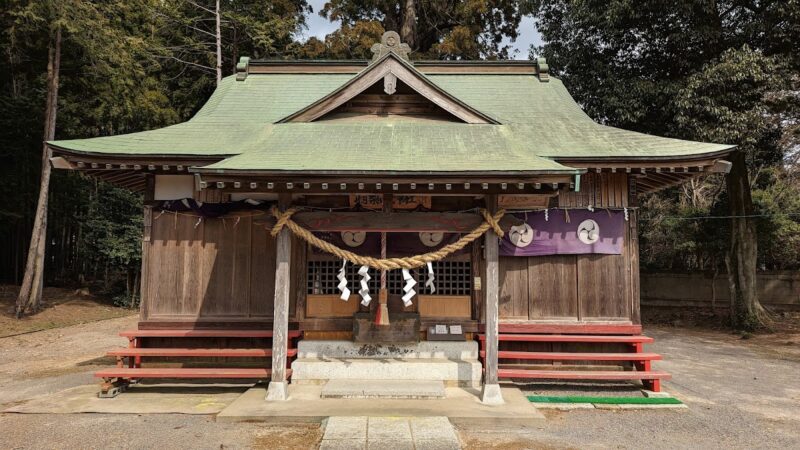
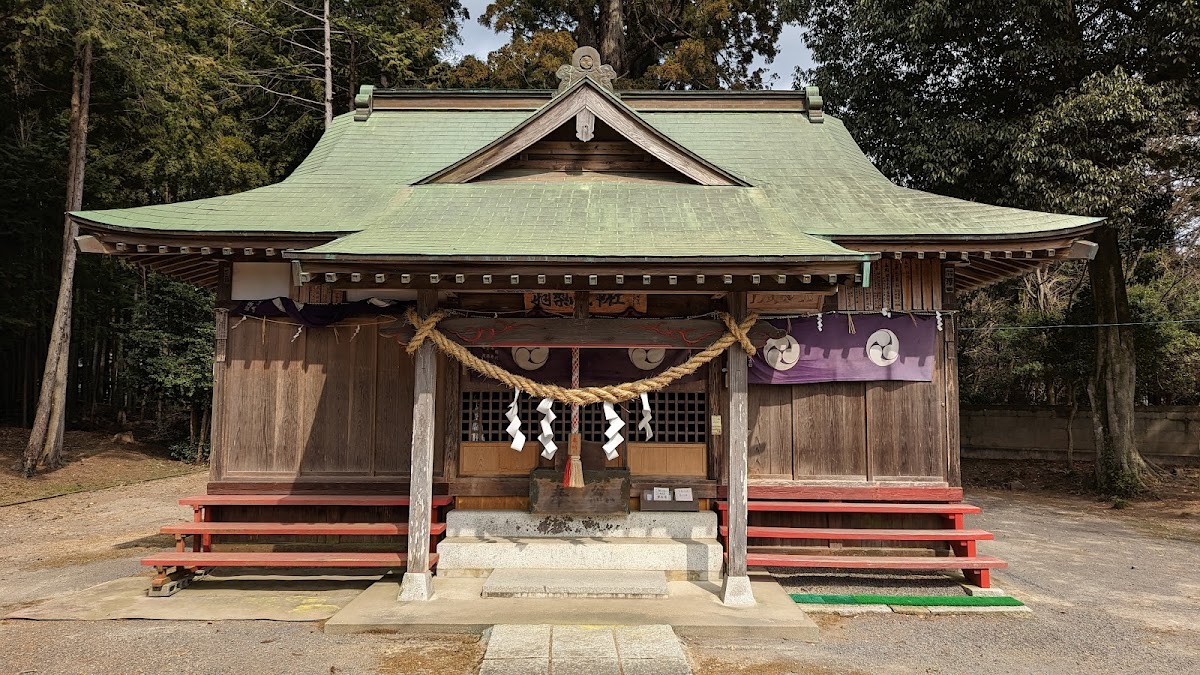
The shrine buildings of Hanashiyama Shrine maintain the traditional style of shrine architecture. The worship hall serves as a sacred space welcoming worshippers, while the main sanctuary is the most sacred place enshrining the deity, each exuding a solemn atmosphere.
The area surrounding the shrine buildings is enveloped in a tranquil atmosphere, allowing worshippers to offer their prayers in peace.
Torii Gate and Approach
A torii gate stands at the entrance to the shrine grounds, marking the boundary of the sacred area. Passing through the torii gate leads to the approach path, which guides worshippers to the shrine buildings.
The design of the approach path allows worshippers to compose themselves and offer their prayers with respect for the deities.
The Sacred Cedar Tree of Hanashiyama Shrine
Within the grounds of Hanashiyama Shrine stands a sacred cedar tree, designated as a cultural property of Kasama City. This giant tree, estimated to be several hundred years old, is a living witness to the shrine’s history.
The towering cedar tree further enhances the sacredness of the shrine and is attracting attention as a power spot. This sacred tree is one of the important highlights of the shrine grounds.
Komainu (Guardian Dogs) and Stone Sculptures
Stone sculptures, including guardian dogs (komainu), are placed throughout the shrine grounds. These sculptures were donated from the Edo period to the modern era, testifying to the deep faith of the local people.
Sacred lanterns (stone lanterns) and shrine name markers also play an important role in creating the atmosphere of the shrine grounds.
Natural Environment of the Shrine Grounds
The grounds of Hanashiyama Shrine are surrounded by abundant nature. The lush green environment, a remnant of Haneyama’s past as a famous cherry blossom viewing spot, displays different expressions throughout the seasons.
In particular, you can enjoy the different scenery of each season: the fresh green of spring, the deep green of summer, the colorful foliage of autumn, and the tranquility of winter.
Goshuin Information
Haneyama Shrine offers Goshuin (shrine stamps).
How to Obtain a Goshuin
Goshuin can be obtained at the shrine office. However, since there may not always be a resident priest, if you want to be sure to obtain a Goshuin, it is recommended to inquire in advance or visit during festivals such as New Year’s.
Several visitor records have been reported of people being able to obtain Goshuin during the New Year’s preparation period and the Hatsumode (first shrine visit of the year) period.
Features of the Goshuin
The Goshuin of Haneyama Shrine features the shrine’s name written in ink and stamped with the shrine’s seal. This Goshuin, which signifies its status as a Shikinaisha (a shrine listed in the Engishiki), is a valuable item for those who visit shrines.
Bringing your Goshuincho (stamp book) when visiting allows you to receive a Goshuin (temple/shrine stamp) as a memento of your visit and proof of your faith.
Manners when receiving a Goshuin
A Goshuin is not just a stamp rally; it is proof of your visit. Always complete your prayers before receiving your Goshuin.
It is important to observe basic manners such as opening your Goshuincho and handing it over, having the offering ready, and waiting quietly.
Festivals and Annual Events
Hanashiyama Shrine holds various festivals throughout the year.
Annual Grand Festival
Every year, the Annual Grand Festival is held, and local people gather to perform Shinto rituals. The Annual Grand Festival is the most important festival for the shrine, where gratitude is offered to the enshrined deity and prayers are offered for the peace and prosperity of the community.
For specific dates, we recommend contacting the shrine directly or checking local notices.
New Year’s Events
During the New Year, many worshippers visit for Hatsumode (first shrine visit of the year). The shrine is bustling with people praying for safety and prosperity in the new year, and the grounds are adorned with New Year’s decorations.
During the first three days of the New Year and the period of Matsunouchi (the first three days of the New Year), visitors can enjoy a special atmosphere.
Other Festivals
Seasonal festivals, such as spring and autumn festivals, are also held. These festivals play a role in strengthening the ties of the local community.
For the latest festival schedule, please check the Kasama City tourist information or contact the shrine directly.
Location Information
Address
3161-1 Kamigo, Kasama City, Ibaraki Prefecture 319-0201
Hanashiyama Shrine is located in the Kamigo district of Kasama City. It is situated in the former Iwama Town area and is accessible from Iwama Station on the Joban Line.
Geographical Location
Kasama City is located in the central part of Ibaraki Prefecture, close to Mito City, the prefectural capital. Haneyama Shrine is located in a relatively quiet residential and rural area of the city, offering a peaceful atmosphere for worship.
The surrounding area is blessed with a rich natural environment, including mountains such as Wagakuni-san and Atago-yama.
Access and Transportation Information
Nearest Station and Line
JR Joban Line “Iwama Station” is the nearest station.
Haneyama Shrine is approximately 3km northwest of Iwama Station.
Access from Iwama Station
- Walking: Approximately 40 minutes
- Taxi: Approximately 10 minutes
- Bus: Bus service is limited, so checking the timetable is necessary.
If walking, it is recommended to plan with ample time due to the distance. Depending on the weather and your physical condition, you may want to consider taking a taxi.
Access by Car
Access by car is the most convenient.
- Approximately 15 minutes from the Iwama IC on the Joban Expressway
- Approximately 20 minutes from the Tomobe IC on the Kita-Kanto Expressway
When using a car navigation system, you can search by address (3161-1 Kamigo, Kasama City, Ibaraki Prefecture) or the name of the shrine.
Parking
There is parking space for visitors on the shrine grounds or nearby. However, it may get crowded during festivals, so early arrival is recommended.
Access Map
Searching for “Hanashiyama Shrine” on online map services such as Google Maps will allow you to check the route and travel time from your current location. Using a smartphone map app will help you arrive without getting lost.
Nearby Tourist Attractions
Kasama Inari Shrine
This is a representative shrine of Kasama City and is sometimes counted as one of the three major Inari shrines in Japan. Many people visit it in conjunction with Hanashiyama Shrine.
Kasama Pottery Village
Kasama City is known for its traditional craft, Kasama pottery. Pottery workshops, galleries, and kilns are scattered throughout the area, allowing visitors to experience pottery culture.
Mt. Agokuni and Mt. Atago
Around Hanashiyama Shrine are mountains such as Mt. Agokuni and Mt. Atago, offering opportunities for hiking and nature walks. The beech forest on Mt. Agokuni and the chinquapin trees on Mt. Atago are designated as cultural properties of the city.
Kasama Art Forest Park
This park, centered around the Ibaraki Prefectural Ceramic Art Museum, is a spot where you can enjoy art and nature simultaneously. It’s a recommended place for families.
Points and Manners for Visiting a Shrine
Etiquette for Visiting a Shrine
Please observe the basic etiquette for visiting a shrine.
- Bow before passing through the torii gate
- Avoid walking in the center of the approach to the shrine
- Cleanse your hands and mouth at the water basin
- Bow twice, clap twice, and bow once in front of the main hall
Clothing
There are no specific dress code requirements, but it is desirable to wear clothing that reflects the sacred nature of the place. Please avoid extremely revealing or dirty clothing.
Photography
Photography is generally permitted within the shrine grounds, but there may be restrictions inside the shrine buildings or during religious ceremonies. Please also be considerate of other visitors.
Respect
The shrine grounds are a sacred space. Please refrain from speaking loudly or running around, and worship quietly.
The Charm of Hanashiyama Shrine
Historical Value as a Shikinaisha Shrine
Hanashiyama Shrine, potentially with a history of over 1300 years, is a valuable Shikinaisha shrine in Ibaraki Prefecture. Its historical value is highly regarded as a shrine that conveys ancient forms of faith to the present day.
There are approximately 3000 shrines listed in the Engishiki Jinmyocho (a list of shrines compiled in the Heian period) throughout Japan, and visiting one of them is a special experience for those who enjoy visiting shrines.
Quiet Worship Environment
Hanashiyama Shrine, which has not been heavily commercialized for tourism, offers the charm of a quiet and peaceful atmosphere for worship. A space where one can escape the hustle and bustle and quietly connect with the divine is precious in modern society.
The Power of the Sacred Tree
The sacred cedar tree, designated as a city cultural property, is a giant tree that has grown over many years. Its powerful presence makes visitors feel vitality and energy.
It is also attracting attention as a power spot, and it is said that taking a deep breath in front of the sacred tree can refresh both mind and body.
Connections with the Community
Hanashiyama Shrine has long been protected by the local people as the guardian deity of the region. Local people gather for festivals, and the shrine plays a central role in the community.
This deep connection with the community gives the shrine a warm feeling.
Points to Note When Visiting
Shrine Office Opening Hours
Since there may not always be a resident priest, if you wish to receive a Goshuin (shrine stamp) or amulet, it is recommended to check in advance or visit on a festival day.
Weather and Clothing
The shrine grounds are surrounded by nature, so the ground can become slippery in rainy weather. Please choose comfortable shoes and dress appropriately for the weather.
Don’t forget insect repellent in summer and warm clothing in winter.
Using Public Transportation
The shrine is a distance from the nearest station, and bus services are limited, so it’s important to check the timetable in advance and plan your schedule with plenty of leeway.
Consider taking a taxi as an option.
Summary
Hanashiyama Shrine is a historical shrine located in Kasama City, Ibaraki Prefecture. It is said to have been founded in the 3rd year of Emperor Tenji’s reign (664 AD), and enshrines Konohanasakuya-hime no Mikoto as its main deity.
It is a historically significant shrine listed in the “Engishiki Jinmyocho” (a list of shrines compiled in the Heian period) and has records of its divine rank being granted in the “Nihon Sandai Jitsuroku” (a historical record of the Three Reigns of Japan). Its former shrine rank was that of a Gosha (village shrine). Within the shrine grounds stands a sacred cedar tree, a designated cultural property of Kasama City, creating a quiet and sacred atmosphere.
Access is approximately 3km northwest of Iwama Station on the JR Joban Line, or about 15 minutes by car from the Iwama Interchange on the Joban Expressway. The shrine also offers Goshuin (stamped seals), making it a worthwhile visit for those who enjoy visiting shrines.
When you visit Kasama City, be sure to pay your respects at Haneyama Shrine and experience the tranquil atmosphere of this ancient shrine with over 1300 years of history. You’ll be able to spend a peaceful time surrounded by abundant nature.