
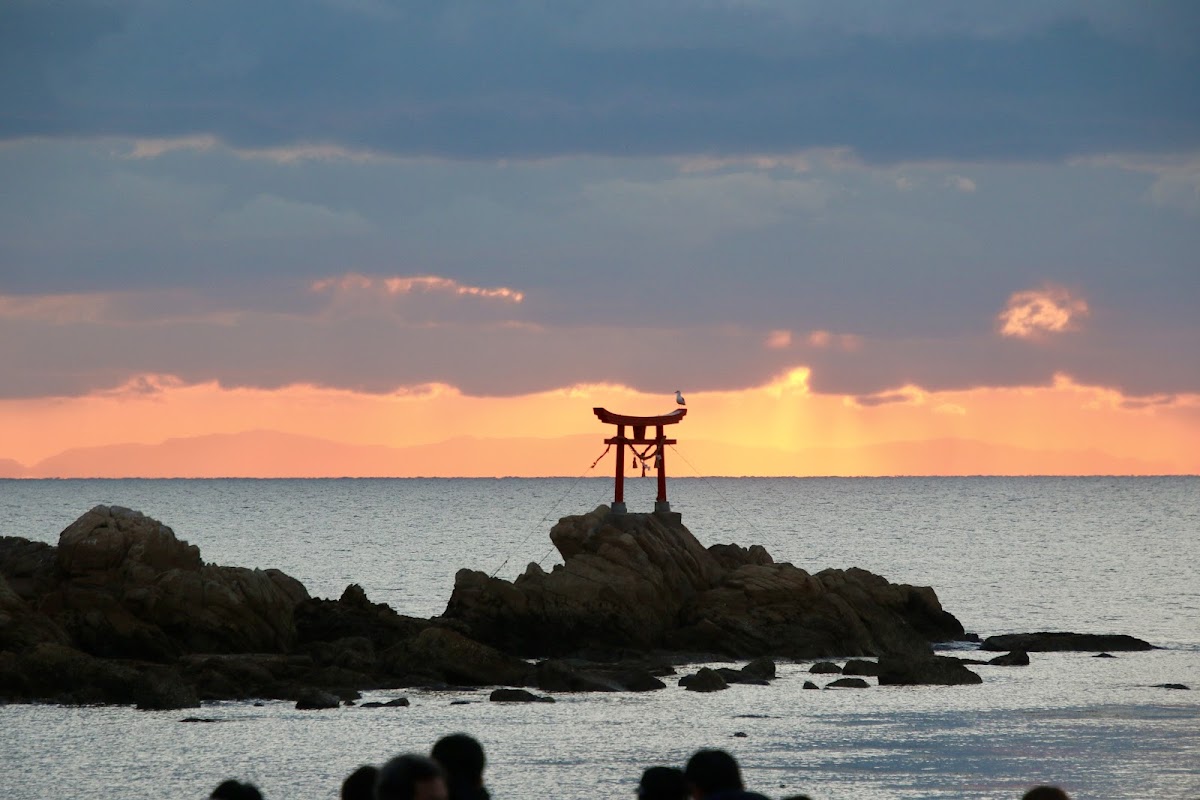
Hie Shrine (Kitsuki City, Oita Prefecture) Complete Guide | History, Deities, and the Charm of the Natural Monument, the Kachishiba Tree
Hie Shrine (Hie Jinja), located in Ota Ono, Kitsuki City, Oita Prefecture, is a historical shrine that attracts the faith of the local community. With Ōkuninushi-no-Mikoto as its main deity, and 17 other gods enshrined there, and adorned with Kachishiba (Ichii-gashi) trees, a Kitsuki City-designated natural monument, it is known as a shrine with profound spiritual power, known to those in the know. This article provides a detailed introduction to Hie Shrine, including its history, enshrined deities, highlights of the grounds, and access information.
Basic Information on Hie Shrine (Hie Jinja)
Hie Shrine is located at 659 Ota Ono, Kitsuki City, Oita Prefecture, and its former shrine rank was Village Shrine. It is also known locally as “Hie Jinja” and has long been revered by local residents as the guardian shrine of the Ota district.
Location and Characteristics of the Shrine
The Ota-Ono district of Kitsuki City is a region surrounded by abundant nature in the southern part of the Kunisaki Peninsula. Located approximately 20 km north of Oita City, it was historically part of the Kitsuki Domain. Ota-Ono, where Hie Shrine is located, is a settlement centered on agriculture and is known for its strong traditions and culture.
The area surrounding the shrine is a rural landscape, offering a chance to experience the changing seasons. Especially during the fresh greenery of spring and the vibrant autumn foliage, visitors can enjoy beautiful scenery along with the natural monument, the Japanese cypress (Kachishiba), within the shrine grounds.
Former Shrine Rank: History as a Village Shrine
Hie Shrine was ranked as a “village shrine” under the Meiji-era shrine ranking system. A village shrine refers to a shrine that served as the spiritual center of a local community, acting as the guardian deity of a village. Among the many village shrines throughout Japan, Hie Shrine is unique in that it enshrines 17 deities.
The role of the village shrine was to function as a place for prayers for abundant harvests, family safety, and protection from disease in the region. Even today, local festivals and rituals are held there, playing an important role in strengthening community bonds.
Deities Enshrined: Ōnamuchi-no-Mikoto and 16 other deities
The most distinctive feature of Hie Shrine is that it enshrines 17 deities, including the principal deity, Ōnamuchi-no-Mikoto.
Principal Deity: Ōnamuchi-no-Mikoto
Ōnamuchi-no-Mikoto is a representative deity of the Kunitsukami (earthly gods), also known as Ōkuninushi-no-Mikoto. He is also famous as the principal deity of Izumo Taisha Shrine and is believed to possess the following divine virtues:
- God of National Management: As the god of nation-building, he presides over the development and prosperity of the region.
- God of Matchmaking: He not only brings good fortune to men and women, but to all kinds of relationships.
- God of Medicine: As seen in the myth of the White Rabbit of Inaba, he has the divine virtue of healing illnesses.
- God of Agriculture: He has an aspect as an agricultural god who brings about abundant harvests.
While there are several shrines in Oita Prefecture that enshrine Ōkuninushi-no-Mikoto, it is rare to find a shrine like Hie Shrine where he is enshrined alongside 17 other deities, which speaks to the depth of faith in the region.
About the 16 Enshrined Deities
In addition to Ōkuninushi-no-Mikoto, 16 other deities are enshrined at Hie Shrine. While the specific names of the deities are left to local traditions and shrine records, generally, when a village shrine enshrines multiple deities, the following are often included:
- Amaterasu-ōmikami: The supreme deity of Japan as the ancestral god of the imperial family
- Hachiman-jin: God of military fortune and agriculture
- Tenjin (Sugawara no Michizane): God of learning
- Inari-jin: God of abundant harvests and business prosperity
- Ujigami/Ubusunagami: Guardian deities unique to the region
By enshrining these deities together, the shrine has functioned as a comprehensive place of worship that fulfills all kinds of wishes of the community.
Kitsuki City Designated Natural Monument: The Kachishiba Tree of Hie Shrine
Within the grounds of Hie Shrine stands a giant tree called “Kachishiba,” designated as a Kitsuki City Designated Natural Monument.
What is Kachishiba (Ichii-gashi)?
Kachishiba, formally known as Ichii-gashi (Japanese yew), is an evergreen tree belonging to the genus Quercus in the family Fagaceae. It is distributed mainly in western Japan and has been cherished as a tree within the grounds of Shinto shrines since ancient times.
Characteristics of Ichii-gashi:
- Tree Height: A tall tree reaching 20-30 meters
- Leaves: Glossy, leathery leaves with serrated edges
- Bark: Grayish-brown with shallow vertical fissures
- Nuts: Produces acorns, which are edible
- Lifespan: Boasts a long lifespan of several hundred years
Value as a Natural Monument
The reason the Kachishiba at Hie Shrine was designated a natural monument is due to its age, shape, and cultural value in the region. Its estimated age is several hundred years, and it may have existed since the founding of the shrine, or even earlier.
Giant trees possess not only value as plants, but also multifaceted significance, as follows:
- Witness to History: Living witnesses that have watched over the history of the region.
- Object of Worship: Revered as sacred trees and considered holy.
- Crust of the Ecosystem: Serving as habitats for diverse organisms and supporting biodiversity.
- Landscape Element: An important element that characterizes the local landscape.
- Cultural Symbol: A symbol of regional identity.
Points to Note When Visiting the Kachishiba Tree
When you visit Hie Shrine, be sure to take your time to observe the Kachishiba tree. You can enjoy the dignified presence unique to a giant tree of such age, and the changes it undergoes throughout the seasons.
- Spring: Beautiful with its fresh green leaves
- Summer: Deep green leaves provide shade
- Autumn: Acorns ripen, and some leaves change color despite the tree being evergreen
- Winter: Evergreen leaves enhance the solemnity of the shrine
When taking photographs, in addition to capturing the entire tree, paying attention to the texture of the bark and the details of the leaves will allow you to appreciate the natural beauty of the form more deeply.
History and Origins of Hie Shrine
The exact founding date of Hie Shrine is not clearly known, but based on local historical documents and traditions, it is believed to have existed at least before the Edo period.
Shrine Culture of the Kitsuki Region
The Kunisaki Peninsula, including Kitsuki City, is a region where a culture of syncretism of Shinto and Buddhism flourished since ancient times. In particular, a unique mountain worship called Rokugo Manzan developed, characterized by a form of worship where shrines and temples were integrated.
Hie Shrine is also thought to have developed under the influence of this regional religious culture. As the guardian shrine of the Ota district, it has played a central role in local agricultural rituals and annual events.
Changes Since the Meiji Era
The Meiji-era decree separating Shinto and Buddhism forced major changes on shrines throughout Japan. Hie Shrine was no exception; it was designated a village shrine and officially recognized as the guardian shrine of the region.
Through the Showa era and up to the present day, the local residents’ parishioners’ organization has been responsible for the maintenance and management of the shrine, continuing the traditional rituals. Despite facing modern challenges such as depopulation and an aging population, its role as a spiritual pillar of the community remains unchanged.
Hie Shrine Grounds and Highlights
The grounds of Hie Shrine are a tranquil space nestled in a rich natural environment.
Shrine Buildings and Architectural Style
The shrine buildings of Hie Shrine are typical of local village shrines, simple yet dignified in style. The main hall and worship hall are at the center, surrounded by a torii gate and guardian lion-dogs.
The architectural style retains the characteristics of traditional shrine architecture in the region, featuring a warm and inviting construction primarily using wood. Regular repairs maintain its ancient appearance.
Atmosphere of the Shrine Grounds
The grounds of Hie Shrine are surrounded by trees, including the natural monument *Kachishiba*, creating a quiet and sacred atmosphere. While few people visit, this allows visitors to fully appreciate the solemnity and sense of unity with nature inherent in a traditional shrine.
Climbing the stone steps and passing through the torii gate, one enters a different world, far removed from the hustle and bustle of everyday life. It’s a precious place where one can experience the sacredness with all five senses—the chirping of birds, the rustling of trees in the wind, the fragrance of seasonal flowers, and more.
Etiquette for Visiting the Shrine
When visiting Hie Shrine, please observe the following basic etiquette:
- Bow at the Torii Gate: Bow before passing through the torii gate.
- Walking on the Path: Walk along the sides, as the center is the path for the gods.
- Procedure for Washing Hands: If there is a washbasin, cleanse your hands and mouth.
- Worship at the Main Hall: Worship using the two bows, two claps, and one bow method.
- Be Quiet: Do not speak loudly and remain quiet.
- Respect for Nature: Do not damage trees or plants, and take your trash with you.
Access Information: How to Get to Hie Shrine
Hie Shrine is located at 659 Ota Ono, Kitsuki City, Oita Prefecture. Public transportation is limited, so visiting by private car is recommended.
Access by Car
From Oita City:
- Approximately 20 minutes from the Hayami Interchange on the Oita Expressway
- Via National Route 10, then use the prefectural road
From Beppu City:
- Head north on National Route 10, passing through Kitsuki town center, for approximately 30 minutes
Parking:
There is parking space for visitors on the shrine grounds or nearby, but due to the small size of the shrine, the number of spaces is limited. Since it is also a local road, please avoid street parking and be considerate of nearby residents.
Access by Public Transportation
Nearest Station: JR Nippo Main Line, Kitsuki Station
Bus:
There are buses from Kitsuki Station towards Ota, but the number of services is limited, so please check the timetable in advance. From the nearest bus stop, it is a walk to the shrine.
Taxi:
Taking a taxi from Kitsuki Station will get you there in about 15-20 minutes.
Points to Note When Visiting
- Visiting Hours: Generally, visit during daylight hours.
- Shrine Office: There may not always be a resident priest, so if you wish to receive a Goshuin (shrine stamp), please check in advance.
- Weather: Be careful as the ground may be slippery in rainy weather.
- Season: Take insect repellent in summer and warm clothing in winter.
Other Tourist Spots in Kitsuki City
When visiting Hie Shrine, we recommend also visiting other attractive tourist spots in Kitsuki City.
Kitsuki Castle and Castle Town
Kitsuki City is known as a “sandwich-type castle town,” a castle town with a unique topography that is rare nationwide. It features a distinctive structure with samurai residences lined up on the north and south hills, and a merchant town formed in the valley.
Kitsuki Castle:
Built during the Muromachi period, this castle now features a reconstructed keep and is a symbol of Kitsuki City. From the keep, you can enjoy a spectacular panoramic view of Beppu Bay.
Samurai Residences:
Edo-period samurai residences are preserved in Kitadai and Minamidai, allowing visitors to stroll through a historical townscape. The sloping streets and cobblestone paths create a beautiful landscape.
Visiting Shrines in Kitsuki City
Besides Hie Shrine, Kitsuki City boasts numerous historical shrines:
- Yasaka Shrine: The main guardian shrine of the Kitsuki castle town
- Sumiyoshi Shrine: Worshipped as the god of safe voyages
- Wakamiya Hachiman Shrine: Revered as the guardian deity of samurai
Through visiting these shrines, you can gain a deeper understanding of the faith, culture, and history of the Kitsuki region.
Nearby Hot Spring Resorts
Oita Prefecture is known as the “Onsen Prefecture” (Hot Spring Prefecture), and there are excellent hot spring resorts around Kitsuki City:
Beppu Onsenkyo:
Located about 30 minutes by car from Kitsuki City, it is one of Japan’s leading hot spring resorts and is world-famous. You can enjoy the “Hell Tour” and hot springs with diverse water qualities.
Hiji Onsen:
A hot spring in Hiji Town, adjacent to the south of Kitsuki City, it boasts a spectacular open-air bath overlooking Beppu Bay.
Gourmet Information Around Hie Shrine
When visiting Kitsuki City, be sure to enjoy the local cuisine.
Kitsuki Local Cuisine
Joka Karei:
A specialty dish of Kitsuki City, this local dish uses sea bream caught in Beppu Bay. It was a high-class ingredient presented to the feudal lord during the Edo period and remains a popular representative gourmet dish of Kitsuki today.
Bungo Beef:
This is a brand of beef that Oita Prefecture is proud of, and you can enjoy it in Kitsuki City. It is characterized by its fine marbling and tender texture.
Local Seafood Dishes:
Kitsuki City, facing Beppu Bay, is rich in fresh seafood. You can enjoy set meals and sashimi made with local fish such as horse mackerel, mackerel, and sardines.
Recommended Restaurants
In the Kitsuki city center, there are many restaurants where you can dine while feeling the atmosphere of a castle town. From cafes renovated from old houses to restaurants using local ingredients, there is an environment where you can enjoy sightseeing and dining at the same time.
The Significance of Visiting Hie Shrine
Hie Shrine is not a place that is heavily advertised as a tourist destination. However, that is precisely why it is a shrine worth visiting.
Experiencing Local History and Culture
Hie Shrine is a place of worship that the people of the Ota-Ono district have protected for generations. By visiting, you can experience authentic local culture that has not been commercialized for tourism.
Healing in Tranquility and Nature
The shrine grounds, surrounded by the natural monument *Kachishiba* (a type of cypress tree), offer a tranquil space far removed from the hustle and bustle of the city. It’s a precious place to calm the mind and feel the energy of nature, perfect for refreshing both mind and body.
Understanding Oita Prefecture’s Shrine Culture
Oita Prefecture, particularly the Kunisaki Peninsula, is a region where a unique syncretic culture of Shinto and Buddhism has developed. Visiting Hie Shrine provides clues to understanding the region’s unique religious culture and historical background.
The Four Seasons of Visiting Hie Shrine
Hie Shrine displays different expressions throughout the four seasons.
Spring (March-May)
In the season of fresh greenery, the trees on the grounds, including the *Kachishiba*, sprout new leaves. The soft light of spring envelops the grounds, creating an atmosphere full of vitality.
Summer (June-August)
The deep green trees provide shade, creating a cool and refreshing space. The sound of cicadas fills the air, creating a vibrant atmosphere unique to summer shrines.
Autumn (September-November)
Some of the evergreen cypress trees begin to change color, adding to the autumn scenery along with the surrounding deciduous trees. It’s also the season for acorns, allowing visitors to truly appreciate nature’s bounty.
Winter (December-February)
The evergreen cypress trees retain their green foliage even in the winter cold, highlighting the solemnity of the shrine. Visiting the shrine in the crisp winter air is a special experience that cleanses the soul.
Community Contribution and Shrine Preservation
Small local shrines like Hie Shrine face challenges in maintenance due to depopulation and an aging population.
Role of the Parishioners’ Organization
The parishioners’ organization, comprised of local residents, is responsible for cleaning the shrine, performing rituals, and maintaining its facilities. With limited numbers and resources, they continue their efforts to protect the place of worship inherited from their ancestors.
What Visitors Can Do
When visiting the shrine, we can show the following considerations:
- Respectful Worship: Visit with respect as a place of faith, not as a tourist attraction.
- Environmental Preservation: Take your trash with you and avoid harming nature.
- Contributing to the Local Economy: Support local shops and restaurants.
- Information Dissemination: Share information appropriately on social media and convey the value of the shrine.
Summary: Rediscovering the Charm of Hie Shrine
Hie Shrine, located in Ota Ono, Kitsuki City, Oita Prefecture, is a historic village shrine dedicated to 17 deities, with Ōkuninushi-no-Mikoto as its principal deity. The shrine grounds are adorned with evergreen oaks (Quercus dentata), designated as a natural monument by Kitsuki City, creating a sacred space filled with tranquility and nature.
Although it is a small shrine not widely advertised as a tourist destination, it is a valuable place where the history, culture, and faith of the region thrive. When you visit Kitsuki City, be sure to also visit Hie Shrine, along with the castle town and Kitsuki Castle.
Spending time quietly praying at this shrine, which has witnessed centuries of history and is watched over by giant trees designated as natural monuments, will bring you a peace of mind that is hard to find in modern society. A visit to Hie Shrine will surely become a special memory as part of a journey to experience Oita Prefecture’s rich nature and history, and the warm faith of the local people.
By adding a visit to Hie Shrine to your itinerary, along with sightseeing in Kitsuki City’s “sandwich-shaped castle town,” you will be able to discover the charm of Oita Prefecture more deeply. Spend a fulfilling time at Hie Shrine, where history, nature, and faith harmonize.


