
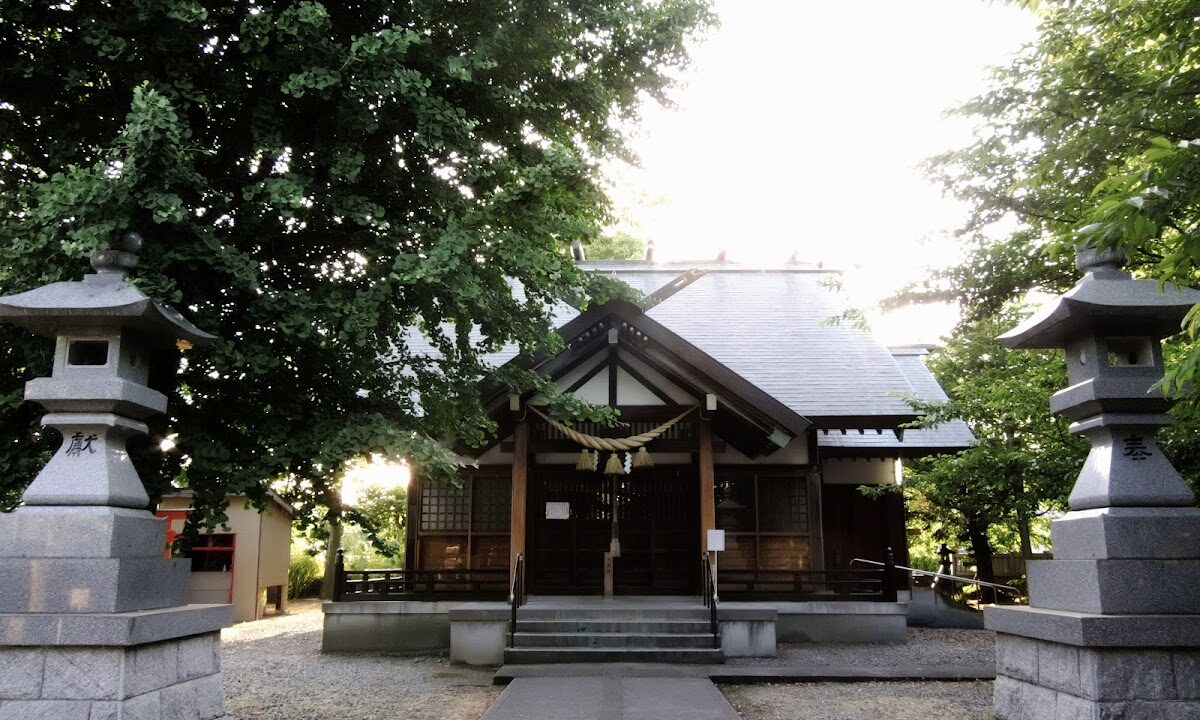
Hinomiya Shrine (Toyama City, Toyama Prefecture) Complete Guide | History, Deities, and Access Information
Hinomiya Shrine, located in Takazono-cho, Toyama City, Toyama Prefecture, is a historical shrine deeply rooted in the local community. This article provides detailed information you should know before visiting, including the deities enshrined at Hinomiya Shrine, its history, the characteristics of the grounds, access methods, and proper etiquette for worship.
Basic Information about Hinomiya Shrine
Hinomiya Shrine is located in Takazono-cho, Toyama City, and has long been cherished as the guardian deity of the local community. The shrine grounds, nestled in a quiet residential area, offer an ideal space to escape the hustle and bustle of the city and find peace of mind.
Location
Address: 13-10 Takazono-cho, Toyama City, Toyama Prefecture 931-8315
Hinomiya Shrine is located in the Takazono-cho area of Toyama City. Takazono-cho is located slightly east of the city center and is known as a quiet residential area. The surrounding area includes schools and parks, making it a central hub for the local community.
The shrine grounds are relatively compact, but they are well-maintained and clean, reflecting the respect and affection the local residents have for the shrine. Despite being located in a residential area, it maintains a tranquil atmosphere befitting a sacred place.
Nearest Stations and Lines
The following railway lines are available to access Hinomiya Shrine:
Nearest Stations:
- Approximately 3.5km from Ainokaze Toyama Railway “Toyama Station”
- Approximately 2.8km from Toyama Chihō Railway Main Line “Inarimachi Station”
- Approximately 2.5km from Toyama Chihō Railway Main Line “Shinjō Tanaka Station”
Toyama Station is a major station serving as the gateway to Toyama Prefecture, and the Hokuriku Shinkansen also stops there. Visitors from outside the prefecture will find it convenient to start from Toyama Station. If using the Toyama Chihō Railway, Inarimachi Station or Shinjō-Tanaka Station are relatively close, but it takes about 30 minutes to walk from either station, so we recommend using a bus or taxi.
Nearest Bus Stops and Routes
When accessing by public transport, using the local bus routes running within Toyama City is convenient.
Available Bus Routes:
- Toyama Chihō Railway Bus routes (boarding from Toyama Station)
- Accessible within walking distance from the nearest bus stop
There are bus routes operating from the bus terminal in front of Toyama Station towards Takazono-machi. Bus frequency and timetables vary depending on the season and day of the week, so we recommend checking the latest information on the Toyama Chihō Railway Bus official website in advance.
Access by Private Car:
It takes about 10 minutes by car from the center of Toyama City. There may be parking spaces for visitors around the shrine, but since it is in a residential area, please avoid street parking and be mindful of proper etiquette during your visit.
Deities enshrined at Hinomiya Shrine
As the name Hinomiya Shrine suggests, it is believed that deities related to fire are enshrined here.
About the worship of the god of fire
In Japanese Shinto, the god of fire has been revered as an important being since ancient times. Fire is indispensable to people’s lives, but at the same time, it has a dual nature of bringing about terrible disasters. Therefore, the worship of the god of fire is believed to bring a wide range of divine blessings, including protection from fire, safety of the home as the god of the hearth, and even industrial development.
The following are some of the deities generally known as gods of fire:
- Homusubi-no-kami: The creator god of fire
- Kagutsuchi-no-kami: A representative figure among the gods of fire
- Akiba Daigongen: Worshipped nationwide as the god of fire prevention
For the exact deities enshrined at Hinomiya Shrine, you can check the information boards on the shrine grounds or at the shrine office when you visit. It may be deeply connected to the local history and traditions.
History and Origins of Hinomiya Shrine
Regarding the founding date and detailed origins of Hinomiya Shrine, there is information based on local traditions and records.
Connection to the Community
The area around Takazono-cho in Toyama City was once an agricultural area, and fire was indispensable for farming and daily life. Shrines dedicated to the god of fire have attracted the faith of local residents not only for protection from fire, but also as places to pray for bountiful harvests and family safety.
Even after the Meiji-era shrine consolidation policy and post-war urbanization, Hinomiya Shrine has survived as the local guardian shrine and is still carefully preserved by local people. Festivals and cleaning activities are held throughout the year, and it also functions as a place to deepen the bonds of the local community.
Fire God Worship in Toyama
There are several shrines related to fire within Toyama Prefecture. This is thought to be related to the unique climate and geography of the Hokuriku region, as well as the former industrial structure. Fire has been closely intertwined with the lives of the people of Toyama, from heating to cope with the harsh winter cold, to its use in agriculture and fishing, and even in the development of industry since the modern era.
Highlights of the Shrine Grounds
While the grounds of Hinomiya Shrine are not large, they possess a warmth and charm unique to a local shrine.
Shrine Buildings
The main hall is built in the traditional shrine architectural style and, though simple, is meticulously maintained. From the worship hall, one can feel the history and deep faith of the region.
Atmosphere of the Shrine Grounds
Despite being located in a residential area, stepping onto the shrine grounds reveals a quiet and peaceful space. The trees on the grounds change their appearance with each season, with fresh greenery in spring and vibrant autumn leaves delighting visitors.
The grounds are always kept clean thanks to regular cleaning by local residents. This dedicated service by the community is a major support for the shrine.
Proper Etiquette and Manners for Visiting a Shrine
When visiting Hinomiya Shrine, please follow basic shrine etiquette.
Basic Worship Procedure
- Bow before passing through the torii gate: Before entering the sacred area, bow slightly in front of the torii gate.
- Purify yourself at the water basin: If there is a water basin, purify your hands and mouth.
- Walk along the edge of the path: The center of the path is considered the path of the gods, so walk along the edge.
- Worship at the main hall: Worship using the two bows, two claps, one bow method.
- Bow upon leaving: After leaving the torii gate, turn around and bow.
Procedure for Two Bows, Two Claps, One Bow
- Place your offering in the offering box.
- If there is a bell, ring it.
- Bow deeply twice (two bows).
- Clap your hands twice at chest height (two claps).
- Pray with your hands clasped together.
- Finally, bow deeply once (one bow).
Precautions when visiting the shrine
- Please be quiet: As the shrine is located in a residential area, please refrain from speaking loudly.
- Photography: Photography is generally permitted on the shrine grounds, but please be considerate of other visitors.
- Please take your trash home: Please cooperate in keeping the shrine grounds clean.
- Parking: Please avoid parking on the street as it inconveniences the neighbors.
About Goshuin (Shrine Seals)
Regarding the issuance of Goshuin at Hinomiya Shrine, the availability of the shrine office and its operating hours may be limited.
Precautions when receiving Goshuin
In the case of small shrines, there are often no resident priests, and Goshuin may not be issued. Those wishing to receive a Goshuin are advised to inquire in advance with the Toyama Prefectural Shrine Association or nearby shrines.
In recent years, services that allow you to obtain electronic Goshuin through smartphone apps have appeared, but these are not official shrine services and are primarily for record-keeping purposes. For those wishing to receive an official Goshuin (temple/shrine stamp), direct issuance at the shrine is the standard procedure.
Etiquette for Receiving a Goshuin
- Prepare a Goshuincho (stamp book) (A Goshuin is not just a stamp, but proof of your visit)
- Head to the Goshuin office after completing your prayers
- Prepare small change for the Goshuin fee in advance (Generally around 300-500 yen)
- Use polite language
Annual Events and Festivals
At Hinomiya Shrine, various Shinto rituals are performed throughout the year as the guardian deity of the region.
Main Annual Events
- New Year’s Day Festival: First shrine visit of the new year
- Spring Festival: Celebrating the arrival of spring and praying for a bountiful harvest
- Summer Purification Ceremony: A Shinto ritual to cleanse away the impurities accumulated over the past six months
- Autumn Festival: Offering thanks for the harvest
- Year-End Purification Ceremony: Cleansing away the impurities accumulated over the year
Specific festival dates may vary from year to year. Please check local bulletin boards or the Toyama Prefectural Shrine Association website for the latest information.
Connections with the Community
During festivals, local residents gather, and sometimes a portable shrine procession or offering ceremony takes place. These events are important opportunities to deepen community bonds and function as a place for intergenerational exchange.
Relationships with Other Shrines in Toyama City
Numerous shrines exist within Toyama City, each functioning as a center of local faith.
Major Shrines in Toyama City
Hie Shrine: Known as the guardian shrine of Toyama City, it is affectionately known as “Sanno-san.” The spring Sanno Festival is one of Toyama’s three major festivals.
Toyama Prefecture Gokoku Shrine: A shrine dedicated to the spirits of those who died in war from Toyama Prefecture, located within Toyama Castle Park.
Imizu Shrine: Located within the Toyama Castle ruins, it has long been revered as the Ichinomiya (first-ranked shrine) of Etchu Province.
Hinomiya Hachiman Shrine: A shrine located in Teya, Toyama City, with a name similar to Hinomiya Shrine. It is a shrine dedicated to the god of fire and Hachiman, and is a center of local faith.
These shrines, along with Hinomiya Shrine, each have different histories and characteristics, yet they all play an important role as spiritual pillars for the citizens of Toyama.
Toyama’s Shrine Culture and the Hinomiya Shrine
Toyama Prefecture, facing the Sea of Japan and home to the Tateyama mountain range, is a land rich in natural beauty. This unique geographical environment has fostered a distinctive shrine culture in Toyama.
Characteristics of Toyama’s Shrines
Toyama’s shrines are characterized by a complex interplay of mountain worship, ocean worship, and agricultural worship. Mountain worship, exemplified by Tateyama worship, has influenced the entire prefecture, and many shrines enshrine mountain gods.
Furthermore, in areas facing Toyama Bay, many shrines are found that pray for safety at sea and abundant catches. In rural areas, shrines praying for bountiful harvests have played a central role.
The Significance of Fire God Worship
Shrines that enshrine fire gods, such as the Hinomiya Shrine, have a unique position distinct from these other forms of worship. Fire is fundamental to life and was indispensable in the mountains, the sea, and the fields.
In Toyama, particularly known for its harsh winters, fire for heating and cooking was crucial for survival. At the same time, in areas with densely packed wooden houses, the risk of fire was constant, and it’s believed that the worship of the fire god also included prayers for fire prevention.
Best Season for Visiting
While Hinomiya Shrine is open year-round, each season offers its own unique charm.
Spring (March-May)
This is the season of fresh greenery, with the trees in the shrine grounds beginning to bud. The weather is mild, making it an ideal time for visiting. It’s also the time of the Spring Festival, allowing visitors to experience the vibrant energy of the community.
Summer (June-August)
The greenery deepens, and the shrine grounds are enveloped in a cool, refreshing atmosphere. This is the time for the Summer Purification Ceremony, where one can cleanse oneself of the impurities accumulated over the past six months and pray for good health and protection from illness for the remaining half of the year.
Autumn (September-November)
This is the season of beautiful autumn foliage. The Autumn Festival is a time to express gratitude for the harvest. Visiting the shrine in the crisp autumn air is a special experience.
Winter (December-February)
Toyama winters bring heavy snowfall, and the shrine grounds are enveloped in a blanket of snow. The shrine is bustling with visitors during the New Year’s period. The tranquil atmosphere of the snow-covered grounds creates a mystical ambiance.
Nearby Tourist Attractions
Around Hinomiya Shrine, there are numerous spots where you can experience the charm of Toyama City.
Toyama Castle Park
Located in the heart of Toyama City, this park preserves the history of Toyama Castle. It houses the Toyama City Local History Museum and the Sato Memorial Museum of Art, offering opportunities to learn about Toyama’s history and culture. It is also known as a famous cherry blossom viewing spot.
Toyama Prefectural Museum of Art
Adjacent to the Fugan Canal Kansui Park, this museum boasts a wide collection ranging from contemporary art to works by local artists. The rooftop garden offers a spectacular view of the Tateyama mountain range. ### Fugan Canal Kansui Park
This park is home to a Starbucks known as “the most beautiful Starbucks in the world.” The promenade along the canal is perfect for a stroll, offering different scenery with each season.
Toyama Glass Art Museum
This is a core facility of Toyama City’s cultural policy, promoting itself as “Toyama, the City of Glass.” Visitors can enjoy exhibitions showcasing the finest examples of contemporary glass art.
Toyama Sightseeing and Shrine Visits
Besides Hinomiya Shrine, Toyama Prefecture boasts numerous other shrines worth visiting.
Notable Shrines in the Prefecture
Keta Shrine (Takaoka City): One of the Ichinomiya (first-ranked shrines) of Etchu Province, this ancient shrine has long been revered.
Oyama Shrine (Tateyama Town): A central shrine of Tateyama worship, with Mount Oyama, the main peak of Tateyama, as its sacred object.
Takase Shrine (Nanto City): Known as the Ichinomiya of Etchu Province, it features a magnificent shrine building. Kurumihi Shrine (Himi City): A popular power spot for students taking exams, known as the “Shrine Where You Won’t Slip.”
Visiting these shrines allows you to experience the diverse religious culture and history of Toyama.
Local Residents and Hinomiya Shrine
Hinomiya Shrine is a central presence in the local community, deeply intertwined with the lives of its residents.
Role as a Guardian Deity
A guardian deity is a god who protects the people living in a particular area. Hinomiya Shrine serves as the guardian deity of the Takazono-cho area, a spiritual anchor for local residents.
The custom of visiting the guardian deity at life’s milestones, such as a baby’s first shrine visit, Shichi-Go-San (a traditional rite of passage for children), exorcism, and prayers for success in exams, is still practiced by many people today.
As a Place for Community Activities
Shrine cleaning and preparations for festivals are carried out collaboratively by local residents. Through these activities, intergenerational exchanges are fostered, deepening community bonds.
Especially in today’s increasingly urbanized world, shrines also function as valuable community spaces.
Attire and Items to Bring When Visiting
While no special attire is required for visiting Hinomiya Shrine, please be mindful of appropriate attire for visiting a sacred site.
Recommended Attire
- Clean and presentable clothing
- Modest clothing
- Comfortable walking shoes (there may be steps on the shrine grounds)
Useful Items to Bring
- Small change for offerings
- Goshuincho (stamp book) (if you wish to receive a Goshuin stamp)
- Camera (photography is permitted on the shrine grounds, but please observe proper etiquette)
- Handkerchief or towel (for use after purifying your hands at the water basin)
Shrine Visits and Seasonal Events in Toyama
In Toyama Prefecture, various shrine events are held throughout the seasons.
New Year’s Day
Hatsumode (first shrine visit of the year) is a traditional Japanese annual event. Many shrines in Toyama Prefecture see a large influx of worshippers from New Year’s Day through the third day of the year. At Hinomiya Shrine, local residents offer New Year’s greetings and pray for a safe year ahead.
Shichi-Go-San Ceremony
Around November 15th, Shichi-Go-San ceremonies are held to celebrate the growth of children aged 3, 5, and 7. Many families visit Hinomiya Shrine, their local guardian shrine, for this ceremony.
Summer Festivals
Summer in Toyama is festival season. Summer festivals are held at shrines throughout the region, featuring processions of portable shrines and dedication ceremonies.
The Significance of Shrine Visits and Modern Society
What significance does shrine visiting hold in modern society?
A Place of Peace of Mind
In our busy daily lives, shrines are precious spaces for finding peace of mind. The time spent reflecting on oneself in the tranquility of the shrine grounds leads to mental refreshment.
Preserving Traditional Culture
The etiquette of visiting shrines and annual events are important elements of Japanese traditional culture. Passing these on to future generations contributes to maintaining cultural identity.
Core of Local Communities
In today’s increasingly urbanized society, where community ties tend to weaken, shrines play a vital role in connecting local communities.
Access Map and Surrounding Information
To access Hinomiya Shrine, search for “13-10 Takazono-cho, Toyama City, Toyama Prefecture” using a map app or car navigation system to obtain accurate location information.
Precautions When Using Public Transportation
Some public transportation routes in Toyama City have limited service. It is recommended to check the timetable in advance and plan your schedule with ample time.
Using route search functions such as Google Maps allows you to check the optimal route and travel time from your current location. However, location information is not always perfectly accurate, so it is best to confirm with local signs or residents for final information.
Precautions when using a private car
Since the shrine is located in a residential area, some roads are narrow. Please drive carefully and keep your speed down. Also, when parking during your visit, please be considerate of the nearby residents.
Collaboration with the Toyama Prefectural Shrine Association
The Toyama Prefectural Shrine Association is an organization that oversees shrines throughout the prefecture. Hinomiya Shrine is also affiliated with the Toyama Prefectural Shrine Association, and detailed information about the shrine can be obtained through the association.
Role of the Toyama Prefectural Shrine Association
- Comprehensive oversight and guidance of shrines in the prefecture
- Training and education of Shinto priests
- Promotion of shrine culture
- Support for the continuation of rituals
The Toyama Prefectural Shrine Association website provides useful information such as information on shrines in the prefecture, annual events, and Q&A about shrines.
Summary: The appeal of visiting Hinomiya Shrine
Hinomiya Shrine is a community-based shrine located in Takazono-cho, Toyama City, Toyama Prefecture. Although not large in scale, it has been carefully preserved to this day, supported by the faith and affection of the local residents.
As a shrine dedicated to the god of fire, it is a place where people pray for protection from fire, family safety, and peace of mind, while also serving as a central hub for the local community.
While Toyama City boasts many well-known shrines such as Hie Shrine and Toyama Prefectural Gokoku Shrine, small, community-oriented shrines like Hinomiya Shrine each possess their own unique history and charm. When visiting Toyama, why not take a visit to one of these local shrines?
Spending time praying in the quiet grounds will be a precious opportunity to forget the hustle and bustle of everyday life and find peace of mind. We hope that Hinomiya Shrine will become a place of solace for everyone.


