Hirohata Hachimangu Shrine, Kashiwa City, Chiba Prefecture | Complete Guide to History, Deities, Goshuin (Shrine Seals), and Prayers
About Hirohata Hachimangu Shrine
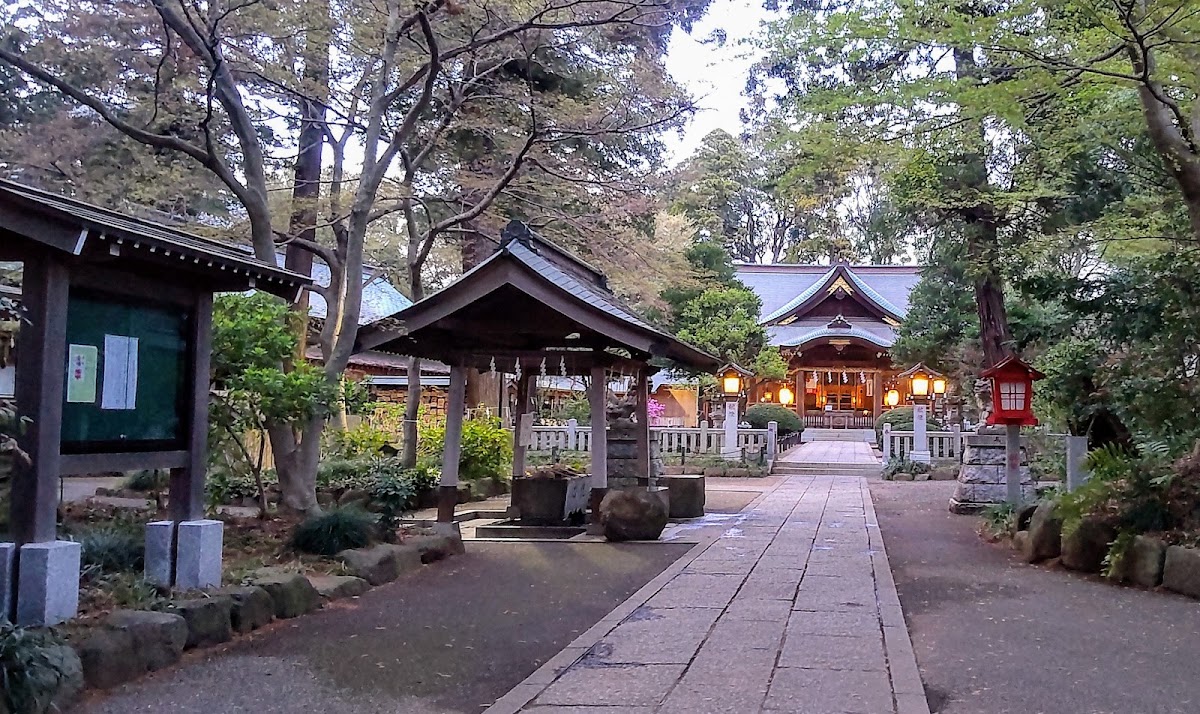
Hirohata Hachimangu Shrine is a historic shrine located at 895 Masuo, Kashiwa City, Chiba Prefecture. Affectionately known as “Hachiman-sama” by locals, its vast grounds, spanning approximately 6,000 tsubo (about 20,000 square meters), are home to centuries-old cedar and fir trees, creating a solemn atmosphere.
Revered as the guardian deity of the Masuo district of Kashiwa City, Chiba Prefecture, since ancient times, Hirohata Hachimangu Shrine accepts various prayers for important life events, including protection from misfortune, safe childbirth, shrine visits for newborns, Shichi-Go-San (a traditional Japanese rite of passage for children), car blessings, ground-breaking ceremonies, house blessings, and Shinto funerals.
History and Origins of Hirohata Hachimangu Shrine
From Founding to the Kamakura Period
According to shrine tradition, Hirohata Hachimangu Shrine was founded during the reign of Emperor Uda (887-897), the 59th emperor. It is said to have been established as the “First Guardian Shrine of Shimosa Province, a place of imperial prayer for Emperor Uda,” and is considered one of the oldest shrines in Kashiwa City, Chiba Prefecture.
In 1193 (Kenkyu 4), the shrine building was rebuilt, and it became a central figure in local faith, serving as the guardian shrine for the entire Kashiwa City area. This period was shortly after the establishment of the Kamakura Shogunate, and it is believed that the status of Hirohata Hachimangu Shrine rose along with the flourishing of Hachiman worship in samurai society.
Development in the Edo Period
During the Edo period, Hirohata Hachimangu Shrine came under the protection of the Tokugawa Shogunate. In particular, in 1650 (Keian 3), the shrine received a grant of ten koku of land (territory) from Tokugawa Iemitsu, the third shogun of the Edo shogunate. This was an important measure to stabilize the operation and rituals of the shrine, establishing its status as a historically significant shrine officially recognized by the shogunate.
Furthermore, in 1757 (Horeki 7), a stone torii gate was donated by Fujiwara Masachika, the governor of Hoki Province, indicating the deep reverence the shrine received from influential figures in the region.
Since the Edo period, a portable shrine procession and Masuo Hayashi music have been held during the summer festival to pray for a bountiful harvest, peace and prosperity in the village, and camaraderie among the villagers. This tradition continues to this day and remains an important cultural event in the region.
Modern Era
Under the Meiji era’s shrine ranking system, Hirohata Hachimangu Shrine was ranked as a village shrine. Even after the post-war institutional reforms, this shrine remains deeply rooted in the community, attracting the faith of residents in the Masuo district of Kashiwa City, Chiba Prefecture, and surrounding areas.
About the Deities Enshrined
Five deities are enshrined at Hirohata Hachimangu Shrine.
Main Deity
Homutawake-no-Mikoto
Homutawake-no-Mikoto, the main deity, is the spirit of Emperor Ojin, the 15th emperor. Widely worshipped as Hachiman-sama, he is revered as a god of military fortune and national protection. He is also known as a god of industry, education, and culture.
Enshrined Deities
Okinagatarashihime-no-Mikoto
Okinagatarashihime-no-Mikoto, also known as Empress Jingu, is the mother of Emperor Ojin. She is worshipped as a goddess of safe childbirth, child-rearing, and protection of women.
Tamayorihime-no-Mikoto
Revered as the goddess of the sea and water, Tamayorihime-no-Mikoto is also the mother of Emperor Jimmu. She is believed to bestow blessings of matchmaking and family safety.
Emperor Chuai
The 14th Emperor and father of Emperor Ojin.
Takenouchi-no-Sukune
A legendary loyal retainer, considered a symbol of longevity and national peace.
It is believed that these five deities work together to grant the various wishes of worshippers.
Highlights of the Shrine Grounds
Shrine Architecture
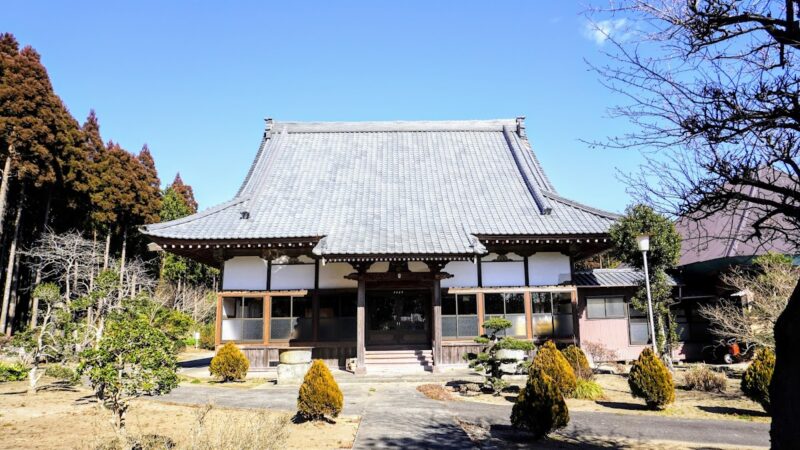
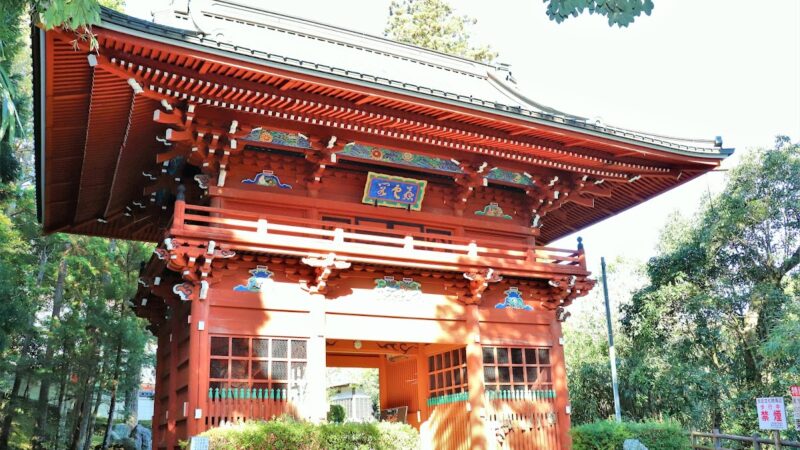
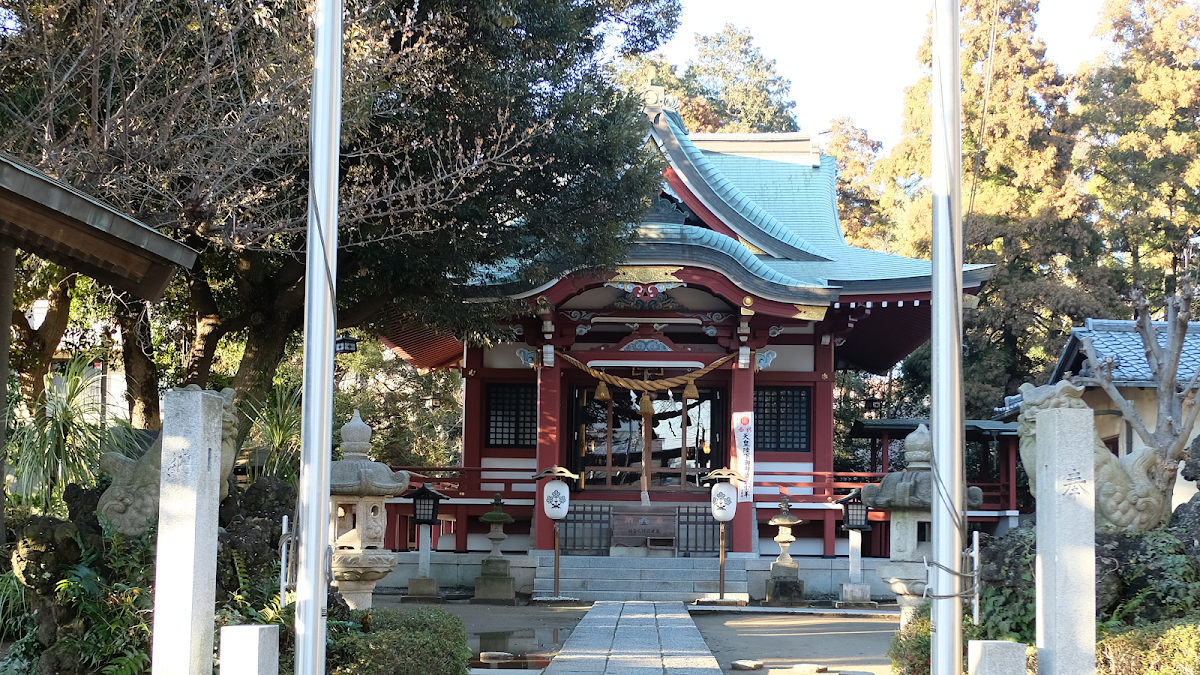
The grounds of Hirohata Hachimangu Shrine are lined with dignified buildings.
- Main Hall: Copper-plated roof, Gongen-ryu style
- Offering Hall: Iron-plated roof, gable roof style
- Worship Hall: Tiled roof, hip-and-gable roof style
- Shrine Office: Tiled and iron-plated roof, two buildings
These buildings preserve the traditional style of shrine architecture, leaving a solemn impression on visitors.
Sacred Trees and Natural Environment
The vast grounds, approximately 6,000 tsubo (about 20,000 square meters), are home to large trees such as cedars and firs, some hundreds of years old. These sacred trees are living witnesses that have watched over a long history, bringing a sacred atmosphere to the grounds.
In Kashiwa City, Chiba Prefecture, where urbanization is progressing, the grounds of Hirohata Hachimangu Shrine preserve a valuable natural environment, allowing visitors to enjoy the beautiful scenery of each season. Many visitors come, especially during the seasons of fresh greenery and autumn leaves.
Miyane Ruins
Next to the shrine grounds lies the “Miyane Ruins,” a cultural property designated by Kashiwa City. This archaeological site provides important archaeological evidence that people have lived in this region since ancient times, further supporting the historical importance of Hirohata Hachimangu Shrine.
Annual Events and Festivals
Hirohata Hachimangu Shrine holds various festivals and events throughout the year.
New Year’s Day Festival and Urayasu Dance
On New Year’s Day, the New Year’s Day Festival is held, and the “Urayasu Dance” is performed by shrine maidens. The Urayasu Dance is a sacred dance based on a poem by Emperor Showa, and is an elegant dance praying for peace. The shrine grounds are bustling with many visitors praying for safety and prosperity in the new year.
Spring Grand Festival (April)
The Spring Grand Festival, held in April, is an important festival praying for a bountiful harvest and the prosperity of the parish area.
Summer Festival Mikoshi Procession (July)
The summer festival in July is the most grand of the annual events at Hirohata Hachimangu Shrine. A mikoshi (portable shrine) procession takes place, and the traditional Masuo Hayashi music is performed. This festival, which has continued since the Edo period, is held with the purpose of praying for a bountiful harvest, peace and prosperity in the village, and deepening the camaraderie among the local residents.
Masuo Hayashi is a traditional performing art of the region, and the sounds of flutes and drums fill the summer nights.
Autumn Grand Festival (October)
In October, the Autumn Grand Festival is held, expressing gratitude for the harvest and praying for a bountiful harvest in the coming year.
These festivals are important elements in forming the cultural identity of Kashiwa City, Chiba Prefecture, and are passed down through generations.
Prayers and Other Requests
Hirohata Hachimangu Shrine accepts prayers for various milestones and wishes in life at any time.
Available Prayers
- Exorcism: Exorcism for those entering their unlucky year
- Prayer for Safe Childbirth: Primarily on the Day of the Dog in the fifth month of pregnancy
- Shrine Visit: Reporting the birth of a baby to the gods and praying for healthy growth
- Shichi-Go-San: Celebrating the growth of children at ages 3, 5, and 7 and praying for their future health
- Car Blessing: Praying for traffic safety
- Groundbreaking Ceremony: Praying for the safety of construction work and the prosperity of the building
- House Blessing: Purification of a new or existing home
- Shinto Funeral: Shinto funeral service
- Other prayers include prayers for passing exams, business prosperity, family safety, etc.
Reception Hours
The reception hours for prayers are as follows (no reservation required).
- Morning: 9:00 AM – 11:40 AM
- Afternoon: 1:00 PM – 3:40 PM
If you have special circumstances or wish to pray for a large group, we recommend contacting the shrine in advance.
Offering Fee
The offering fee (prayer fee) varies depending on the content of the prayer, so please confirm at the reception. Generally, it starts from 5,000 yen, but please inquire with the shrine for details.
About Goshuin (Shrine Seals)
Hirohata Hachimangu Shrine offers Goshuin. Goshuin are popular among many visitors as proof of worship and as a tangible representation of their connection with the shrine.
Features of Goshuin
Hirohata Hachimangu Shrine’s Goshuin features the shrine name and date of visit written in ink, and stamped with the shrine’s seal. Its simple yet dignified design makes it a popular addition to Goshuin notebook collections.
Goshuin Issuance Hours
Goshuin are issued at the shrine office. The hours for receiving the Goshuin (stamp) are the same as the prayer reception hours.
- Morning: 9:00 AM – 11:40 AM
- Afternoon: 1:00 PM – 3:40 PM
During busy times, there may be a short wait, so we recommend visiting with ample time.
About Goshuincho (stamp books)
If you do not have a Goshuincho, please inquire at Hirohata Hachimangu Shrine, where they are available.
Access and Parking Information
Location
895 Masuo, Kashiwa City, Chiba Prefecture 277-0033
Access by Train
Nearest Station: Masuo Station, Tobu Noda Line (Tobu Urban Park Line)
- Approximately 15 minutes on foot from Masuo Station
- Approximately 1.2 km from Masuo Station
Masuo Station is two stops (approximately 5 minutes) from Kashiwa Station on the Tobu Noda Line. The path from the station to the shrine goes through a residential area, and there are signs to guide you.
Access by Car
- Approximately 15 minutes from the Kashiwa Interchange on the Joban Expressway
- Accessible from National Route 16
Parking
A parking lot for visitors is available on the shrine grounds. However, congestion is expected during New Year’s and festivals, so we recommend using public transportation whenever possible.
Nearby Attractions
Besides Hirohata Hachimangu Shrine, Kashiwa City, Chiba Prefecture, has various other tourist attractions.
Kashiwa Shrine
Located in the heart of Kashiwa City, Kashiwa Shrine is one of the important local shrines.
Akebonoyama Park
A park with a vast area where flowers bloom throughout the seasons, it’s a popular spot for families.
Kashiwanoha Park
A large park equipped with comprehensive sports facilities, where you can enjoy sports and recreation.
Teganuma Lake
The area around the naturally rich Teganuma Lake offers opportunities for cycling and birdwatching.
Manners and Points for Visiting a Shrine
Etiquette for Visiting a Shrine
- Bow before passing through the torii gate: This is a courtesy when entering the sacred area.
- Purify yourself at the water basin: Purify your left hand, right hand, and mouth in that order.
- Walk along the edge of the path: The center is considered the path of the gods.
- Etiquette at the main hall: Two bows, two claps, and one bow are the basic rituals.
Attire
There are no specific dress code requirements, but modest attire that reflects the sacred nature of the place is desirable. If you are receiving a prayer, somewhat formal attire is recommended.
Photography
Photography is generally permitted within the shrine grounds, but please refrain from taking pictures inside the main hall or during prayers. Also, please be considerate of other visitors.
Summary of the Charms of Hirohata Hachimangu Shrine
Hirohata Hachimangu Shrine is a venerable shrine with a history of over 1000 years in Kashiwa City, Chiba Prefecture. Founded as a prayer site by Emperor Uda, and having undergone reconstruction during the Kamakura period and receiving patronage from the Edo Shogunate, this shrine speaks to its high status.
Hirohata Hachimangu Shrine, with Homudawake-no-Mikoto as its main deity, and five other gods including Okinagatarashihime-no-Mikoto and Tamayorihime-no-Mikoto, is said to fulfill various wishes of modern people, such as protection from misfortune, safe childbirth, and traffic safety.
With its vast grounds of approximately 6,000 tsubo (about 20,000 square meters), centuries-old sacred trees, traditional shrine architecture, and the Miyane Ruins (a Kashiwa City designated cultural property), the space where nature and history harmonize offers peace and strength to visitors.
Seasonal festivals, such as the Urayasu Dance on New Year’s Day and the Mikoshi Procession and Masuo Hayashi in summer, are valuable opportunities to convey the local culture to the present day and are important elements in forming the identity of Kashiwa City, Chiba Prefecture.
Its convenient location within walking distance of Masuo Station on the Tobu Noda Line is also one of its attractions. In the rapidly urbanizing city of Kashiwa, Hirohata Hachimangu Shrine, with its preserved history and natural beauty, continues to be a beloved spiritual haven for many.
Whether you’re marking a milestone in your life, expressing gratitude, or seeking inner peace, please visit Hirohata Hachimangu Shrine. This shrine, affectionately known as “Hachiman-sama” by the local community, will surely welcome you warmly.
Contacting Hirohata Hachimangu Shrine
For details on prayers, festival dates, and any other inquiries, please contact Hirohata Hachimangu Shrine directly. The shrine office staff will provide courteous assistance.
As the guardian deity of Masuo, Kashiwa City, Chiba Prefecture, Hirohata Hachimangu Shrine will continue to walk hand in hand with the community. A visit to experience its history, tradition, and warm spirit of faith will surely be a memorable one.