Complete Guide to Hirosaki Toshogu Shrine: History, Goshuin (Seal Stamps), Access, and Highlights
Located in Hirosaki City, Aomori Prefecture, Hirosaki Toshogu Shrine is a historic shrine dedicated to Tokugawa Ieyasu. Among the many Toshogu shrines throughout Japan, this shrine, with its history intertwined with the Tsugaru Domain, is a vital cultural asset that conveys the history of Hirosaki Castle town, attracting many worshippers and history enthusiasts.
This article comprehensively covers everything you need to know before visiting Hirosaki Toshogu Shrine, from its historical background and highlights to goshuin information and access methods.
What is Hirosaki Toshogu Shrine?: The Deep Bond Between the Tsugaru Domain and the Tokugawa Family
Hirosaki Toshogu Shrine was founded in the early Edo period by the lord of the Tsugaru Domain and enshrines Tokugawa Ieyasu as Toshodai Gongen. As one of the most important Toshogu shrines, following Nikko Toshogu and Kunozan Toshogu, it has been a center of Tokugawa Ieyasu worship in the Tohoku region.
What is a Toshogu Shrine?
A Toshogu shrine is a general term for shrines that enshrine “Toshodai Gongen,” the deified form of Tokugawa Ieyasu, the founder of the Edo Shogunate. After Ieyasu’s death, these shrines were built by daimyo (feudal lords) throughout Japan to honor his virtues. For tozama daimyo (outside lords), the construction of a Toshogu shrine was a particularly important way to demonstrate loyalty to the Tokugawa family.
History of Hirosaki Toshogu Shrine: From its Founding to the Present
Circumstances of its Founding and the Intentions of the Tsugaru Domain
Hirosaki Toshogu Shrine was founded in 1624 (Kanei 1) by Tsugaru Nobuhira, the second lord of the Tsugaru Domain. The Tsugaru family sided with the Eastern Army in the Battle of Sekigahara and had cultivated good relations with the Tokugawa family. However, as an outside daimyo (feudal lord), they needed to demonstrate their loyalty to the shogunate.
Nobuhira conceived the idea of strengthening the ties between the Tsugaru and Tokugawa families by constructing the Toshogu Shrine to coincide with the 33rd anniversary of Tokugawa Ieyasu’s death. This construction also had a political intention: to gain the trust of the shogunate.
Prosperity in the Edo Period
After its construction, Hirosaki Toshogu Shrine functioned as an important site for the Tsugaru domain’s religious ceremonies under its patronage. Successive lords of the domain regularly visited the shrine and devoted themselves to its maintenance. In particular, the annual festival on April 17th was a large-scale celebration involving the entire domain, and it is said that the entire castle town was enveloped in a festive atmosphere.
Changes After the Meiji Restoration
After the Meiji Restoration, Hirosaki Toshogu Shrine underwent a major transformation due to the separation of Shinto and Buddhism and the abolition of the feudal domains. Having lost the patronage of the Tsugaru clan, the shrine faced a crisis of decline for a time, but it was maintained through the faith and enthusiasm of the local residents.
Modern Hirosaki Toshogu Shrine
The current Hirosaki Toshogu Shrine is an important element of Hirosaki City’s historical landscape and is cherished by citizens and tourists alike. In recent years, its value as a cultural property has been re-evaluated, and preservation and restoration activities are actively underway.
Deities and Divine Virtues
Main Deity: Toshodai Gongen (Tokugawa Ieyasu)
The main deity of Hirosaki Toshogu Shrine is Tokugawa Ieyasu, who was deified as Toshodai Gongen. Ieyasu, who quelled the chaos of the Sengoku period and laid the foundation for the 265-year-long Edo Shogunate, is revered as a god of good fortune, military success, career advancement, and business prosperity.
Expected Divine Blessings
Visiting Hirosaki Toshogu Shrine is believed to bring the following divine blessings:
- Good Fortune and Prosperity: For new beginnings and turning points in life
- Career Advancement: For those wishing for success and promotion in their careers
- Academic Success: For prayers for passing entrance exams and qualification tests
- Business Prosperity: For prayers for business development and success
- Family Safety: For the health and peaceful life of family members
- Protection from Misfortune and Bringing Good Fortune: To avoid disaster and attract good fortune
Highlights of the Shrine Grounds: Architecture and Cultural Assets
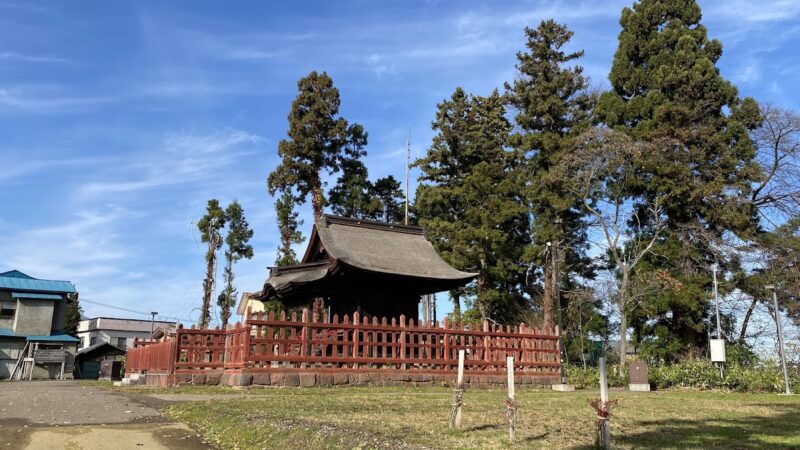
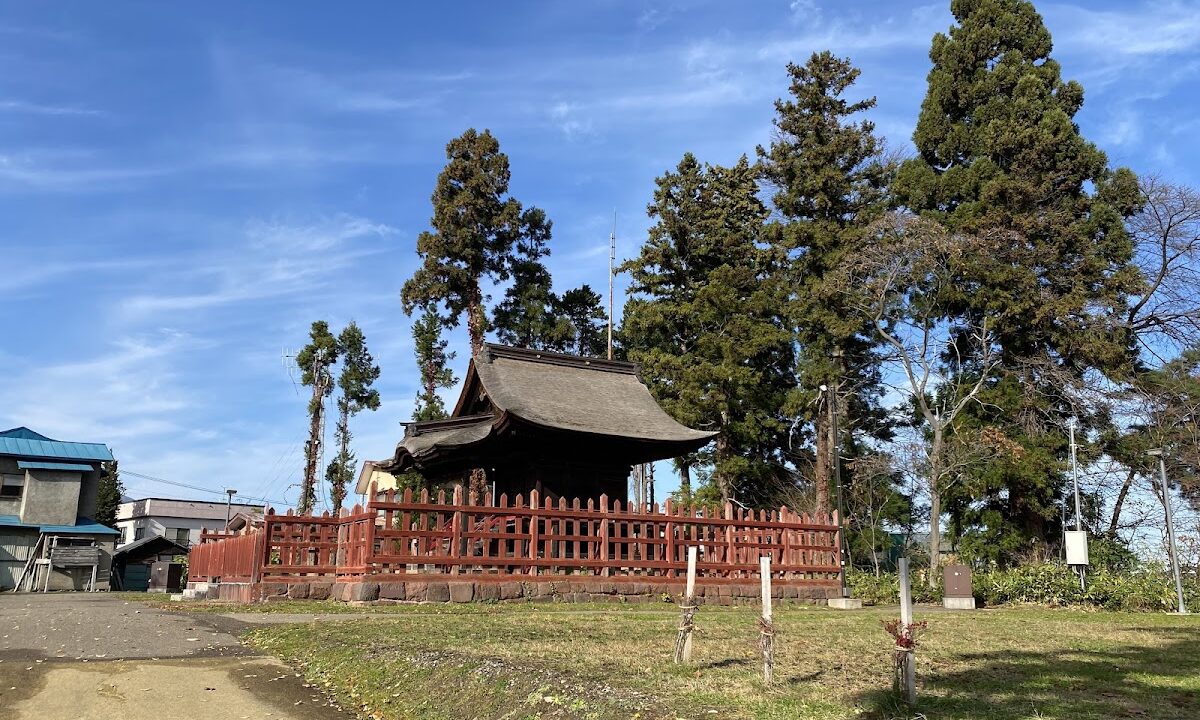
Architectural Style of the Main Hall
The main hall of Hirosaki Toshogu Shrine retains many characteristics of early Edo period shrine architecture. While based on the Gongen-zukuri style, it also features a structure adapted to the climate unique to the Tohoku region. In particular, its robust construction, capable of withstanding the heavy snowfall of Hirosaki, speaks to the high level of architectural technology of the time.
Karamon and Zuishinmon Gates
The gates adorning the entrance to the shrine grounds are adorned with intricate carvings, welcoming visitors in a solemn atmosphere. These gates, while referencing the style of Nikko Toshogu Shrine, incorporate unique Tsugaru design elements.
Stone Lanterns and Komainu (Guardian Dogs)
Many of the stone lanterns lining the approach were donated during the Edo period by retainers and merchants of the Tsugaru domain. Each lantern bears the donor’s name and the date of donation, conveying the state of faith at that time.
Shrine Office and Amulet Shop
The shrine office offers Goshuin (shrine seals) and various amulets. The building itself possesses historical value, allowing visitors to appreciate the beauty of traditional Japanese architecture.
Goshuin Information: Issuance Hours and Types
About Goshuin Issuance
Hirosaki Toshogu Shrine offers Goshuin to visitors. Goshuin are valuable records bestowed by the shrine as proof of worship. Granting Hours:
- Regular Period: 9:00 AM – 4:30 PM
- May vary depending on the season and events
- We recommend checking by phone in advance.
Offering Fee:
- Regular Goshuin: Approximately 300-500 yen
- Limited edition Goshuin are also available during special events.
About Goshuin Notebooks
Hirosaki Toshogu Shrine also distributes original Goshuin notebooks. The designs, incorporating traditional Tsugaru motifs, are popular as souvenirs.
Manners When Receiving a Goshuin
Goshuin are given as proof of worship. Please observe the following manners:
- Complete your prayers first before receiving your goshuin (temple/shrine stamp).
- Open your goshuincho (stamp book) and specify the page you would like the stamp on.
- Receive the stamp carefully with both hands.
- Have small change ready for the offering.
- Wait quietly while receiving your goshuin.
Annual Events and Festivals
Spring Grand Festival (April 17th)
The most important festival at Hirosaki Toshogu Shrine is the Spring Grand Festival. This traditional festival originates from the anniversary of Tokugawa Ieyasu’s death (April 17th in the old lunar calendar), and solemn Shinto rituals are performed. You can witness traditional rituals such as the recitation of prayers by Shinto priests and the dedication of kagura (sacred dance) by shrine maidens.
New Year’s Visit (January 1st-3rd)
Many citizens and tourists visit for their first shrine visit of the new year. The shrine is bustling with people praying for good fortune, success, and advancement, and offering their wishes for the new year. On New Year’s Day, you can visit the shrine from early in the morning, allowing you to welcome the new year in a special atmosphere.
Other Annual Events
- Setsubun Festival (February 3rd): Traditional events such as bean-throwing
- Summer Purification Ceremony (June 30th): A Shinto ritual to purify sins and impurities accumulated over the past six months
- Autumn Festival (October): A festival to express gratitude for the harvest
- Year-End Purification Ceremony (December 31st): A Shinto ritual to purify sins and impurities accumulated over the past year
Access: How to get to Hirosaki Toshogu Shrine
Location
Address: 38 Sasamori-cho, Hirosaki City, Aomori Prefecture
Access by Train and Bus
From JR Hirosaki Station:
- Take the Konan Bus bound for “Shigemori Shinmachi” (approx. 10 minutes)
- Get off at the “Hirosaki Toshogu-mae” bus stop and it’s a short walk.
Walking from Hirosaki Station:
- Distance: Approx. 2.5km
- Estimated time: Approximately 30 minutes on foot
- A walking route via Hirosaki Castle is also recommended.
Access by car
From the Tohoku Expressway:
- Approximately 20 minutes from the Owani-Hirosaki Interchange
- Proceed towards Hirosaki city center and follow the signs.
Parking Information:
- Free parking available for visitors on the shrine grounds
- Capacity: Approximately 20 cars
- During festivals, congestion is expected, so the use of public transportation is recommended.
Combining with nearby tourist spots
Hirosaki Toshogu Shrine is easily accessible from major tourist spots in Hirosaki City:
- Hirosaki Castle: Approximately 15 minutes on foot
- Fujita Memorial Garden: Approximately 10 minutes on foot
- Hirosaki City Tourist Information Center: Approximately 20 minutes on foot
- Saishoin Five-Storied Pagoda: Approximately 5 minutes on foot
Manners and etiquette for visiting the shrine
Basic Etiquette for Visiting a Shrine
The following steps are followed when visiting a shrine:
- Bow before passing through the torii gate
- As a sign of respect before entering the sacred area.
- Purify yourself at the water basin
- Hold the ladle in your right hand and purify your left hand.
- Switch the ladle to your left hand and purify your right hand.
- Switch the ladle back to your right hand, receive water in your left hand, and rinse your mouth.
- Finally, stand the ladle upright and purify the handle.
- Walk along the approach to the shrine
- Walk along the side, as the center is the path for the gods.
- Pray at the main hall
- Quietly place your offering in the offering box.
- Ring the bell.
- Bow twice, clap twice, and bow once.
- State your wish clearly in your heart.
Regarding Clothing
There are no specific dress code requirements, but it is desirable to wear clothing that reflects the sacred nature of the place. Especially if you are receiving a prayer, try to avoid overly casual attire.
Photography Etiquette
Photography is generally permitted on the temple grounds, but please note the following:
- Photography may be prohibited inside the main hall.
- Please be considerate of other visitors.
- Please refrain from taking photographs during religious ceremonies.
- Please check in advance before using a tripod.
Hirosaki Toshogu Shrine and the History and Culture of Hirosaki
The Tsugaru Domain and the Castle Town of Hirosaki
Hirosaki Toshogu Shrine is closely intertwined with the history of Hirosaki, which developed as a castle town of the Tsugaru Domain. Located in a corner of the castle town formed around Hirosaki Castle, it lies within a cultural area where samurai residences and temples and shrines are concentrated.
Temple and Shrine Culture of Hirosaki
Besides Toshogu Shrine, many other historical temples and shrines are scattered throughout Hirosaki City. In particular, the Saishoin Five-Storied Pagoda, designated as a National Important Cultural Property, is within walking distance of Hirosaki Toshogu Shrine, and a visit to both is recommended.
Relationship with the Hirosaki Cherry Blossom Festival
During the Hirosaki Cherry Blossom Festival, held every spring, the area around Hirosaki Toshogu Shrine becomes a popular cherry blossom viewing spot, attracting many tourists. Visiting during cherry blossom season allows you to enjoy the contrast between the historical buildings and the beautiful cherry blossoms.
Amulets and Offerings
Main Types of Amulets
Hirosaki Toshogu Shrine offers amulets for various wishes:
- Good Fortune Amulet: For general good fortune
- Academic Success Amulet: Popular with students and those taking exams
- Business Prosperity Amulet: For business development
- Traffic Safety Amulet: For safety in cars and bicycles
- Exorcism Amulet: For those in their unlucky year or seeking protection from misfortune
- Health Amulet: For recovery from illness and maintaining good health
About Ema (Votive Tablets)
There is an ema hanging area on the shrine grounds where visitors can dedicate ema inscribed with their wishes. The ema (votive tablets) at Hirosaki Toshogu Shrine feature designs of the Tokugawa family crest and traditional Tsugaru motifs.
Seasonal Highlights
Spring (March-May)
Spring in Hirosaki is cherry blossom season. Cherry trees are planted around Hirosaki Toshogu Shrine, and visitors can enjoy the beautiful blossoms from late April to early May. This coincides with the Spring Grand Festival, making it the most vibrant time of year.
Summer (June-August)
The shrine grounds, enveloped in fresh greenery, are filled with a refreshing atmosphere. During the Summer Purification Ceremony, traditional rituals such as passing through a ring of reeds are performed, and visitors can participate.
Autumn (September-November)
During the autumn foliage season, the trees on the grounds turn red and yellow, creating a beautiful landscape in harmony with the historical buildings. The Autumn Grand Festival is also held, offering thanks for the harvest.
Winter (December to February)
The shrine grounds, covered in snow, are enveloped in silence and solemnity. The shrine buildings, standing in a world of white, exude a mystical atmosphere unlike any other season. Visiting the shrine amidst the snowy landscape during the New Year’s pilgrimage is particularly memorable.
Cultural Value of Hirosaki Toshogu Shrine
Architectural Historical Significance
The shrine buildings of Hirosaki Toshogu Shrine are valuable historical remains that convey the characteristics of shrine architecture in the Tohoku region during the early Edo period. While based on the style of Nikko Toshogu Shrine, it also shows unique adaptations to the climate and natural features of the Tsugaru region.
Value as Historical Documents
The stone monuments and offerings remaining on the grounds are important resources for studying the history of the Tsugaru domain and the forms of religious belief during the Edo period. In particular, the offerings by successive feudal lords and the traces of the samurai’s faith provide clues to understanding the social structure of the time.
Current Status of Preservation Activities
In recent years, preservation activities by Hirosaki City and local residents have become more active. The restoration of aging buildings and the improvement of the temple grounds are being systematically carried out, ensuring the transmission of cultural properties to future generations.
Local Cuisine and Souvenirs
Hirosaki’s Famous Cuisine
When visiting Hirosaki Toshogu Shrine, be sure to enjoy Hirosaki’s famous cuisine:
- Tsugaru Soba: A traditional flavor available at soba restaurants around Hirosaki
- Hirosaki Apples: Various sweets made with apples from Aomori Prefecture
- Keno-jiru: A local dish from the Tsugaru region
- Igamenchi: A home-style dish from Tsugaru
Recommended Souvenirs
- Apple-based Sweets: Apple pie, apple juice, etc.
- Tsugaru Lacquerware: A traditional craft
- Kogin-zashi: Traditional embroidery from the Tsugaru region
- Local Sake: Famous sake from Tsugaru
Useful Information for Visiting
Time Required for Visiting
- Normal Visit: Approximately 20-30 minutes
- For a More In-Depth Visit: Approximately 1 hour
- Waiting time for Goshuin (temple/shrine stamp): Approximately 5-10 minutes (may vary during busy periods)
Accessibility Information
While there are some steps within the shrine grounds, wheelchair access is possible. Please inform the shrine office if assistance is needed.
Restrooms and Rest Areas
Restrooms for visitors are available within the shrine grounds. Benches are also available for resting, allowing for a leisurely visit.
Contact Information
For detailed information regarding visits and reservations for prayers, please contact the Hirosaki Toshogu Shrine office. Telephone numbers and the latest information can also be found at the Hirosaki City Tourist Information Center.
Summary: The Charm of Hirosaki Toshogu Shrine
Hirosaki Toshogu Shrine boasts a history of nearly 400 years as an important Toshogu shrine in the Tohoku region, dedicated to Tokugawa Ieyasu. It symbolizes the deep connection between the Tsugaru domain and the Tokugawa family, and remains a beloved place of worship for many people, continuing from the Edo period.
Hirosaki Toshogu Shrine offers numerous attractions worth visiting, including historical buildings, beautiful scenery throughout the seasons, and traditional events deeply rooted in the region. Visiting it in conjunction with nearby tourist spots such as Hirosaki Castle and Saishoin Five-Storied Pagoda will allow you to gain a deeper understanding of Tsugaru’s history and culture.
If you are seeking various divine blessings such as good fortune, career advancement, or academic success, please visit Hirosaki Toshogu Shrine. The time spent calming your mind in the tranquil grounds and reflecting on the legacy of Tokugawa Ieyasu will surely be a memorable experience.
When visiting Hirosaki, why not include a visit to this historic Toshogu Shrine in your itinerary? It will be a valuable opportunity to experience Tsugaru’s history and culture, as well as a traditional form of Japanese faith.