Complete Guide to Hizawa Shrine (Minamimaki Village, Gunma Prefecture) | History, Architecture, and Access Information
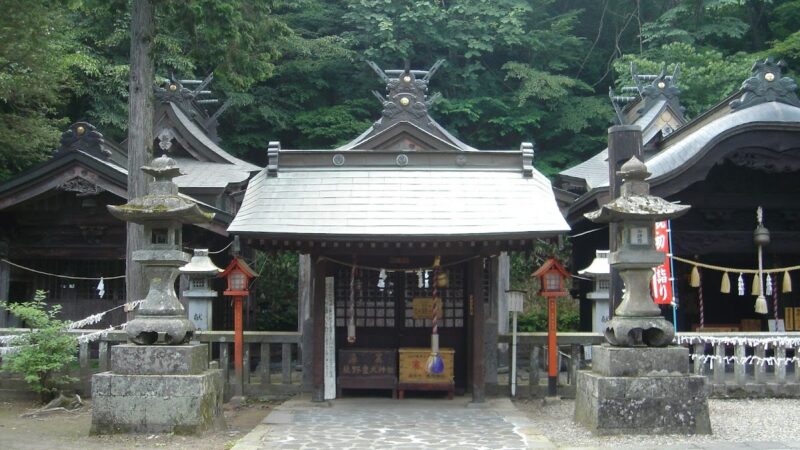
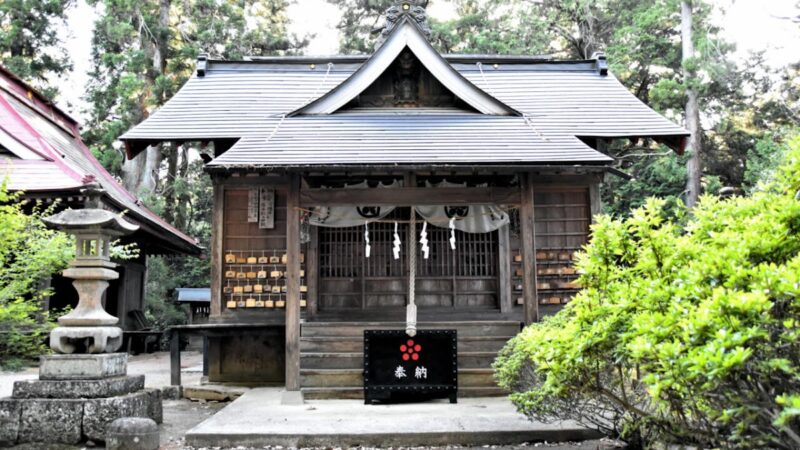
Hizawa Shrine (Hizawa Jinja), nestled in the mountains of Minamimaki Village, Gunma Prefecture, is a historic shrine with a rare three-bay nagare-zukuri style main hall. Formerly known as Kaya Shrine, it took its current form through shrine consolidation during the Meiji era. This article provides a detailed introduction to the history, architectural features, and visiting information of Hizawa Shrine.
Basic Information on Hizawa Shrine
Hizawa Shrine is located in Hizawa, Minamimaki Village, Kanra District, Gunma Prefecture, situated on the mountainside along Prefectural Road 45 (Shimonita-Ueno Line). Located on the right side when heading towards Ueno, it stands amidst a rich natural environment and has a long history as a center of local faith.
Location and Access
Location: Hizawa, Nanmoku Village, Kanra District, Gunma Prefecture
Access Method:
- By Car: Approximately 30 minutes from Shimonita IC on the Joshinetsu Expressway via Prefectural Road 45
- By Public Transportation: Approximately 25 minutes by taxi from Shimonita Station on the Joshin Electric Railway
- Parking: Limited space available around the shrine (prior confirmation recommended)
Prefectural Road 45 runs through a mountainous area, so there is a possibility of snow and ice in winter. Please check the weather and road conditions before visiting.
History and Origins of Hizawa Shrine
From Kaya Shrine to Hizawa Shrine
Hizawa Shrine was renamed to its current name in 1907 (Meiji 40), but before that, it was called Kaya Shrine. This renaming was part of the Meiji government’s shrine reorganization policy, and by adding the local name “Hizawa,” it clearly established its connection to the region. ### Shrine Consolidation in the Meiji Era
In 1877 (Meiji 10), the residents of Hizawa Village held numerous discussions and decided to consolidate seven scattered shrines and eleven deities within the village. This consolidation was influenced by the Meiji government’s “one shrine per village” policy, aiming to streamline management by integrating small shrines.
Through this consolidation, various beliefs in the Hizawa region were brought together into a single shrine, forming the current Hizawa Shrine as the guardian deity of the entire area. The deities enshrined are believed to have been closely related to the life of the mountain village, such as those associated with agriculture, forestry, and water sources.
History Before the Edo Period
While the exact founding date is unknown, records confirm that the shrine was already established in the region as Kaya Shrine during the Edo period. The Minamimaki Village area has long been blessed with abundant forest resources, and it has attracted the faith of people engaged in forestry and charcoal production.
Architectural Features and Cultural Value
Sangensha Nagare-zukuri Main Hall
The most distinctive feature of Hizawa Shrine is its Sangensha Nagare-zukuri (three-bay nagare-zukuri) main hall. This architectural style is rare even within Gunma Prefecture and is considered historically valuable.
Features of Sangensha Nagare-zukuri:
- The front has a width of three bays (approximately 5.4 meters)
- The roof is a nagare-zukuri style that flows forward
- A canopy called a kōhai (front porch) extends outwards from the front
Plain Wood Construction and Ancient Brackets
The main hall is built using shiraki-zukuri (plain wood construction), a structure that makes the most of the natural beauty of the wood. Plain wood construction is an architectural method that does not paint the wood, showing its natural color and texture.
Ancient techniques are used in the brackets (kumimono) details, preserving traditional Edo period architectural techniques. A kumiko is a complex combination of timbers placed on top of pillars, which distributes the building’s load while also serving a decorative role.
Structure of the Worship Hall and Approach
The worship hall is located in front of the main shrine, and the traditional shrine architecture follows the approach, leading from the torii gate to the worship hall and then to the main shrine. Taking advantage of its location on the mountainside, the approach follows the natural terrain, allowing worshippers to proceed into the sacred area surrounded by trees.
Deities and Beliefs
Enshrined Deities
Hizawa Shrine enshrines eleven deities, enshrined through a consolidation in 1877 (Meiji 10). While information on the specific names of the enshrined deities is limited, given the characteristics of the mountain village of Hizawa, it is believed that the following deities are included:
- Mountain God: Guardian deity of forestry and hunting
- Water God: Deity protecting agricultural and domestic water sources
- Agricultural God: Deity prayed to for abundant harvests
- Deity of Protection from Plague: Deity protecting the safety of the village
As the Center of Local Belief
Hizawa Shrine has long been revered by local residents as the tutelary deity of the Hizawa district of Minamimaki Village. It functions as a place where people from the community gather throughout the year, including for the spring festival and the autumn harvest festival.
History and Cultural Background of Minamimaki Village
Geographical Characteristics of Minamimaki Village
Minamimaki Village is a mountain village located in the southwestern part of Gunma Prefecture, on the border with Nagano Prefecture. The majority of the village is covered by forests, and it is characterized by its varied topography. The Hizawa area is located in a mountainous region, and its life has long revolved around forestry.
Hizawa Village in the Edo Period
During the Edo period, Hizawa Village was known as a key point on the Shinshu Highway (Joshu Road) and as a source of high-quality timber. Several small settlements were scattered throughout the village, each with its own small shrine dedicated to its tutelary deity. These were consolidated during the Meiji era to form the current Hizawa Shrine.
Changes Since the Modern Era
After the Meiji era, Minamimaki Village prospered through sericulture and forestry, but its population declined due to depopulation from the late Showa period onward. However, Hizawa Shrine remains a cherished symbol of the region’s identity and is still carefully preserved.
Points of Interest and Highlights for Visitors
Architectural Beauty of the Main Hall
When visiting, be sure to pay attention to the architectural style of the main hall. You can observe the elegant lines of the three-bay nagare-zukuri style roof, the warm texture of the unpainted wood, and the exquisite craftsmanship of the ancient joinery up close, showcasing the artisans of the Edo period.
Harmony with the Natural Environment
Located on the mountainside, Hizawa Shrine harmonizes beautifully with its surrounding natural environment. You can enjoy the changing scenery of each season: fresh greenery in spring, deep green in summer, vibrant autumn leaves, and snowscapes in winter. Especially during the autumn foliage season, the shrine grounds are surrounded by colorful trees, creating a magical atmosphere.
A Tranquil Worship Environment
At Hizawa Shrine, which is not a tourist destination, you can enjoy a quiet and peaceful worship experience. In this tranquil environment where only the sounds of birdsong and wind can be heard, you can find peace of mind during your visit.
Nearby Attractions and Tourist Information
Other Cultural Properties in Minamimaki Village
Besides Hizawa Shrine, Minamimaki Village has numerous historical buildings and cultural properties:
- Kurotakiyama Fudoji Temple: An ancient temple known as a center of mountain worship
- Tozawa Stone Sculptures: Stone Buddhas and stone pagodas from the Edo period
- Former Kurozawa Family Residence: A typical example of a silkworm farmer’s house
Natural Landscapes
Minamimaki Village is a region rich in nature, and you can enjoy the following natural landscapes:
- Cicada Valley: A scenic spot where clear streams and strangely shaped rocks intertwine
- Hoshio Pass: A pass with excellent views on the border with Nagano Prefecture
- Hiking Trails in the Village: Walking trails where you can enjoy the changing seasons
Hot Springs and Accommodations
The following hot spring areas are located around Minamimaki Village:
- Yunosawa Onsen: The only hot spring area in the village
- Shimonita Onsen: Hot springs in the neighboring town of Shimonita
- Manza Onsen: A famous hot spring resort about an hour’s drive away
Comparison with other notable shrines in Gunma Prefecture
Differences from Akagi Shrine
Akagi Shrine is characterized by its vermilion-painted shrine building standing on the shore of Lake Onuma and is known as a representative power spot in Gunma. On the other hand, Hizawa Shrine has a simple appearance with its unadorned wooden construction and possesses a simple charm that is not commercialized for tourism.
Comparison with Haruna Shrine
Haruna Shrine is famous for its magnificent shrine building integrated with a giant rock, but Hizawa Shrine is a small shrine built in a quiet environment on the mountainside. In terms of the rarity of its architectural style, the three-bay nagare-zukuri style of Hizawa Shrine is also noteworthy.
Relationship with Ichinomiya Nukisaki Shrine
Ichinomiya Nukisaki Shrine is a high-ranking shrine as the Ichinomiya of Kōzuke Province, but Hizawa Shrine is a local tutelary shrine closely connected to the residents. Each shrine, with its own distinct role and history, contributes to shaping Gunma’s shrine culture.
Precautions and Manners When Visiting a Shrine
Basic Manners for Visiting a Shrine
- When passing through the torii gate: Bow before entering the shrine grounds.
- How to walk on the approach path: Walk along the sides as the center is the path for the gods.
- How to wash your hands and mouth: Cleanse your hands and mouth before praying.
- How to bow: Two bows, two claps, and one bow is the basic method.
Points to Note Specific to Shrines in Mountainous Areas
- Attire: Comfortable shoes and clothing are recommended as you will be walking on mountain paths.
- Seasonal Attire: Take precautions against the cold in winter and insect repellent in summer.
- Check the Weather: Be careful as the ground can be slippery in rainy weather.
- Wild Animals: Be aware of wild animals such as bears and wild boars in mountainous areas.
Regarding Photography
Photography is generally permitted at Hizawa Shrine, but please note the following:
- Refrain from taking photographs inside the main hall.
- Please be considerate of other worshippers.
- Remember that this is a sacred place and photograph with respect.
Annual Events and Festivals
Annual Festival
Hizawa Shrine holds its annual festival every spring. Local residents gather to pray for peace and a bountiful harvest throughout the year. Although not large in scale, it is an important event that preserves local traditions.
Autumn Harvest Festival
In autumn, a festival is held to give thanks for the harvest. While it was once a grand festival involving the entire village, it continues to preserve traditions, albeit on a smaller scale.
Efforts for Preservation and Transmission
Protection as a Cultural Property
The main hall of Hizawa Shrine is recognized as an important cultural property of the region due to its architectural value. Regular maintenance is carried out by the Minamimaki Village Board of Education and local residents.
Depopulation and Shrine Maintenance
Minamimaki Village is a region experiencing depopulation, but Hizawa Shrine is preserved through the efforts of local residents and those who have moved from the area. The parishioners’ association and preservation society play a central role in activities such as cleaning and fundraising for repairs.
Passing on to the Next Generation
To pass on the region’s history and culture to future generations, various initiatives are underway, including collaboration with school education and the preservation of local history records. Hizawa Shrine is not merely a building; it is cherished as a symbol of the region’s identity.
Summary: The Charm of Hizawa Shrine
Located in Minamimaki Village, Gunma Prefecture, Hizawa Shrine possesses three major attractions: its architectural value as a three-bay nagare-zukuri style main hall, its historical background as a shrine merger during the Meiji era, and its role as a place of worship deeply rooted in the community.
Unlike large-scale shrines developed as tourist destinations, it offers a simple and tranquil environment where you can feel the traditional Japanese shrine culture and the history of a mountain village. When visiting shrines in Gunma Prefecture, we recommend visiting not only famous shrines like Akagi Shrine and Haruna Shrine, but also community-oriented shrines like Hizawa Shrine.
Located on the mountainside along Prefectural Road 45, access is somewhat difficult, but in return, it offers a tranquility and historical weight that only those who visit can experience. Why not take your time to visit and enjoy the nature and culture of Minamimaki Village?