Hokokuji Temple (Bamboo Temple) Complete Guide | A Thorough Explanation of the Charms of Kamakura’s Premier Bamboo Grove and Matcha Tea Ceremony
One of the must-visit places for tourists visiting Kamakura is Hokokuji Temple, affectionately known as the “Bamboo Temple.” Its bamboo grove, with approximately 2,000 moso bamboo stalks reaching straight towards the sky, has earned it a three-star rating in the Michelin Green Guide and is highly regarded worldwide. The experience of enjoying matcha tea amidst the tranquility of the bamboo grove, away from the hustle and bustle of the city, deeply soothes the hearts of visitors.
This article comprehensively introduces information you should know before visiting Hokokuji Temple, from its historical background and highlights to seasonal scenery, admission fees, and access methods.
What is Hokokuji Temple? | Understanding its History and Origins
Background of its Founding and Founder
Hokokuji Temple is a Rinzai Zen temple of the Kenchoji school, founded in 1334 (Kenmu 1). The temple’s founder (first head priest) was Zen Master Ten’an Eiko, and its patron was Ashikaga Ietoki, the grandfather of Ashikaga Takauji. One theory suggests that Uesugi Shigekane founded the temple to mourn Ashikaga Ietoki, making it a temple deeply connected to the Ashikaga and Uesugi clans, samurai families who played important roles from the Kamakura to the Muromachi periods.
As the Family Temple of the Ashikaga and Uesugi Clans
Hokokuji Temple flourished as the family temple of the Ashikaga and Uesugi clans. It also bears the tragic history of the Eikyo Rebellion of 1438, when Ashikaga Yoshihisa, son of the 4th Kamakura Shogun Ashikaga Mochiuji, committed suicide here. On the hillside behind the temple grounds remain yagura (a type of horizontal tomb unique to Kamakura) containing the tombs of Ashikaga Ietoki and Ashikaga Yoshihisa, a valuable historical site that conveys the rise and fall of the samurai government.
The Reason for Being Called “Bamboo Temple”
Hokokuji Temple has earned the affectionate nickname “Bamboo Temple” because of the beautiful bamboo grove within its grounds. Originally, moso bamboo grew on the site of a former sub-temple called Kyukōan, and this developed into the current “Bamboo Garden.” The meticulously maintained bamboo grove maintains its lush green beauty throughout the year, attracting many tourists from both Japan and abroad as one of Kamakura’s most representative tourist attractions.
The Greatest Highlight of Hokokuji Temple | The Charm of the Fantastical Bamboo Grove
A Breathtaking View Created by Approximately 2000 Moso Bamboo Trees
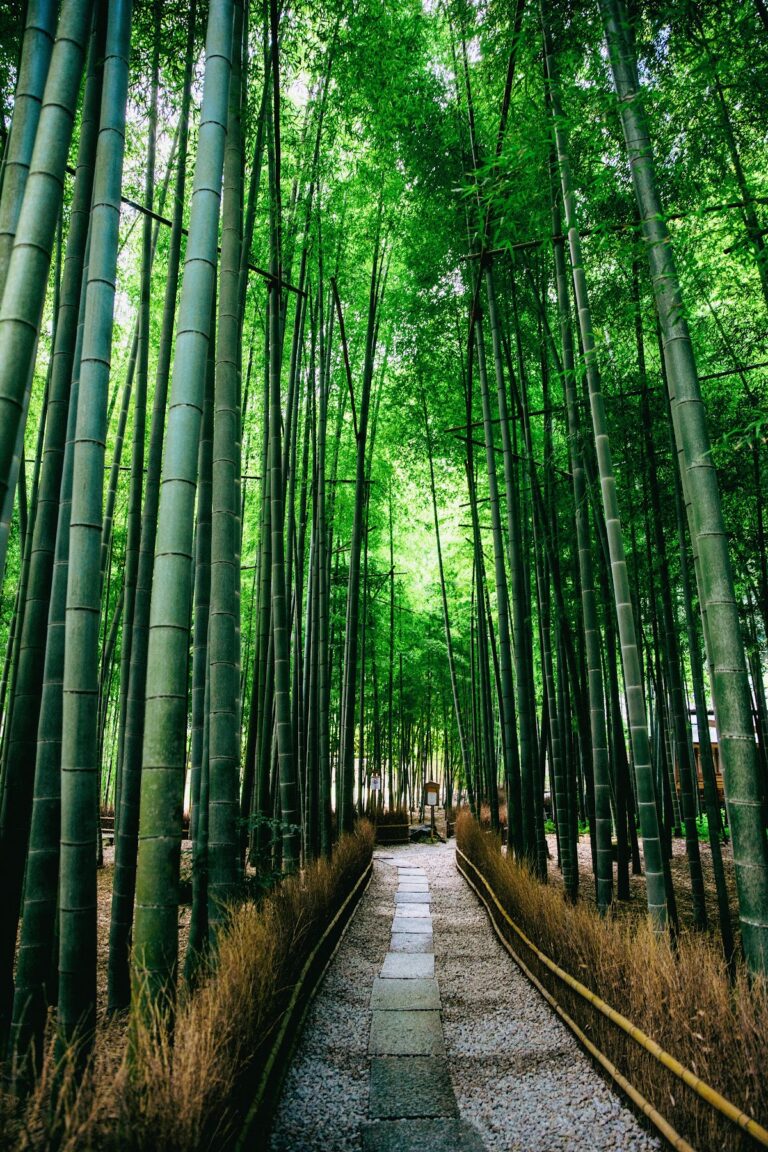
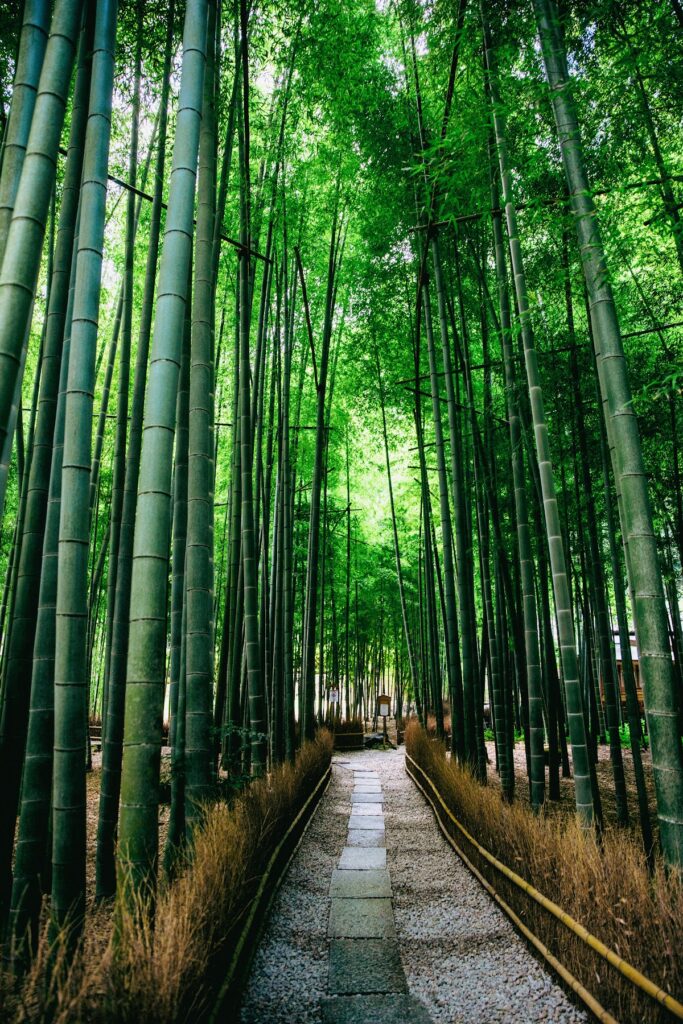
The main reason to visit Hokokuji Temple is undoubtedly the bamboo garden behind the main hall. Approximately 2000 moso bamboo trees stretch straight towards the sky, and walking paths are maintained, winding through them. Soft sunlight filters through the gaps in the bamboo, and the sound of the bamboo rubbing against each other in the wind resonates in the silence.
Stepping into the bamboo grove feels like entering another world, a truly otherworldly experience. The vibrant green of the bamboo, the deep green of the moss underfoot, and the contrast of light and shadow create a beauty that is difficult to capture in photographs.
Awarded a Michelin Three-Star Rating
The bamboo grove of Hokokuji Temple received a three-star rating in the 2009 Michelin Green Guide Japan. This rating signifies the highest rank, meaning it is “worth a special trip,” and it is recognized as a globally renowned tourist spot. Indeed, many foreign tourists visit, and the number of people visiting Hokokuji Temple as a highlight of Kamakura sightseeing is increasing year by year.
Tips for Exploring the Bamboo Grove
The walking paths within the bamboo grove are one-way, and you can complete a loop in about 10 to 15 minutes, even at a leisurely pace. For photography, we recommend looking back towards the entrance from the back of the grove; this allows you to capture a composition with a sense of depth, showcasing the continuous bamboo stalks.
Early mornings are less crowded with tourists, allowing you to appreciate the beauty of the bamboo grove more deeply in a tranquil atmosphere. The light is also beautiful in the morning, making the bamboo green appear even more vibrant, making it an ideal time for photography.
A Sublime Tea Ceremony in the Depths of the Bamboo Grove | Matcha Experience at Kyukōan
Kyukōan: A Tea Ceremony Surrounded by Bamboo
Following the bamboo grove’s walking path to the back, you’ll find Kyukōan, a tea ceremony room. Here, you can enjoy matcha tea and dried sweets while gazing at the bamboo grove—a blissful moment that we highly recommend experiencing when visiting Hōkoku-ji Temple.
Chair seating is available, so even those who are uncomfortable sitting seiza-style can easily enjoy it. In this quiet space surrounded by bamboo, you can completely forget the hustle and bustle of the city while enjoying the aroma of matcha and the gentle sweetness of the dried sweets.
Matcha Price and How to Use
Matcha tea with dried sweets costs 600 yen. However, a separate entrance fee (300 yen) is required for the bamboo garden, so you can enjoy both a bamboo grove stroll and a matcha tea experience for a total of 900 yen. Reception is open until 3:30 PM, allowing you to savor the experience before the temple closes at 4:00 PM.
At Kyukōan, you can find time to calm your mind while gazing at the greenery of the bamboo grove. It’s not only a place to rest your tired body after sightseeing, but also a valuable experience to feel the spirituality unique to a Zen temple.
More than just the bamboo grove | Highlights of Hōkoku-ji Temple
Main Hall and Dry Landscape Garden
The main hall of Hōkoku-ji Temple retains the simple and robust style of Zen Buddhist architecture, conveying the spirit of the samurai era. In front of the main hall is a beautiful dry landscape garden, and the tranquil space created by the white sand and stone arrangements offers a different atmosphere from the bamboo grove.
The dry landscape garden was created in the Heisei era by a local landscape gardener, but it is meticulously maintained using traditional techniques and is highly regarded as a beautiful garden that visually expresses the spirit of Zen.
The Green of Moss Spreading at Your Feet
One thing you shouldn’t miss in the grounds of Hokoku-ji Temple is the beauty of the moss that spreads all over the ground. Especially around the bamboo grove and beside the stone steps, well-maintained moss spreads like a deep green carpet, creating a mystical atmosphere in combination with the green of the bamboo.
Moss prefers humid environments, so it displays a particularly vibrant green after rain and during the rainy season. The contrast between the moss and the bamboo grove is a landscape that evokes the natural beauty characteristic of Kamakura and is loved by many photography enthusiasts.
Yagura and the Ashikaga Family Burial Grounds
On the hillside behind the temple grounds are “yagura,” a type of horizontal burial chamber unique to Kamakura, which are the burial grounds of Ashikaga Ietoki and Ashikaga Yoshihisa. The yagura (cave tombs) carved into the rock face are valuable historical sites that convey the burial culture of the Kamakura period, making you realize that Hokokuji Temple is not merely a tourist spot, but a historically important temple.
The path leading to the yagura is a somewhat steep stone staircase, but those interested in history should definitely visit.
Hokokuji Temple in Every Season | How to Enjoy Each Season
Hokokuji Temple in Spring | Fresh Greenery and Cherry Blossoms
In spring, the fresh greenery of the bamboo grove at Hokokuji Temple shines beautifully. From April to May, the young bamboo leaves display a vibrant green, allowing you to enjoy a landscape full of vitality. Cherry trees are also planted on the temple grounds, and there are places where you can enjoy the contrast between cherry blossoms and bamboo.
Spring is also the peak season for Kamakura tourism, so if you want to avoid crowds, visiting on a weekday morning is recommended.
Hokokuji Temple in Early Summer | Deep Greenery and Serenity
Early summer (June to July) is the season when the greenery of the bamboo grove at Hokokuji Temple is at its deepest and richest. During the rainy season, the bamboo and moss, wet with rain, display an even more vibrant green, creating a serene and tranquil atmosphere. The bamboo grove is less crowded on rainy days, allowing you to enjoy its beauty in complete solitude.
When visiting on a rainy day, it’s recommended to wear comfortable shoes as the ground can become slippery.
Autumn at Hokokuji Temple | The Contrast of Autumn Leaves and Bamboo
While Hokokuji Temple is primarily known for its bamboo grove and isn’t typically considered a famous spot for autumn leaves, the temple grounds also contain deciduous trees such as maple and ginkgo, allowing visitors to enjoy the autumn foliage from late November to early December.
The contrast between the evergreen bamboo grove and the autumn leaves creates a unique landscape unlike other famous autumn foliage spots. The clear autumn air allows light to filter beautifully through the bamboo grove, making it an ideal season for photography.
Winter at Hokokuji Temple | The Dignified Beauty of Bamboo
At Hokokuji Temple in winter, you can feel the strength of the bamboo standing straight amidst the crisp cold. Winter is a hidden gem of a season, as there are relatively few tourists, allowing you to stroll through the bamboo grove at your leisure.
The bamboo grove is especially beautiful after a snowfall. The snow-covered bamboo creates a mystical world reminiscent of an ink painting, offering the most tranquil atmosphere of the year.
Visiting Information | Fees, Hours, and Notes
Visiting Hours and Fees
Hokokuji Temple is open from 9:00 AM to 4:00 PM (reception closes at 3:30 PM). Visiting the main hall is free, but there is a 300 yen fee to view the bamboo garden. Matcha tea (with dried sweets) is available for an additional 600 yen.
The fee for the bamboo garden is paid at the reception next to the main hall. During peak times, there may be queues at the reception, so we recommend visiting with plenty of time to spare.
Photography
Photography is permitted within the bamboo grove, but the use of tripods is prohibited. Please be considerate of other visitors when taking photos. Especially during peak times, it’s important not to linger in the same spot for extended periods.
Clothing and Belongings
While the walking paths within the bamboo grove are well-maintained, there are stone steps and mossy areas, so we recommend wearing comfortable shoes. In summer, mosquitoes can be present even within the bamboo grove, so bringing insect repellent is advisable.
The bamboo grove offers plenty of shade, making it relatively cool even in summer, but it’s a good idea to bring drinks for hydration.
Access to Hokokuji Temple | Route from Kamakura Station
Access by Bus
Hokokuji Temple is located approximately 2.5 kilometers east of Kamakura Station. The most convenient public transportation option is the bus.
From JR Kamakura Station East Exit Bus Terminal Platform 5, take the Keihin Kyuko Bus “Kama 23, Kama 24, or Kama 36” and get off at the “Jomyoji” bus stop (approximately 12 minutes). Hokokuji Temple is about a 3-minute walk from the bus stop.
Buses run approximately 3-4 times per hour, making it a relatively convenient access method. The fare is 220 yen one way (as of 2024).
Access by Taxi
Taking a taxi from the taxi stand at Kamakura Station East Exit will get you to Hokokuji Temple in about 10 minutes. The fare is approximately 1,200 to 1,500 yen. Taking a taxi is convenient if you are visiting with multiple people, have a lot of luggage, or want to efficiently combine your visit with other tourist spots.
Access on Foot
It is also possible to walk from Kamakura Station to Hokokuji Temple. The distance is approximately 2.5 kilometers, and the walk takes about 30 to 35 minutes. Walking is recommended for those who want to enjoy a stroll through the streets of Kamakura or stop by places like Jomyoji Temple along the way.
From the east exit of Kamakura Station, head straight east along Kanazawa Kaido (Prefectural Road 204), and turn right at the “Jomyoji” intersection to arrive at Hokokuji Temple. The path is relatively flat, but the sun is strong in the summer, so it’s a good idea to bring a hat or parasol.
Parking
Hokokuji Temple has a free parking lot for visitors, but the number of spaces is limited (about 5), so it is often full on holidays and during tourist season. There are also very few paid parking lots in the surrounding area, so we recommend using public transportation.
Tourist Spots Around Hokokuji Temple | Places to Visit Together
Jomyoji Temple | An Ancient Temple Ranked Fifth of the Five Great Zen Temples of Kamakura
Located about a 5-minute walk from Hokokuji Temple, Jomyoji Temple is a Rinzai Zen temple of the Kenchoji school, ranked fifth among the Five Great Zen Temples of Kamakura. You can enjoy the beautiful dry landscape garden and dine at the stone oven garden terrace on the temple grounds. Visiting Hokoku-ji Temple in conjunction with this will give you a deeper understanding of Kamakura’s Zen temple culture.
Tsurugaoka Hachimangu Shrine | Symbol of Kamakura
Tsurugaoka Hachimangu Shrine, the heart of Kamakura sightseeing, is located on the way back from Hokoku-ji Temple towards Kamakura Station. Known as a shrine associated with Minamoto no Yoritomo, its vast grounds offer many sights to see. A recommended itinerary is to enjoy the tranquility at Hokoku-ji Temple and then experience Kamakura’s history at Tsurugaoka Hachimangu Shrine.
Kencho-ji Temple & Hase-dera Temple | Representative Temples of Kamakura
If you have time, consider visiting Kencho-ji Temple, the first of the Five Great Zen Temples of Kamakura, and Hase-dera Temple, famous for its hydrangeas and Kannon statue. Combining these temples with Hokoku-ji Temple allows you to experience Kamakura’s diverse temple culture in one day.
Hokoku-ji Temple’s Goshuin (Temple Seal) Information
Types and Designs of Goshuin
You can receive a Goshuin at Hokoku-ji Temple. The Goshuin (temple stamp) features the calligraphy and red seal of “Hokokuji” in ink, creating a simple yet powerful design. Goshuin can be obtained at the reception area near the main hall.
About Goshuincho (Stamp Books)
Hokokuji Temple also sells original Goshuincho, featuring a bamboo motif design. Starting your Goshuincho at Hokokuji Temple would be a wonderful way to commemorate your temple and shrine visits in Kamakura.
When receiving a Goshuin, it is customary to visit the reception area after completing your prayers. During busy times, there may be a short wait, so please allow ample time for your visit.
Zen Meditation Experience at Hokokuji Temple
Weekly Sunday Zen Meditation Sessions
Hokokuji Temple holds Zen meditation sessions every Sunday. This is a valuable opportunity to experience authentic Zen meditation unique to a Zen temple, and beginners are welcome. Through meditation, you can calm your mind and enjoy a moment of tranquility away from the hustle and bustle of everyday life.
For detailed information on the Zen meditation sessions and how to participate, it is recommended to contact Hokokuji Temple in advance. Those wishing to participate in the Zen meditation experience should wear comfortable clothing.
Recommended itineraries for Visiting Hokokuji Temple
Half-Day Course | Hokokuji Temple and Surrounding Temples
A recommended half-day course involves visiting Hokokuji Temple in the morning, enjoying a stroll through the bamboo grove and a matcha tea experience, then walking to Jomyoji Temple. This includes exploring the grounds of Jomyoji Temple and enjoying lunch at the Ishigama Garden Terrace. You can fully appreciate Kamakura’s Zen temple culture in a relaxed atmosphere.
Full-Day Course | Enjoying the Eastern Kamakura Area
A popular full-day course involves visiting Hokokuji Temple first thing in the morning, then Jomyoji Temple and Tsurugaoka Hachimangu Shrine, followed by shopping and enjoying street food on Komachi Street in the afternoon. Returning to the area around Kamakura Station, you’ll find plenty of cafes and restaurants, allowing you to fully enjoy Kamakura all day long.
Recommendation for Early Morning Visits
For those who want to enjoy the bamboo grove of Hokokuji Temple in tranquility, we strongly recommend visiting around 9:00 AM, right after the temple opens. Visiting during times when there are fewer tourists allows you to more deeply experience the mystical atmosphere of the bamboo grove and is ideal for photography.
Manners and Precautions When Visiting Hokokuji Temple
Maintain Silence
Hokokuji Temple is both a tourist destination and a Zen temple that still functions as a place of worship. It is important to maintain silence within the bamboo grove and refrain from speaking loudly or making noise. To fully appreciate the beauty of the bamboo grove, please be mindful of quietly strolling through it.
Do Not Touch Bamboo or Plants
The bamboo grove and plants within the temple grounds are carefully maintained. Please absolutely avoid touching the bamboo or breaking branches. Also, refrain from walking on the moss and stick to the designated walking paths.
Take Your Trash Home
There may not be trash cans on the temple grounds. Please take your trash, such as drinks, home with you. Everyone’s cooperation is needed to maintain this beautiful environment.
Summary | Experience Extraordinary Healing at Hokokuji Temple
Hokokuji Temple (Bamboo Temple) is a representative tourist spot in Kamakura, where a fantastical bamboo forest of approximately 2,000 moso bamboo trees, matcha tea savored in tranquility, and history associated with the Ashikaga clan come together. The beauty of the bamboo forest, which has received a Michelin three-star rating, will leave you with an unforgettable impression after just one visit.
Its easy accessibility, just about 12 minutes by bus from Kamakura Station, is also a major attraction, making it a must-visit spot when sightseeing in Kamakura. Strolling through the bamboo forest and enjoying matcha tea at Kyukōan will be a luxurious experience unlike anything you’ll find in everyday life.
Hokokuji Temple shows different expressions in each of the four seasons, so you’ll discover something new every time you visit. Spend a blissful moment refreshing your mind and body at Hokokuji Temple, filled with tranquility and beauty.