About Hokokuji Temple
Hokokuji Temple is a Rinzai Zen temple of the Kenchoji school located in Jomyoji, Kamakura City, Kanagawa Prefecture. It was founded in 1334 (Kenmu 1) by Ashikaga Ietoki, the grandfather of Ashikaga Takauji, with Tengan Eko as its founding priest.
The Charm of the Bamboo Garden
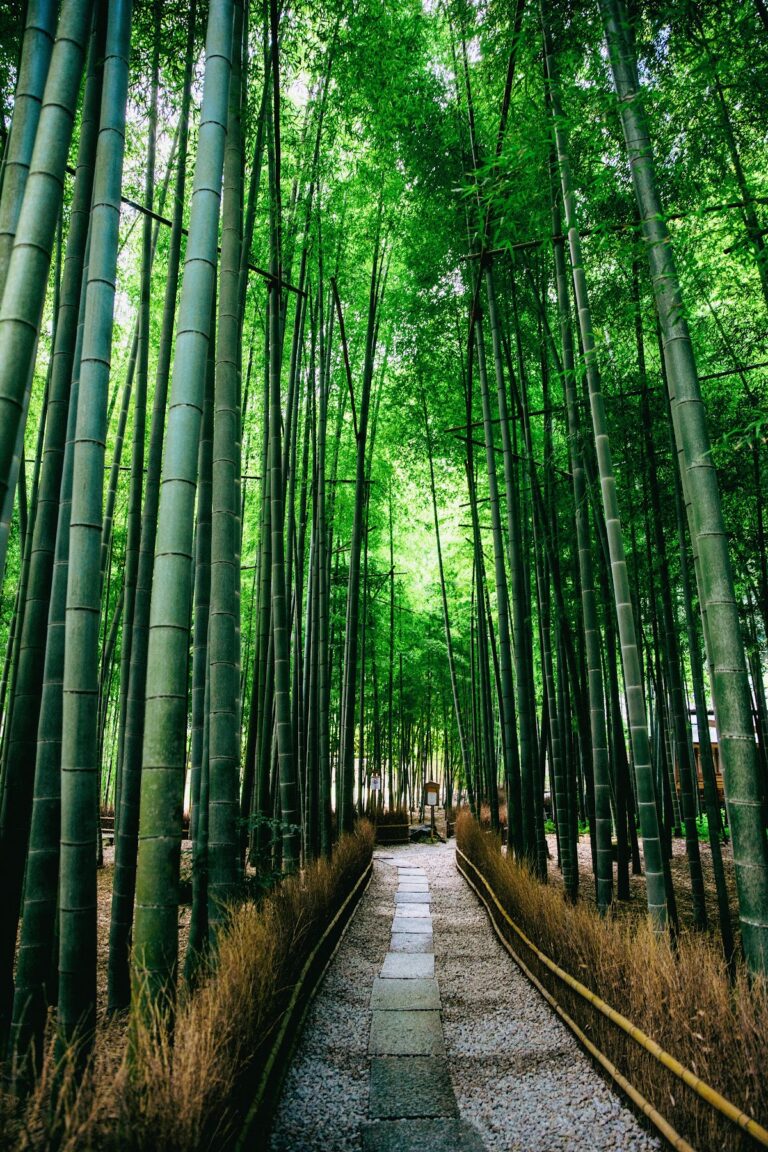
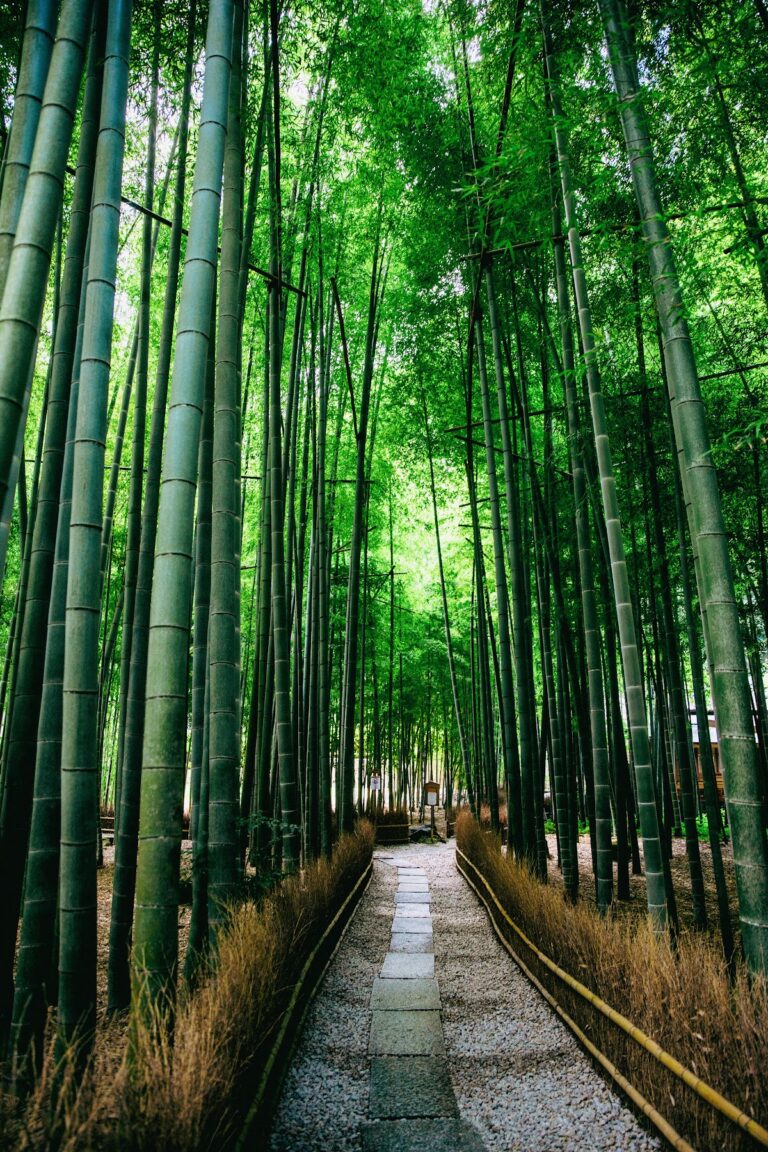
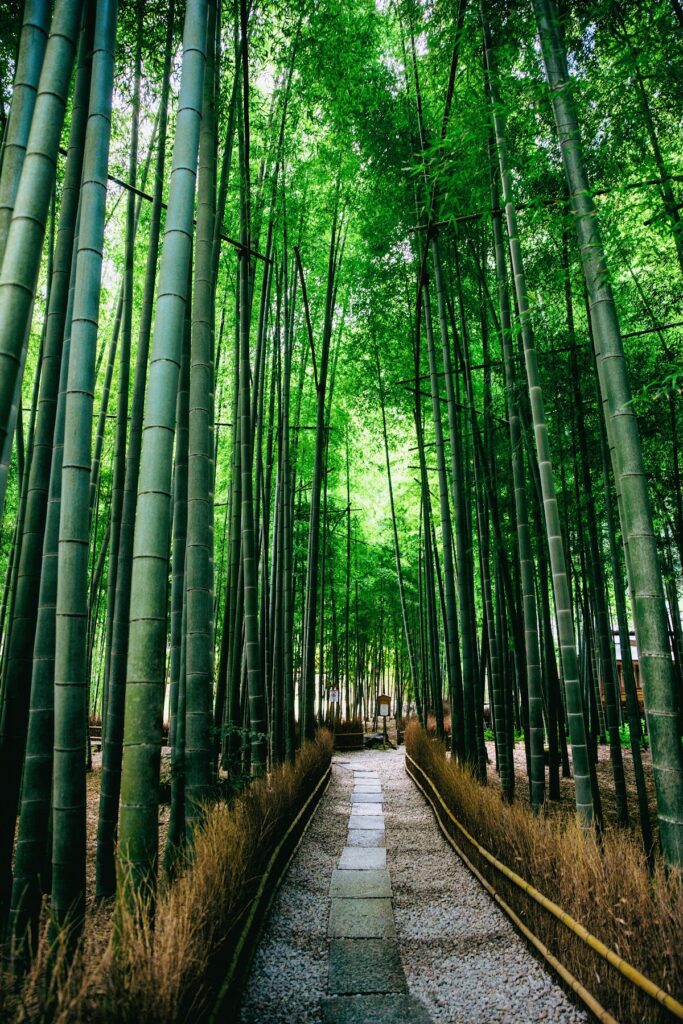
The “Bamboo Garden,” located at the back of the temple grounds, is Hokokuji Temple’s greatest attraction. Approximately 2,000 moso bamboo stalks stretch straight towards the sky, and sunlight filtering through the leaves creates a fantastical green space. Walking along the bamboo grove path, the rustling of the bamboo leaves soothes the soul.
Matcha Tea Ceremony at the “Kyukoan” Tea Room
Within the bamboo grove is the “Kyukoan” tea room, where you can enjoy matcha tea and dried sweets for 600 yen, separate from the entrance fee. Sitting on the veranda surrounded by bamboo, enjoying a cup of tea in the tranquility is a truly special experience. Opening hours are 9:00 AM to 4:00 PM (last entry at 3:30 PM). Waiting times may occur during busy periods.
Points to Note During Your Visit
Main Hall and Kasyapa Hall
The main hall houses the principal image, a seated statue of Shakyamuni Buddha. Within the temple grounds is the Kasyapa Hall, known as the tenth temple of the Kamakura Thirteen Buddhas Pilgrimage, where Kasyapa, one of Shakyamuni’s ten principal disciples, is enshrined.
Ashikaga Clan Yagura
Deep within the bamboo grove lies a “yagura,” a type of horizontal tomb unique to Kamakura. Here, memorial towers believed to be the tombs of the Ashikaga clan, including Ashikaga Yoshihisa, stand side by side, preserving the history of Kamakura.
Dry Landscape Garden
In front of the main hall is a dry landscape garden made of white sand and stone arrangements, showcasing the simple and dignified beauty characteristic of Zen temples.
Benefits and Goshuin (Temple Seal)
Hokokuji Temple is believed to grant wishes and ensure family safety. Goshuin (temple seals) can be obtained at the temple office in the main hall (300 yen). The temple also offers the Goshuin for the tenth temple of the Kamakura Thirteen Buddha Pilgrimage, attracting many pilgrims.
Visiting Information
- Visiting Hours: 9:00 AM – 4:00 PM (Last entry 3:30 PM)
- Admission Fee: Adults 300 yen, Junior high school students and younger 200 yen (Bamboo Garden entrance fee)
- Matcha Tea Fee: 600 yen (with dried sweets)
- Closed Days: December 29th – January 3rd, and other temporary closures
- Estimated Time Required: Approximately 30-60 minutes
Access
Access by Train and Bus
- From JR Kamakura Station East Exit, take Keikyu Bus “Kama 23, 24, or 36” for approximately 12 minutes, get off at “Jomyoji” bus stop, and walk 3 minutes.
- From JR Kamakura Station East Exit, it’s approximately a 30-minute walk (approximately 2.2 km).
From Kamakura Station, head east along Kanazawa Kaido, and it is located beyond the residential area of Jomyoji. Along the way, you’ll find other ancient temples such as Sugimoto-dera and Jomyoji, which you can visit together.
Access by Car
Approximately 5 minutes from the Asahina Interchange on the Yokohama-Yokosuka Expressway. However, parking is very limited (only a few spaces), and it’s often full on weekends and holidays, so we strongly recommend using public transportation.
Best Season to Visit
The bamboo grove is beautiful throughout the year, but it’s especially popular in May when the new leaves appear, in the cool summer, and in November during the autumn foliage season. It’s relatively uncrowded right after the temple opens in the early morning, allowing you to enjoy the bamboo grove in peace. The bamboo grove after rain, with water droplets remaining on the leaves, creates a magical atmosphere.
Nearby Attractions
Around Hokoku-ji Temple are Sugimoto-dera, the oldest temple in Kamakura; Jomyoji, the fifth-ranked of the Five Great Zen Temples of Kamakura; and Kakuenji, known for its cave Buddha statues, making it a popular temple and shrine hopping route in eastern Kamakura.