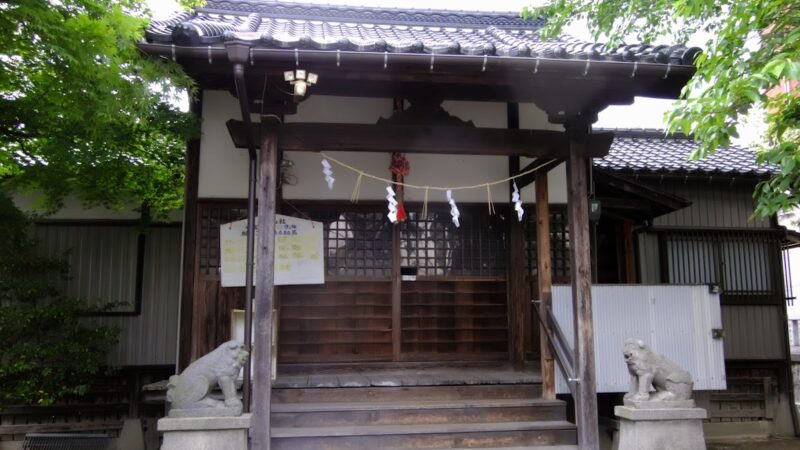
Honizumi Shrine (Toyama City, Toyama Prefecture) Complete Guide | History, Deities, Benefits, and Access Information
Honizumi Shrine, located in Oizumi Honmachi, Toyama City, Toyama Prefecture, is a historical shrine deeply rooted in the local community. This article comprehensively introduces information you should know before visiting Honizumi Shrine, including its enshrined deities, benefits, historical background, highlights of the grounds, annual events, and access methods.
Basic Information about Honizumi Shrine
Location: 2-1-12 Oizumi Honmachi, Toyama City, Toyama Prefecture 939-8094
Honizumi Shrine is located in the Oizumi Honmachi district of Toyama City and is cherished as the guardian deity of the local residents. While there are 610 shrines in Toyama City, Honizumi Shrine is an important center of faith in the Oizumi district.
Origin of the Shrine Name
The name “Honizumi” is thought to originate from “Oizumi,” a historical place name in this region. As the character “泉” (izumi, meaning spring) suggests, it is presumed that this area once had pure spring water or water sources, and that a belief in gratitude for the blessings of water and the worship of water deities was deeply rooted here.
Deities enshrined at Honsen Shrine
Regarding the deities enshrined at Honsen Shrine, it is possible that multiple deities are worshipped as local guardian deities. In Toyama Prefecture, the following deities are commonly enshrined at shrines:
Possible Main Deities Enshrined
- Amaterasu Omikami: The sun goddess worshipped in many shrines as the supreme deity of Japan.
- Oyamatsumi no Kami: A mountain god widely worshipped in shrines in Toyama Prefecture.
- Honda Wake no Mikoto: Emperor Ojin, a central figure in Hachiman worship.
- Okuninushi no Mikoto: A deity of the Izumo lineage, known as the god of nation-building.
- Sugawara no Michizane: The god of learning, an object of Tenjin worship.
It is conceivable that one or more of these deities are enshrined together as the local tutelary deity.
Benefits and Divine Virtues of Honizumi Shrine
The benefits you can expect at Honizumi Shrine vary depending on the enshrined deity, but the following benefits are generally expected as the local tutelary deity.
Main Benefits
- Family Safety: Protection of the health and safety of all family members
- Community Peace and Tranquility: Peace and prosperity for the entire parish area
- Abundant Harvest: Abundant crops and food safety
- Business Prosperity: Development of local commerce and business success
- Protection from Misfortune and Bringing Good Fortune: Warding off misfortune and inviting good luck
- Prosperity of Descendants: Being blessed with children and ensuring the continuation of the family line
- Traffic Safety: Protection of safe daily travel
As a community-oriented shrine, it accepts various wishes related to daily life.
History and Background of Honsen Shrine
Historical Background of the Oizumi District, Toyama City
The Oizumi district is located in the urban area of Toyama City and has been a place where people have lived since ancient times. Blessed with the abundant water resources of the Toyama Plain, this region was centered on agriculture, and it is believed that Honsen Shrine was founded as the guardian deity of the area.
The Origins of the Shrine
While historical records are limited regarding the exact founding date, the following historical circumstances are presumed, similar to many local shrines in Toyama Prefecture:
- Ancient: Possibly originated from local nature worship or water deity worship
- Medieval: Developed as a tutelary deity alongside the formation of village communities
- Early Modern: The shrine organization was established under the rule of the Kaga Domain during the Edo period
- Modern: Registered as a formal shrine through the Meiji-era reform of the shrine system
- Contemporary: Maintained and managed by a local parishioner organization
The Shrine’s Place in Toyama Prefecture’s Shrine Culture
Totaling 2,266 shrines exist throughout Toyama Prefecture, with 610 located in Toyama City alone. Honsen Shrine is one of them, playing an important role in the faith of the limited Oizumi district.
Highlights of the Shrine Grounds
Main Hall and Worship Hall
The main hall and worship hall of Honsen Shrine are built to an appropriate size for a local shrine. They follow the traditional shrine architectural style of Toyama Prefecture and are characterized by their suitability to the local climate and environment.
Torii Gate
The torii gate, which marks the entrance to the sacred area, is an important structure that guides worshippers into a sacred space. Passing through the torii gate allows one to shift their mind from the secular world to the sacred realm.
Water Basin
A water basin is provided for purifying the body and mind before worship. It is recommended to purify your hands and mouth using the correct etiquette before worship.
Subsidiary Shrines and Auxiliary Shrines
In addition to the main hall, there may be several small shrines and subsidiary shrines within the grounds. These are evidence of the shrine’s history of accepting various local beliefs.
Shrine Office/Amulet Place
This is where you can receive goshuin (shrine stamps) and amulets. However, in the case of small shrines, staff may not be permanently stationed, so prior confirmation is recommended. ## Annual Events and Festivals
At Honsen Shrine, various festivals are held throughout the year as the guardian shrine of the region.
Main Annual Events
New Year’s Day Festival (January 1st)
This is the most important festival, celebrating the New Year and praying for peace throughout the year. Many parishioners visit for their first shrine visit of the year.
Spring Grand Festival (Spring)
This festival celebrates the arrival of spring and prays for a bountiful harvest. In some regions, it is held in April or May.
Summer Purification Ceremony (June 30th)
This is a Shinto ritual to purify oneself of sins and impurities accumulated over the past six months and pray for good health and protection from illness for the remaining half of the year.
Autumn Grand Festival (Autumn)
This is the most grand festival, giving thanks for the harvest and celebrating a good harvest. It is a lively local festival.
Year-End Purification Ceremony (December 31st)
This is a Shinto ritual to cleanse away the sins and impurities of the past year and welcome the new year with a pure heart.
Monthly Festivals
There are also regular festivals held on specific days each month, continuously praying for the peace and prosperity of the community.
Etiquette and Manners for Visiting a Shrine
Basic Etiquette for Visiting a Shrine
- Passing Through the Torii Gate: Bow before entering the shrine grounds.
- Purifying at the Water Basin: Purify in the following order: left hand → right hand → mouth → handle of the ladle in your left hand.
- Walking Along the Path: Walk along the sides, as the center is the path for the gods.
- In Front of the Main Hall: Bow slightly before placing your offering.
- Two Bows, Two Claps, One Bow: Bow deeply twice → clap twice → bow deeply once.
- Exiting: Turn around and bow after leaving the torii gate.
Attire for Visiting a Shrine
Everyday clothes are acceptable, but clean and subdued attire is preferred. For formal visits or prayers, more formal attire is recommended.
Photography Etiquette
Photography is generally permitted on the temple grounds, but please refrain from taking photos inside the main hall or during religious ceremonies. Consideration for other worshippers is also necessary.
Access Information
Location
2-1-12 Oizumi Honmachi, Toyama City, Toyama Prefecture 939-8094
Access by Public Transportation
From Toyama Station
- Take the Toyama Chihō Railway bus
- Get off at the “Oizumi Honmachi” bus stop and walk for a few minutes
- Travel time: Approximately 15-20 minutes
Toyama Chihō Railway
- Take a bus or taxi from the nearest station
Access by Car
From the Hokuriku Expressway
- Approximately 15-20 minutes from Toyama IC
- Head towards the city center and then towards Oizumi Honmachi
From the center of Toyama City
- Approximately 10-15 minutes by car
- Use National Route 41 or a prefectural road
Parking
There may be parking spaces for visitors on the shrine grounds or nearby, but due to the small size of the shrine, the number of spaces may be limited. During festivals, congestion is expected, so please consider using public transportation. ## Shrine Culture in Toyama City
Characteristics of Shrines in Toyama City
Toyama City boasts 610 shrines, a high density compared to the rest of Japan. This is due to the following factors:
Geographical Factors
- A tradition of mountain worship, including the Tateyama mountain range
- Water deity worship due to abundant water resources
- Agricultural culture of the Toyama Plain and prayers for bountiful harvests
Historical Factors
- Shrine development under the rule of the Kaga Domain
- A tradition of worshipping local guardian deities in each village
- The impact of shrine consolidation policies after the Meiji Restoration
Distribution of Shrines in Toyama Prefecture
Toyama Prefecture as a whole has 2,266 shrines, distributed as follows:
- Toyama City: 610 shrines (the most in the prefecture)
- Takaoka City: Approximately 300 shrines
- Tonami City: Approximately 200 shrines
- Other municipalities: Approximately 1,150 remaining shrines
These figures demonstrate the deep faith of the people of Toyama Prefecture and the importance of shrines in local communities.
Attractions around Honizumi Shrine
Characteristics of the Oizumi Area
Oizumi Honmachi is located in the urban area of Toyama City, a mix of residential and commercial areas. When visiting Honizumi Shrine, exploring the surrounding area is also recommended.
Nearby Shrines and Temples
Numerous shrines and temples are scattered throughout Toyama City, making it enjoyable to visit them.
- Hie Shrine: A grand shrine known as the guardian shrine of Toyama City.
- Toyama Prefectural Gokoku Shrine: Located within Toyama Castle Park.
- Etchu Ichinomiya Oyama Shrine: A central shrine for Tateyama worship.
Toyama City Tourist Spots
Enjoy sightseeing in Toyama City along with your shrine visit.
- Toyama Castle Park: A park developed on the site of Toyama Castle.
- Fugan Canal Kansui Park: A beautiful waterside park.
- Toyama Glass Art Museum: Modern architecture and glass art.
- Toyama Prefectural Museum of Art: A museum overlooking the Tateyama mountain range.
Goshuin (Shrine Seal) and Amulet Information
About Goshuin (Shrine Seals)
Whether you can receive a Goshuin at Honsen Shrine depends on the size of the shrine and the structure of the shrine office. For small local shrines, please note the following:
- There may not be a resident Shinto priest.
- Amulets may only be given on festival days or specific dates.
- Amulets may be given at a nearby shrine that also serves the priest.
If you wish to receive a Goshuin (shrine stamp), it is recommended that you contact the Toyama City Shrine Association or the relevant shrine in advance.
Amulets and Offerings
As the local guardian shrine, the following amulets may be offered:
- Family Safety Amulet: For the health and safety of all family members
- Traffic Safety Amulet: For safety in cars and daily travel
- Exorcism Amulet: To ward off misfortune
- Academic Success Amulet: For academic improvement and passing exams
- Business Prosperity Amulet: For the development and prosperity of your business
Prayers and Supplications at Honsen Shrine
Types of Prayers Available
At Honsen Shrine, as the local guardian shrine, the following prayers may be available:
Life Rituals
- First Shrine Visit (Omiyamairi)
- Shichi-Go-San Ceremony
- Prayer for Protection from Evil
- 60th Birthday Celebration
Daily Prayers
- Prayer for Family Safety
- Prayer for Traffic Safety
- Prayer for Business Prosperity
- Prayer for Recovery from Illness
- Prayer for Success in Exams
Special Prayers
- Groundbreaking Ceremony
- Ridgepole Raising Ceremony
- Completion Ceremony
- New Car Blessing
How to Apply for Prayer
For small shrines, advance reservations are often required, so we recommend the following procedure.
- Inquire by phone or visit in advance.
- State the type of prayer and desired date and time.
- Confirm the offering fee (prayer fee).
- Arrive 10-15 minutes before your scheduled time.
- Fill out the application form at the reception.
How to Enjoy Shrine Visits in Toyama Prefecture
Recommendations for Shrine Pilgrimages
Toyama Prefecture boasts 2,266 shrines, making it a treasure trove for shrine pilgrimages. Starting from Honsen Shrine, you can enjoy the following shrine pilgrimages:
Themed Shrine Tours
- Tateyama Worship: Shrines focused on mountain worship, centered around Oyama Shrine
- Water God Worship: Shrines related to Toyama’s abundant water resources
- Ichinomiya Tour: Oyama Shrine and Takase Shrine, the Ichinomiya (first shrine) of Etchu Province
- Ujigami Tour: A journey to visit the local guardian deities of each region
The Charms of Shrines in Each Season
Spring (March-May)
- Strolling through the shrine grounds during cherry blossom season
- Participating in the Spring Grand Festival
- Beautiful shrine grounds amidst fresh greenery
Summer (June-August)
- Purifying oneself of the impurities accumulated over the past six months at the Summer Purification Ceremony
- The lively atmosphere of the summer festival
- The coolness of the lush green shrine grounds
Autumn (September-November)
- Beautiful shrine grounds amidst autumn foliage
- Autumn Grand Festival and Harvest Festival
- The season for Shichi-Go-San (children’s festival)
Winter (December-February)
- Mysterious Shrine Grounds in a Snowy Landscape
- Year-End Purification Ceremony and First Shrine Visit of the Year
- Worship in Silence
Local Community and Honsen Shrine
Role of the Parishioners’ Organization
Honsen Shrine, as the local guardian shrine, is supported by its parishioners’ organization. The parishioners’ organization plays the following roles:
- Maintenance and cleaning of the shrine
- Planning and operation of festivals
- Management of shrine property
- Function as a center of the local community
Involvement with Local Events
The shrine is deeply connected to various local events.
- Function as a meeting place for neighborhood associations
- Playground for local children
- A place for seasonal gatherings
- Role as a disaster prevention base
Precautions When Visiting
Visiting Hours
Generally, the shrine grounds are open for worship from sunrise to sunset, but please note the following points.
- Please refrain from visiting early in the morning or late at night.
- The shrine may be crowded during festivals depending on the time of day.
- The shrine office may have limited opening hours.
Manners and Etiquette
- Smoking is prohibited on the shrine grounds.
- Please refrain from bringing pets or have them wait outside the grounds.
- Please refrain from loud conversations.
- Please take all your trash with you.
- Please be mindful that this is a sacred place.
Weather Precautions
In Rainy Weather
- The shrine grounds may become slippery, so please be careful.
- Shake off water droplets from your umbrella outside the shrine grounds.
In Snowy Weather
- Please watch your step.
- Check the snow removal situation in advance.
- Take thorough precautions against the cold.
In Extreme Heat
- Take precautions against heatstroke (hydration, hat, etc.).
- Take breaks in the shade.
Deepening Your Understanding of Toyama’s Shrine Culture
About the Toyama Prefectural Shrine Association
The Toyama Prefectural Shrine Association is the organization that oversees shrines within the prefecture. For inquiries about shrines or to obtain more detailed information, you can contact the Toyama Prefectural Shrine Association.
Shrine Examination/Shinto Culture Examination
For those who wish to learn more about shrines and Shinto, taking the Shrine Examination (Shinto Culture Examination) is recommended. It can be taken within Toyama Prefecture and will deepen your understanding of shrine culture.
Related Books and Materials
The following are resources for learning about shrines in Toyama Prefecture:
- Materials published by the Toyama Prefectural Shrine Association
- Shrine-related sections in the histories of various cities and towns
- Local history materials at the Toyama Prefectural Library
- National Shrine Directory published by the Association of Shinto Shrines
Summary
Honzumi Shrine is a community-oriented shrine located in Oizumi Honmachi, Toyama City, Toyama Prefecture. As one of the 610 shrines in Toyama City, it is revered by local residents as the guardian deity of the Oizumi area.
When visiting, it is important to observe basic shrine worship etiquette and pray quietly and sincerely. Furthermore, by visiting not only Honsen Shrine but also the diverse array of 2,266 shrines throughout Toyama Prefecture, you can experience Toyama’s rich religious culture and history.
Honsen Shrine, as the guardian deity of the region, watches over the safety and peace of daily life. Why not pay a visit? The time spent quietly praying in the shrine grounds, which display different expressions throughout the seasons, will be a precious source of healing in today’s busy life.
We sincerely hope that your visit to Honsen Shrine will be a fruitful experience.