Complete Guide to Hōonji Temple (Chuo-ku, Niigata City, Niigata Prefecture) | The Charm and Access Information of a Historic Soto Zen Temple
Hōonji Temple, located at Nishibori-dori 3-bancho in Chuo-ku, Niigata City, is a historic temple belonging to the Soto Zen sect. Despite being in the heart of Niigata’s city center, this temple maintains a tranquil atmosphere, playing an important role as a center of faith for the local people and as a historical building. This article provides a detailed overview of Hōonji Temple’s history, architectural features, access methods, and essential information for visitors.
Basic Information on Hōonji Temple
Hōonji Temple is a Soto Zen temple located at 804 Nishibori-dori 3-bancho in Chuo-ku, Niigata City. Its mountain name is Shōjuzan, and it is one of 76 temples in Chuo-ku among the 2,795 temples in Niigata Prefecture, continuing its community-based activities.
Location and Contact Information
- Address: 804, Nishibori-dori 3-bancho, Chuo-ku, Niigata City, Niigata Prefecture 951-8061
- Phone Number: 025-223-0287
- Sect: Soto Zen
- Mountain Name: Shojuzan
Hoonji Temple is registered on “Soto Zen Navi,” the official temple portal site of the Soto Zen sect, and is recognized as an officially recognized Soto Zen temple. The Soto Zen sect is a branch of Zen Buddhism that emphasizes seated meditation and has many temples throughout Japan.
History and Origins of Hoonji Temple
While there are limited clear records regarding the founding date of Hoonji Temple, it is a temple that has grown alongside the development of Chuo-ku, Niigata City. Nishibori-dori flourished as a commercial area of Niigata, and Hoonji Temple has functioned as a spiritual pillar for the people of this area.
As a Soto Zen temple, Hoonji Temple upholds the teachings of Zen Master Dogen and Zen Master Keizan, the founders of the sect, and conducts Buddhist activities centered on Zen meditation. Together with local parishioners, it preserves Buddhist culture through ancestral rites and annual events.
Position in Niigata City’s Chuo Ward
Nagoya City’s Chuo Ward has 76 temples, and Hoonji Temple is a valuable temple located in the heart of the city on Nishibori Street. Even amidst increasing urbanization, its continued maintenance of its temple functions and space is of great significance in conveying Niigata’s history and culture.
Architectural Features of Hoonji Temple
Hoonji Temple is a wooden building believed to have been constructed in 1917 (Taisho 6). As a valuable structure that conveys the architectural style of the Taisho period, it forms part of the historical landscape of the area.
Distinctive Roof Design
A particularly noteworthy feature of Hoonji Temple’s architecture is the Chinese lion placed on top of the square roof. This ornament, in temple architecture, carries the meaning of warding off evil and providing protection, signifying the building’s status and possessing high artistic value. The Chinese lion (karajishi) is a traditional decorative motif in Buddhist architecture and symbolizes the historical value of Hōonji Temple.
The Value of Wooden Architecture
The wooden building constructed during the Taisho period was built using traditional methods different from modern construction techniques. The fact that the building has been maintained for over 100 years demonstrates the high level of carpentry skill of the time and the results of continuous maintenance.
Access
Access to Hōonji Temple is primarily via a combination of public transport and walking. Located in the urban area of Chuo Ward, Niigata City, it is accessible from multiple train stations.
Access by Train
From JR Echigo Line “Hakusan Station”
- Distance: Approximately 1.3-1.4 km
- Walking time: Approximately 17-18 minutes
- The most common route is to head towards Nishibori-dori from the Hakusan Station exit.
From JR Echigo Line, Hakushin Line, and Joetsu Shinkansen “Niigata Station”
- Distance: Approximately 1.9-2.1 km
- Walking time: Approximately 26 minutes
- While it’s a bit of a distance from Niigata Station, it’s reachable via a walking route through the city center.
- Buses and taxis are also convenient.
Access by Car
Located in the city center of Chuo Ward, Niigata City, it is accessible by car. However, as the surrounding area is residential and commercial, it is recommended to check parking availability in advance. Entering the address “804 Nishibori-dori 3-bancho, Chuo Ward, Niigata City” or the phone number “025-223-0287” into your car navigation system will provide accurate directions.
Landmarks in the Surrounding Area
Nishibori-dori is a street that forms part of the central urban area of Niigata City. The surrounding area is lined with shops and houses, giving it a vibrant urban feel. It is also relatively close to major facilities such as Hakusan Shrine and the Niigata City Central Ward Office.
Things to Know About Hoonji Temple
Teachings and Practice of the Soto Zen School
Hoonji Temple is a Soto Zen temple that practices the teachings of “Shikantaza,” a form of seated meditation. The Soto Zen school was introduced to Japan during the Kamakura period by Zen Master Dogen and further spread by Zen Master Keizan.
It is a sect that emphasizes self-reflection through seated meditation and the practice of Buddhist teachings in daily life, and this tradition is carried on at Hoonji Temple.
The Role and Activities of the Temple
Hoonji Temple, as a temple serving parishioners, engages in the following activities:
- Funerals and Memorial Services: Buddhist services such as funerals and annual memorial services for parishioners
- Annual Events: Buddhist events such as Obon, Higan, and Segaki-e
- Ancestral Worship: Cemetery management and ancestral worship
- Community Interaction: Activities as a member of the local community
Etiquette When Visiting
When visiting a temple, please observe the following points:
- Maintain silence: Temples are places of prayer and meditation. Please refrain from speaking loudly.
- Attire: Avoid flashy or revealing clothing; please wear modest attire when visiting.
- Photography: If you wish to photograph the building or temple grounds, it is advisable to obtain permission in advance.
- Worship Etiquette: Bow at the temple gate, and pray quietly with clasped hands in the main hall.
- Contact: If you are visiting for a memorial service or consultation, it is recommended to contact the temple by phone in advance.
Temple Culture in Chuo Ward, Niigata City
Chuo Ward in Niigata City has 76 temples, each with its own unique history and characteristics. Among them, Hoonji Temple, as a Soto Zen temple, plays an important role in transmitting the teachings of Zen.
Buddhist Culture in Niigata
Niigata Prefecture as a whole has a large number of temples, 2,795 in total, which accounts for approximately 3.6% of the 76,660 temples nationwide. Niigata has a long history of development as a key point on the Hokuriku Road and as a hub for cultural exchange on the Sea of Japan side, fostering a diverse Buddhist culture.
The Soto Zen sect is one of the sects with many temples in Niigata Prefecture, and Hoonji Temple functions as a temple that carries on its traditions to the present day.
Nearby Attractions and Tourist Information
When visiting Hoonji Temple, exploring the surrounding tourist spots will allow you to experience the charm of Niigata City’s Chuo Ward more deeply.
Hakusan Shrine
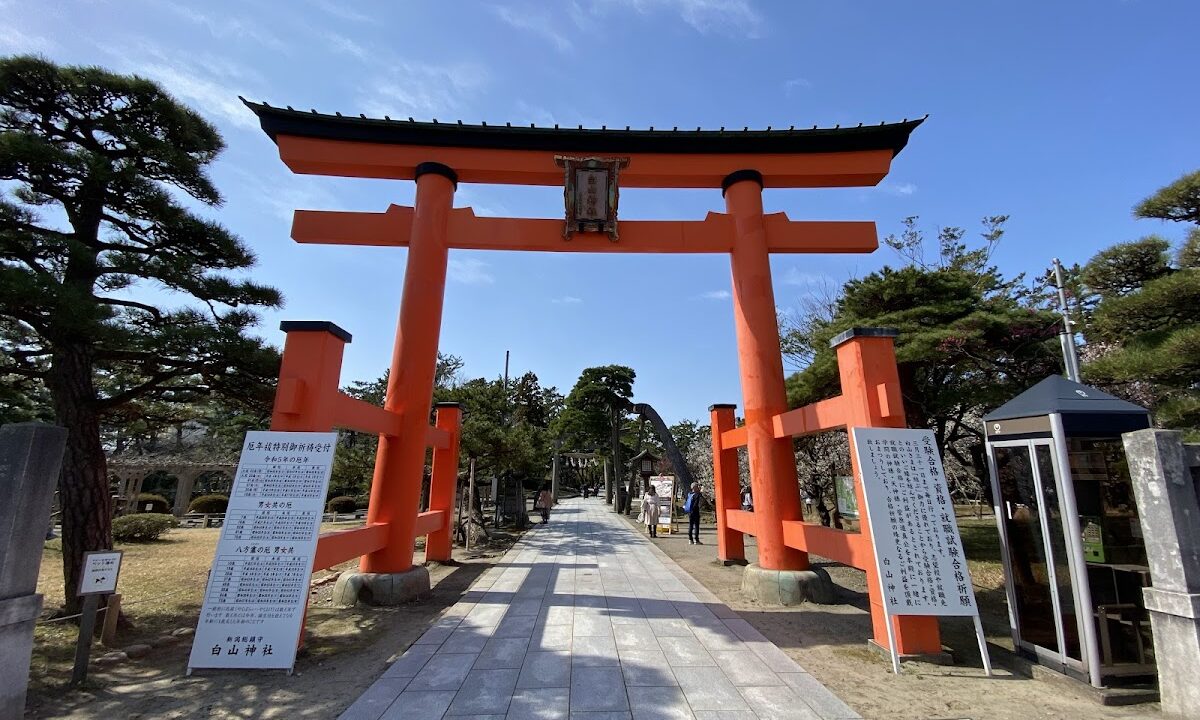
Hakusan Shrine, located relatively close to Hoonji Temple, is known as the guardian shrine of Niigata City. With its spacious grounds and beautiful shrine buildings, it attracts many worshippers for New Year’s visits and Shichi-Go-San (a traditional Japanese rite of passage for children).
Nishibori-dori Area
Nishibori-dori, where Hoonji Temple is located, was once a thriving commercial center of Niigata. Even today, it is lined with shops and restaurants, making it an area where you can experience Niigata’s urban culture.
Niigata City Center
The area around Niigata Station is home to a concentration of commercial and cultural facilities, allowing visitors to enjoy urban sightseeing in Niigata City in conjunction with a visit to Hoonji Temple.
Official Information Sources for the Soto Zen School
Hoonji Temple is registered on “Soto Zen Navi,” the official temple portal site for the Soto Zen School, and is officially recognized as a Soto Zen temple. Detailed information about the Soto Zen School and information on Soto Zen temples nationwide can be found on the official Soto Zen website and social media (Instagram, etc.).
The Soto Zen School continues to disseminate information through social media and other channels, striving to pass on the teachings of Zen to younger generations. The latest information about Hoonji Temple can also be obtained through official Soto Zen information sources.
Contacting Hōonji Temple
You can contact Hōonji Temple in the following ways:
- Telephone: 025-223-0287 (Daytime hours are generally preferred)
- Visit: We recommend calling in advance before visiting.
For consultations regarding funerals, memorial services, cemeteries, and other Buddhist matters, please contact the temple directly for details.
Summary: The Charm and Value of Hōonji Temple
Located in Nishibori-dori 3-bancho, Chuo-ku, Niigata City, Hōonji Temple is a valuable temple of the Sōtō Zen sect with a history of over 100 years. Its wooden architecture, built during the Taisho period, and distinctive design featuring a square roof adorned with a lion motif, possess high architectural value and form part of Niigata’s historical landscape.
In the increasingly urbanized Chuo-ku of Niigata City, Hōonji Temple continues to provide a tranquil space for prayer, serving as a spiritual pillar for the local community. The Zen meditation practice and Buddhist practices based on the teachings of the Sōtō Zen sect remain meaningful even in modern society.
One of the distinguishing features of Hōonji Temple is its excellent accessibility, being approximately an 18-minute walk from Hakusan Station and a 26-minute walk from Niigata Station. When visiting Niigata City, why not stop by this historic temple and spend some peaceful time there?
As one of 2,795 temples in Niigata Prefecture and 76 temples in Chuo Ward, Hōonji Temple will continue to play an important role in preserving and passing on the region’s Buddhist culture.