Hozoji Temple (Sakata City, Yamagata Prefecture) | A Complete Guide to the History and Highlights of the 13th Temple of the Shonai Thirty-Three Kannon Pilgrimage
Hozoji Temple, located in Sakata City, Yamagata Prefecture, is a historically significant Soto Zen temple founded during the Muromachi period. As the 13th temple of the Shonai Thirty-Three Kannon Pilgrimage, it welcomes many pilgrims and is known as a renowned temple enshrining the Holy Kannon Bodhisattva as its principal image. This article will comprehensively cover the history, architectural features, cultural assets, visiting information, and surrounding tourist spots of Hozoji Temple, revealing all the temple’s charms.
Basic Information about Hozoji Temple
Location and Access
Address: 109 Shimoaoyama-Sawazoe, Sakata City, Yamagata Prefecture
Phone Number: 0234-64-3270
Sect: Soto Zen
Mountain Name: Torinzan
Principal Image: Holy Kannon Bodhisattva
Pilgrimage Site: 13th temple of the Shonai Thirty-Three Kannon Pilgrimage
Transportation Access
Access by Public Transportation:
- Approximately 50 minutes by bus from JR Sakata Station
- Walking may be required after alighting from the bus stop
Access by Car:
- Approximately 30 minutes from Sakata Chuo IC on the Nihonkai Tohoku Expressway
- Approximately 40 minutes from Shonai Asahi IC on the Yamagata Expressway
- Parking available (for visitors)
History of Hozoji Temple
History of its Founding
Hozoji Temple is believed to have been founded in 1431 (Eikyo 3), dating back to the mid-Muromachi period. This period saw the widespread spread of Zen Buddhism in the Tohoku region, and many Soto Zen temples were established.
From its inception, it attracted the faith of local people and developed particularly as a center of Kannon worship. It is one of the temples that played an important role in the spread of Buddhist culture in the Shonai region.
History as one of the Shonai Thirty-Three Kannon Pilgrimage Sites
Hozoji Temple has long welcomed pilgrims as the thirteenth temple of the Shonai Thirty-Three Kannon Pilgrimage. The Shonai Thirty-Three Kannon Pilgrimage is a pilgrimage route visiting 33 Kannon temples scattered throughout the Shonai region (present-day Shonai area of Yamagata Prefecture), and has been widely popular among ordinary people since the Edo period.
Kannon worship is based on the teaching that Kannon Bodhisattva transforms into 33 forms to save sentient beings, and it is believed that one accumulates merit by visiting 33 sacred sites. Hozoji Temple has served as an important base on this pilgrimage route, a spiritual haven for pilgrims for hundreds of years.
Successive Chief Priests and the Temple’s Development
As a Soto Zen temple, Hozoji Temple has been preserved by successive chief priests. It has strong ties to the local community, playing a role as a spiritual pillar of the community through the danka (parishioner) system.
During the Edo period, it received the patronage of the Shonai Domain, and despite the impact of the anti-Buddhist movement after the Meiji Restoration, it was protected by the fervent faith of the local residents, and continues to uphold its Buddhist traditions to this day.
Architecture and Grounds of Hozoji Temple
Features of the Main Hall
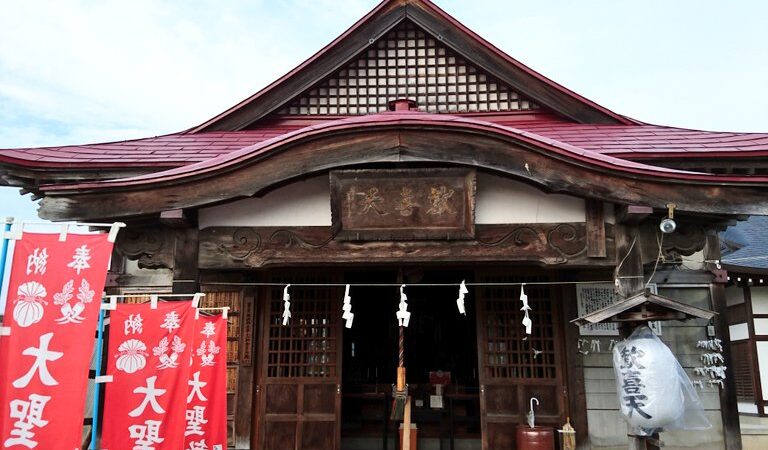
While the main hall of Hozoji Temple exhibits the typical architectural style of Soto Zen temples, it also possesses unique characteristics adapted to the climate and natural features of the Shonai region.
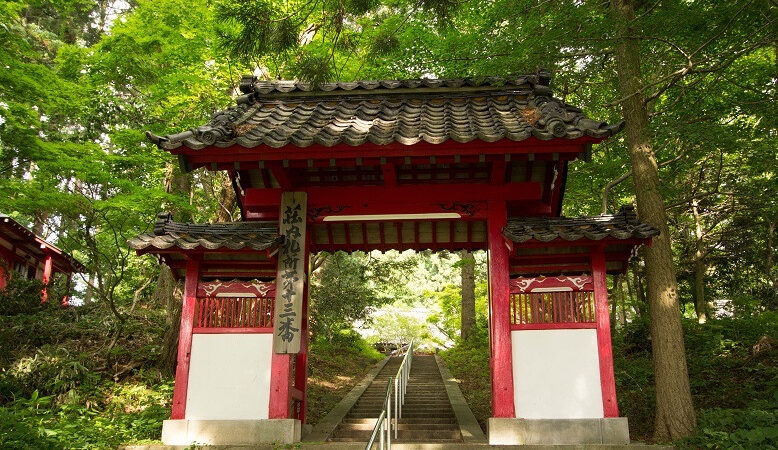
The long stone staircase leading from the entrance to the main hall serves to prepare visitors mentally, and the tranquil temple grounds that unfold at the top are enveloped in a solemn atmosphere that makes you forget the hustle and bustle of everyday life.
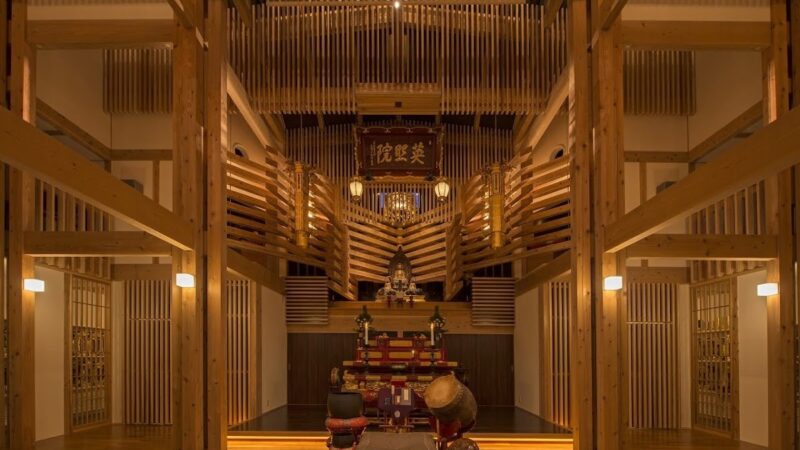
Inside the main hall, the Holy Kannon Bodhisattva is enshrined, and visitors can quietly join their hands in prayer and pray for inner peace. The decorations and Buddhist implements inside the hall also have a charm that tells the story of its long history.
The 33 Stone Buddha Statues
One of the greatest highlights of Hozoji Temple is the 33 stone Buddha statues installed behind the main hall. These represent the 33 manifestations of Kannon Bodhisattva, each with a different expression and posture.
This group of stone Buddha statues also signifies that one can experience the entire Shonai Thirty-Three Kannon Pilgrimage in one place, making it a valuable place for visitors who find it physically difficult to visit all the pilgrimage sites to receive the blessings of Kannon.
By joining your hands in prayer before each stone Buddha, you can have a refreshing and cleansing experience for your soul. The stone Buddha statues, standing amidst the changing seasons, reveal different charms depending on the time of year you visit.
Natural Environment of the Temple Grounds
Hozoji Temple’s grounds are surrounded by abundant nature. As the place name Yamazoe suggests, it is located at the foot of a mountain, and the plants of each season delight the eyes of visitors.
In spring, cherry blossoms and fresh greenery; in summer, deep green; in autumn, colorful leaves; and in winter, snowscapes—the temple grounds, showing different expressions with each season, create a space of worship that is one with nature.
Faith and Culture of Hozoji Temple
Faith in the Holy Kannon Bodhisattva
The principal image of Hozoji Temple, the Holy Kannon Bodhisattva, is considered the basic form of Kannon Bodhisattva. The name “Kannon” means “to observe the sounds of the world,” and it is widely worshipped as a Buddha who hears the cries of suffering from sentient beings and provides salvation.
The Bodhisattva Kannon (Holy Avalokiteshvara) is typically depicted with one face and two arms, holding a lotus flower in its left hand and forming the Abhaya Mudra (a gesture of fear removal) with its right hand. The Bodhisattva Kannon at Hozoji Temple also welcomes visitors with a compassionate expression.
Significance of the Kannon Pilgrimage
The pilgrimage to the 33 Kannon temples of Shonai is not merely sightseeing, but a spiritual journey of self-reflection and seeking inner peace. The number 33 is based on the teachings of the Lotus Sutra, which states that Kannon Bodhisattva transforms into 33 forms to save people.
Pilgrims receive a Goshuin (temple stamp) at each temple and record it in their pilgrimage notebook. Hozoji Temple also offers Goshuin, which are cherished as mementos of the pilgrimage.
Annual Events and Ceremonies
Hozoji Temple holds various Buddhist events and ceremonies throughout the year.
Main Annual Events:
- New Year’s Day Memorial Service (January 1st)
- Spring Equinox Service (around the Spring Equinox)
- Kannon Festival (18th of every month)
- Obon Festival (August)
- Autumn Equinox Service (around the Autumn Equinox)
- New Year’s Eve Bell Ringing
These events bring together parishioners and local residents to pray for ancestral remembrance and good health.
Etiquette and Manners for Visiting a Temple
Basic Etiquette for Visiting a Temple
When visiting a temple, it is important to observe the following basic etiquette.
- A Bow at the Temple Gate: Bow at the temple gate before entering the temple grounds.
- Purification at the Water Basin: If there is a water basin, purify your hands and mouth.
- Worship at the Main Hall: Offer your donation and quietly clasp your hands together in prayer.
- A Bow Upon Departure: When leaving the temple grounds, turn around and bow.
Regarding Photography
Photography is generally permitted on the temple grounds, but please note the following:
- Photography inside the main hall is often prohibited.
- Be considerate of other worshippers.
- Avoid using flash photography.
- Commercial photography requires prior permission.
Clothing and Belongings
There are no specific dress code requirements, but please dress appropriately for a sacred place like a temple.
- Avoid revealing clothing.
- Remove your hat inside the main hall.
- Wear comfortable shoes (as there are stone steps).
- Bring your pilgrimage notebook if you wish to receive a temple stamp (Goshuin).
Nearby Tourist Attractions
Major Tourist Attractions in Sakata City
When visiting Hozoji Temple, we recommend also visiting other tourist attractions in Sakata City.
Sankyo Warehouses: These rice storage warehouses were built during the Meiji era and are now used as a tourist facility. The zelkova tree-lined avenue is beautiful, making it a representative tourist spot in Sakata.
Former Honma Residence: This was the residence of the Honma family, one of Japan’s leading landowners, and is a valuable building combining the styles of a samurai residence and a merchant’s house.
Sakata City Museum of Art: This museum showcases local arts and culture and features a variety of special exhibitions.
Hiyoriyama Park: This park is located on a hill overlooking the Sea of Japan and is also known as a famous cherry blossom viewing spot.
Other Temples of the Shonai Thirty-Three Kannon Pilgrimage
By visiting the Shonai Thirty-Three Kannon Pilgrimage sites, including Hozoji Temple, you can gain a deeper understanding of the history and culture of the Shonai region.
Each temple has its own unique history and characteristics, and visiting them all allows you to experience the richness of the Buddhist culture of the Shonai region. Since it’s difficult to visit all of them in one day, it’s recommended to take several days to complete the pilgrimage at a leisurely pace.
Food Culture of Sakata City
Sakata City, a port town facing the Sea of Japan, is blessed with fresh seafood.
Sakata Ramen: A local ramen characterized by its light soy sauce flavor.
Kandara-jiru: A winter specialty, a hot pot dish made with cod.
Sakata Sushi: Sushi made with fresh seafood from the Sea of Japan is exquisite.
Enjoying the local food culture after visiting the temples is also a highlight of your trip.
The Four Seasons of Hozoji Temple
Spring (March-May)
In spring, Hozoji Temple is adorned with fresh greenery and cherry blossoms. Nature, having survived the long winter, comes back to life, creating a vibrant and lively landscape.
The trees along the stone steps begin to bud, and the 33 stone Buddha statues, bathed in the spring light, display serene expressions. Many worshippers visit during the spring equinox.
Summer (June-August)
Summer at Hozoji Temple, enveloped in deep green, offers a cool, tranquil atmosphere with plenty of shade. The temple grounds, filled with the sound of cicadas, provide a peaceful space for worship.
During the Obon festival, many parishioners gather to honor their ancestors, making the temple grounds lively.
Autumn (September-November)
Autumn is one of the most beautiful seasons at Hozoji Temple. The autumn foliage adorning the temple grounds is magnificent, and the contrast between the trees dyed in red and yellow and the stone Buddha statues is striking.
Under the clear autumn sky, the sight of the main hall standing quietly leaves a deep impression on visitors. The autumn equinox service is also held, where gratitude for the harvest and prayers for ancestors are offered.
Winter (December-February)
In winter, Hozoji Temple is enveloped in a solemn atmosphere, covered in snow. The white snow and the stone Buddha statues create a beauty reminiscent of an ink painting.
From New Year’s Eve, when the temple bells ring, to New Year’s Day, worshippers visit to welcome the new year and pray for safety throughout the year and peace in the coming year.
Due to heavy snowfall in winter, visiting the temple may be difficult, so it is recommended to check in advance.
Hozoji Temple and the Local Community
The Danka System and the Local Community
As a Soto Zen temple, Hozoji Temple is deeply connected to the local community through the Danka system (parishioner system). A danka is a family that designates a specific temple as their family temple, entrusts it with the memorial services for their ancestors, and supports the maintenance and operation of the temple.
The danka system was established during the Edo period and continues to this day. The danka of Hozoji Temple have also protected this temple for generations, deepening the bonds of the local community through memorial services and events.
Protection and Inheritance of Cultural Properties
Hozoji Temple possesses various cultural properties that have been passed down through its long history. Valuable materials are preserved, including the principal image of the Holy Kannon Bodhisattva, Buddhist implements, and ancient documents.
Properly protecting these cultural properties and passing them on to future generations is one of the temple’s important missions. They are highly valued academically as valuable historical materials that tell the story of the region.
Education and Social Contribution
Hozoji Temple functions not only as a religious facility but also as a place for local education and cultural activities.
Activities are also conducted to convey the teachings of Zen to local residents and tourists through Buddhist experience programs such as Zen meditation sessions and sutra copying sessions. These activities offer an opportunity to bring peace of mind to people experiencing stress and anxiety in modern society.
Notes on Visiting the Temple
Visiting Hours and Closed Days
Hozoji Temple is generally open for visits year-round, but please note the following:
- Avoid visiting early in the morning or at night (daytime is preferable)
- General visits may be restricted during memorial services or events
- Visits may be difficult in winter due to snowfall
- If you wish to receive a Goshuin (temple stamp), it is recommended to check by phone in advance.
Contact Information
For inquiries regarding visits, please contact the following:
Phone: 0234-64-3270
Examples of Inquiries:
- Regarding the issuance of Goshuin
- Dates of memorial services
- Visiting hours
- Parking availability
- Group visit reservations
Parking and Restrooms
Parking: A parking lot for visitors is available. It is free to use, but space is limited, so please be considerate of others during busy times.
Toilets: There are toilet facilities on the temple grounds. However, they may be unusable in winter due to freezing.
About the Soto Zen School
History and Teachings of the Soto Zen School
The Soto Zen School, to which Hozoji Temple belongs, is a branch of Japanese Zen Buddhism, founded by Zen Master Dogen during the Kamakura period.
A key characteristic of the Soto Zen School is its emphasis on “Shikan Taza,” that is, simply sitting in meditation. Rather than seeking enlightenment through meditation, the fundamental teaching is “Shusho Itto,” which holds that meditation itself is the form of Buddha.
Zen Practice in Daily Life
In the Soto Zen School, not only sitting meditation but all daily activities are considered Zen practices. Eating, cleaning, working, and all other actions are considered practice if performed carefully and with sincerity.
This teaching remains relevant in modern society and is gaining worldwide attention as a way of life focused on mindfulness and “the here and now.” ## Significance of Visiting Hozoji Temple
Healing and Peace of Mind
Modern society is information-overloaded, and we are constantly busy, always feeling like we are being chased by something. Visiting a quiet temple like Hozoji Temple is a precious opportunity to escape from daily life and calm the mind.
Climbing the long stone steps and offering prayers in the tranquil temple grounds will provide an opportunity to confront yourself and reflect on your inner self.
Learning About History and Culture
Hozoji Temple is a temple with a long history dating back to the Muromachi period. By visiting this temple, you can learn about the history of the Shonai region, Buddhist culture, and Kannon worship.
There are many points of interest, including the 33 stone Buddha statues, the architecture of the main hall, and the pilgrimage culture of the Shonai Thirty-Three Kannon Pilgrimage Sites. For those interested in history and culture, it will be a very meaningful visit.
Oneness with Nature
In the grounds of Hozoji Temple, surrounded by abundant nature, you can feel the beauty of nature in every season. This is a place where you can experience a sense of oneness with nature and the changing seasons, something you can’t experience in city life.
The landscape, where stone Buddha statues and nature harmonize, leaves a deep impression on visitors and evokes a sense of reverence for nature.
Summary
Hozoji Temple in Sakata City, Yamagata Prefecture, is a historic Soto Zen temple founded in 1431. As the thirteenth temple on the Shonai Thirty-Three Kannon Pilgrimage, it has attracted the faith of many worshippers for many years.
With the Holy Kannon Bodhisattva as its principal image, 33 stone Buddha statues are enshrined behind the main hall, testifying to the depth of Kannon worship. The tranquil temple grounds, reached by climbing a long stone staircase, are a precious place for those seeking inner peace.
Surrounded by nature in every season, the temple grounds show different expressions depending on the time of year, offering new discoveries with each visit. When visiting Sakata City, be sure to visit Hozoji Temple and experience its history and tranquility.
Hozoji Temple, where you can experience the rich Buddhist culture of the Shonai region and find spiritual healing, will undoubtedly become an invaluable spiritual haven for us living in the modern age.