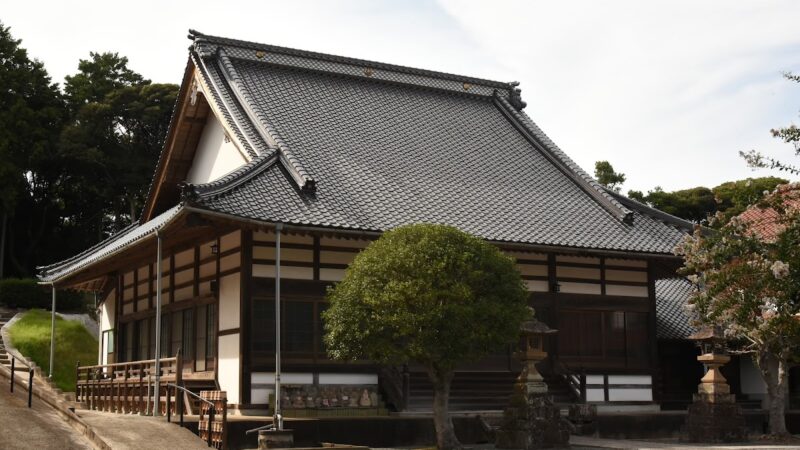
Complete Guide to Ichibata-ji Temple (Ichibata Yakushi) | The God of Eyes, Benefits, Access, and Highlights in Izumo City, Shimane Prefecture
Ichibata-ji Temple, located in Izumo City, Shimane Prefecture, is an ancient Tendai sect temple affectionately known as “Ichibata Yakushi.” Known nationwide as “Yakushi-sama of the Eyes,” it boasts a history of over 1300 years as a sacred site where worshippers praying for healing from eye diseases constantly visit. This article comprehensively introduces information you should know before visiting Ichibata-ji Temple, including its history, benefits, highlights within the temple grounds, annual events, and access methods.
What is Ichibata-ji Temple (Ichibata Yakushi)?
Ichibata-ji Temple is a Tendai sect temple located in Kojima-cho, Izumo City, Shimane Prefecture. Its official name is “Iōzan Ichibata-ji.” Located on the summit of Mt. Ichibata, approximately 200 meters above sea level, on the northern shore of Lake Shinji, this temple is known for its spectacular views of Lake Shinji and the Izumo Plain.
It is nationally famous as the “Yakushi-sama of the Eyes,” attracting worshippers from all over Japan who pray for healing from eye diseases and restoration of eyesight. It is also revered as the “Buddha of the Safe Growth of Children,” where people pray for the healthy development of their children.
Ichibata-ji Temple’s Sect and Principal Image
- Sect: Tendai Sect
- Principal Image: Yakushi Nyorai (Medicine Buddha)
- Mountain Name: Iōzan (Iōzan)
- Official Name: Iōzan Ichibata-ji Temple
The principal image, Yakushi Nyorai, has been worshipped since ancient times as a Buddha who heals illness and suffering, and is particularly believed to have miraculous powers for treating eye diseases.
History and Origin of Ichibata-ji Temple
Legend of its Founding
Ichibata-ji Temple is said to have been founded in the early Heian period, in the 6th year of Kanpyō (894 AD). The legend surrounding its founding is as follows:
A fisherman named Yoichi was fishing in Lake Shinji one day when a statue of Yakushi Nyorai (Medicine Buddha) got caught in his net. Though puzzled, Yoichi took the statue home and respectfully enshrined it. That night, Yakushi Nyorai appeared to Yoichi in a dream and instructed him to “enshrine me on Ichibata Mountain.”
Following the instruction, Yoichi built a small shrine on Ichibata Mountain and enshrined the statue of Yakushi Nyorai. This is considered the beginning of Ichibata-ji Temple. Later, ascetic monks gathered in the area, and it gradually developed into a temple.
The Beginning of the Faith as the “God of Eyes”
Ichibata-ji Temple became known as the “Yakushi Buddha of Eyes” due to an event during the Edo period.
A story spread that a blind monk stayed overnight at Ichibata-ji Temple to pray, and after earnestly praying to Yakushi Nyorai (the Medicine Buddha), his sight was restored. Following this miraculous event, worshippers seeking healing from eye diseases began to visit from all over Japan, and the temple became nationally known as the “Yakushi Buddha of Eyes.”
Historical Development and the Present
During the Edo period, the temple received patronage from the Matsudaira family, the lords of the Matsue domain, and was granted temple lands, leading to its development. Although affected by the anti-Buddhist movement of the Meiji era, it survived thanks to the deep faith of the people and continues to this day.
In the Showa era, the main hall and other buildings were renovated, and today, it is one of the leading Yakushi pilgrimage sites in the Chugoku region, welcoming many worshippers throughout the year.
Historical Development and the Present
During the Edo period, the temple received patronage from the Matsudaira family, the lords of the Matsue domain, and developed, including being granted temple lands. Although affected by the anti-Buddhist movement of the Meiji era, it survived thanks to the strong faith of the people and continues to this day.
In the Showa era, the main hall and other buildings were renovated, and today, it is one of the leading Yakushi pilgrimage sites in the Chugoku region, welcoming many worshippers throughout the year.
Benefits and How to Visit Ichibata-ji Temple
Main Benefits
The main benefits believed to be received at Ichibata-ji Temple are as follows:
- Healing of Eye Diseases and Restoration of Vision: This is the most famous benefit, believed to have miraculous efficacy in curing all eye diseases and vision problems, including cataracts, glaucoma, nearsightedness, and presbyopia.
- Safe Growth of Children: The temple is also worshipped as a Buddha that protects the healthy growth and safety of children.
- Healing of Illness: Yakushi Nyorai is the Buddha of medicine, and is believed to have benefits in curing illnesses other than eye diseases.
- Protection from Misfortune and Good Fortune: Benefits that ward off various misfortunes in life and bring good fortune.
How to Visit
There are several procedures for visiting Ichibata-ji Temple.
- Purify yourself at the water basin: First, purify your hands and mouth at the water basin at the entrance.
- Worship at the main hall: At the main hall, clasp your hands together in prayer to Yakushi Nyorai (Medicine Buddha) and silently recite your wish.
- Visit the Hall of 84,000 Buddhas: If you have time, visit the hall where 84,000 Buddha statues are enshrined.
- Offer an eye-shaped votive tablet: If you wish for healing from an eye disease, write your wish on an eye-shaped votive tablet and offer it.
- Receive a protective amulet: Various items are available, including amulets to protect eye health.
Special ways of worship
Thousand-day pilgrimage: There is an ancient custom of continuing to worship for a thousand days until an eye disease is cured. For those coming from far away, it is considered important to worship with sincerity.
Eye amulet: At Ichibata-ji Temple, a special amulet to protect eye health is given out. Keep it safe by placing it in your glasses case or wearing it.
Guide to Ichibata-ji Temple Grounds and Highlights
Ichibata-ji Temple grounds boast numerous attractions where historical buildings and beautiful nature harmonize.
Main Hall (Yakushi Main Hall)
The Main Hall is the central building of Ichibata-ji Temple, housing the principal image, Yakushi Nyorai (Medicine Buddha). The hall is enveloped in a solemn atmosphere and attracts many worshippers. Lake Shinji can be seen from the Main Hall, and the view at sunset is particularly spectacular.
Eighty-Four Thousand Buddha Hall
As its name suggests, the Eighty-Four Thousand Buddha Hall houses eighty-four thousand small Buddha statues. This represents the number of worldly desires in Buddhism, embodying the wish to save all people from their desires. A walk through the hall offers a mystical experience surrounded by countless Buddha statues.
Three-Storied Pagoda
The three-storied pagoda, towering over the temple grounds, is a symbolic presence at Ichibata-ji Temple. The beautiful vermilion pagoda contrasts stunningly with the surrounding greenery, making it a popular photo spot. ### Ichibata Yakushi Bell Tower
The bell tower houses a large temple bell, which visitors can ring (restrictions apply depending on the time of day and events). The sound of the bell resonates through the mountains and is believed to have a purifying effect on the mind.
1300 Stone Steps (Approach)
The traditional approach to Ichibata-ji Temple consists of 1300 stone steps leading from the foot of the mountain. While a road has been built, many visitors still climb the steps for spiritual practice or to make wishes. There are rest areas along the steps, allowing climbers to ascend at their own pace.
The sense of accomplishment upon reaching the top and the magnificent view of Lake Shinji from the temple grounds are exceptional.
View from the Observation Deck
Because Ichibata-ji Temple is located on a mountaintop approximately 200 meters above sea level, magnificent views can be enjoyed from various points within the temple grounds. The observation deck, in particular, offers a panoramic view of Lake Shinji, and on clear days, even Mount Daisen can be seen.
At dusk, the sunset over Lake Shinji is beautiful and has been selected as one of “Japan’s Top 100 Sunsets.”
Gardens and Nature
The temple grounds feature well-maintained gardens where visitors can enjoy seasonal flowers and autumn foliage. It is especially crowded with tourists during the cherry blossom season in spring and the autumn foliage season.
Annual Events and Festivals at Ichibata-ji Temple
Ichibata-ji Temple hosts various religious ceremonies and seasonal events throughout the year.
Annual Events and Festivals at Ichibata-ji Temple ### Main Annual Events
- January 1st-3rd: First Shrine Visit of the Year: The temple is bustling with worshippers praying for good health and protection from illness in the new year.
- January 8th: Yakushi Nyorai Festival: While the 8th of each month is a festival day for Yakushi Nyorai, the January festival is especially grand as it is the first Yakushi festival of the year.
- April 8th: Hana Matsuri (Buddha’s Birthday Festival): A festival celebrating the birth of Buddha.
- August 8th: Grand Festival: The largest festival at Ichibata-ji Temple, attracting many worshippers.
- Autumn: Maple Leaf Festival: A special event timed to coincide with the autumn foliage season.
- December 31st: New Year’s Eve Bell Ringing: You can ring the bell to signal the end of the year.
Monthly Festival Days
On the 8th of each month, which is a festival day for Yakushi Nyorai, a special Buddhist service is held. It is believed that visiting the temple on this day brings greater blessings.
How to Access Ichibata-ji Temple
Since Ichibata-ji Temple is located on a mountaintop, it is important to check the access methods in advance.
Access by Public Transportation
Using Trains and Buses
- Using Ichibata Railway:
- Get off at Ichibata-guchi Station on the Ichibata Railway Kita-Matsue Line
- Take the Ichibata Bus bound for Ichibata Yakushi from the station (approximately 10 minutes)
- Get off at the Ichibata Yakushi bus stop and it’s a short walk.
- Using JR:
- Get off at Izumo-shi Station or Matsue Station on the JR San’in Main Line
- Take the Ichibata Bus or a taxi (approximately 30-40 minutes)
Important Note: Since the number of buses is limited, it is recommended to check the timetable in advance. Especially on weekdays, there are fewer buses, so please be careful.
Access by Car
Access by car is the most convenient.
- From Izumo IC on the San’in Expressway: Approximately 25 minutes
- From Matsue city center: Approximately 30 minutes via National Route 431
- From Izumo city center: Approximately 30 minutes
Car Navigation Settings:
- Address: 803 Kojima-cho, Izumo City, Shimane Prefecture
- Phone Number: 0853-67-0111
Parking Information
Ichibata-ji Temple has a free parking lot for visitors.
- Capacity: Approximately 200 cars
- Fee: Free
- Location: You can drive up to near the main hall.
Large buses can also park, but it gets crowded during peak seasons (New Year’s, major festivals, etc.), so early arrival is recommended.
Taxi Access
If you take a taxi, the one-way trip from Izumo City Station or Matsue Station will take approximately 30-40 minutes, and the fare will be approximately 4,000-6,000 yen.
Notes and Manners for Visiting the Temple
Clothing
- As the temple is located on a mountaintop, comfortable clothing that allows for easy temperature adjustment is recommended.
- If climbing the stone steps, please wear comfortable walking shoes.
- In winter, please take thorough precautions against the cold.
Visiting Hours
- Visiting Hours: Generally during the daytime (around 8:00 AM to 5:00 PM)
- Amulet Distribution Office: 9:00 AM to 5:00 PM (may vary depending on the season)
- Open all year round, but hours may change due to events.
Photography
- Photography is generally permitted within the temple grounds, but there are areas where photography is prohibited, such as inside the main hall.
- Please be considerate of other visitors.
- Commercial photography requires prior permission.
Other Manners
- Please maintain silence and avoid making noise.
- Please take your trash with you or dispose of it in the designated area.
- If you are bringing a pet, please keep it on a leash and be considerate of other visitors.
Nearby Tourist Attractions
When visiting Ichibata-ji Temple, we recommend also visiting the nearby tourist attractions.
Izumo Taisha Shrine
Located about 40 minutes by car from Ichibata-ji Temple, Izumo Taisha Shrine is nationally famous as a shrine for matchmaking. It’s a classic Shimane tourist spot, and many people visit it along with Ichibata-ji Temple.
Lake Shinji
Lake Shinji, stretching out below Ichibata-ji Temple, is one of Japan’s most famous sunset viewing spots. Promenades and parks are maintained along the lakeshore, making it a pleasant place for a stroll. You can also enjoy the lake’s delicacies, known as the “Seven Treasures of Lake Shinji.”
Matsue Castle
Matsue Castle, designated a National Treasure, is one of the 12 remaining original castle keeps. Located about 30 minutes by car from Ichibata-ji Temple, you can enjoy the atmosphere of a castle town.
Ichibata Railway
The Ichibata Railway, which can be used to access Ichibata-ji Temple, is a local railway with a charming retro atmosphere. The view from the train window along Lake Shinji is beautiful, making it popular with railway enthusiasts.
Ichibata-ji Temple’s Souvenirs and Amulets
Ichibata-ji Temple is popular for its special souvenirs related to eye health.
Eye Amulet
This is the most popular souvenir, believed to protect eye health. Its small size makes it easy to carry in a wallet or glasses case.
Ema (Votive Tablet)
There are special ema shaped like eyes, on which people write their wishes for healing eye diseases or improving their eyesight before offering them.
Goshuin (Temple Seal)
You can receive a goshuin as a memento of your visit. You can bring your own goshuincho (stamp book) or purchase one on-site. Ichibata-ji Temple’s original goshuincho are also popular.
Other Souvenirs
- Talisman (Ofuda)
- Prayer Beads
- Good Fortune Amulet
- Traffic Safety Amulet
- Academic Success Amulet
And many other types of souvenirs are available.
Accommodation and Shojin Ryori (Vegetarian Buddhist Cuisine) at Ichibata-ji Temple
Ichibata-ji Temple also operates a temple lodging (shukubo), where you can stay overnight, participate in morning services, and enjoy shojin ryori (vegetarian Buddhist cuisine).
About the Temple Lodging
- Accommodation Available: Reservations required
- Price: Approximately 8,000 yen per night with two meals (may vary depending on the season)
- Experiences Available: Morning services, Zen meditation, sutra copying, etc.
Staying at the temple lodging allows you to more deeply experience the history and faith of Ichibata-ji Temple.
Shojin Ryori (Vegetarian Buddhist Cuisine)
Ichibata-ji Temple’s shojin ryori is a healthy meal made with seasonal local ingredients. Without using meat or fish, the menu focuses on vegetables, tofu, and yuba (tofu skin), offering a purifying experience for both mind and body.
It may also be possible to enjoy shojin ryori on a day trip with advance reservations, so please inquire if you are interested.
Frequently Asked Questions about Ichibata-ji Temple
How long does it take to visit for the first time?
A typical visit takes about 30 minutes to an hour. If you plan to stroll around the grounds or climb the stone steps, it’s best to allow 2-3 hours.
Is it accessible for wheelchair users?
There is a paved path from the parking lot to the main hall, making it accessible for wheelchair users. However, some buildings and stone step areas are not barrier-free, so it’s recommended to inquire with the temple beforehand.
Can I get a Goshuin (temple stamp)?
Yes, you can receive a Goshuin during your visit. You can bring your own Goshuincho (stamp book) or purchase one on-site. Reception hours are approximately 9:00 AM to 5:00 PM.
Can I bring my pet?
Pets are generally allowed, but they must be kept on a leash and considerate of other visitors. Entry into buildings may be restricted, so please check in advance.
Can I visit Ichibata-ji Temple and Izumo Taisha Shrine on the same day?
Yes, it’s perfectly possible if you have a car. The two temples are about a 40-minute drive apart, so a common plan is to visit one in the morning and the other in the afternoon.
Summary: Key Points for Visiting Ichibata-ji Temple
Ichibata-ji Temple (Ichibata Yakushi) is a sacred site with over 1300 years of history, known as the “Yakushi Buddha of the Eyes,” attracting worshippers from all over Japan. Known not only for its blessings of healing eye diseases and restoring eyesight, the temple boasts numerous attractions, including stunning views overlooking Lake Shinji, historical buildings, and the beauty of nature throughout the seasons.
Points to Note When Visiting:
- Access: Driving is convenient, but if using public transport, check bus schedules in advance.
- Time Required: Minimum 1 hour, 2-3 hours for a leisurely visit.
- Recommended Time of Year: The cherry blossoms in spring, the autumn leaves, and the view of Lake Shinji at sunset are particularly beautiful.
- Items Offered: The eye amulet is a must-see.
- Nearby Attractions: A sightseeing plan combining Ichibata-ji Temple with visits to Izumo Taisha Shrine, Matsue Castle, etc. is recommended.
For those praying for eye health, those who want to experience Shimane’s history and nature, and those seeking peace of mind, Ichibata-ji Temple is a special place worth visiting. Please do visit and meet the “Eye Healing Buddha.”
Ichibata-ji Temple (Ichibata Yakushi) Basic Information
- Address: 803 Kojima-cho, Izumo City, Shimane Prefecture 691-0074
- Phone: 0853-67-0111
- Visiting Hours: Approximately 8:00 AM to 5:00 PM (Open all year round)
- Admission Fee: Free
- Parking: Free (Approximately 200 spaces)
- Official Website: Please check for the latest information beforehand.
We hope your visit to Ichibata-ji Temple will be a memorable and wonderful experience.