
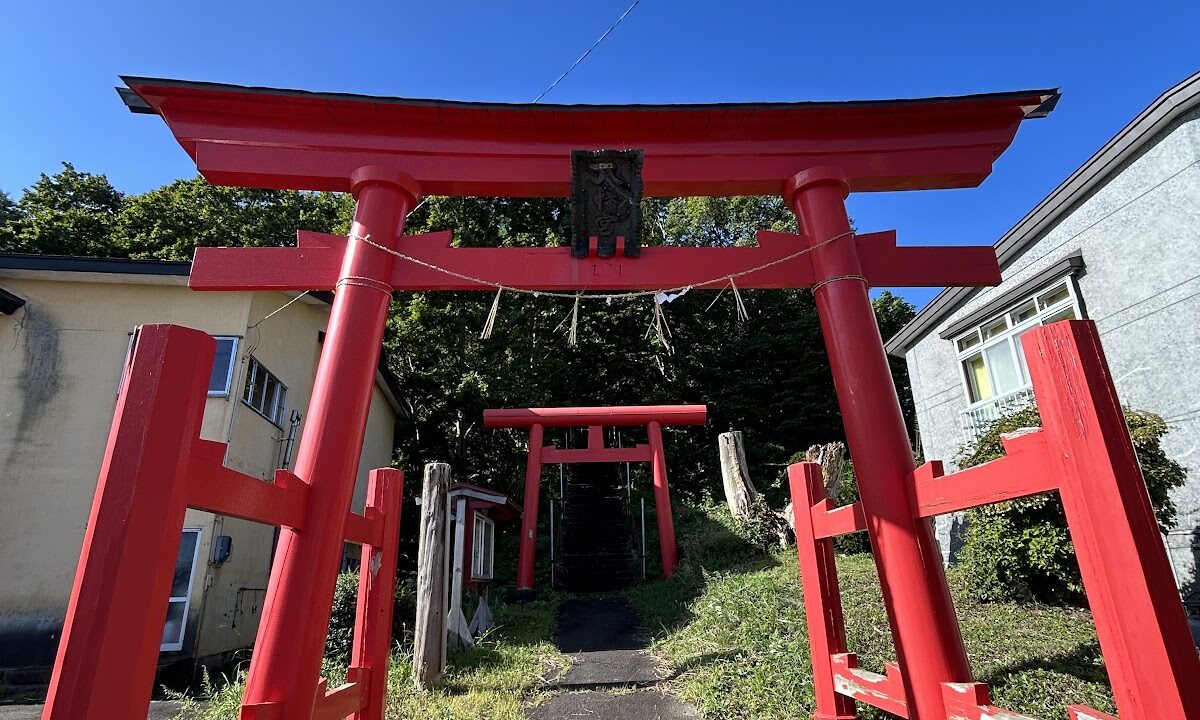
Imabetsu Hachimangu Shrine (Aomori Prefecture) Complete Guide | History, Benefits, Access, and Highlights Explained in Detail
Imabetsu Hachimangu Shrine, located in Imabetsu Town, Higashitsugaru District, Aomori Prefecture, is a historic shrine situated in a scenic location overlooking the Tsugaru Strait. This article provides detailed information useful for visitors, including the history of Imabetsu Hachimangu Shrine, its enshrined deities, benefits, highlights within the grounds, annual events, and access methods, incorporating a local perspective.
What is Imabetsu Hachimangu Shrine?
Imabetsu Hachimangu Shrine is a shrine located in Imabetsu Town, Higashitsugaru District, Aomori Prefecture, and has long been revered as the local guardian deity. Imabetsu Town, located at the northeastern tip of the Tsugaru Peninsula and facing the Tsugaru Strait, was once a thriving transportation hub connecting Tsugaru and Nanbu.
Imabetsu Hachimangu Shrine is an important presence that conveys the history and culture of this region, and is visited by many worshippers not only from the local area but also from within and outside Aomori Prefecture.
Geography and Historical Background of Imabetsu Town
Imabetsu Town is a small town with a population of approximately 2,500, located on the eastern side of the Tsugaru Peninsula, facing the Tsugaru Strait. It is close to Hokkaido, and on clear days, you can see Hokkaido across the strait.
During the Edo period, it developed as an important port town of the Tsugaru Domain and was known as a port of call for Kitamae ships. Furthermore, since the Meiji era, with the development of the Aomori-Hakodate shipping route, it has played an important role as a transportation hub connecting Honshu and Hokkaido.
History and Origins of Imabetsu Hachimangu Shrine
Origin of Founding
There are several legends regarding the founding of Imabetsu Hachimangu Shrine. According to the oldest records, Hachiman worship was introduced to this region during the late Heian period to the early Kamakura period.
Hachiman was widely worshipped by the samurai class as a god of war, and was also revered as a guardian deity of maritime safety and fishing. In Imabetsu, a region facing the harsh waters of the Tsugaru Strait, the worship of Hachiman was a natural progression.
Transition from the Medieval to the Early Modern Period
During the medieval period, the Imabetsu region was under the influence of the Ando and Nanbu clans. Later, with the unification of Tsugaru by Tsugaru Tamenobu, it became part of the Tsugaru Domain. It is believed that during this process, Imabetsu Hachiman Shrine also came under the protection of the Tsugaru Domain.
During the Edo period, in Imabetsu, which developed as a port town of the Tsugaru Domain, Imabetsu Hachiman Shrine functioned as a central shrine for praying for safe voyages and business prosperity.
Development After the Meiji Era
The Meiji-era decree separating Shinto and Buddhism forced major changes on shrines throughout Japan, and Imabetsu Hachiman Shrine was no exception. During this period, the shrine’s structure was established, and it developed into its current form.
During the Showa era, the town of Imabetsu changed dramatically with the construction of the Seikan Tunnel and the development of transportation networks, but Imabetsu Hachimangu Shrine has remained unchanged, continuing to serve as a spiritual pillar of the community.
Deities and Divine Virtues
Main Deity
The main deity of Imabetsu Hachimangu Shrine is Hachiman Okami. Hachiman Okami is a collective term for three deities: Emperor Ojin as the principal deity, Hime Okami, and Empress Jingu.
Emperor Ojin was the 15th Emperor and is revered as the god of military fortune, national protection, and industrial development.
Hime Okami is considered one of the three Munakata goddesses and is worshipped as the guardian deity of maritime safety and traffic safety.
Empress Jingu was the mother of Emperor Ojin and is known as the goddess of safe childbirth and child-rearing.
Divine Virtues (Benefits)
Imabetsu Hachimangu Shrine is believed to offer the following divine virtues:
Maritime Safety and Navigation: As a shrine in a region facing the Tsugaru Strait, it has long been revered by fishermen and sailors.
Traffic Safety: In modern times, many worshippers visit to pray for traffic safety, including safe driving.
Military Fortune and Success: As Hachiman is a god of war, it is suitable for prayers for success in competitions and passing exams.
Family Safety and Protection from Evil: As the local guardian deity, it is worshipped as a god that protects the health and happiness of families.
Safe Childbirth and Child-Rearing: Because it enshrines Empress Jingu, many worshippers visit to pray for safe childbirth and the healthy growth of their children.
Business Prosperity: Given Imabetsu’s history as a thriving port town, you can expect blessings for business prosperity.
Highlights of the Shrine Grounds
Main Hall and Worship Hall
The main hall and worship hall of Imabetsu Hachimangu Shrine are valuable structures that convey the traditional style of shrine architecture in the region. They are characterized by their robust construction, which has withstood the harsh climate of Tsugaru.
A magnificent shimenawa (sacred rope) hangs in front of the worship hall, welcoming visitors and creating a sacred atmosphere.
Torii Gate and Approach
Passing through the torii gate at the entrance to the shrine, you’ll find the approach leading to the main hall. Trees that display different appearances in each season are planted on both sides of the approach, allowing you to enjoy the beauty of the four seasons.
Especially during the fresh green of spring and the vibrant autumn foliage, the approach is beautifully colored, further enhancing the feeling of worship.
Komainu (Guardian Lion-Dogs)
The pair of guardian lion-dogs (komainu) standing before the main hall exude a dignified presence that reflects their long history of protecting this shrine. These aged stone lion-dogs are witnesses to the history of Imabetsu Hachimangu Shrine.
Subsidiary Shrines
Several subsidiary shrines are enshrined around the main hall. Each of these small shrines enshrines its own deity, reflecting the deep faith of the local community.
Shrine Office/Amulet Place
The shrine office, where you can receive goshuin (stamped seals) and amulets, is located in a corner of the shrine grounds. However, it is not always open, so it is recommended to check in advance if you wish to obtain goshuin or amulets.
Annual Events/Festivals
Grand Festival
The most important event at Imabetsu Hachimangu Shrine is the Grand Festival, held every autumn. During this festival, a portable shrine procession and offering ceremonies take place, enveloping the entire community in a festive atmosphere.
Local residents participate wholeheartedly, preserving the traditional festival format. The sight of the portable shrine parading through the town has become a quintessential autumn scene.
New Year’s Visit
Many worshippers, including local residents and those returning home for the holidays, visit the shrine for the New Year’s visit. It’s bustling with people praying for safety throughout the year and the health of their families.
Other Annual Events
Setsubun Festival: Events such as bean-throwing are sometimes held during Setsubun in February.
Spring Festival: Shinto rituals are also performed in the spring, praying for a bountiful harvest and the safety of the community.
Summer Purification Ceremony: At the end of June, the Summer Purification Ceremony is held to cleanse away the impurities accumulated over the past six months.
Year-End Purification Ceremony: At the end of December, the Year-End Purification Ceremony is held to cleanse away the impurities of the past year and prepare for the new year.
Goshuin (Shrine Seals) and Amulets
Goshuin (Shrine Seals)
At Imabetsu Hachimangu Shrine, you can receive a Goshuin. However, since there may not always be a resident priest, it is recommended that those wishing to receive a Goshuin confirm in advance by phone or other means.
A Goshuin is an important token of your visit and a way to forge a connection with the shrine. Please bring your Goshuincho (seal book) and respectfully offer your prayers before receiving your Goshuin.
Amulets and Other Items
Imabetsu Hachimangu Shrine offers various amulets and other items.
Traffic Safety Amulet: An amulet to protect the safety of cars and boats.
Family Safety Amulet: An amulet to protect the health and happiness of the family.
Academic Success Amulet: An amulet to pray for success in studies and exams.
Safe Childbirth Amulet: An amulet to pray for a safe childbirth.
Exorcism Amulet: An amulet for those in their unlucky year or those seeking protection from misfortune.
The types of amulets and their availability may vary depending on the time of year. Please contact us directly for details.
Access Information
Location
Address: Imabetsu-cho, Higashitsugaru-gun, Aomori Prefecture (Specific street number requires on-site confirmation or inquiry)
Access by Car
From Aomori City:
- Head north on National Route 280 to Imabetsu-cho
- Travel time: Approximately 1 hour 30 minutes to 2 hours
From within the Tsugaru Peninsula:
- Use National Route 280
- Head towards the center of Imabetsu-cho
Parking: Parking spaces are available around the shrine, but congestion is expected during festivals.
Access by Public Transportation
Using the JR Tsugaru Line:
- The nearest station is Tsugaru-Futamata Station (now connected to Okutsugaru-Imabetsu Station on the Hokkaido Shinkansen).
- From the station to the shrine, you can walk or take a taxi.
Using the Bus:
- There is a bus route from Aomori City towards Imabetsu Town.
- Since the number of buses is limited, it is recommended to check the timetable in advance.
Notes on Access
During winter (November to March), the Tsugaru region experiences harsh weather. Please be extremely careful of snow and icy roads, and ensure you have winter tires and adequate cold weather gear.
Since the number of public transportation services is limited, it is especially important to check the return times in advance.
Manners and Points for Visiting the Shrine
Basic Worship Etiquette
- Bow Before Passing Through the Torii Gate: Before entering the sacred area, compose yourself and bow.
- Walk along the edge of the approach to the shrine: The center of the approach is considered the path for the gods, so walk along the edge.
- Purify yourself at the water basin: If there is a water basin, purify your hands and mouth.
- Worship at the main hall: Worship using the two bows, two claps, and one bow ritual.
- Bow deeply twice
- Clap your hands twice
- Bow deeply once
Attire for Worship
No special formal attire is required, but please dress respectfully towards the gods. Avoid overly revealing or unclean clothing.
Photography
Photography is generally permitted on the shrine grounds, but it may be prohibited inside the main hall or during religious ceremonies. If you are unsure, please check with the shrine staff before taking pictures.
Nearby Tourist Attractions
Seikan Tunnel Memorial Museum
Imabetsu Town is home to the Seikan Tunnel Memorial Museum, where you can learn about the history of the construction of the Seikan Tunnel, the world’s longest undersea tunnel. A visit to the museum in conjunction with a visit to Imabetsu Hachimangu Shrine is highly recommended.
Takanozaki
Located at the eastern tip of the Tsugaru Peninsula, Takanozaki is a scenic spot offering panoramic views of the magnificent Tsugaru Strait. On clear days, you can even see Hokkaido.
Michi-no-Eki Imabetsu (Roadside Station Imabetsu)
This roadside station offers local specialties and fresh produce from Imabetsu Town. It’s also a convenient rest stop.
Horotsuki Coast
Horotsuki Coast, with its beautiful coastline, is bustling with swimmers in the summer. The contrast between the rough waves of the Tsugaru Strait and the calm cove is a major attraction.
History and Culture of Imabetsu Town
Kitamae Ships and Imabetsu
From the Edo period to the Meiji period, Imabetsu flourished as a port of call for Kitamae ships. Kitamae ships were merchant vessels that played an active role on the sea route connecting Osaka to Hokkaido, and Imabetsu was an important transit point.
This prosperity is linked to the deep faith in Imabetsu Hachimangu Shrine. Sailors and merchants prayed to the shrine for safe voyages.
Gateway to the Tsugaru Strait
Imabetsu Town has a long history as a gateway to the Tsugaru Strait, connecting Honshu and Hokkaido. From the era of the Seikan Ferry to the current era of the Seikan Tunnel, it has always played an important role in connecting Honshu and Hokkaido.
Local Traditional Events
In addition to the festivals of Imabetsu Hachimangu Shrine, Imabetsu Town has various other traditional events that have been passed down through generations. These events convey the wisdom and faith of people who have lived in a harsh natural environment.
How to Enjoy Visiting Imabetsu Hachimangu Shrine
Enjoying the Changing Seasons
Spring: The fresh greenery that sprouts as the snow melts is beautiful, making it a season full of vitality.
Summer: The shrine grounds, surrounded by lush greenery, exude a cool and refreshing atmosphere.
Autumn: The autumn leaves color the shrine grounds, making it one of the most beautiful seasons. The annual festival is also held during this time.
Winter: The silent shrine grounds, covered in snow, are enveloped in a solemn and sacred atmosphere.
Interacting with Local People
Imabetsu is a small town, but because of that, you can feel the warmth of the local people. When visiting the shrine, conversations with locals are one of the pleasures. You may hear valuable stories about the town’s history and culture.
Spending a Relaxing Time
Spending a relaxing time in Imabetsu, away from the hustle and bustle of the city, is also a major attraction of visiting the shrine. Take your time to stroll through the shrine grounds, feel the breeze from the Tsugaru Strait, and find peace of mind.
Frequently Asked Questions about Imabetsu Hachimangu Shrine
Visiting Hours
Imabetsu Hachimangu Shrine is generally open for worship during the daytime. However, there may be limited hours for receiving Goshuin (shrine stamps) and amulets at the shrine office.
Prayers and Rituals
If you wish to receive prayers for traffic safety, family safety, or protection from evil, it is recommended that you contact the shrine in advance to make a reservation. Since priests may not always be present, prior confirmation is important.
Weddings
If you wish to have a Shinto wedding ceremony, prior consultation is necessary. As a local shrine, we sometimes perform wedding ceremonies for local residents.
Accessibility
Due to the terrain and building structure, complete accessibility may not always be possible. Those wishing to visit in a wheelchair are advised to inquire in advance.
Summary
Imabetsu Hachimangu Shrine is a historic shrine located in Imabetsu Town, Aomori Prefecture. For many years, it has been a spiritual pillar of the scenic region overlooking the Tsugaru Strait, attracting the faith of local residents.
It is believed to offer various divine blessings, including maritime safety, traffic safety, and family safety, and attracts worshippers not only from the local area but also from within and outside the prefecture.
Its location at the northeastern tip of the Tsugaru Peninsula means that access takes some time, but in return, it offers a quiet environment far removed from the hustle and bustle of the city, allowing for a peaceful and tranquil visit.
When visiting Imabetsu Town, be sure to visit Imabetsu Hachimangu Shrine and experience the history and culture of the region. A visit while feeling the breeze of the Tsugaru Strait will surely be a memorable experience.
The shrine grounds, showcasing the beauty of the four seasons, the annual festival that preserves local traditions, and encounters with warm local people—imabetsu Hachimangu Shrine still embodies important things that are often forgotten in modern society.
If you ever have the opportunity to visit Aomori Prefecture, why not extend your trip a little further to Imabetsu Town? And there, you can quietly offer your prayers at Imabetsu Hachimangu Shrine.


