Inari Shrine (Mejirodai, Bunkyo-ku, Tokyo) Complete Guide | History and Visiting Information for Koshikake Inari
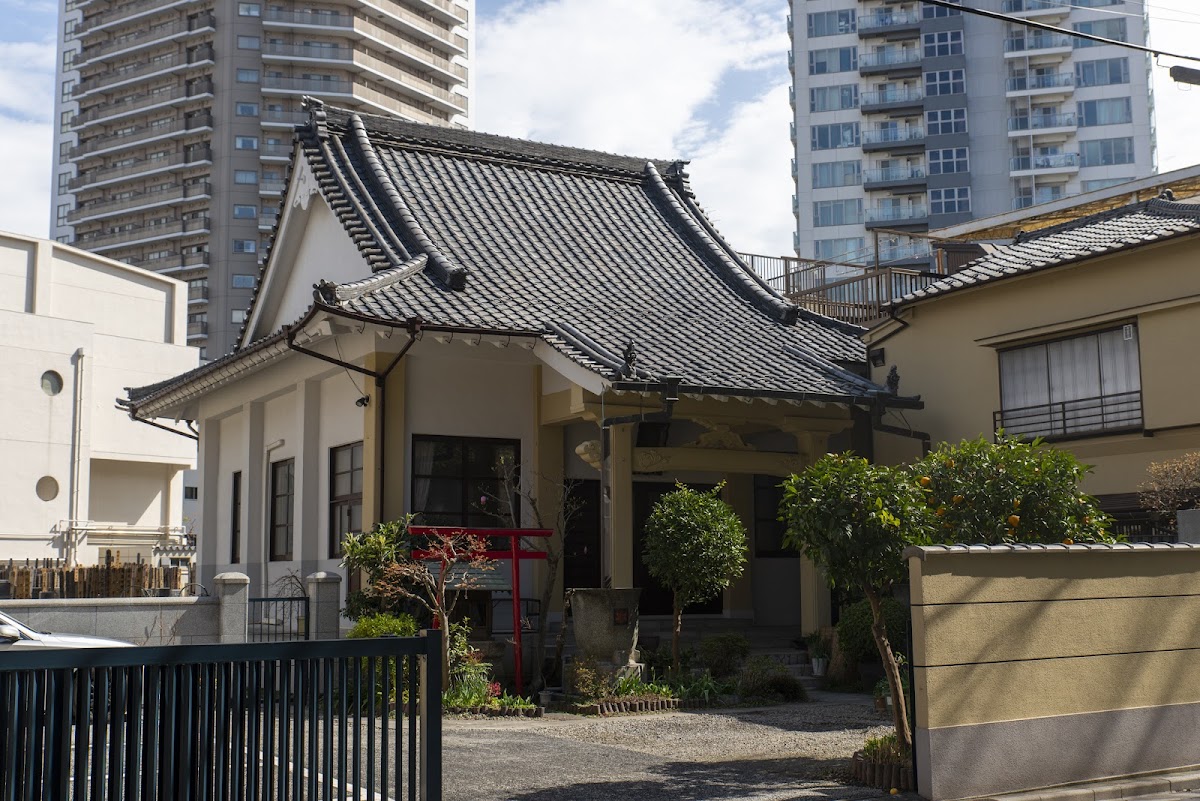
Located in Mejirodai, Bunkyo-ku, Tokyo, Koshikake Inari is a historic shrine affectionately known as “Koshikake Inari.” With deep ties to Tokugawa Iemitsu, the third shogun, this shrine, nestled in a quiet residential area, continues to attract the faith of local residents. This article provides a detailed overview of the shrine, including its history, enshrined deities, highlights within the grounds, and access information.
Basic Information on Inari Shrine (Koshikake Inari)
Location and Contact Information
Location: 3-26-1 Mejirodai, Bunkyo-ku, Tokyo 112-0015
Phone Number: 03-3945-4808
Official Name: Inari Shrine
Common Name: Koshikake Inari Shrine
Deity Enshrined
Toyouke-hime no Mikoto
Toyouke-hime no Mikoto is the goddess of food and grains, enshrined at the Outer Shrine of Ise Grand Shrine. She is believed to bestow blessings of abundant harvests, business prosperity, and industrial development, and is revered throughout Japan as the principal deity of Inari shrines.
Annual Festival Date
September 10th
The annual grand festival is held every year on September 10th, bringing together local residents to uphold the shrine’s traditions.
The Origin and History of Koshikake Inari Shrine
Deep Connection with Tokugawa Iemitsu
The origin of the name “Koshikake Inari” (meaning “sitting Inari”) dates back to the early Edo period. It is said that the third shogun, Tokugawa Iemitsu, rested in this area during a falconry expedition.
During his falconry expedition, Iemitsu rested in this area, sitting on a nearby tree stump. It is said that he paid his respects at a small shrine nearby before departing. This event left a deep impression on the local people and was passed down through generations.
The Circumstances of the Shrine’s Construction
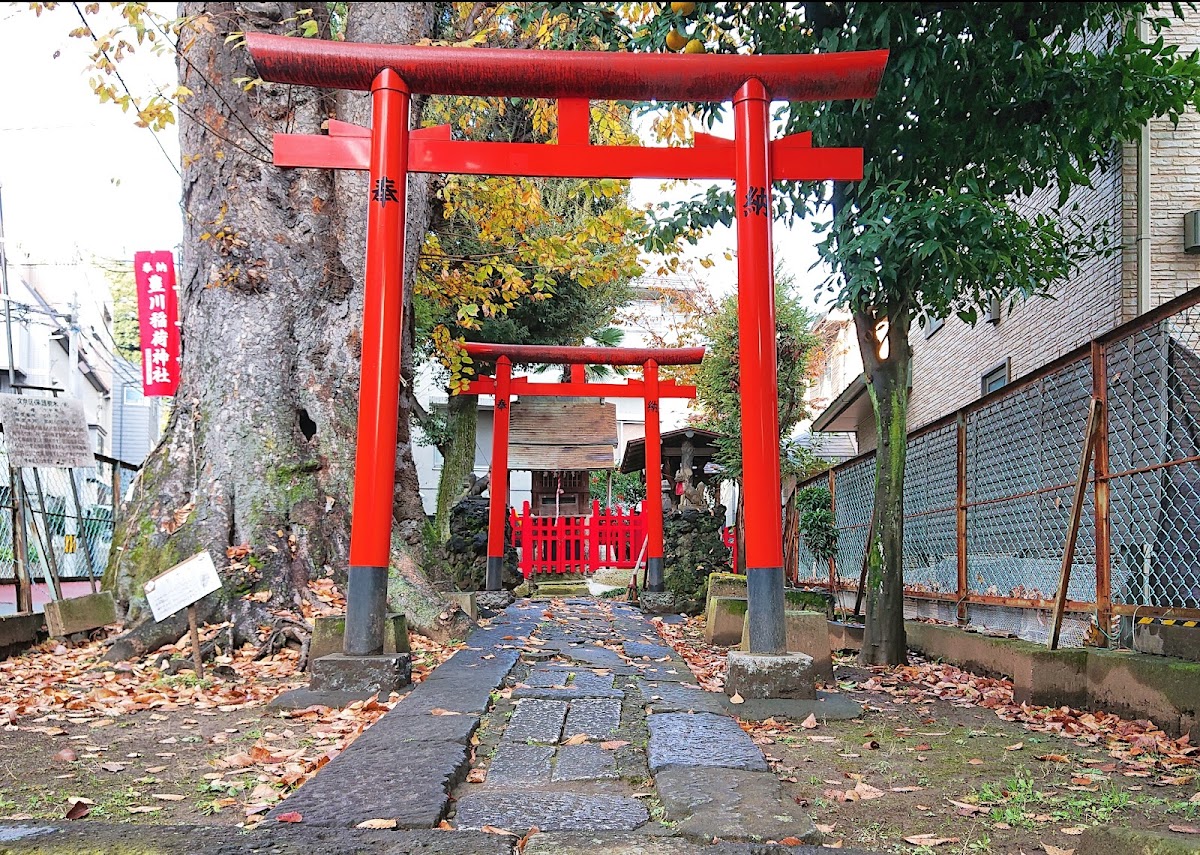
In later years, in order to pass on this tradition to the world, the villagers gathered, and neighboring residents joined forces to construct a shrine. They built a torii gate, named it “Koshikake Inari,” and began to revere it even more deeply.
While there are no precise records of the founding date, it is believed that it was originally called “Toyouke-no-Okami.” Due to the historical event of Tokugawa Iemitsu’s falconry expedition, the shrine has developed as a center of local faith.
Position in Bunkyo Ward
Bunkyo Ward has been home to many samurai residences and temples and shrines since the Edo period, making it a region rich in history and culture. Several shrines are scattered around Mejirodai, and Inari Shrine is one of them, serving as a spiritual pillar of the community.
Highlights on the Shrine Grounds
Special Natural Monument “Chrysanthemum Stone”
Within the grounds of Inari Shrine, you will find a “Chrysanthemum Stone,” designated as a Special Natural Monument. Chrysanthemum stones are rare minerals whose cross-sections exhibit patterns resembling chrysanthemum flowers, and they are highly valued as works of art created by nature.
Chrysanthemum stones are found throughout Japan, but due to their beauty and rarity, many are protected as cultural properties. When visiting Inari Shrine, be sure to see this precious chrysanthemum stone.
Atmosphere of the Shrine and Grounds
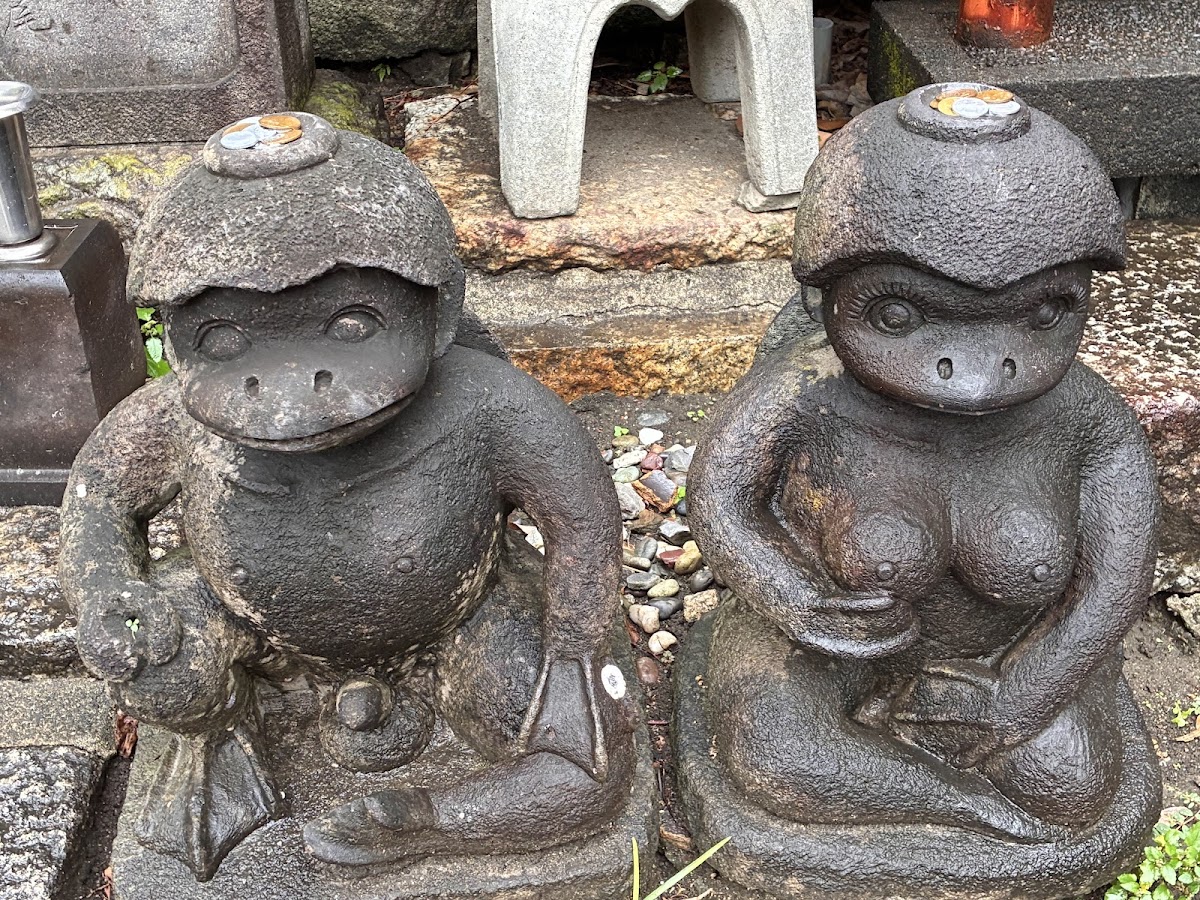
Located in a residential area, the Inari Shrine is enveloped in a tranquil atmosphere. Passing through the torii gate, you’ll find a small but meticulously maintained space.
This environment, far removed from the hustle and bustle of the city, offers a peaceful setting for worship, providing solace to many visitors even today. You can feel the weight of history as you contemplate the spot where Tokugawa Iemitsu is said to have sat.
Legend of the Tree Stump
While the tree stump where Iemitsu is said to have sat no longer exists, the legend is carefully preserved as part of the shrine’s history. Imagining the scene at that time will deepen your understanding of the shrine.
Access and Surrounding Information
Access by Train
Approximately 5 minutes on foot from Gokokuji Station on the Tokyo Metro Yurakucho Line
Gokokuji Station is on the Yurakucho Line, just two stops from Ikebukuro, and easily accessible from the Yurakucho area. Exit the station and head towards Mejirodai. After passing through the residential area, you will arrive at Inari Shrine.
Access by Bus
Approximately 5 minutes on foot from the “Mejirodai 3-chome” bus stop (Toei Bus)
Take a bus bound for Shinjuku West Exit from Mejiro Station and get off at “Mejirodai 3-chome”. The shrine is a few minutes’ walk from the bus stop.
Access by Car
Since the area around the shrine is a residential area, there is no dedicated parking lot. We recommend using public transportation. If you must come by car, please use a nearby coin parking lot.
Nearby Attractions
Gokoku-ji Temple
Within walking distance is Gokoku-ji Temple, the head temple of the Buzan branch of Shingon Buddhism. The vast grounds and magnificent main hall are well worth seeing, and visiting both Inari Shrine and Gokoku-ji Temple is recommended.
Tsurumaki Inari Shrine
Tsurumaki Inari Shrine is also located in the same Mejirodai area. This shrine was relocated around 1973 during the construction of Maison de Mejirodai. It faces north and is located on Shinobazu Street. Because it’s nestled between buildings and accessed by stairs, care must be taken not to miss it. While it’s adjacent to the grounds of Koshikake Inari Shrine, separated only by a cliff, direct access is not possible; one must ascend the stairs via the western route.
Toyokawa Inari Shrine
In the Mejirodai area, there is also Toyokawa Inari Shrine, which originated from the Toyokawa Inari enshrined at the lower residence of the Ooka family of the Iwatsuki Domain in Musashi Province during the Edo period. Located about a 2-3 minute walk from the Waseda tram stop on the Toden Arakawa Line, this shrine retains the atmosphere of a samurai residence.
Other Inari Shrines in Bunkyo Ward
In addition to Koshikake Inari Shrine, Bunkyo Ward has several other historical Inari shrines.
Shusse Inari Shrine (Hongo)
Located in Hongo, Bunkyo Ward, Shusse Inari Shrine is known as a shrine associated with Kasuga no Tsubone. It is revered as “Shusse Inari” (Shrine of Success) because Kasuga no Tsubone achieved success there, and is said to have been established in 1630. Kasuga no Tsubone’s real name was “Fuku,” and her father was Saito Kuranosuke Toshimitsu, a senior retainer of Akechi Mitsuhide. Located on a back street, it has a rather secluded atmosphere, but it is a shrine of great historical value.
Mikawa Inari Shrine
Bunkyo Ward also has Mikawa Inari Shrine, which is a popular local shrine. Each Inari shrine has its own unique history and characteristics, making a shrine tour of Bunkyo Ward an enjoyable experience.
Etiquette and Manners for Worship
Basic Worship Etiquette
- Bow Before the Torii Gate: Before entering the sacred area, bow before the torii gate.
- Purify yourself at the water basin: Purify your left hand, then your right hand, and then your mouth.
- Worship in front of the main hall: The basic procedure is two bows, two claps, and one bow.
- Bow upon leaving: When leaving through the torii gate, turn around and bow once.
Maintaining a peaceful environment
As this shrine is located in a residential area, consideration for the surrounding residents is important when visiting. Please refrain from loud conversations and noise, and worship quietly.
Regarding photography
Photography is generally permitted on the shrine grounds, but consideration for other visitors is necessary. When photographing valuable cultural assets such as the chrysanthemum stone, a special natural monument, please treat them with respect.
Inari worship and Toyouke-hime no Mikoto
History of Inari worship
Inari worship is one of the most widespread faiths throughout Japan. Originally revered as a god of agriculture and grain, over time, the deity came to be worshipped as a god with a wide range of divine virtues, including business prosperity, family safety, and the fulfillment of various wishes.
Divine Virtues of Toyouke-hime
Toyouke-hime is the goddess who presides over food and is believed to possess the following divine virtues:
- Abundant Harvest: Prayers for a bountiful harvest of crops
- Business Prosperity: Development and prosperity of businesses
- Industrial Development: Growth of all industries
- Family Safety: Health and peace of the family
- Good Fortune and Happiness: Improvement of luck and the arrival of happiness
Connection with the Community
Center of the Local Community
Inari Shrine plays an important role in the Mejirodai community. Annual events, including the annual festival, provide opportunities for local residents to gather and deepen their bonds.
Cleaning Activities and Maintenance
The shrine grounds are cleaned and maintained by local residents and parishioners. Through these daily efforts, the beautiful shrine grounds are maintained, welcoming visitors.
Cultural Value
In addition to the Chrysanthemum Stone, a Special Natural Monument, and its historical connection to Tokugawa Iemitsu, Inari Shrine also serves as a valuable cultural asset of Bunkyo Ward. It plays a role in passing on the region’s history to future generations.
Best Season for Visiting
Spring Visit
During cherry blossom season, you can enjoy the beautiful cherry blossoms at nearby Gokoku-ji Temple and other locations. A visit combined with a stroll in the pleasant spring weather is highly recommended.
Autumn Festival
The annual festival on September 10th is the most important event at Inari Shrine. It’s a valuable opportunity to participate in traditional events together with the local community.
New Year’s Visit
The shrine is also bustling with locals for their New Year’s visit. In this peaceful environment, you can convey your New Year’s resolutions to the gods.
Significance of Visiting Inari Shrines
Experiencing History
The legend that Tokugawa Iemitsu sat here offers a valuable opportunity to feel the history of the Edo period firsthand. You can reflect on the faith of the people at that time and the relationship between the shogun and the common people.
Peace of Mind
The quiet shrine grounds, away from the hustle and bustle of the city, offer time to calm your mind and reflect on yourself. It can be used as a place for mental refreshment, away from the busyness of daily life.
Understanding Local Culture
Visiting a local shrine is the first step in understanding the culture and history of the area. You can learn about the historical background of Bunkyo Ward and the nature of the local community.
Summary
Inari Shrine (Koshikake Inari), located in Mejirodai, Bunkyo Ward, Tokyo, is a historical shrine associated with Tokugawa Iemitsu. It enshrines Toyouke-hime no Mikoto and is revered by local people for its divine blessings of abundant harvests and business prosperity.
The shrine grounds are adorned with chrysanthemum-shaped stones, a special natural monument, allowing visitors to experience both history and natural beauty simultaneously. Conveniently located about a 5-minute walk from Gokoku-ji Station on the Tokyo Metro Yurakucho Line, it maintains a tranquil environment for worship despite being in the heart of the city.
Nearby are other historical temples and shrines such as Gokoku-ji Temple, Tsurumaki Inari Shrine, and Toyokawa Inari Shrine, making it an ideal stop on a Bunkyo Ward temple and shrine tour.
The address is 3-26-1 Mejirodai, Bunkyo-ku, Tokyo. For inquiries, please call 03-3945-4808. The annual festival is held on September 10th and is carefully preserved as a local tradition.
A visit to this Inari shrine offers a rich experience of feeling history, finding peace of mind, and immersing yourself in local culture. Please consider visiting.