Inari Shrine (Shimamaki Village, Shimamaki District, Hokkaido) Complete Guide | History, Access, and Surrounding Area Information
Located in Shimamaki Village, Shimamaki District, in southwestern Hokkaido facing the Sea of Japan, Inari Shrine is a shrine that attracts the faith of the local community. This article provides detailed information about Inari Shrine, from basic information and history to access methods and surrounding attractions.
Basic Information about Inari Shrine
Location and Postal Code
Inari Shrine is located at 11 Karuusudai, Shimamaki Village, Shimamaki District, Hokkaido. The postal code is 〒048-0600. Shimamaki Village belongs to the Shiribeshi region and is located in a naturally rich area facing the Sea of Japan.
Corporate Number and Registration Information
Inari Shrine is registered with the corporate number 6440005002215. This corporate number allows you to verify information as an official religious corporation. When searching for official information about the shrine, using this corporate number is reliable.
Phone Number and Inquiries
For inquiries regarding worship and festivals, we recommend contacting the Shimamaki Village Office or the Hokkaido Shrine Association. It is especially advisable to check in advance for event schedules, such as the annual festival.
About Shimamaki Village
Geography and Characteristics of Shimamaki Village
Shimamaki Village is located in the southwestern part of Hokkaido, within the jurisdiction of the Shiribeshi General Subprefectural Bureau. Facing the Sea of Japan, it is known as a region blessed with a rich natural environment. The fishing industry is thriving, and seafood such as sea urchins and abalone are particularly famous.
The village covers an area of approximately 437 square kilometers, much of which is covered by forests. Surrounded by mountains including Mt. Kariba and with clear streams flowing through it, its rich natural environment is also attracting attention as a power spot.
History and Culture of Shimamaki Village
Shimamaki Village has a long history, having been inhabited by the Ainu people. During the Edo period, it was under the control of the Matsumae Domain, and development as a fishing ground progressed. Since the Meiji era, full-scale settlement has begun, laying the foundation for the current village.
The Karuusudai district, where the Inari Shrine is located, is one of the settlements formed during this history of settlement. The shrine has long been a spiritual center for the local people, attracting their faith.
History and Origins of the Inari Shrine
Inari Faith and Hokkaido
Inari faith, originally with Fushimi Inari Taisha in Kyoto as its head shrine, is a faith that spread throughout Japan as a deity of abundant harvests and business prosperity. In Hokkaido, many Inari shrines were built from the pioneering era, playing an important role as places to pray for the stability of the settlers’ lives and the prosperity of the region.
Numerous Inari shrines exist throughout Hokkaido, each with its own unique history. The Inari Shrine in Shimamaki Village is also one of the shrines deeply connected to the region’s pioneering history.
The Role of the Inari Shrine in Shimamaki Village
The Inari Shrine in Shimamaki Village has functioned as the center of faith for local residents engaged in fishing and agriculture. As a place to pray for safety at sea, abundant catches, and bountiful harvests, it plays an important role in supporting the unity of the local community.
Festivals such as the annual grand festival are valuable opportunities for local residents to gather together and function as a place for intergenerational exchange. Even amidst depopulation, the community ties centered around the shrine are still carefully preserved.
How to Access Inari Shrine
Access by Car
The most convenient way to access Inari Shrine is by car. From Sapporo city, it takes about 3 hours and 30 minutes via National Route 230, and from Hakodate city, it takes about 4 hours via National Routes 5 and 229.
National Route 229 is a scenic route along the Sea of Japan, making the drive itself enjoyable. However, in winter, caution is necessary regarding snow and icy roads, and road closures may occur, so it is recommended to check road conditions in advance.
Access by Public Transportation
When using public transportation, the nearest train stations are Oshamanbe Station or Kuromatsunai Station on the JR Hakodate Main Line. However, bus services from these stations are limited. Since bus routes to Shimamaki Village are infrequent, it’s necessary to check the timetable in advance and plan your trip carefully.
For tourists, renting a car is a practical option. It’s important to plan your schedule with ample time, considering the local traffic conditions.
Searching with Car Navigation/Map Apps
To search for Inari Shrine, searching for “11 Karuusudai, Shimamaki Village” in car navigation or map apps will display the location. However, older models may not display the location accurately, so using Shimamaki Village Office or other major nearby facilities as landmarks is also effective.
Smartphone map apps are convenient for route searching from your current location. Since signal strength may be unstable, it’s a good idea to download maps in advance.
Inari Shrine Grounds and Highlights
Features of the Shrine Building
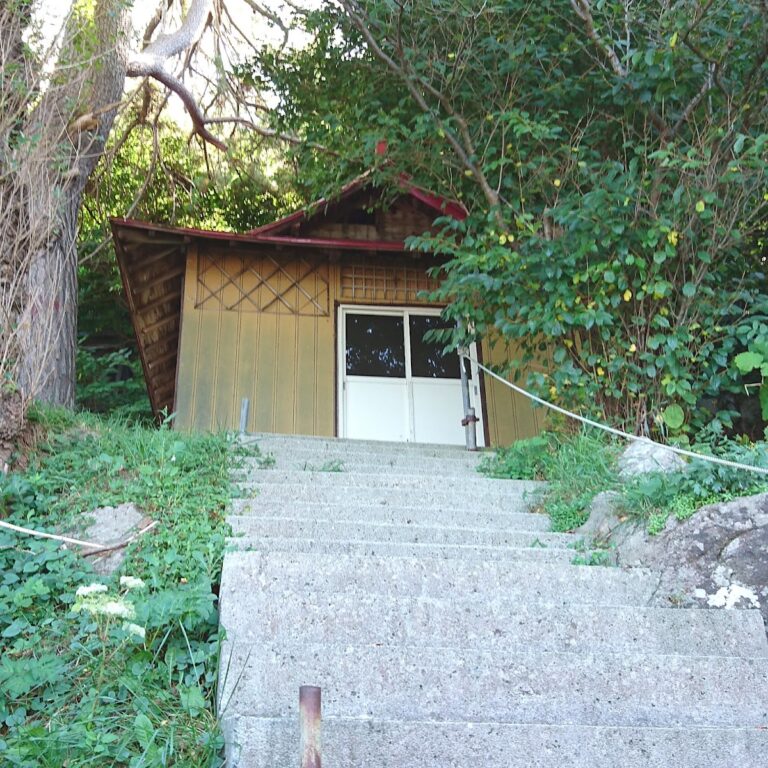
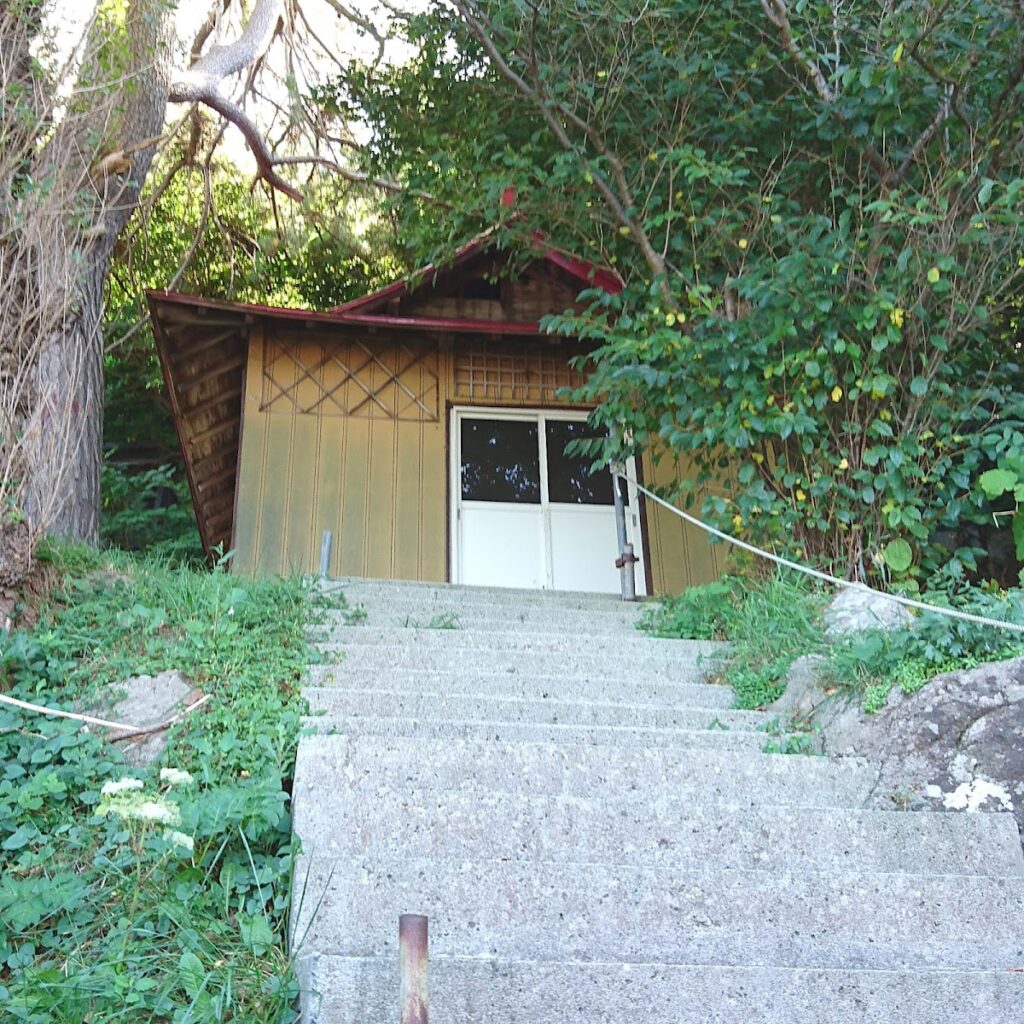
The Inari Shrine in Shimamaki Village has a simple yet sturdy shrine building, typical of local shrines in Hokkaido. The architectural style, designed to withstand harsh climatic conditions, reflects the practicality-oriented nature of Hokkaido shrines.
The shrine building is carefully maintained by the local community, with regular cleaning and repairs. The simple yet meticulously cared-for grounds speak to the deep faith of the local people.
Atmosphere of the Shrine Grounds
The shrine grounds are enveloped in a quiet and peaceful atmosphere. Surrounded by nature, the environment provides tranquility to visitors. Located away from the hustle and bustle of the city, it offers a peaceful environment for worship.
The changing scenery of the shrine grounds throughout the seasons is also a highlight. You can enjoy the beauty of each season: the fresh green of spring, the deep green of summer, the autumn foliage, and the snowy landscape of winter.
About Goshuin (Shrine Seals)
Regarding the issuance of Goshuin at Inari Shrines, it is necessary to check in advance, as there are often no resident priests. Some local shrines in Hokkaido have systems in place to issue Goshuin through nearby shrines or the Hokkaido Shrine Association.
If you wish to receive a Goshuin, we recommend contacting the Shimamaki Village Office or the Hokkaido Shrine Association. If you would like a Goshuin as a memento of your visit, please remember to check in advance.
Nearby Tourist Spots and Attractions
Natural Spots in Shimamaki Village
When visiting Inari Shrine, you will also want to enjoy the rich nature of Shimamaki Village. Chisawa River is known for its clear waters and is bustling with people enjoying river activities and camping in the summer. Its highly transparent water and beautiful valley scenery make it a true natural power spot.
Motsuta Cape is a cape jutting out into the Sea of Japan, offering a spectacular panoramic view of the magnificent ocean. On a clear day, you can see as far as the Shakotan Peninsula, and it is also known as a famous spot for sunsets. ### Shimamaki Village Roadside Station and Local Products
Michi-no-Eki Yotteke! Shimamaki is a facility where you can purchase local specialties from Shimamaki Village. Fresh seafood, local agricultural products, and processed goods are available, making it ideal for souvenir shopping. In particular, the seafood such as sea urchin and abalone are must-try delicacies when visiting Shimamaki Village.
There is also a restaurant serving dishes made with local ingredients, making it a convenient rest stop during a drive. It’s a place you’ll want to visit when sightseeing, as it allows you to fully experience the charm of Shimamaki Village.
Visiting Nearby Shrines
Several other shrines are scattered around Shimamaki Village. If you want to enjoy visiting shrines, it’s efficient to check a list of nearby shrines in advance and plan your route.
The Shiribeshi region has many historical shrines, each with its own unique history and characteristics. If you have time, visiting several shrines will allow you to gain a deeper understanding of the region’s religious culture.
Etiquette and Manners for Visiting a Shrine
Basic Way to Visit a Shrine
The basic etiquette for visiting a shrine is to bow before passing through the torii gate. Walk along the path, avoiding the center, and if there is a water basin, purify your hands and mouth. At the main hall, it is common to pray using the “two bows, two claps, one bow” method.
At Inari shrines, people often pray for a bountiful harvest, business prosperity, and family safety, but the most important thing is to express your gratitude sincerely.
Points to Note When Visiting a Shrine
When visiting local shrines, there may not be resident priests or a shrine office. Therefore, you need to be flexible and adapt to the local situation regarding the location of the offering box and visiting hours.
Understand that the cleaning and maintenance of the shrine grounds are carried out by the volunteers of the local community, and pray with respect. Always take your trash with you, and maintaining quiet is also important manners.
Photography Etiquette
Photography is generally permitted within the shrine grounds, but photography inside the shrine buildings and in sacred areas should be avoided. Also, if other visitors are present, please be mindful of their privacy when taking photos.
When posting on social media, it is important to avoid expressions that would diminish the dignity of the shrine and to strive for respectful information dissemination.
Accommodation and Dining in Shimamaki Village
Accommodation
Shimamaki Village has accommodations such as guesthouses and inns. While the number is not large, the accommodations offer warm hospitality from locals and the opportunity to enjoy fresh seafood. Reservations are recommended in advance.
Campgrounds are also available, allowing you to enjoy the outdoors during the summer. Spending time in nature will soothe your daily fatigue.
Shimamaki Village Cuisine
When visiting Shimamaki Village, you should definitely try the local seafood. Sea urchin, in particular, is a well-known specialty of Shimamaki Village, characterized by its strong sweetness and rich flavor. Abalone and Atka mackerel are fresh and delicious, and are served at local restaurants and guesthouses.
Local cuisine using local ingredients is also appealing. The simple yet flavorful dishes allow you to truly appreciate the bounty of Shimamaki Village’s rich natural environment.
Seasonal Highlights and Events
Spring at Inari Shrine
In spring, a late spring arrives in Shimamaki Village. As the snow melts, new greenery sprouts around the shrine grounds, allowing you to feel the breath of nature freed from the harshness of winter. From April to May is the season for gathering wild vegetables, and it’s a time when local people become more active.
Summer Festivals and the Bounty of the Sea
Summer is the season for the Inari Shrine’s annual festival. Specific dates may vary from year to year, so it’s recommended to check in advance. Seeing local people gather and traditional festivals taking place is a valuable opportunity to experience local culture.
Summer in Shimamaki Village is also a season for swimming and marine leisure, and it’s a time when the number of tourists increases. Combining a visit to the shrine with some seaside leisure activities would be a great idea.
Autumn Foliage and Harvest
In autumn, the surrounding mountains change color, offering beautiful autumn foliage to enjoy. From September to October, both mountain and sea delicacies are abundant, increasing the enjoyment of food.
Sometimes, Shinto rituals are held to express gratitude for the harvest, and the sight of local people giving thanks for the year’s bounty reveals the essence of Inari faith.
Winter Silence and Snowscapes
In winter, Shimamaki Village is covered in deep snow, and harsh cold sets in. The grounds of the Inari Shrine are also enveloped in snow, creating a sacred atmosphere filled with silence. While visiting the shrine in winter can be difficult, the shrine amidst the snowscape possesses a special beauty.
The Sea of Japan in winter is rough and its power is overwhelming. This season allows one to truly appreciate the significance of the shrine as a source of spiritual support for the local people in this harsh natural environment.
Hokkaido’s Inari Shrine Network
Relationship with the Hokkaido Association of Shrines
The Inari Shrine in Shimamaki Village is one of the shrines belonging to the Hokkaido Association of Shrines. The Hokkaido Association of Shrines is an organization that oversees shrines throughout Hokkaido, providing information and various forms of support.
Detailed information about the shrine and schedules of festivals can be found on the Hokkaido Association of Shrines website. Utilizing these official sources is convenient when planning a shrine visit.
Inari Shrines Throughout Hokkaido
There are numerous Inari shrines in Hokkaido. Sapporo Fushimi Inari Shrine in Sapporo City is famous for its 27 vermilion torii gates and is a popular tourist spot. Omori Inari Shrine in Hakodate City is also known as a historical shrine.
These shrines, while each having different histories and characteristics, are connected by the common foundation of Inari worship. When traveling in Hokkaido, visiting various Inari shrines will allow you to discover the differences in the pioneering history and culture of each region.
Utilizing Shrine Lists
If you want to comprehensively learn about shrines in Hokkaido, it’s convenient to use the shrine lists on the Hokkaido Shrine Association website or shrine search sites. You can check basic information such as location, postal code, and phone number in a list, which is helpful for travel planning.
By using it in conjunction with a map app, you can also find shrines near your current location. Take advantage of the convenient function that displays detailed information with a single click to enjoy an efficient shrine visit.
The Significance of Visiting the Inari Shrine in Shimamaki Village
Understanding Local Culture
Visiting an Inari shrine has meaning beyond mere sightseeing. Shrines are places where the history, culture, and lives of the people of a region are condensed. By visiting the Inari Shrine in Shimamaki Village, you can feel firsthand the history of the region’s development, the people’s faith, and the history of coexistence with nature.
Even small local shrines have their own unique stories and the feelings of the people who have protected them. Understanding this background will deepen your experience of visiting the shrine.
A Place of Peace and Power
Shrines have long been cherished as places of peace and tranquility, so-called power spots. The Inari Shrine in Shimamaki Village, nestled in a quiet environment surrounded by abundant nature, offers healing to visitors.
The time spent quietly praying amidst nature, away from the hustle and bustle of daily life, is a precious experience for modern people. Through visiting the shrine, you can gain an opportunity to confront yourself and reset your mind.
Contribution to the Community
In sparsely populated areas like Shimamaki Village, visits from tourists contribute to the revitalization of the local economy. Visiting the shrine, purchasing local products, and using accommodations are all ways of contributing to the community.
It is also important to show respect to the local people who have carefully preserved the shrine and to observe proper etiquette during your visit. The consideration of each visitor contributes to the sustainable future of the shrine and the community.
Summary: Points to Consider When Visiting Inari Shrine (Shimamaki Village)
The Inari Shrine in Shimamaki Village, Shimamaki District, Hokkaido, is a shrine that attracts the faith of the local community, situated in a naturally rich area facing the Sea of Japan. The shrine is located at 11 Karuusudai, Shimamaki Village, Shimamaki District, Hokkaido (Postal Code: 048-0600), and its corporate number is 6440005002215.
Access is most convenient by car, approximately 3 hours and 30 minutes from Sapporo and 4 hours from Hakodate. Public transportation is limited, so renting a car is recommended. When searching using a car navigation system or map app, simply enter the address.
When visiting, please observe basic shrine etiquette and show respect to the local community. If you wish to receive a Goshuin (shrine stamp), please confirm in advance. Nearby are natural spots such as the Chihaze River and Motsuta Cape, as well as tourist facilities like the Michi-no-Eki Yotteke! Shimamaki (roadside station). Visiting these together will allow you to fully enjoy the charm of Shimamaki Village.
Shimamaki Village and Inari Shrine show different faces with each season. From the fresh greenery of spring, the festivals of summer, the autumn foliage, to the snowy landscapes of winter, there are new discoveries to be made every time you visit. If you’re planning a shrine pilgrimage in Hokkaido, be sure to include the Inari Shrine in Shimamaki Village as one of your destinations. It will be a memorable pilgrimage experience where you can feel the history, culture, and power of nature of the region.