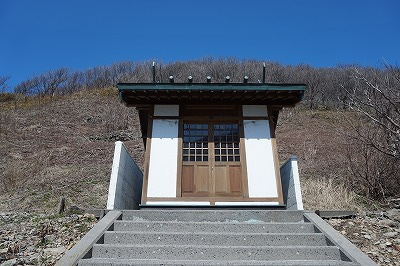
Itsukushima Shrine (Kaminai Village, Koyu District, Hokkaido) Complete Guide
Located in Kaminai Village, Koyu District, Hokkaido, Itsukushima Shrine has long been revered by local residents as the guardian deity of a small fishing village facing the Sea of Japan. It is one of the Itsukushima Shrines nationwide, with the Hiroshima Prefectural Itsukushima Shrine as its head shrine, and has played a vital role as a place to pray for safety at sea and abundant catches amidst Hokkaido’s harsh natural environment.
This article provides a detailed introduction to Itsukushima Shrine in Kaminai Village, including its historical background, enshrined deities, connection to the local community, and information on visiting.
Table of Contents
- Overview of Kamoenai Village and Itsukushima Shrine
- Deities and History of Itsukushima Shrine
- The Golden Age of Herring Fishing and the Development of the Shrine
- Highlights and Features of the Shrine Grounds
- Goshuin (Shrine Seal) and Visiting Information
- Access Methods and Surrounding Sightseeing
- History and Culture of Kamoenai Village
- Major Itsukushima Shrines in the Hokkaido Region
- Related Shrines and Temples
Overview of Kamoenai Village and Itsukushima Shrine
Geography and Characteristics of Kamoenai Village
Kamoenai Village is a village belonging to Koyu District, under the jurisdiction of the Shiribeshi General Subprefectural Bureau of Hokkaido. Located on the western side of the Shakotan Peninsula facing the Sea of Japan, it forms a small fishing village community with a population of approximately 800 people (as of 2024).
The village name originates from the Ainu word “Kamuinai” (God’s Stream), suggesting that this area has been recognized as a sacred place since ancient times. The coastline is known for its scenic beauty, characterized by towering cliffs, and the region is blessed with abundant marine resources.
The Role of Itsukushima Shrine
The Itsukushima Shrine in Kaminai Village is located in the heart of the village and has functioned as a spiritual center for the community. For residents whose livelihoods depend on fishing, it is an important place of worship where they pray for safety at sea and abundant catches, and it is also the center of the village’s festivals.
As part of the nationwide Itsukushima Shrine network, with the Itsukushima Shrine in Miyajima, Hiroshima Prefecture as its head shrine, it plays a role as a guardian deity of the sea in Hokkaido.
The Deity and History of Itsukushima Shrine
Deity: Ichikishimahime-no-Mikoto
The deity enshrined at the Itsukushima Shrine in Kaminai Village is Ichikishimahime-no-Mikoto. Ichikishimahime-no-Mikoto is known as one of the three Munakata goddesses and is worshipped as the goddess who presides over maritime safety, fishing prosperity, performing arts, and wealth.
The Munakata Three Goddesses are deities born from the oath (ukei) between Amaterasu Omikami and Susanoo-no-Mikoto, and have been revered since ancient times as goddesses of the sea and guardians of navigation. Ichikishimahime-no-Mikoto is often syncretized with Benzaiten and is worshipped as one of the Seven Lucky Gods.
History and Background of Founding
While there are limited clear records regarding the founding date of the Itsukushima Shrine in Kaminai Village, it is believed to have been established by fishermen who migrated from Honshu during the Meiji period, coinciding with the development of Hokkaido and the herring fishing industry.
Herring fishing flourished along the Sea of Japan coast of Hokkaido from the late Edo period to the Meiji era, and many fishermen migrated from various parts of Honshu. They brought their beliefs from their homeland and built shrines to pray for safety and prosperity in their new land.
Itsukushima worship is particularly prevalent in the Seto Inland Sea region and western Japan, and it is presumed that fishermen who migrated from these regions also established the Itsukushima Shrine in Kaminai Village. ### Development as a Local Belief
The Itsukushima Shrine in Kaminai Village has functioned not only as a religious facility but also as the center of the village community. Various festivals are held throughout the year, such as the spring grand festival and the autumn harvest festival, strengthening the bonds among the villagers.
Especially before setting out for herring fishing, fishermen and their families have traditionally visited the shrine to pray for safety at sea and a bountiful catch. This practice of faith has become a spiritual pillar for the fishing village community facing a harsh natural environment.
The Golden Age of Herring Fishing and the Development of the Shrine
History of Hokkaido Herring Fishing
The coast of Hokkaido along the Sea of Japan, particularly the Shiribeshi region, prospered from herring fishing from the Meiji era to the early Showa era, to the point where luxurious buildings known as “herring mansions” were constructed. Kaminai Village was one of the villages that benefited from this “golden age.”
In spring, the herring swarms to the coast to spawn, a phenomenon known as “kuki,” and the sea becomes so vast that it turns white with their numbers. During this time, migrant fishermen from all over Honshu gather, and the village population swells several times over.
The Connection Between Fishing and Faith
The success or failure of the herring catch was a crucial matter that affected the economy of the fishing village. In fishing, which is heavily influenced by natural conditions, faith in gods and Buddhas provided spiritual support to the fishermen.
Many fishermen visited Itsukushima Shrine in Kaminai Village to pray for safety before setting out to sea, for a bountiful catch, and to express gratitude upon their safe return. Especially during the spring herring fishing season, it is said that fishermen could be seen praying for the safety of their families and for a large catch.
The shrine still retains votive tablets and offerings given in gratitude for bountiful catches, testifying to the depth of faith at that time.
Shrines After the Decline of Herring Fishing
Since the 1950s, herring along the Hokkaido coast have drastically declined, becoming known as the “phantom fish.” Kaminai Village was no exception; the decline of herring fishing led to a decrease in population and a shrinking of the village’s economy.
However, Itsukushima Shrine has maintained its role as the spiritual center of the village even amidst the population decline. Currently, the remaining residents cooperate to maintain the shrine and continue efforts to preserve traditional festivals.
Highlights and Features of the Shrine Grounds
Architectural Style of the Shrine
The Itsukushima Shrine in Kaminai Village is built to withstand the Hokkaido climate with its robust construction. To withstand the harsh winter cold, strong winds, and heavy snowfall, it incorporates various features different from those found in shrines on Honshu.
Although small in scale, the shrine maintains its dignity as the center of local faith. Regular repairs are carried out, and it is carefully maintained by the local residents.
Atmosphere of the Shrine Grounds
Located overlooking the Sea of Japan, the shrine grounds possess a unique atmosphere, allowing visitors to feel the sea breeze. On clear days, one can gaze upon the blue expanse of the Sea of Japan from the grounds, enjoying a landscape befitting a shrine in a fishing village closely connected to the sea.
Within the grounds, stone monuments and memorials telling the story of the region are erected, providing clues to the history of Kaminai Village.
Seasonal Appearances
From spring to summer, the shrine grounds are lush with greenery, creating a peaceful environment for worship. In autumn, the grounds are adorned with colorful autumn leaves, and in winter, a solemn scene unfolds as the shrine stands amidst a blanket of snow.
In particular, Itsukushima Shrine in winter displays a harsh yet beautiful appearance unique to Hokkaido, leaving a deep impression on visitors.
Goshuin (Shrine Seal) and Worship Information
About Goshuin
Goshuin may be available at Itsukushima Shrine in Kaminai Village. However, since there may not be a resident Shinto priest, those wishing to receive a Goshuin (temple/shrine stamp) are advised to check with the village office or a nearby shrine in advance.
In Hokkaido, small shrines are often managed by priests who oversee multiple shrines, and depending on the timing of your visit, it may be difficult to obtain a Goshuin.
Points to Note When Visiting
When visiting Itsukushima Shrine in Kaminai Village, please note the following:
- Winter Visits: From November to March, there is heavy snowfall, and the path to the shrine may be covered in snow. If visiting in winter, please take precautions against the cold and wear non-slip shoes.
- Limitations of Public Transportation: Access to Kaminai Village is primarily by private car. Public transportation is limited, so please check transportation options in advance.
- Visiting Hours: There are no specific time restrictions, but since the surrounding area becomes dark after sunset, it is recommended to visit during daylight hours.
- Please observe proper etiquette: Although it is a small shrine, it is cherished as a place of worship for the local community. Please visit quietly and be mindful of keeping the shrine grounds clean.
Annual Festival and Festival Events
At Itsukushima Shrine in Kaminai Village, festival events are held throughout the year. During the annual festival, local residents gather for traditional Shinto rituals and offerings.
Festival dates may change from year to year, so those wishing to participate are advised to inquire with the Kaminai Village Office.
Access and Nearby Attractions
Location
Address: Kaminai Village, Koyu District, Hokkaido
Access by Car
The most convenient way to access Kaminai Village is by private car:
- From Sapporo: Approximately 150km, approximately 3 hours
- Sapporo city center → National Route 5 → Otaru city → National Route 229 (Nihonkai Oiwake Soran Line) → Kaminai Village
- From Otaru: Approximately 90km, approximately 2 hours
- Otaru city center → National Route 5 → Yoichi town → National Route 229 → Kaminai Village
- From Niseko area: Approximately 80km via National Routes 276 and 229
National Route 229 is a scenic route along the coastline of the Sea of Japan, but caution is needed regarding snow and icy roads during winter.
Access by Public Transportation
Public transportation to Kaminai Village is very limited:
- Bus: There are bus routes from Otaru City and Iwanai Town, but the number of services is limited, so you need to check the timetable in advance. You may be able to use routes operated by Hokkaido Chuo Bus.
If you are planning to visit by public transportation, we strongly recommend renting a car.
Nearby Tourist Attractions
Kaminai Village and its surrounding areas have the following tourist attractions:
Kaminai Village Local History Museum
This museum exhibits cultural heritage such as fishing gear and daily life tools from the heyday of herring fishing, as well as Kagura (traditional Shinto music and dance) and Taiko drums. It is an ideal facility for learning about the history and culture of Kaminai Village and is worth visiting in conjunction with a visit to Itsukushima Shrine.
Natural Landscapes of the Shakotan Peninsula
Kaminai Village is part of the Shakotan Peninsula, and the surrounding area is dotted with scenic spots where you can enjoy the beautiful color of the sea known as “Shakotan Blue.” Famous spots such as Cape Kamui and Shimamui Coast are within a one-hour drive.
Tomari Nuclear Power Plant PR Facility “Tomarin-kan”
Located in the adjacent Tomari Village, this facility features exhibits where you can learn about nuclear power generation. It’s approximately a 20-minute drive from Kaminai Village.
Roadside Station “Oskoi! Kamoenai”
This roadside station offers local specialties and fresh seafood from Kaminai Village. You can also enjoy dishes made with local ingredients.
History and Culture of Kaminai Village
Connection to Ainu Culture
The place name “Kamoenai” in Kaminai Village originates from the Ainu language, and Ainu people have lived in this area since ancient times. The place name “Kamuinai” (God’s Stream) indicates that this region was a sacred place for the Ainu people.
Before the full-scale settlement of Japanese people, this region was a fishing and hunting ground for the Ainu people, and a unique culture flourished here.
Settlement by Japanese and the Development of Herring Fishing
From the late Edo period to the Meiji era, settlement by Japanese from Honshu progressed. Many immigrants came from the Tohoku and Hokuriku regions, bringing with them fishing techniques and beliefs from their homelands.
During the heyday of herring fishing, Kaminai Village flourished as a vibrant fishing village, and magnificent buildings known as “herring palaces” were constructed. The Itsukushima Shrine, built and developed during this period, became a spiritual pillar of the prosperous fishing village.
Modern Kaminai Village
Present-day Kaminai Village faces the challenges of population decline and an aging population. However, community development is progressing, utilizing its rich natural environment and historical heritage.
In recent years, new regional development measures, such as considering attracting a nuclear fuel cycle facility, have been discussed, making it a noteworthy municipality, despite its small size, that is also involved in Japan’s energy policy.
Preservation of Traditional Culture
Even amidst population decline, Kaminai Village is attempting to preserve traditional festivals and cultural events. The annual festival of Itsukushima Shrine and the preservation of Kagura, a local performing art, are continued through the efforts of the villagers.
These cultural activities play an important role in maintaining regional identity and strengthening intergenerational bonds.
Major Itsukushima Shrines in Hokkaido
Besides the one in Kaminai Village, there are several other Itsukushima Shrines in Hokkaido. These were established by people who migrated from Honshu during the Meiji period and beyond, as part of the settlement of the region.
Itsukushima Shrine (Kushiro City)
Located in Kushiro City in eastern Hokkaido, Itsukushima Shrine is also known as “Kushiro Ichinomiya” and is widely worshipped as the guardian deity of Kushiro citizens. Its former shrine rank was Prefectural Shrine, and it is one of the representative shrines of the Kushiro region.
It is believed to have been founded during the Bunka era of the Edo period (1804-1818), making it one of the oldest Itsukushima Shrines in Hokkaido. The main deity enshrined here is Ichikishimahime-no-Mikoto, who is revered as the god of maritime safety, fishing prosperity, and business success.
Itsukushima Shrine (Hakodate City)
There is also an Itsukushima Shrine in Hakodate City, and it is one of the “Seven Lucky Gods of Mount Hakodate,” with a Benzaiten and Ebisu hall on its grounds. It is a well-known tourist spot in Hakodate and attracts many worshippers.
Hakodate is one of the earliest port towns in Hokkaido to develop, and various beliefs were introduced there. Itsukushima Shrine is one of them, deeply rooted in Hakodate’s history and culture.
Other Itsukushima Shrines in Hokkaido
Throughout Hokkaido, there are numerous small Itsukushima Shrines that attract local devotion. These are mainly found in fishing areas, indicating that the worship of Ichikishimahime-no-Mikoto as the goddess of the sea is widespread throughout Hokkaido.
Related Shrines and Temples
Shrines in the Shiribeshi Region
The Shiribeshi region, to which Kaminai Village belongs, is home to numerous other historical shrines:
- Sumiyoshi Shrine (Otaru City): Known as the guardian shrine of Otaru
- Itsukushima Shrine (Yoichi Town): An Itsukushima Shrine located in Yoichi Town
- Iwanai Shrine (Iwanai Town): The central shrine of Iwanai Town
These shrines also have a history dating back to the pioneering era and are revered by the local community.
Shrines Dedicated to the Munakata Three Goddesses
Ichikishimahime-no-Mikoto is one of the Munakata Three Goddesses, and numerous shrines dedicated to them exist throughout Japan:
- Munakata Taisha (Fukuoka Prefecture): The head shrine of the Munakata Three Goddesses
- Itsukushima Shrine (Hiroshima Prefecture): A World Heritage site dedicated to Ichikishimahime-no-Mikoto
- Enoshima Shrine (Kanagawa Prefecture): A representative site of Benzaiten worship in the Kanto region
By being aware of the connections to these shrines, we can gain a deeper understanding of the religious background of Itsukushima Shrine in Kaminai Village.
Summary
Itsukushima Shrine in Kaminai Village, Koyu District, Hokkaido, is a small but important shrine that embodies the history and faith of the region. From the prosperity of the herring fishing era to the present day of population decline, it has consistently functioned as a spiritual pillar for the villagers.
This shrine, dedicated to Ichikishimahime-no-Mikoto, continues to attract unwavering devotion as the guardian deity of a fishing village closely connected to the sea. When visiting Kaminai Village, be sure to pay your respects at this historic Itsukushima Shrine and experience the history of Hokkaido’s development and the vibrant culture of the fishing village.
As a place of worship for people who have lived facing the rough waves of the Sea of Japan, the Itsukushima Shrine in Kaminai Village quietly watches over the village today.