Iwakame Hachiman Shrine (Tagawa City, Fukuoka Prefecture) Complete Guide | Historic Bell and Traditional Puppet Theater
Iwakame Hachiman Shrine, located in Ikari, Tagawa City, Fukuoka Prefecture, is a venerable shrine with a history and cultural assets dating back to the Muromachi period. It is widely known for its temple bell, a prefecturally designated tangible cultural property, and the “Ikari Puppet Theater,” a prefecturally designated intangible folk cultural property that has been passed down since 1865. This article provides a detailed introduction to the history, cultural assets, visiting information, and surrounding attractions of Iwakame Hachiman Shrine.
History and Origins of Iwakame Hachiman Shrine
Iwakame Hachiman Shrine is a historically significant shrine situated on a small hill in the Ikari district of Tagawa City. While its exact founding date is unclear, the inscription on the temple bell indicates that it functioned as a center of local faith at least during the Muromachi period.
The Ikari Region and Daizenji Castle
The Ikari region is known as the site where Daizenji Castle once stood. Ooe Sadamasa, said to have been the lord of this castle, had deep ties to the Iwakame Hachiman Shrine. In 1393 (Meitoku 4), Ooe Sadamasa commissioned Yasumune, a metal caster from Kokura, to cast a temple bell, which he donated to the Iwakame Hachiman Shrine. This bell is still kept at the shrine and is carefully preserved as a Fukuoka Prefecture-designated tangible cultural property.
Connection to Hachiman Faith
As its name suggests, the Iwakame Hachiman Shrine is a shrine based on Hachiman faith. Hachiman, whose principal deity is Emperor Ojin, is worshipped nationwide as a god of military fortune and national protection. In the Tagawa region, it was deeply revered by samurai and local residents, and has been worshipped as the guardian deity of the region.
Fukuoka Prefecture Designated Tangible Cultural Property: Iwakame Hachiman Shrine Bell
The most important cultural property of Iwakame Hachiman Shrine is the temple bell, designated as a Fukuoka Prefecture Designated Tangible Cultural Property. This bell is a valuable legacy that conveys the rare medieval casting techniques found in Fukuoka Prefecture.
Details of the Bell
The Iwakame Hachiman Shrine bell has the following characteristics:
- Total Height: 84cm
- Diameter: 48.7cm
- Year of Production: Meitoku 4 (1393)
- Castor: Yasumune, a foundry worker from Kokura
- Donor: Oe Sadamasa (Lord of Daizenji Castle)
This bell is a valuable historical document demonstrating early Muromachi period casting techniques, illustrating the high level of skill among foundry workers in Kokura at that time. Foundry worker Yasumune is thought to have been a member of a group of craftsmen active in the Kitakyushu region, and this bell is a culmination of their skills. ### Historical Value of the Temple Bell
The year 1393 (Meitoku 4) falls immediately after the end of the Nanboku-cho period. The very existence of a temple bell from this period is invaluable, making it an important historical document for understanding the state of religious belief in the local community at the time, and the relationship between samurai and temples. It is presumed that Ooe Sadamasa’s donation of the bell stemmed from a prayer for peace during a time of war and a desire for the security of his territory.
Fukuoka Prefecture Designated Intangible Folk Cultural Property: “Ikari Puppet Show”
Another significant feature of Iwakame Hachiman Shrine is the “Ikari Puppet Show,” performed annually on New Year’s Day. This traditional performing art is designated as a Fukuoka Prefecture Designated Intangible Folk Cultural Property and is carefully preserved by the local people.
History of the Ikari Puppet Show
The Ikari Puppet Show is a traditional event said to have begun in 1865 (Keio 1). This performing art, which began during the turbulent period from the late Edo period to the Meiji Restoration, has been offered as a prayer for the eradication of disease and plague. Its history, passed down for over 150 years, is a testament to the strong faith and commitment to preserving the culture of the local people.
Characteristics of the Puppet Show
The Ikari Puppet Show takes the form of a three-person puppet joruri performance. The skill required for three people—the main puppeteer, the left-hand puppeteer, and the foot puppeteer—to manipulate a single puppet is highly advanced and requires years of training. The repertoire mainly consists of traditional joruri stories, beloved by the local community.
Significance of the New Year’s Day Offering
The offering, held annually on New Year’s Day, is an important Shinto ritual praying for good health and peace in the community for the new year. Many worshippers visit this event, held in the bitter cold, to appreciate the traditional performing art and offer their prayers for the new year. The fact that it continues uninterrupted even today demonstrates the strong bonds of the local community.
Grounds and Highlights of Iwakame Hachiman Shrine
Besides cultural properties, Iwakame Hachiman Shrine boasts numerous other noteworthy sights.
Approach and Stone Torii Gate
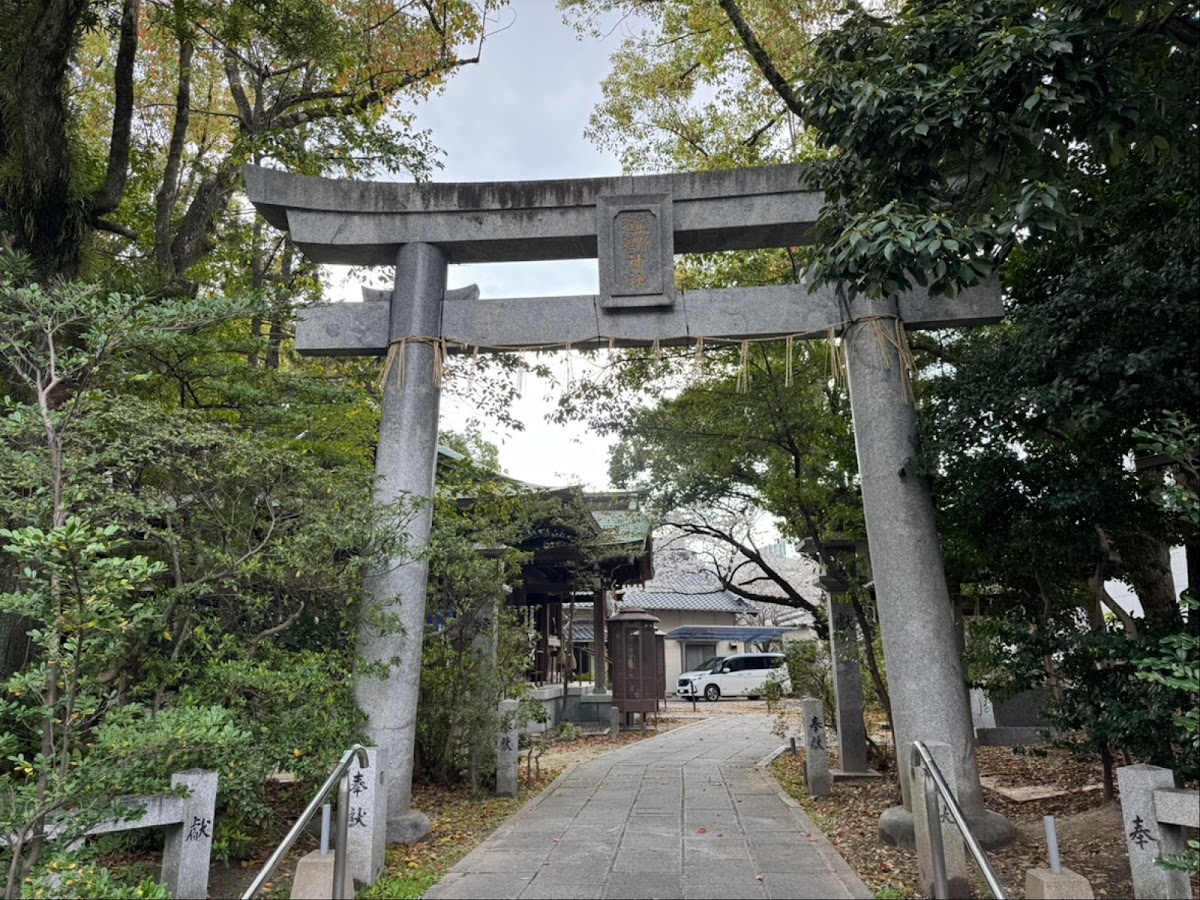
The entrance to the shrine is marked by a stone torii gate along Prefectural Road 453. Passing through this gate, a stone staircase leads up a small hill. Trees line both sides of the path, creating a quiet and solemn atmosphere. As you ascend the steps, the gradually opening view gives visitors a sense of approaching the sacred realm.
Shrine Buildings
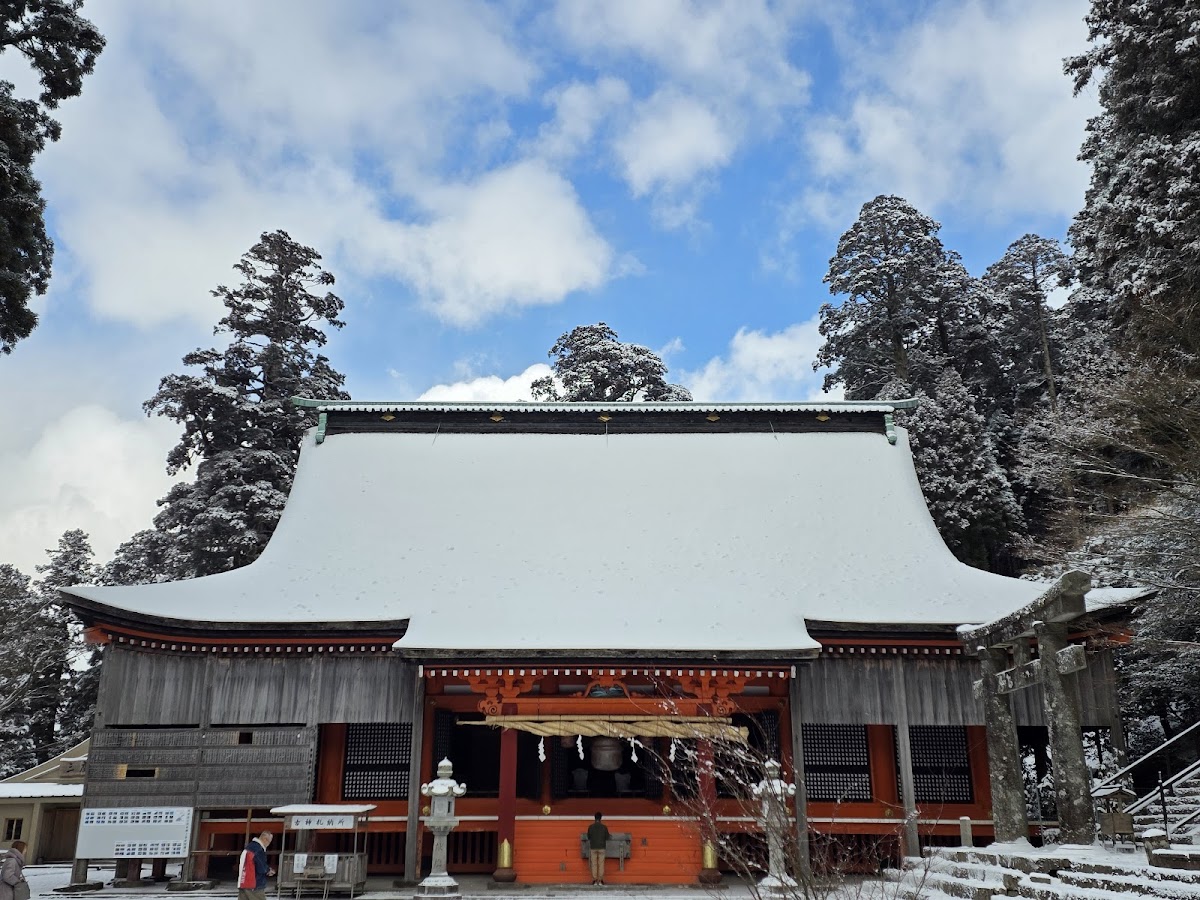
At the top of the stone steps are the main hall and worship hall. Located on a small hill, the grounds offer a panoramic view of the Ikari district, allowing one to imagine the scenery once viewed by the lord of Daizenji Castle, who ruled this area. The shrine buildings are carefully maintained by local residents, maintaining a clean and tranquil appearance.
Atmosphere of the Shrine Grounds
The grounds of Iwakame Hachiman Shrine offer a tranquil space far removed from the hustle and bustle of the city. The soothing sounds of birdsong and rustling trees create a peaceful environment perfect for worship. The sacred atmosphere is especially palpable in the early morning and at dusk.
Visiting Information and Access
Here is some basic information for visiting Iwakame Hachiman Shrine.
Basic Information
- Location: Ikari, Tagawa City, Fukuoka Prefecture
- Main Deity: Emperor Ojin (Hachiman-jin)
- Cultural Properties: Fukuoka Prefecture Designated Tangible Cultural Property (Temple Bell), Fukuoka Prefecture Designated Intangible Folk Cultural Property (Ikari Puppet Theater)
- Visiting Hours: Open all day
- Admission Fee: Free
Access
Access by Car
- Approximately 30 minutes from the Kyushu Expressway “Yahata IC”
- Approximately 25 minutes from the Higashi-Kyushu Expressway “Yukuhashi IC”
- Look for the stone torii gate along Prefectural Road 453
- Parking: Several parking spaces available near the shrine grounds
Access by Public Transportation
- Approximately 15 minutes by taxi from JR Hitahikosan Line “Tagawa-Ita Station”
- If using Nishitetsu Bus, a short walk from the nearest bus stop is required
Points to Note When Visiting Iwakame Hachiman Shrine
When visiting Iwakame Hachiman Shrine, please keep the following points in mind:
- Wear comfortable shoes as there are stone steps: You will need to climb stone steps to reach the shrine grounds.
- New Year’s Day Puppet Show: If you wish to enjoy traditional performing arts, plan your visit for New Year’s Day.
- Quiet Environment: As the shrine is adjacent to a residential area, please be mindful of quiet worship.
- Photography: Photography of cultural properties is permitted, but please do so with moderation.
History and Culture of Tagawa City and Surrounding Areas
Tagawa City, where Iwakame Hachiman Shrine is located, belongs to the Chikuhō region of Fukuoka Prefecture and is a region with a rich history and culture.
History of Tagawa City
Tagawa City has flourished since ancient times as a transportation hub. Many castles were built there in the Middle Ages, and it became the stage for fierce battles during the Sengoku period. In modern times, it developed greatly through the coal industry, contributing to Japan’s modernization as the center of the Chikuhō coalfield. Currently, efforts are being made to promote tourism by utilizing its historical heritage.
Characteristics of the Ikari District
The Ikari district is an area within Tagawa City that retains a particularly large amount of historical heritage. From the ruins of Daizenji Castle to the cultural properties of Iwakame Hachiman Shrine, there is a wealth of material that tells the story of history from the medieval to the early modern period. Furthermore, it is a region that cherishes and preserves traditional culture, as exemplified by the Ikari puppet show.
Nearby Attractions
When visiting Iwakame Hachiman Shrine, we recommend also visiting other tourist spots in Tagawa City:
Tagawa City Coal and History Museum
This museum allows you to learn about the history of the Chikuhō coalfield and gain a detailed understanding of the role of the coal industry in Japan’s modernization.
Fūji Hachiman Shrine
One of Tagawa City’s representative shrines, the “Kawawatari Shinkōsai” festival held every May is counted as one of Fukuoka Prefecture’s five major festivals.
Kawara-dake
A mountain that is a symbol of Tagawa City and has been an object of worship since ancient times. At the foot of the mountain lies the Kawara Shrine.
Annual Events of Iwagame Hachiman Shrine
Iwagame Hachiman Shrine holds various Shinto rituals throughout the year.
Main Annual Events
New Year’s Day Festival (January 1st)
This festival celebrates the New Year, and the Ikari puppet show is performed. This day sees the largest number of visitors throughout the year.
Spring Grand Festival
Held in spring, this festival prays for a bountiful harvest and the safety of the community.
Autumn Grand Festival
This festival expresses gratitude for the autumn harvest, and local people gather to perform Shinto rituals.
Daily Worship
Even on days without special events, Iwagame Hachiman Shrine is a place of daily worship for the local people. People visit during their morning and evening walks, and others come to pray at important life events such as exams or job hunting. The shrine is deeply rooted in the community in various ways.
Cultural Property Protection and Local Efforts
The cultural properties of Iwakame Hachiman Shrine are protected through the efforts of local residents.
Preservation of the Temple Bell
The temple bell, a prefecturally designated tangible cultural property, is stored in an appropriate environment and undergoes regular inspections and preservation treatments. Careful management continues under the guidance of experts to ensure that this valuable cultural property, with a history of over 600 years, is passed on to future generations.
Preservation of Ikari Puppet Theater
The preservation of Ikari Puppet Theater, an intangible folk cultural property, requires the training of successors. The community is focusing on passing on techniques to younger generations, continuing to preserve the tradition through regular practice sessions and performances. Not only puppet manipulation techniques, but also the narration of Joruri (narrative singing) and shamisen (three-stringed instrument) performance are being passed down to the next generation as a comprehensive performing art.
Role of the Local Community
The maintenance and management of Iwakame Hachiman Shrine requires the cooperation of local residents. Local people are proactively involved in various aspects, including cleaning activities, preparation for festivals, and the protection of cultural properties. Through these activities, local communities are strengthened, and the shrine has become more than just a place of worship; it’s a place that fosters community bonds.
Faith and Blessings of Iwakame Hachiman Shrine
At Iwakame Hachiman Shrine, various blessings based on faith in Hachiman are believed to be present.
Main Blessings
Long-lasting Military Fortune and Victory
Because Hachiman is a god of war, many worshippers visit to pray for success in competitions and contests.
Protection from Evil and Disaster
Just as the Ikari puppet show began as a prayer for the eradication of plagues, the shrine is also known for its blessings of protection from evil and disaster.
Family Safety and Community Safety
As a guardian deity of the community, it serves as a place to pray for the safety of families and the peace of the entire community.
Abundant Harvest
Since the time when agriculture flourished, the shrine has also been worshipped as a place to pray for a bountiful harvest.
Etiquette for Visiting a Shrine
When visiting Iwakame Hachiman Shrine, please follow the general etiquette for visiting a shrine:
- Bow before passing through the torii gate
- Avoid walking in the center of the path
- Purify your body and mind at the water basin
- Bow twice, clap twice, and bow once in front of the main hall
- Bow once again at the torii gate on your way out
Summary: The Charm of Iwakame Hachiman Shrine
Iwakame Hachiman Shrine is a treasure trove of history and culture, located in Ikari, Tagawa City, Fukuoka Prefecture. It possesses two prefecturally designated cultural properties: a temple bell dating back to the Muromachi period and a puppet show passed down from the late Edo period, preserving the region’s faith and traditions.
The quiet grounds, perched on a small hill, are ideal for escaping the hustle and bustle of everyday life and finding peace of mind. The path to the shrine, starting with the stone torii gate along Prefectural Road 453 and climbing the stone steps, offers a special experience of approaching a sacred realm. The temple bell, measuring 84cm in height and 48.7cm in diameter, was cast and donated in 1393 by Oe Sadamasa, commissioned by the Kokura metal caster Yasumune. It is a valuable cultural asset that preserves medieval casting techniques. Furthermore, the Ikari puppet show, performed annually on New Year’s Day, is a traditional art form dating back to 1865, embodying the prayers of the local people for the eradication of disease.
When visiting Tagawa City, be sure to stop by Iwakame Hachiman Shrine and experience its historical cultural treasures and the deeply rooted faith of the community. As you offer your prayers in the tranquil grounds, you will feel the history of the shrine, which has watched over the community for over 600 years, and the dedication of the people who continue to protect it.