Jibutsu-ji Temple (Mie Prefecture) Complete Guide: History, Highlights, and Access Information
Located in Tsu City, Mie Prefecture, Jibutsu-ji Temple is a Tendai sect temple with a long history. As a center of local faith and a historical cultural heritage site, it is beloved by many worshippers and history enthusiasts. This article provides detailed information you should know before visiting Jibutsu-ji Temple, including its history, highlights, and access methods.
Basic Information about Jibutsu-ji Temple
Jibutsu-ji Temple is a Tendai sect temple located in Tsu City, Mie Prefecture, and is positioned as an important religious facility in the region. Nestled in a tranquil environment, this temple is a place where one can escape the hustle and bustle of everyday life and find peace of mind, and is cherished not only by locals but also by worshippers from afar.
Temple Overview
Location: Tsu City, Mie Prefecture
Sect: Tendai Sect
Principal Image: Amida Buddha (may vary depending on the temple)
The temple name, Jibutsu-ji, means “temple that holds the Buddha,” and it has played a central role in Buddhist faith. Based on the teachings of the Tendai sect, it functions as a spiritual pillar in the local community.
History of Jibutsu-ji
Founding and Origin
Regarding the founding of Jibutsu-ji, records remain based on local historical documents and temple traditions. Like many local temples, it is highly likely that it was established during the Heian to Kamakura periods as part of the Tendai sect’s missionary activities.
The Tendai sect is one of the major Buddhist sects in Japan, founded by Saicho in the early Heian period, with Enryaku-ji Temple on Mount Hiei as its head temple. Jibutsu-ji also inherited the doctrines of the Tendai sect and contributed to the spread of Buddhist culture in the region.
Transition from the Medieval to the Early Modern Period
During the medieval period, Jibutsu-ji Temple is believed to have developed under the patronage of local samurai and powerful families. While many temples were engulfed in warfare during the Sengoku period (Warring States period), Jibutsu-ji Temple also has a history of weathering the storms of the times.
In the Edo period, under the control of temples and shrines by the Tokugawa shogunate, the temple organization was restructured. During this period, Jibutsu-ji Temple also established the danka system (parishioner system) and solidified its position as a central figure in the local community.
Progress Since the Modern Period
The anti-Buddhist movement after the Meiji Restoration affected many temples, but Jibutsu-ji Temple survived, supported by the faith of local residents. Through the Showa, Heisei, and Reiwa eras, it has continued to operate as a temple that adapts to modern society while preserving its traditions.
Highlights of Jibutsu-ji Temple
Main Hall
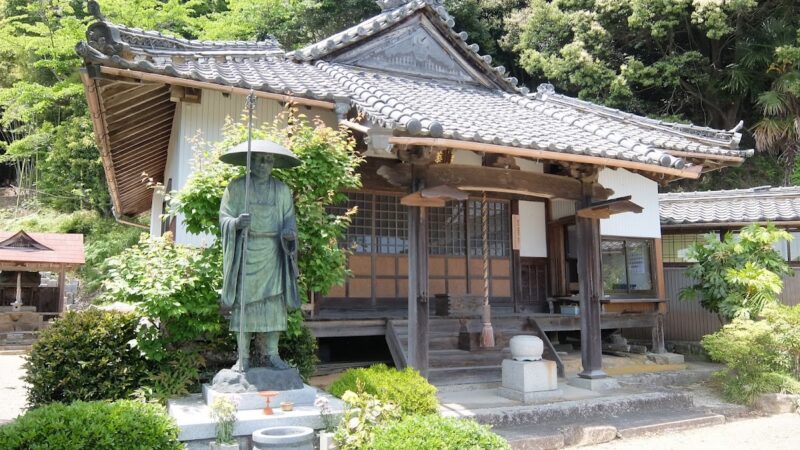
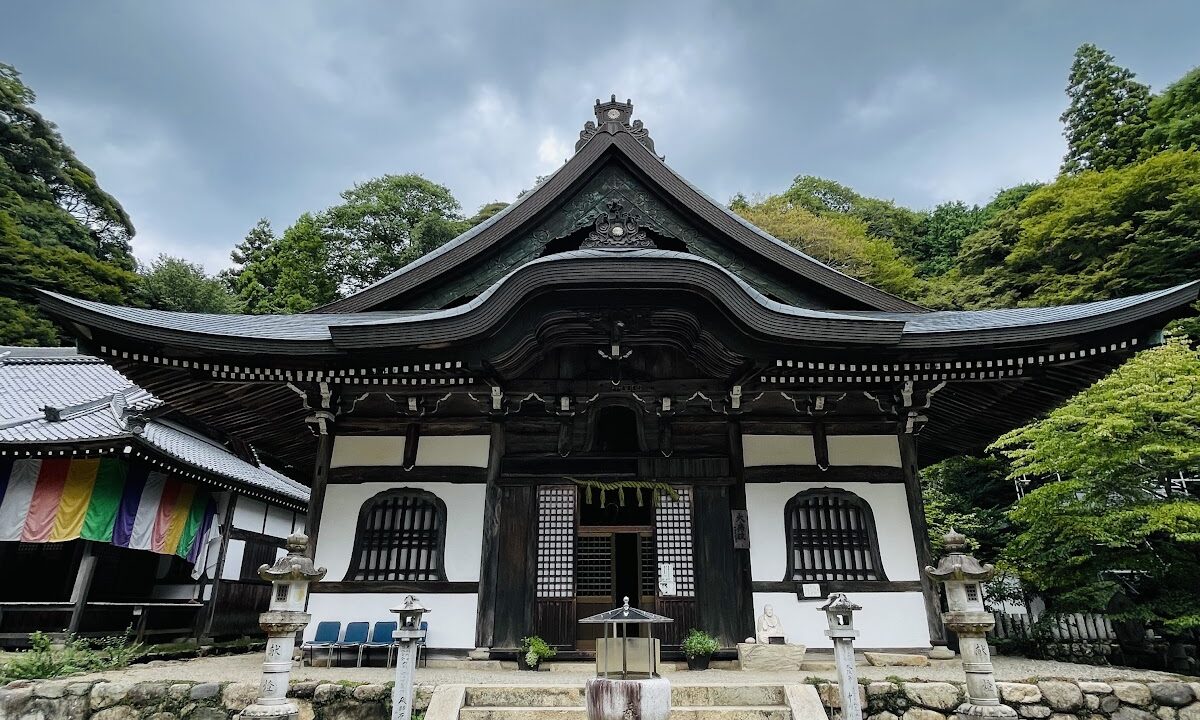
The main hall of Jibutsu-ji Temple is the central building of the temple. The main image of Buddha is enshrined inside, and daily services and religious ceremonies are held there. The architectural style exhibits characteristics of traditional Japanese architecture, allowing visitors to appreciate the beauty of wooden construction.
Inside the main hall, Buddhist statues, religious implements, and temple treasures are carefully preserved. Visitors can quietly offer their prayers and seek inner peace.
Natural Environment of the Temple Grounds
The grounds of Jibutsu-ji Temple are blessed with the beauty of nature throughout the seasons. In spring, cherry blossoms and plum blossoms bloom; in summer, lush trees provide cool shade; in autumn, the autumn leaves color the grounds; and in winter, the tranquil snowscape soothes the soul.
A stroll through the grounds allows you to refresh your mind and body in harmony with nature. The quiet environment, far from the hustle and bustle of the city, is ideal for meditation and introspection.
Stone Monuments and Stone Buddhas
Stone monuments and stone Buddhas that tell the story of history are scattered throughout the temple grounds. These were donated by past parishioners and believers, and are valuable cultural artifacts that convey the state of faith at that time.
In particular, the older stone Buddha statues have softened expressions due to weathering, possessing a unique charm that comes from the passage of time. By observing these stone structures, one can feel the history of the region and the changes in its faith.
What you can experience at Jibutsu-ji Temple
Worship and Prayers
At Jibutsu-ji Temple, in addition to general worship, various prayers are accepted. You can pray for various wishes such as family safety, business prosperity, academic success, and recovery from illness.
When visiting, first bow at the temple gate, purify your hands and mouth at the water basin, and then proceed to the main hall. Place your offering in front of the main hall, and quietly clasp your hands together and offer your prayers.
Annual Events
Jibutsu-ji Temple holds various Buddhist events throughout the year. The main events include the following:
- Hatsumode (January): The temple is bustling with worshippers praying for happiness in the new year.
- Spring Equinox Ceremony (March): A memorial service for ancestors is held.
- Obon (August): An event is held to welcome the spirits of ancestors as part of the Urabon-e festival.
- Autumn Equinox Ceremony (September): Ancestor memorial services are held, similar to the spring ceremony.
- New Year’s Eve Bell Ringing (December 31st): The bell is rung at the end of the year to dispel the worldly desires of the past year.
By participating in these events, you can experience traditional Japanese Buddhist culture.
Sutra Copying and Buddha Image Copying Experience
Some temples offer programs for sutra copying and Buddha image copying. It is recommended to inquire with Jibutsu-ji Temple in advance to see if such experiences are available.
Sutra copying is said to have the effect of calming the mind and improving concentration. By carefully copying each character, you can detach yourself from the distractions of daily life and achieve mental stability.
How to Access Jibutsu-ji Temple
Access by Public Transportation
When visiting Jibutsu-ji Temple by public transportation, it is important to check the access method from the nearest station in advance. There are Kintetsu and JR stations in Tsu City, Mie Prefecture, from which you will need to take a bus or taxi.
Examples of Access from Major Stations:
- From Tsu Station: Tsu Station on the JR Kisei Main Line and Kintetsu Nagoya Line is the nearest major station. From the station, you can take a bus or taxi.
- Bus: If using Mie Kotsu bus routes, get off at the bus stop nearest the temple and walk.
- Taxi: Taking a taxi from the station is convenient as it will take you directly to the temple.
For specific bus routes and timetables, please check the latest information on the Mie Kotsu official website.
Access by Car
If visiting by private car, the following routes are common:
Access from Major Roads:
- Ise Expressway: Access via local roads from Tsu IC or Geino IC
- National Route 23: From the major national highway passing through Tsu city, head towards the city center
- National Route 163: Use when accessing from inland areas
If using a car navigation system, search for “Jibutsuji” or the address. However, for older temples, accurate location information may not be registered, so it is recommended to check a map beforehand.
Parking Information
Jibutsuji may have parking spaces for visitors, but it is recommended to check the size and number of spaces beforehand. Especially during busy periods such as New Year’s and the equinox, the parking lot may be full.
There may also be public parking lots nearby, so it is advisable to research multiple parking options.
Manners and Precautions When Visiting a Temple
Attire
When visiting a temple, clean and subdued attire is desirable. Especially when attending a memorial service or special event, avoid flashy or revealing clothing.
Even in summer, avoid overly casual clothing such as tank tops and shorts, and bring a light jacket or cardigan.
Photography
Regarding photography on temple grounds, rules vary by temple. Generally, landscape photography is permitted, but photography inside the main hall or of Buddha statues may be prohibited.
Always check with temple staff and obtain permission before taking photos. Also, be considerate of the privacy of other visitors.
Etiquette for Visiting a Temple
The basic etiquette for visiting a temple is as follows:
- Bow at the Temple Gate: Bow before entering the temple grounds.
- Purify at the Water Basin: Purify your left hand, right hand, and mouth in that order.
- Worship at the Main Hall: Quietly offer your donation and pray with your hands clasped together.
- Bow upon Exit: Bow again when leaving the temple grounds.
It is important to worship quietly and with sincerity. Please refrain from speaking loudly or running around.
Tourist Attractions Around Jibutsu-ji Temple
Attractions in Tsu City
When visiting Jibutsu-ji Temple, you can also visit other tourist attractions in Tsu City.
Tsu Castle Ruins: The site of a castle built by Todo Takatora, now developed as a park. Parts of the stone walls and moats remain, allowing you to feel the history.
Sakakibara Onsen: A hot spring resort known for its “beauty-enhancing” properties, located relatively close to Jibutsu-ji Temple. Relaxing in the hot springs after visiting the temple is highly recommended.
Tsu Kannon (Shitenno-ji Temple): One of Japan’s three most important Kannon temples, and a representative tourist spot in Tsu City.
Gourmet Information
Tsu City boasts many delicious gourmet spots.
Tsu Gyoza: A large, famous local dish of Tsu City. These fried dumplings, about 15cm in diameter, are very filling and popular with tourists.
Eel: Many excellent eel restaurants are located around Tsu City, allowing you to enjoy fresh eel dishes.
Seafood: As Mie Prefecture faces the sea, there are plenty of restaurants serving fresh seafood.
Summary of Jibutsu-ji Temple’s Charms
Jibutsu-ji Temple, a Tendai sect temple with a long history in Tsu City, Mie Prefecture, has played a central role in the region’s faith and culture. With its tranquil grounds, historic architecture, and the beauty of nature throughout the seasons, this temple offers visitors a sense of peace and tranquility.
In modern society, temples are not merely religious institutions; they serve as spiritual havens, cultural heritage sites, and the heart of local communities. Jibutsu-ji Temple, too, is cherished by many for its multifaceted value.
If you have the opportunity to visit Mie Prefecture, please do visit Jibutsu-ji Temple. Spending quiet time here, while feeling the weight of history, you may find a peace of mind rarely found in everyday life.
Pre-Visit Information
Before visiting Jibutsu-ji Temple, we recommend checking the following points:
- Visiting Hours: Temples may have specific hours for visits.
- Admission Fee: Generally, entry to the temple grounds is free, but there may be a fee for special viewings.
- Event Schedule: On days when special ceremonies or events are held, general visits may be restricted.
- Contact Information: For detailed information and the latest status, we recommend contacting the temple directly.
Gathering information in advance will allow you to have a more fulfilling visit.
Jibutsu-ji Temple and the Local Community
The Danka System and its Connection to the Community
Jibutsu-ji Temple has deep ties to the local community through the Danka system. Danka are families who designate a specific temple as their family temple and request funeral and memorial services from it. They are an important part of supporting the temple’s economic foundation.
Local Danka maintain a relationship with Jibutsu-ji Temple for generations, cooperating in the temple’s maintenance and management, as well as the operation of its events. This reciprocal relationship symbolizes the traditional nature of local communities in Japan.
Inheritance of Local Culture
Jibutsuji Temple contributes to the inheritance of local cultural identity through Buddhist events and traditional rituals. Annual events such as Obon and Higan play an important role in the local community as cultural traditions passed down through generations.
Furthermore, the ancient documents and works of art held by the temple are valuable resources for studying local history.
About the Tendai Sect
Having basic knowledge about the Tendai sect, to which Jibutsuji Temple belongs, will make your visit more meaningful.
History of the Tendai Sect
The Tendai sect is a Japanese Buddhist sect founded in 806 during the early Heian period by Saichō (Dengyō Daishi). Saichō, who studied at Mount Tiantai in China, returned to Japan and founded Enryaku-ji Temple on Mount Hiei, spreading Tendai teachings.
The Tendai sect considers the Lotus Sutra as its fundamental scripture and preaches the “One Vehicle” doctrine, which states that all people can attain Buddhahood. It also emphasizes the meditation technique of Shikan, valuing both theoretical study and practical application.
Teachings of the Tendai Sect
The main teachings of the Tendai sect include the following:
- Perfect Teaching: The belief that all teachings are perfect and complete.
- Original Enlightenment Doctrine: The belief that all beings inherently possess Buddha-nature.
- Study of the Four Schools: The comprehensive study of Tendai, Esoteric Buddhism, Zen, and Buddhist precepts.
These teachings had a significant influence on the development of Japanese Buddhism and formed the foundation for the various sects of later Kamakura Buddhism.
Significance of Temple Visits
Spiritual Effects
Visiting temples is believed to have various spiritual effects. By calming the mind in a quiet environment and detaching oneself from daily distractions, stress reduction and peace of mind can be achieved.
Praying before a Buddha statue provides an opportunity for self-reflection and fosters gratitude and humility. ### Cultural Experience
Visiting a temple is a valuable opportunity to experience traditional Japanese culture. You can experience the aesthetic sensibilities and craftsmanship cultivated over a long history through architectural styles, gardens, Buddhist statues, and Buddhist implements.
Furthermore, through worship etiquette and annual events, you can understand the Japanese spirit and values.
Dialogue with History
Visiting an old temple is also a dialogue with people of the past. By reflecting on the thoughts of those who offered prayers in the same place hundreds of years ago, you can feel the continuity of history and your own place within it.
The Future of Jibutsu-ji Temple
The Role of Temples in Modern Society
In modern society, temples are expected to fulfill not only their role as traditional religious institutions but also new roles. They are expected to fulfill diverse functions such as spiritual refuge, community spaces, and the protection of cultural heritage.
Jibutsu-ji Temple will continue its efforts to meet modern needs while preserving tradition.
Preservation of Cultural Properties
Passing on cultural properties such as temple architecture and treasures to future generations is a crucial issue. Proper maintenance and restoration work requires specialized knowledge and significant expense.
Efforts to protect valuable cultural heritage continue in cooperation with local communities and government agencies.
Towards Open Temples
In recent years, many temples have aimed to become places open to the general public. Through various events such as sutra copying experiences, Zen meditation sessions, lectures, and concerts, they are expected to become places for exchange that transcend religion and sect.
Such initiatives may also be undertaken at Jibutsu-ji Temple. For the latest information, please contact the temple directly.
Summary
Jibutsu-ji Temple, located in Tsu City, Mie Prefecture, is a Tendai sect temple with a long history and rich culture. It is a valuable spot where you can find peace of mind in its tranquil grounds and experience traditional Japanese culture.
When visiting Tsu City, be sure to stop by Jibutsu-ji Temple and experience its history and atmosphere. Through your visit, you may find peace of mind and new insights.
We hope this article will be helpful to those planning a visit to Jibutsu-ji Temple or those interested in the history and culture of Mie Prefecture. Please check the latest information before your visit and enjoy your visit while observing proper etiquette.