Jinguji Temple (Sagae City, Yamagata Prefecture) Complete Guide | History, Goshuin (Temple Seal), Access, and Highlights
Jinguji Temple, located in Hachiman-cho, Sagae City, Yamagata Prefecture, is a Jion-shu Buddhist temple adjacent to Sagae Hachimangu Shrine. Blending seamlessly into the quiet townscape, this temple has a long history as a center of local faith. This article comprehensively provides useful information for visitors, from the historical background of Jinguji Temple to information on visiting and nearby attractions.
Basic Information about Jinguji Temple
Jinguji Temple is located at 1-22 Hachiman-cho, Sagae City, Yamagata Prefecture, and belongs to the Jion-shu sect. Situated at the entrance to Sagae Hachimangu Shrine, it is a valuable example of the syncretism of Shinto and Buddhism.
Location and Access
Address: 1-22 Hachiman-cho, Sagae City, Yamagata Prefecture
Nearest Station: Approximately 15 minutes on foot from Nishi-Sagae Station on the JR Aterazawa Line (Fruit Line Aterazawa Line)
Access by Car: Approximately 5 minutes from the Sagae Interchange on the Yamagata Expressway. It is also close to the center of Sagae city. Parking is available at the Sagae Hachimangu Shrine’s visitor parking lot.
Visiting Hours and Admission Fee
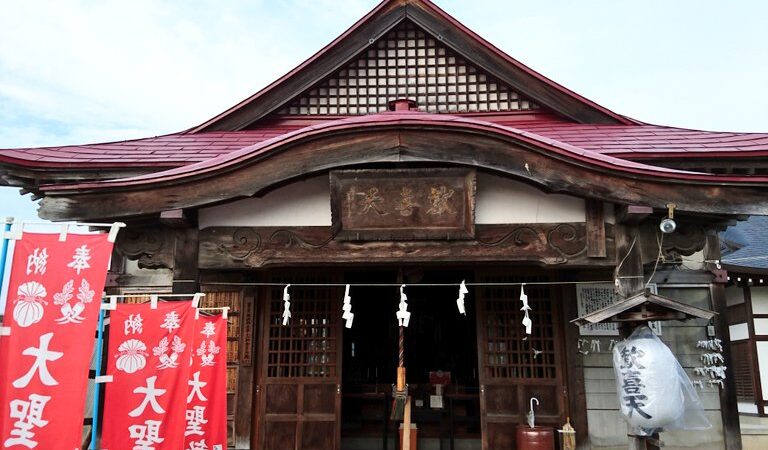
Jinguji Temple is generally open to the public. The main hall is usually closed, but the Kaiun-do Hall, which enshrines Monju Bodhisattva, is open for worship. For those wishing to receive a Goshuin (temple stamp) or detailed worship instructions, it is recommended to contact the temple in advance.
History and Origins of Jinguji Temple
Deep Relationship with Sagae Hachimangu Shrine
Jinguji Temple, as a temple adjacent to Sagae Hachimangu Shrine, has had a close relationship with Hachiman worship since the era of syncretism of Shinto and Buddhism. It is highly likely that it functioned as the head temple of the Hachiman Shrine, preserving a unique Japanese form of faith where shrines and temples coexist.
Sagae Hachiman Shrine is a historically significant shrine where Minamoto no Yoriyoshi and his son Yoshiie are said to have prayed for victory during the Former Nine Years’ War, and it is believed that Jinguji Temple also played a part in its history. Even after the Meiji-era separation of Shinto and Buddhism, both have remained adjacent to each other, deeply rooted in the region as places of worship.
About the Jion Sect
The Jion Sect, to which Jinguji Temple belongs, is a sect that originated from the Hossō sect and is a branch of Buddhism based on the Yogacara philosophy. It is a rare sect nationwide, and only a limited number of temples in Yamagata Prefecture belong to it. This rarity can be said to be one of Jinguji Temple’s characteristics.
Buddhist Culture of the Sagae Region
Sagae City is a region rich in Buddhist culture, with many temples scattered throughout, including Nagaoka Kannon Chōnenji Temple, the 16th temple of the Mogami Thirty-Three Kannon Pilgrimage. Jinguji Temple also holds an important place in the history of faith in this region and has functioned as a spiritual pillar for the local residents.
Highlights of Jinguji Temple
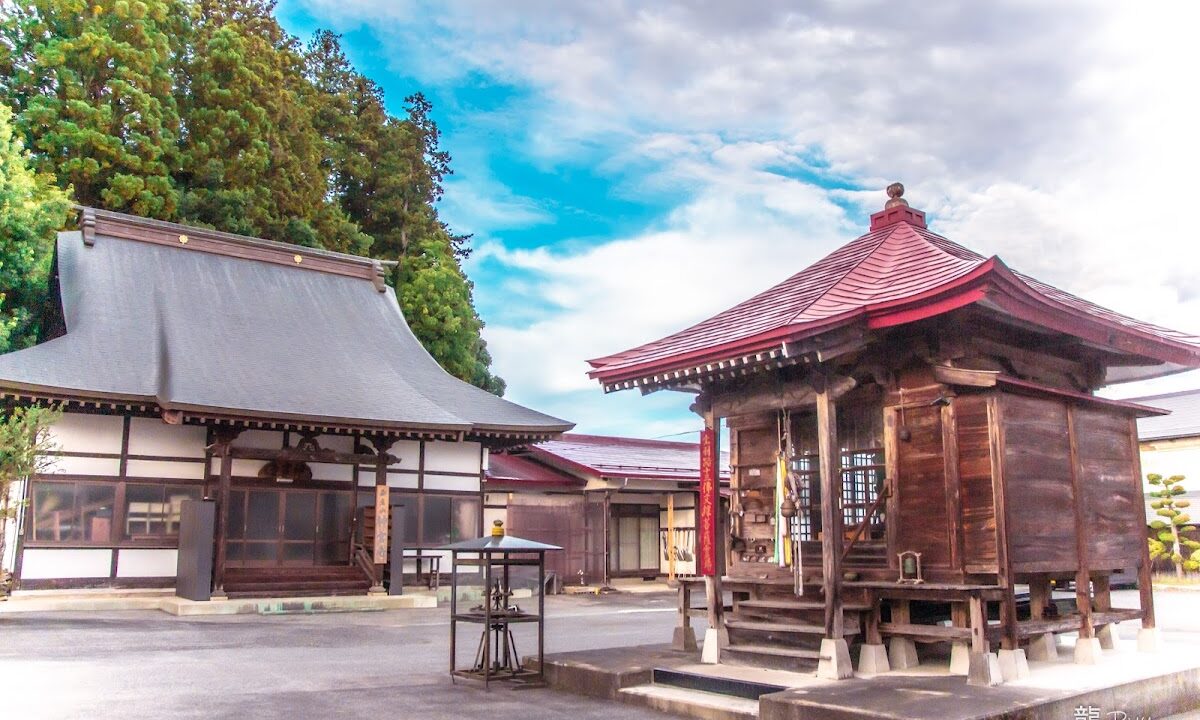
Manjushri Bodhisattva’s Luck-Bringing Hall
Within the grounds of Jinguji Temple is the Luck-Bringing Hall, which enshrines Manjushri Bodhisattva. Manjushri Bodhisattva is widely worshipped as the Buddha who presides over wisdom, and many worshippers visit to pray for academic success and passing exams. As the proverb “Three heads are better than one” suggests, many people visit this Buddha when they want to solve difficult problems or receive wisdom.
The Luck-Bringing Hall is often open to worship even when the main hall is closed, making it a popular place to visit casually. Putting your hands together in prayer in the tranquil atmosphere may bring peace of mind and new insights.
Atmosphere of the Main Hall and Grounds
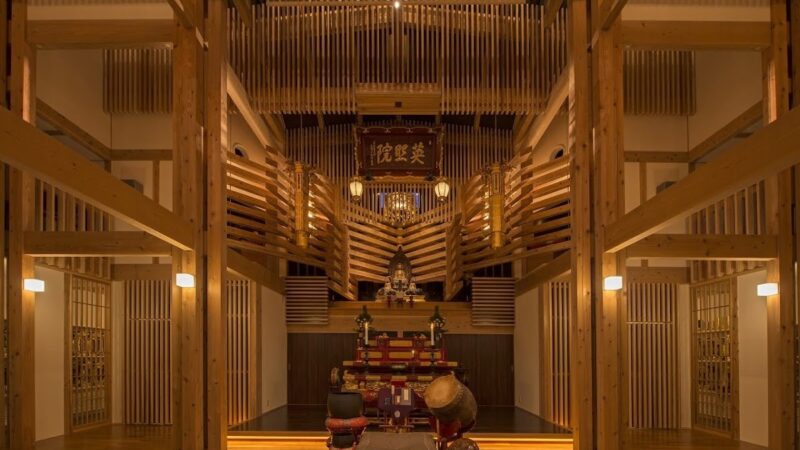
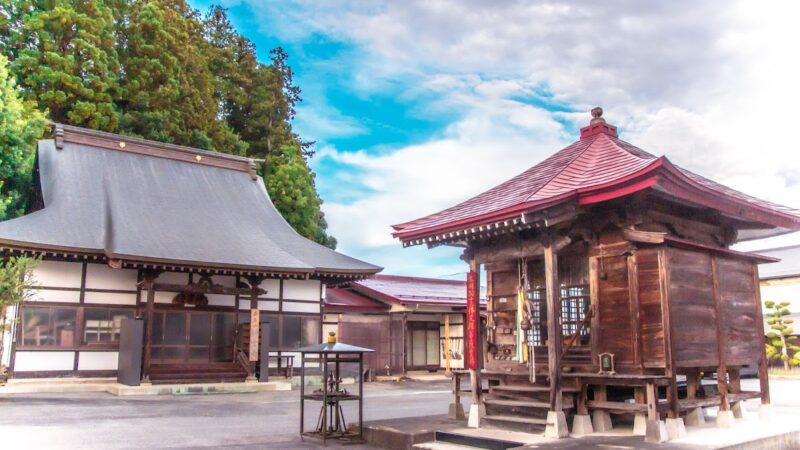
The main hall of Jinguji Temple is a wooden building that evokes a sense of history and blends seamlessly into the quiet townscape of Sagae. The temple grounds are well-maintained, and a cemetery is also located on the premises, so you can see local residents visiting to pay their respects to their ancestors.
The trees on the grounds change their appearance with the seasons; cherry blossoms in spring and autumn leaves in fall delight visitors. Visiting both this temple and Sagae Hachimangu Shrine will allow you to experience firsthand the history of Shinto-Buddhist syncretism.
Characteristics of Temple Architecture
The architectural style of Jinguji Temple exhibits characteristics of traditional temple architecture in the Tohoku region. The steeply pitched roofs, characteristic of snowy regions, the sturdy construction that withstands wind and snow, and the simple yet dignified appearance are all features unique to a temple deeply rooted in the community over many years.
Information on Goshuin (Temple Seals)
Regarding the Issuance of Goshuin
Jinguji Temple does issue Goshuin (temple seals), but since there may not always be a resident monk, it is recommended to contact the temple in advance if you wish to be sure to receive one. Goshuin are cherished by many as proof of the temple’s history and their visit.
Characteristics of the Goshuin (Temple Seal)
The Goshuin of Jinguji Temple features the temple’s name and the name of the principal deity written in ink, along with the temple’s seal. As it belongs to the rare Jion sect, it will be a valuable item for those collecting Goshuin.
How to Visit Jinguji Temple
Basic Worship Procedure
- Bow at the Temple Gate: Before entering the temple grounds, bow at the temple gate to compose yourself.
- Purification at the Water Basin: Cleanse your hands and mouth to purify yourself (if there is a water basin).
- Worship at the Main Hall or Kaiun-do Hall: Offer a donation and quietly pray with your hands clasped together.
- Stroll through the Temple Grounds: Quietly walk around the grounds and feel the history.
- Bow at the Temple Gate: Bow again at the temple gate when leaving.
Temple Worship Manners
Unlike Shinto shrines, it is customary not to clap your hands at temples. Let’s quietly clasp our hands together and offer our prayers. Also, please be considerate of those visiting the graves, as a cemetery is located nearby. It’s important to be mindful of others and avoid disturbing them with photography.
Nearby Attractions
Sagae Hachimangu Shrine
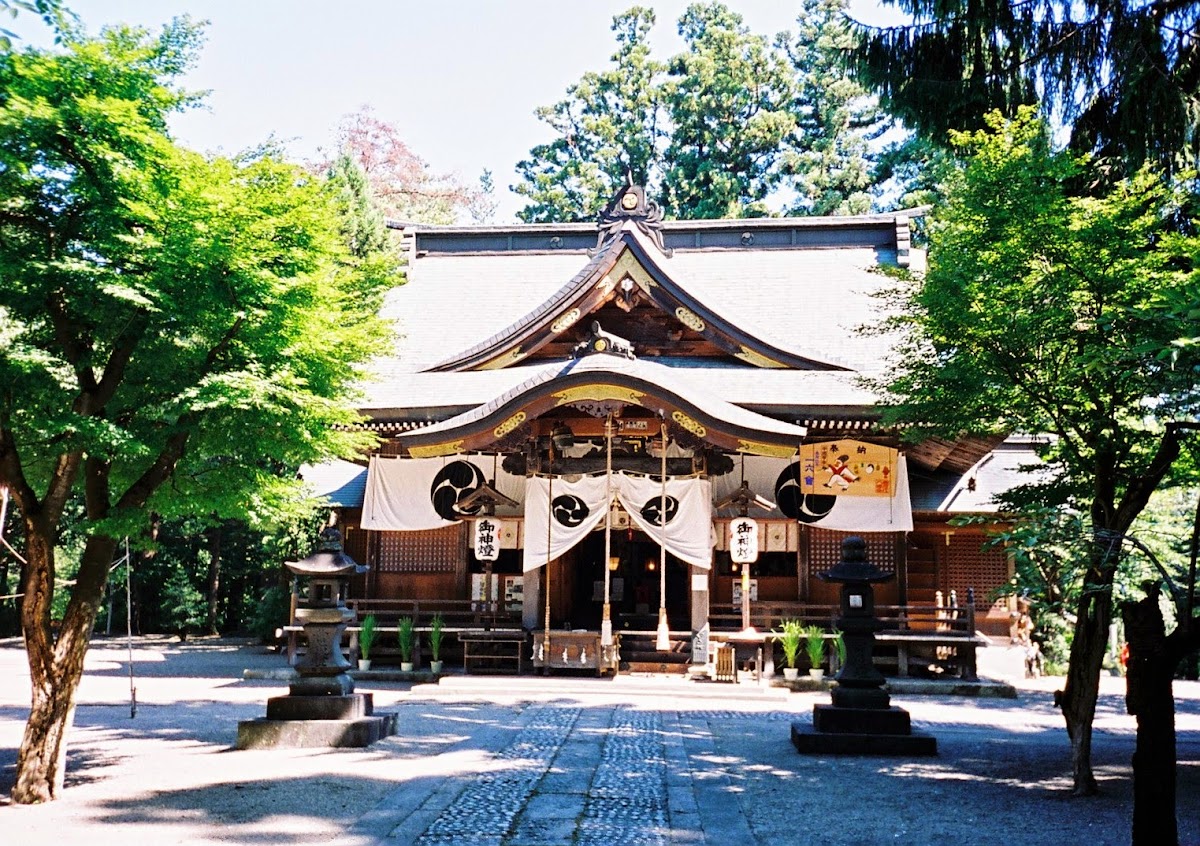
Located right next to Jinguji Temple, Sagae Hachimangu Shrine is a representative shrine of Sagae City. This historical shrine, associated with Minamoto no Yoriyoshi and his son Yoshiie, boasts a magnificent shrine building and grounds well worth a visit. Visiting both Jinguji Temple and Sagae Hachimangu Shrine allows you to experience the history of Shinto-Buddhist syncretism.
Temples and Shrines in Sagae City
Nagaoka Kannon Chōnenji Temple: The 16th temple of the Mogami Thirty-Three Kannon Pilgrimage, this historical temple was founded in the Kamakura period as a prayer hall for the lord of Sagae Castle. Known as one of Tohoku’s leading treasure troves of Buddhist statues, it houses numerous valuable cultural artifacts.
Jionji Temple: Located in an area adjacent to Sagae City, this is one of Tohoku’s leading ancient temples. It boasts a main hall designated as a National Important Cultural Property, as well as numerous Buddhist statues and buildings. It is especially recommended for those interested in temple architecture and Buddhist art.
Sagae Tourist Attractions
Cherryland: A tourist facility selling Sagae’s local specialties, including cherries, perfect for souvenir shopping and dining.
Sagae Onsen: Several hot spring facilities are scattered throughout the city, perfect for relaxing after visiting the temple.
Mogami River: Enjoy the magnificent scenery of the Mogami River, one of Japan’s three major rapid rivers.
History and Culture of Sagae City
Regional Characteristics of Sagae
Sagae City is located almost in the center of Yamagata Prefecture, and developed at the confluence of the Mogami River and the Sagae River. It flourished as a transportation hub from ancient times, and prospered as a castle town ruled by the Sagae clan during the Middle Ages.
Cherry Blossom Village
Modern Sagae City is nationally known as the “Cherry Blossom Village.” In early summer, vast cherry orchards stretch across the landscape, and cherry picking experiences in the orchards are popular. When visiting Jinguji Temple, enjoying seasonal fruits is a highlight of Sagae sightseeing.
Annual Events in Sagae
Sagae City holds various events throughout the year. From the spring cherry blossom festival and the early summer cherry blossom festival to the autumn harvest festival, seasonal events color the region. Visiting Jinguji Temple in conjunction with these events will allow you to experience the local culture more deeply.
Perpetual Memorial Services and Cemeteries
Jinguji Temple’s Cemetery Facilities
Jinguji Temple has an attached cemetery and functions as the family temple for local residents. Consultations regarding perpetual memorial graves and general burial plots are also accepted. Please contact the temple directly if you have any questions regarding graves.
Options for Perpetual Memorial Services
In recent years, interest in perpetual memorial services has been increasing. Jinguji temples offer various forms of memorial services to meet the needs of the times, and you can consult about a variety of options, from individual graves to communal graves. It is recommended to contact the temple directly regarding costs and memorial service methods.
Other Jinguji Temples in Yamagata Prefecture
Origin and Distribution of the Name
The name “Jinguji” is often found for temples attached to Shinto shrines, also known as betto-ji. Several Jinguji temples exist in Yamagata Prefecture, each with deep ties to local shrines.
The Jinguji temple in Sagae City is a valuable example of the history of Shinto-Buddhist syncretism, particularly in its relationship with Sagae Hachimangu Shrine. Comparing and studying Jinguji temples throughout Japan allows us to understand the profound depths of Japanese religious history.
Precautions and Advice for Visiting
Clothing and Belongings
While no special clothing is required for temple visits, please avoid revealing clothing and aim for clean and presentable attire. In summer, the sun is strong, so be sure to wear a hat or use a parasol. In winter, take proper precautions against the cold. Since Yamagata Prefecture experiences snowfall in winter, it’s important to choose non-slip shoes.
Regarding Photography
Photography is generally permitted within the temple grounds, but permission may be required to photograph the interior of the main hall or the Buddha statues. Also, please be considerate of those visiting graves and other worshippers, and strive for respectful photography.
Best Time to Visit
Jinguji Temple is open for worship throughout the year, but the following times are especially recommended:
- Spring (April-May): Beautiful cherry blossoms and pleasant weather
- Early Summer (June): Cherry blossom season, when Sagae is at its busiest
- Autumn (October-November): Beautiful autumn foliage and a crisp, clear atmosphere for worship
- Winter (December-February): Enjoy the tranquil atmosphere amidst the snowy landscape (warm clothing is essential)
Access and Transportation Information to Sagae
Access by Public Transportation
From Tokyo:
- Approximately 2 hours 30 minutes to Yamagata Station by Yamagata Shinkansen
- Approximately 20 minutes from Yamagata Station to Nishi-Sagae Station by JR Aterazawa Line
- Approximately 15 minutes on foot from Nishi-Sagae Station
From Sendai:
- Approximately 1 hour and 10 minutes to Yamagata Station on the Senzan Line
- Take the JR Aterazawa Line from Yamagata Station
Access by Car
- Approximately 5 minutes from Sagae IC on the Yamagata Expressway
- Approximately 30 minutes from Yamagata City via National Route 112
- Parking is available at the Sagae Hachimangu Shrine’s visitor parking lot
Getting Around Sagae City
Sagae City is a relatively compact town, so renting a car or taking a taxi is convenient. There is also a city loop bus, but the number of services is limited, so it is recommended to check the timetable in advance.
Connection with the Community
Center of the Local Community
Jinguji Temple is not merely a tourist spot, but a temple deeply rooted in the lives of local residents. For locals who visit for memorial services and to pay respects at graves, it is an important place that has been passed down through generations. When visiting, please understand that it is a place of faith for the community and offer your prayers with respect.
Participation in Local Events
The temple holds various memorial services and events throughout the year. There are also events open to the general public, so those interested should inquire at the temple. Participating in local traditional events offers a deeper cultural experience.
Summary: The Charm of Jinguji Temple
Jinguji Temple in Sagae City, Yamagata Prefecture, is a Jion sect temple adjacent to Sagae Hachimangu Shrine, preserving a long history and local faith. The temple’s unique charm lies in its worship at the Kaiun-do Hall dedicated to Manjushri Bodhisattva, its tranquil grounds, and its location steeped in the history of Shinto-Buddhist syncretism.
When visiting Sagae City, be sure to visit Jinguji Temple along with Sagae Hachimangu Shrine to experience the region’s history and culture. Sagae is known as a cherry-producing region, but behind this lies a rich history of faith. A quiet time of prayer at Jinguji Temple will add depth to your travel memories.
For visitors to Yamagata Prefecture from all over Japan, Jinguji Temple is a cultural heritage site not to be missed. Please come and see for yourself the temple culture of the Tohoku region, the unique Jion sect, and the deeply rooted faith of the local community.