Complete Guide to Jiunji Temple (Kiyomasa-ko Temple) | The Charm and Highlights of a Historic Temple in Kanonji City, Kagawa Prefecture
Located in Ohnohara, Ohnohara-cho, Kanonji City, Kagawa Prefecture, Jiunji Temple is a historic temple affectionately known locally as “Lord Kiyomasa’s Temple.” From its founding in the early Edo period to the present day, it has been a center of faith for many people. This article provides detailed information you should know before visiting Jiunji Temple, including its history, highlights, access methods, and surrounding tourist spots.
History and Origin of Jiunji Temple (Kiyomasa-ko Temple)
Background of its Founding and Hirata Yoichizaemon Masashige
Jiunji Temple was founded in 1645 (Shoho 2) by Hirata Yoichizaemon Masashige, known as the founder of the Ohnohara area. Hirata Masashige was a landowner who developed the Ohnohara region and made significant contributions to its development. He founded Jiunji Temple as his own hermitage, entrusting it with the role of a spiritual center for the local residents.
Why is it called “Seishoko-ji Temple”?
The reason Jiunji Temple is commonly known as “Seishoko-ji Temple” is deeply connected to the devotion to Kato Kiyomasa. Kato Kiyomasa was a samurai who was active from the Sengoku period to the early Edo period, known for his castle construction and flood control projects, and was revered by the people as “Seishoko-san.” Jiunji Temple enshrines Kiyomasa, and has become affectionately known as “Seishoko-sama’s Temple” by the local people.
Fire in the Late Edo Period and Reconstruction in the Showa Era
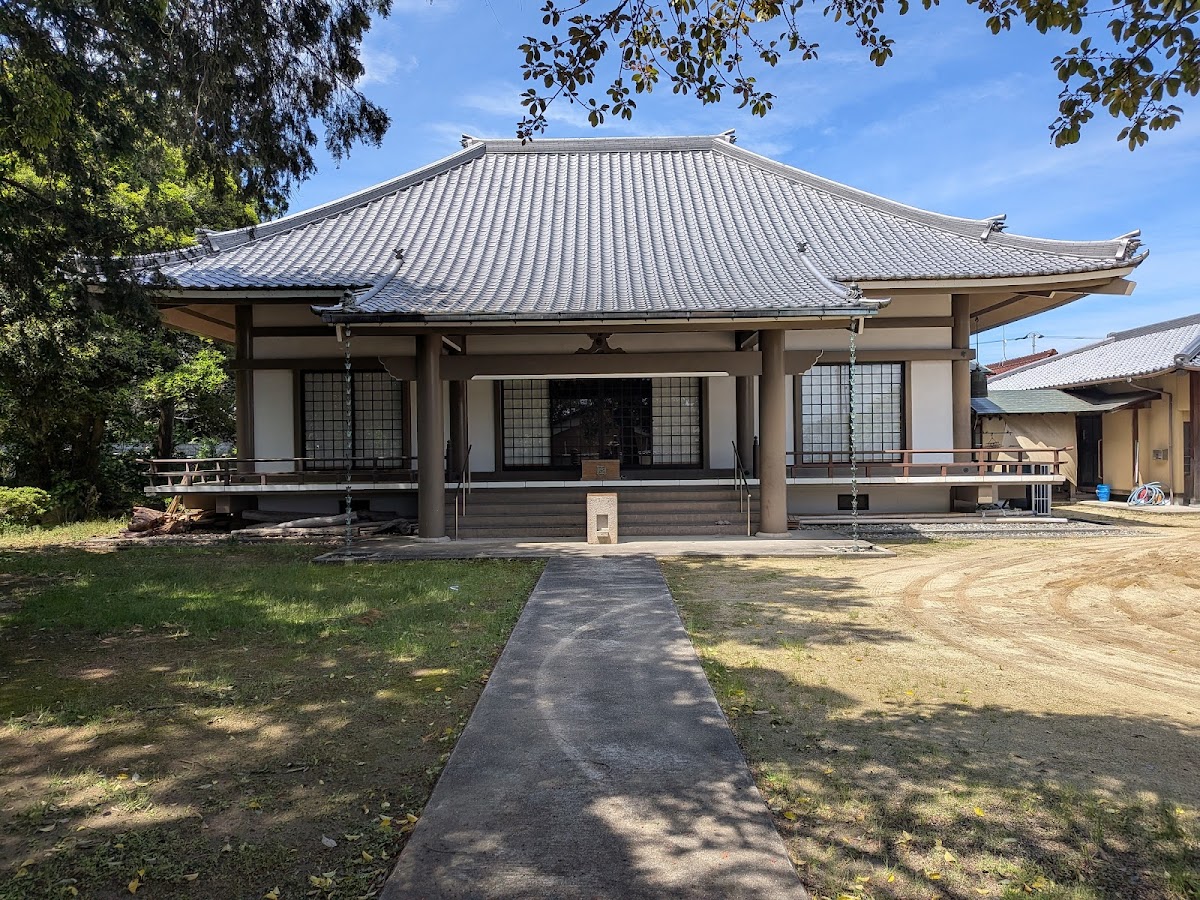
Jiunji Temple was struck by fire in the late Edo period, and its main buildings, including the main hall, were destroyed. Afterward, a long period passed without reconstruction, but in the 1980s, thanks to the enthusiasm of local residents and parishioners, a full-scale reconstruction project began. The current main hall, living quarters, and other buildings were completed during this period. Although a new building, it follows the style of traditional temple architecture, giving it an appearance that conveys a sense of historical weight.
Highlights and Cultural Assets of Jiunji Temple
The Giant Kannon Statue on the Temple Grounds
What surprises visitors to Jiunji Temple the most is the giant Kannon statue standing on the temple grounds. This Kannon statue is a powerful presence, standing 6 meters tall, or 8 meters including the pedestal, and can be seen from afar. The gleaming white Kannon statue is a symbol that gives peace and hope to visitors and has become a local landmark.
The area surrounding the Kannon statue is a well-maintained garden, where flowers bloom in every season. Especially during the cherry blossom season in spring and the autumn foliage season, the harmony between the Kannon statue and nature creates a beautiful landscape.
Temple Treasure: 600 Volumes of the Great Prajnaparamita Sutra
Jiunji Temple’s most important treasure is the Great Prajnaparamita Sutra, consisting of 600 volumes. The Great Prajnaparamita Sutra is a Chinese translation of the Prajnaparamita Sutras brought back from India by Xuanzang, and is a massive text consisting of 600 volumes. The Great Prajnaparamita Sutra preserved at Jiunji Temple is a precious cultural asset passed down since the Edo period, and serves as an important historical document that tells the story of the region.
While the Great Prajnaparamita Sutra is usually not open to the public, a reading ceremony is sometimes held during special religious services. During these ceremonies, the sutra is unfolded and read aloud one volume at a time, creating a solemn atmosphere that deeply moves participants.
Architectural Beauty of the Main Hall and Temple Grounds
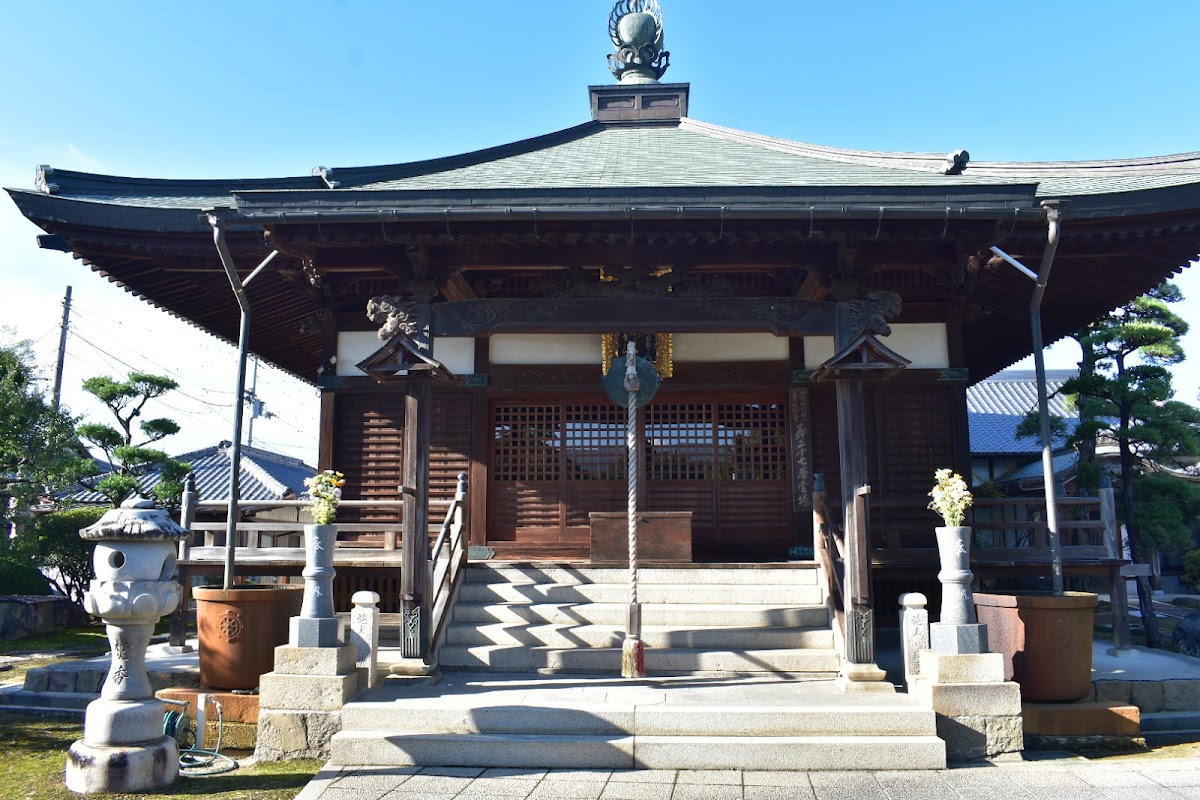
The main hall, rebuilt in the Showa era, is a building that conveys the beauty of traditional temple architecture to the modern age. The warmth of the wooden architecture and the carefully applied decorations harmonize, providing visitors with a serene atmosphere. The principal image is enshrined inside the main hall, allowing worshippers to quietly offer their prayers.
The temple grounds are kept clean, and the stone-paved approach and well-maintained landscaping warmly welcome visitors. The tranquil atmosphere, typical of Shikoku temples, provides a peaceful environment for worship.
Access and Basic Information to Jiunji Temple
Location and Contact Information
Address: 1883 Ohnohara, Ohnohara-cho, Kanonji City, Kagawa Prefecture
Phone Number: 0875-54-2220
Access by Car
When accessing Jiunji Temple by car, the nearest interchange is the Ohnohara Interchange on the Takamatsu Expressway. It’s easily accessible, about a 5-minute drive from the interchange; simply head south on the prefectural road and you’ll arrive quickly. There is parking available for visitors on the temple grounds, so visiting by car is convenient.
Access by Public Transportation
When using public transportation, the nearest station is Kanonji Station on the JR Yosan Line. From the station, it’s about a 15-minute taxi ride, or you can take a bus towards Ohnohara. However, since the number of buses is limited, it is recommended to check the timetable in advance.
Visiting Hours and Admission Fee
Jiunji Temple is generally open for daytime visits. There is no admission fee, but if you wish to have a special viewing inside the main hall or participate in a Buddhist service, it is recommended to contact the temple in advance to confirm.
Recommended Tourist Spots Around Jiunji Temple
Ohnohara Central Park
Located about a 5-minute drive from Jiunji Temple, Ohnohara Central Park is a popular park for local residents to relax in. It features a spacious lawn and playground equipment, making it a great place for families to spend time. In spring, cherry blossoms bloom, making it a popular spot for cherry blossom viewing.
Wan-kashi-zuka (Bowl-Lending Mound)
Ohnohara Town has an interesting folk legend site called “Wan-kashi-zuka” (Bowl-Lending Mound). Legend says that in the past, if you made a wish at this mound, you would be lent a bowl or plate. It is an interesting spot for learning about local culture. Visiting Jiunji Temple in conjunction with this will allow you to gain a deeper understanding of the history and culture of the Onohara region.
Hagi-no-Yu Hot Spring
If you want to soothe your fatigue from sightseeing, we recommend “Hagi-no-Yu,” a hot spring facility located in Kanonji City. It’s about a 10-minute drive from Jiunji Temple and offers excellent facilities such as an open-air bath and sauna, perfect for refreshing yourself after your travels. It’s a facility loved by locals and easily accessible to tourists.
Tourist Spots in Kanonji City
Kanonji City, where Jiunji Temple is located, has many other attractive tourist spots. The famous “Zenigata Sunae” (coin-shaped sand painting) is a giant sand painting in the shape of a Kan’ei Tsūhō coin, and it’s said that seeing it will bring you good fortune. Also, Kotohiki Park offers beautiful views of the Seto Inland Sea, making it perfect for creating lasting memories of your Shikoku trip.
Gourmet Information Around Jiunji Temple
Onishi Menkyo
Sanuki udon is famous in Kagawa Prefecture, and there are also delicious udon restaurants around Jiunji Temple. Onishi Noodles is a locally renowned noodle factory where you can enjoy authentic Sanuki udon noodles with a firm, chewy texture. It’s a self-service style restaurant, and its reasonable prices are also a major draw.
Fukuya Ohnohara Store
Located in Ohnohara Town, “Fukuya Ohnohara Store” is a community-oriented eatery beloved by locals. It offers a wide variety of set meals, providing generous portions at reasonable prices. Recommended for those who want a substantial meal during their sightseeing.
Rest House Shinohara
“Rest House Shinohara” is a restaurant where you can enjoy delicious food in a homey atmosphere. They pride themselves on using local ingredients, and their seasonal menus are also extensive. You can relax and enjoy your meal in a comfortable space, perfect for unwinding after a long day of travel.
Events held around Kanonji City
Kanonji Zenigata Festival
The “Kanonji Zenigata Festival” is a representative event of Kanonji City. This festival, held every summer, features fireworks displays, traditional performing arts, and various food stalls, attracting many tourists. The illuminated Zenigata sand painting creates a magical atmosphere.
Daishi Market
In Kanonji City, the “Daishi Market,” associated with Kobo Daishi, is held regularly. This market, featuring local agricultural products and handicrafts, offers a valuable opportunity to experience local culture. If your visit to Jiunji Temple coincides with the market’s dates, be sure to stop by.
Kobo Daishi Birthday Celebration
Temples along the Shikoku Pilgrimage hold “Birthday Celebrations” around June 15th each year to commemorate the birth of Kobo Daishi. Temples in Kanonji City also hold memorial services, attracting many worshippers. Jiunji Temple sometimes holds related events, so those interested should check in advance.
Accommodations near Jiunji Temple
Kotohira Onsen Kotohira Sankaku
Located approximately 30 minutes by car from Jiunji Temple, Kotohira Onsen Kotohira Sankaku is a long-established inn situated along the approach to Kotohira Shrine. It boasts hot springs and cuisine featuring fresh seafood from the Seto Inland Sea, offering a relaxing stay. It’s a convenient place to stay when combining sightseeing in Jiunji Temple and Kotohira.
Onsen Shikishima-kan (Kyoritsu Resort)
Onsen Shikishima-kan, located in the Kotohira area, is a high-quality inn operated by Kyoritsu Resort. Its modern Japanese-style spaces and attentive service make it ideal for special trips. Rooms with open-air baths are also available, allowing guests to enjoy private time.
Business Hotels in Kanonji City
If you’re looking for accommodations closer to Jiunji Temple, business hotels in Kanonji city center are convenient. They offer clean rooms at reasonable prices, making them ideal bases for sightseeing. Several hotels are located around JR Kanonji Station, allowing you to choose according to your budget and preferences. ## Best Season and Attire for Visiting Jiunji Temple
Seasonal Charms
Jiunji Temple is open for visits throughout the year, but each season offers a different charm. In spring, the cherry blossoms in the temple grounds are beautiful, harmonizing wonderfully with the Kannon statue. In summer, the lush green grounds create a cool and refreshing atmosphere. In autumn, the autumn leaves color the grounds, and in winter, you can enjoy a solemn visit in silence.
Attire and Items to Bring When Visiting
While no special attire is required for visiting Jiunji Temple, it is advisable to dress appropriately, keeping in mind that it is a sacred place. Choose comfortable shoes, and remember to take precautions against the sun in summer and warm clothing in winter. Bringing a camera will allow you to take photos of the giant Kannon statue and the beautiful temple grounds.
History and Culture of the Ohnohara Region
History of Ohnohara Development
The Ohnohara region was developed on a large scale in the early Edo period by Hirata Yoichizaemon Masashige. This area, which was previously barren land, was developed into farmland through the construction of irrigation facilities, allowing many people to settle there. Jiunji Temple was founded as a spiritual pillar of this pioneering project and has become a symbol of regional development.
Faith Rooted in the Region
As evidenced by Jiunji Temple’s affectionate nickname, “Kiyomasa-ko Temple,” faith in Kato Kiyomasa is deeply rooted in this region. Kiyomasa is revered throughout Japan as a warrior who dedicated himself to the people, but in the Shikoku region in particular, he has been worshipped as the guardian deity of flood control and pioneering. Jiunji Temple remains one of the centers of this faith, a spiritual anchor for the local people.
Points to Note and Manners When Visiting Jiunji Temple
Worship Manners
When visiting a temple, please observe basic worship manners. Bow before passing through the temple gate and purify your hands and mouth at the water basin. In the main hall, pray quietly and refrain from talking. Photography is generally permitted, but it is considered good manners to refrain from taking pictures inside the main hall or during religious services.
Parking and Access Notes
Jiunji Temple has parking spaces for visitors, but it can get crowded during religious services and special events. Also, as the surrounding area is residential, please be mindful of noise and street parking. If using public transportation, please check the bus schedule in advance, as the number of buses is limited.
Jiunji Temple and Shikoku’s Temple Culture
Relationship with the Shikoku Pilgrimage
Jiunji Temple is not included in the Shikoku 88 Temple Pilgrimage, but it is an important temple for understanding Shikoku’s temple culture. Many temples in Shikoku are associated with Kobo Daishi, each conveying the history and culture of the region. Similarly, Jiunji Temple is an important cultural heritage site that tells the history of the Ohnohara region.
The Role of Local Temples
In modern times, local temples are not merely religious facilities, but also play a central role in the local community. Jiunji Temple also functions as a hub for local traditional events and cultural activities, serving as a place for intergenerational exchange. The existence of such local temples is an important element supporting Japanese communities.
Summary: The Weight of History and Faith Felt at Jiunji Temple
Jiunji Temple (also known as Kiyomasa-ko Temple), located in Kanonji City, Kagawa Prefecture, is a historic temple that has walked hand in hand with the faith of the local people from its founding in the early Edo period to the present day. Founded by Hirata Yoichizaemon Masashige, the pioneer of the Ohnohara settlement, the temple boasts numerous attractions, including a main hall rebuilt in the Showa era after being destroyed by fire, a colossal 8-meter-tall Kannon statue towering within the grounds, and a precious temple treasure: 600 volumes of the Great Prajnaparamita Sutra.
Affectionately known as “Kiyomasa-ko’s Temple,” this temple is an important place that conveys the history and culture of the region, offering visitors a quiet sense of awe and peace of mind. When visiting Kanonji City, be sure to visit Jiunji Temple and experience its historical weight and the depth of its faith. By combining your visit with exploring nearby tourist attractions and enjoying Sanuki udon noodles, you can have a truly fulfilling trip to Shikoku.