Jōjūji Temple (Ishikawa Prefecture) Complete Guide: History, Sect, Access, and Highlights Explained in Detail
Ishikawa Prefecture is a historical region where many temples have flourished under the patronage of the Maeda family of the Kaga Domain since ancient times. Within the prefecture, there are over 1,362 temples of diverse sects, including the Shinshu Otani sect, Jodo Shinshu Honganji sect, Soto Zen sect, and Koyasan Shingon sect. This article provides a comprehensive explanation of Jōjūji Temple in Ishikawa Prefecture, covering its historical background, sect characteristics, cultural value, and visiting information.
What is Jōjūji Temple?: The Position of Temples in Ishikawa Prefecture
Jōjūji Temple is one of the Buddhist temples located in Ishikawa Prefecture. Ishikawa Prefecture’s temple culture developed primarily around Kanazawa City, which prospered as a castle town of the Kaga Domain, and many historical temples are scattered throughout the Noto and Kaga regions.
Characteristics of Ishikawa Prefecture’s Temple Culture
Ishikawa Prefecture is located in the Hokuriku region on the Sea of Japan coast, and Buddhist culture has been deeply rooted there since ancient times. In particular, the Jodo Shinshu sect has a strong following, with a large number of temples belonging to the Shinshu Otani sect and the Jodo Shinshu Honganji sect. Furthermore, a distinctive feature is the coexistence of temples of diverse sects, including the Soto Zen, Shingon, Nichiren, Tendai, and Rinzai Myoshinji sects.
The Maeda family of the Kaga Domain actively implemented policies to protect temples, granting land to many temples and providing cultural support. As a result, many historical buildings and valuable cultural assets remain in temples throughout Ishikawa Prefecture.
Relationship between Major Temples in Ishikawa Prefecture and Joju-ji Temple
Many famous temples exist within Ishikawa Prefecture. Understanding Joju-ji Temple requires grasping the overall context of temples in Ishikawa Prefecture.
Representative Temples of Kanazawa City
Kanazawa City has a cluster of temples called the “Teramachi Temple District,” where approximately 70 temples are concentrated. Myōryūji Temple (commonly known as the Ninja Temple), Hōenji Temple, and Gankake-dera Kōrinji Temple are famous and popular tourist spots. These temples belong to diverse Buddhist sects, including the Sōtō, Nichiren, and Shingon schools.
Temple Culture of the Noto Region
The Noto Peninsula is home to important temples that play a central role in their respective sects, such as Myōjōji Temple (Nichiren sect) and Sōjiji Soin Temple (Sōtō sect). Myōjōji Temple, in particular, boasts a five-story pagoda designated as a National Important Cultural Property and is known as a center of Nichiren Buddhism in the Hokuriku region.
Wajima City has many Jōdo Shinshū temples, such as Jōkeiji Temple, and serves as a center of local faith.
Temples of the Kaga Region
The Kaga region, including Komatsu City, Kaga City, and Hakusan City, also has numerous temples belonging to the Jōdo Shinshū Honganji and Shinshū Ōtani sects. Temples such as Anrakuji, Myōrenji, and Chōrakuji continue to uphold the faith rooted in the community.
The Sect and Doctrines of Jōjūji Temple
The doctrines and practices of Jōjūji temples in Ishikawa Prefecture differ depending on the sect they belong to. This section explains the major sects in Ishikawa Prefecture.
Jōdo Shinshū (Shinshū Ōtani School and Jōdo Shinshū Honganji School)
Jōdo Shinshū is the most common sect in Ishikawa Prefecture. Founded by Shinran Shōnin, it teaches faith in Amida Buddha’s vow and the desire for rebirth in the Pure Land through chanting the Nembutsu.
The Shinshū Ōtani School has Higashi Honganji as its head temple, while the Jōdo Shinshū Honganji School has Nishi Honganji as its head temple. Hundreds of temples of both schools exist in Ishikawa Prefecture, deeply rooted in the local community. Various Jōdo Shinshū sects, such as the Shinmon-ryū, also have temples in Ishikawa Prefecture.
Soto Zen Buddhism
A branch of Zen Buddhism founded by Zen Master Dogen, emphasizing practice centered on seated meditation (zazen). The Ishikawa Prefecture Soto Zen Office is located there, and many Soto Zen temples are active, mainly in Kanazawa City. Sojiji Temple is one of the head temples of the Soto Zen sect and holds a nationally important position.
Shingon Buddhism (Koyasan Shingon, Shingon Chizan, Shingon Daigo)
A sect of esoteric Buddhism founded by Kobo Daishi Kukai. There are several branches, including Koyasan Shingon, Shingon Chizan, and Shingon Daigo, with temples of each branch existing within Ishikawa Prefecture. It is characterized by the practice of esoteric Buddhist rituals such as incantations and fire rituals (goma).
Nichiren Buddhism, Hokke Buddhism, Kenpon Hokke Buddhism
A sect of faith based on the Lotus Sutra, with Nichiren Shonin as its founder. Nichiren Buddhism is divided into several branches, including the Nichiren sect, Hokke sect, and Kenpon Hokke sect, but all consider the Lotus Sutra as their fundamental scripture. Within Ishikawa Prefecture, there are numerous Nichiren sect temples, including Myojo-ji Temple, where chanting the mantra “Namu Myoho Renge Kyo” is central to their practice.
Other Sects
Ishikawa Prefecture is home to temples of various sects, including the Jodo sect, Tendai sect, Tendai Shinsei sect, Rinzai sect Myoshin-ji branch, and Ji sect. Each sect supports local faith based on its own doctrines and practices.
History and Origins of Joju-ji Temple
Many temples in Ishikawa Prefecture were founded during the medieval and early modern periods. In particular, temple development progressed from the Sengoku period to the early Edo period, coinciding with the establishment of the Kaga Domain.
The Kaga Domain and Temple Policy
Maeda Toshiie, the first lord of the Kaga Domain, focused on the development of Kanazawa Castle town while also prioritizing the placement of temples. The “Temple Town Policy” was implemented, concentrating temples in strategic locations within the castle town, such as Teramachi, the foot of Utatsuyama, and Kodatsuno. This meant that temples served not only as places of worship but also as defensive structures for the castle town.
Ikko-ikki and Jodo Shinshu Buddhism
Ishikawa Prefecture (Kaga Province) has a history of being ruled for approximately 100 years by the “Kaga Ikko-ikki,” a revolt led by followers of Jodo Shinshu Buddhism, during the Sengoku period. During this time, many Jodo Shinshu temples were built and became centers of local communities.
Even after the pacification by Oda Nobunaga and Maeda Toshiie, the Jodo Shinshu faith remained deeply rooted among the people, and numerous Shinshu temples still exist in Ishikawa Prefecture today.
Temples in the Modern Era
While some temples were abolished during the anti-Buddhist movement following the Meiji Restoration, many temples continued to exist as centers of local faith. Even today, temples in Ishikawa Prefecture play a vital role as centers for funerals, memorial services, and community events.
Architecture and Cultural Properties of Jōjūji Temple
Many temples in Ishikawa Prefecture possess buildings, Buddhist statues, paintings, and crafts designated as Important Cultural Properties or Prefectural Cultural Properties.
Characteristics of Temple Architecture
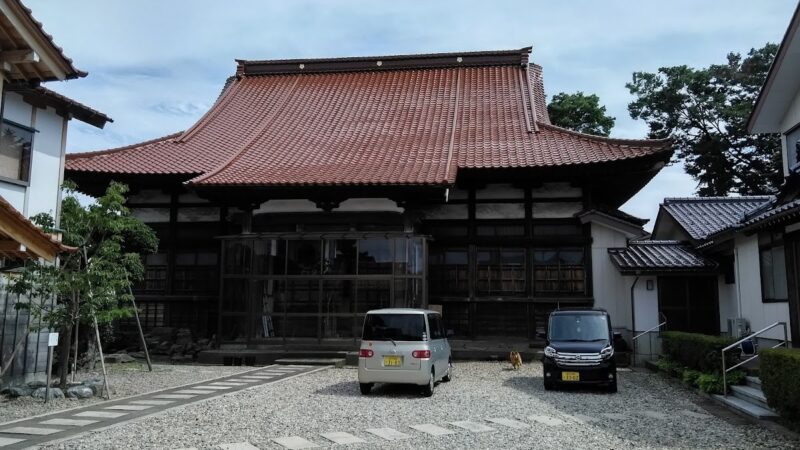
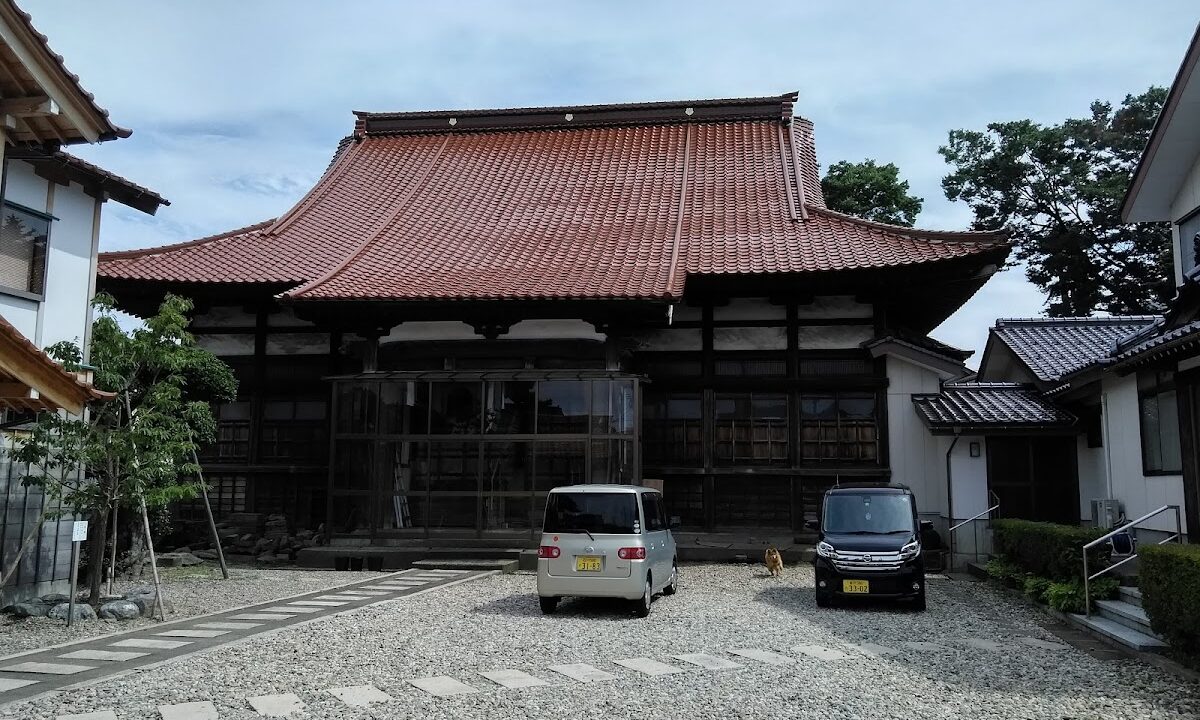
Temple architecture in the Hokuriku region has structures unique to heavy snowfall areas. Features such as steeply pitched roofs, thick pillars, and sturdy beams demonstrate ingenuity in withstanding the weight of snow. Furthermore, temples supported by the Kaga Domain are characterized by their lavish decorations and carvings.
Buddhist Statues and Buddhist Artifacts
Many Buddhist statues dating from the Heian period to the Edo period are enshrined in temples in Ishikawa Prefecture. Principal images of various Buddhist sects, such as Amida Buddha, Yakushi Buddha, Kannon Bodhisattva, and Fudo Myoo, are worshipped.
Furthermore, Buddhist implements, temple bells, and scriptures donated by the Maeda family and influential local figures are preserved as valuable cultural assets.
Gardens and Temple Grounds
Kanazawa is also known as a “city of gardens,” and beautiful gardens have been created within the temple grounds. Various styles of gardens, such as pond gardens and dry landscape gardens, create scenery that changes with the seasons.
Information for Visiting Joju-ji Temple
This section explains basic manners and information for visiting temples in Ishikawa Prefecture.
Basic Manners for Visiting Temples
When visiting a temple, please observe the following basic manners:
- Bow at the Temple Gate: Bow at the temple gate before entering the temple grounds.
- Purification at the Water Basin: If there is a water basin, purify your hands and mouth.
- Worship at the Main Hall: Join your hands in prayer in front of the main hall and pray quietly. Manners may vary depending on the sect.
- Considerations Regarding Photography: While photography is often permitted within the temple grounds, taking pictures inside the main hall or of Buddha statues may be prohibited.
- Maintain a Quiet Attitude: Temples are places of worship; please refrain from speaking loudly or making noise.
Goshuin (Temple Seals) and Sutra Offering
Many temples offer goshuin (temple seals). You can receive a goshuin by bringing your goshuincho (stamp book) and paying the sutra offering fee (usually 300-500 yen). Goshuin are not merely commemorative stamps; please treat them with care as proof of your visit.
Annual Events
The following annual events are held at temples in Ishikawa Prefecture:
- First three days of the New Year: Hatsumode (first shrine visit of the year), Shusho-e (New Year’s ceremony)
- Spring and Autumn Equinoxes: Higan-e (equinox memorial service)
- Flower Festival (April 8th): Kanbutsu-e (Buddha’s birthday celebration)
- Obon (August): Urabon-e (Buddha’s festival), Segaki (hungry ghost) memorial service
- New Year’s Eve Bell (December 31st): The temple bell ringing to mark the end of the year
Each temple holds unique events, so it is recommended to check in advance.
Visiting Temples in Ishikawa Prefecture: Recommended Spots Around Joju-ji Temple
Here are some temples in Ishikawa Prefecture that you might want to visit when you come to Joju-ji Temple.
Temples of Kanazawa City
Teramachi Temple District is a representative cluster of temples in Kanazawa City. Approximately 70 temples are gathered here, forming a historical streetscape. Myōryūji Temple (Ninja Temple) offers interior tours by reservation only, where you can see ingenious defensive features such as mechanical contraptions and hidden staircases.
Gankake-dera Kōrinji Temple is known as a temple for making wishes, and is particularly popular for its blessings related to matchmaking. A Fudo Myoo statue for making wishes is enshrined on the temple grounds.
Famous Temples of the Noto Region
Myōjōji Temple (Hakui City) is a prestigious temple, the head temple of the Nichiren sect in the Hokuriku region. It boasts 10 important cultural properties, including a five-story pagoda designated as a national important cultural property, and is known as a treasure trove of ancient architecture in the Hokuriku region.
Sōjiji Temple (Wajima City) is the head temple of the Sōtō sect, with a history of over 700 years. Many temple buildings stand within its vast grounds, giving a sense of its history as a Zen training ground.
Ancient Temples of the Kaga Region
Natadera Temple (Komatsu City) is an ancient Shingon Buddhist temple characterized by its grounds that harmonize with the natural landscape known as the “Strange Rocks and Immortal Realm.” It boasts numerous attractions, including a nationally designated scenic garden and a main hall designated as an important cultural property.
Ataka Sumiyoshi Shrine (Komatsu City) is surrounded by several historical temples, including Anrakuji Temple.
Ishikawa Prefecture Temple Database and Search Methods
Here are some useful databases and websites for finding temples in Ishikawa Prefecture.
Temple Information by Sect
You can search for information on affiliated temples on the official websites of each sect:
- Shinshu Otani-ha: You can search for temples in Ishikawa Prefecture on the official website of Higashi Honganji Temple.
- Jodo Shinshu Honganji-ha: Nishi Honganji Temple’s temple search system.
- Soto-shu: Soto-shu Ishikawa Prefecture Office website.
- Nichiren-shu: Nichiren-shu portal site’s complete temple map.
Temple Search Websites
The following websites allow you to search for temples in Ishikawa Prefecture using various criteria:
- Hotokami: SNS-type temple and shrine information site where you can share your pilgrimage records.
- Otera List Navi: You can search for temples by city/town.
- hasunoha: Buddhist Q&A site where you can consult with monks about your problems.
- NAVITIME: Temple search linked to a map.
These sites allow you to find temple names, locations, sects, and information on temple seals (Goshuin).
Information from the Ishikawa Prefecture Tourism Federation
The Ishikawa Prefecture official tourism website, “Hot Ishikawa Travel Net,” introduces temples as tourist spots. It’s convenient when planning a temple tour that combines worship and sightseeing.
The Relationship Between Joju-ji Temple and the Local Community
Temples in Ishikawa Prefecture play diverse roles in the local community, not merely as places of worship.
The Danka System and Local Community
The Danka system, which has continued since the Edo period, has created strong ties between temples and local residents. Through funerals, memorial services, and annual memorial services, temples have walked hand in hand with the history of families.
In recent years, some temples face difficulties in operation due to declining numbers of parishioners and depopulation, but many temples continue their activities while cherishing their community ties.
Cultural Activities and Social Contribution
Modern temples engage in various cultural and social contribution activities in addition to traditional religious activities:
- Zen Meditation and Sutra Copying Sessions: Buddhist experience programs for the general public
- Temple Schools and Children’s Cafeterias: Educational support for local children
- Concerts and Lectures: Cultural events utilizing the temple grounds
- End-of-Life Planning and Life Counseling: Activities addressing the concerns of modern society
Temples as Tourism Resources
Temples in Ishikawa Prefecture hold an important position as tourism resources. The temples in Kanazawa City, in particular, attract many tourists in combination with the historical cityscape.
“Temple tourism,” including Zen meditation experiences, vegetarian cuisine, and temple lodging stays, is gaining attention and is popular with foreign tourists.
Buddhist Culture and Modern Times in Ishikawa Prefecture
Buddhist culture in Ishikawa Prefecture continues to strive to adapt to modern society while preserving tradition.
Adapting to Digitalization
Many temples utilize websites and social media to disseminate information. Online memorial services and live-streamed Dharma talks are just some of the new forms of missionary work that are spreading.
Reaching Younger Generations
Increasing initiatives are creating opportunities for younger generations to easily visit temples, such as temple cafes, art exhibitions, and music events. Attempts are also being made to convey Buddhist teachings in modern language.
Regional Revitalization and Temples
In areas experiencing depopulation, temples are sometimes becoming hubs for regional revitalization. New roles are being explored, such as temples functioning as museums that convey local history and culture, or temples that support migrants.
Points to Note and Manners When Visiting Temples
This section summarizes specific points to note when visiting temples in Ishikawa Prefecture, including Joju-ji Temple.
Regarding Clothing
While there are no specific dress code regulations, it is best to avoid revealing or flashy clothing and opt for clean, understated attire. Especially when entering the main hall, please wear socks.
Visiting Hours and Admission Fees
Many temples are open for worship during the day (generally 9:00 AM to 5:00 PM), but visiting hours vary by temple. It is recommended to check in advance.
Temples with cultural properties may require an admission fee (usually around 300-500 yen).
Temples Requiring Reservations
Some temples, like Myoryu-ji Temple (Ninja Temple), require reservations. For popular temples, early reservations are necessary.
Parking and Access
Some temples may not have their own parking lots. Consider using public transportation or nearby paid parking. For temples in Kanazawa City, pilgrimage by bus or rental bicycle is recommended.
Summary: Joju-ji Temple and Ishikawa Prefecture’s Temple Culture
Joju-ji Temple in Ishikawa Prefecture is part of the rich Buddhist culture of Ishikawa Prefecture, which has over 1362 temples. Temples of diverse Buddhist sects, including the Shinshu Otani sect, Jodo Shinshu Honganji sect, Soto Zen sect, Koyasan Shingon sect, and Nichiren sect, coexist, supporting local faith based on their respective doctrines.
Nurtured by the history and culture of Kaga Hyakumangoku, Ishikawa Prefecture’s temples preserve valuable cultural assets and continue to uphold traditional Buddhist ceremonies, while also engaging in new activities that meet the needs of modern society.
When visiting Joju-ji Temple, understanding its historical background and the characteristics of its sect, and observing proper etiquette during your visit, will lead to a deeper experience. A temple tour in Ishikawa Prefecture offers a valuable opportunity to learn about Japanese Buddhist culture and local history.
When you visit Ishikawa Prefecture, be sure to visit Joju-ji Temple and other temples in the prefecture, find peace in the tranquility, and spend time immersed in history and culture.