Complete Guide to Jokomyoji Temple | History, Highlights, and Visiting Information for Kamakura’s Hidden Gem
Kamakura boasts numerous temples, but Jokomyoji Temple stands apart from the bustling, famous temples, offering a tranquil escape. Nestled in the Ogigayatsu valley, this temple has deep ties to the Hojo clan, the regents of the Kamakura Shogunate, and houses Buddhist statues designated as National Important Cultural Properties, as well as other valuable cultural artifacts that are only viewable for a limited time.
This article comprehensively covers everything you need to know before visiting Jokomyoji Temple, from its history and highlights to visiting information and access methods.
What is Jokomyoji Temple? | An Ancient Shingon Buddhist Temple Telling the History of Kamakura
Jokomyoji Temple is a Shingon Buddhist temple of the Sennyu-ji branch, located in Ogigayatsu, Kamakura City, Kanagawa Prefecture. The temple’s mountain name is Senkokusan, and its official name is “Senkokusan Jokomyoji.”
History of its Founding and its Deep Connection with the Hojo Clan
Jokomyoji Temple is said to have been founded in 1251 (Kencho 3) during the mid-Kamakura period by Hojo Nagatoki, the 6th regent of the Kamakura Shogunate. The founding priest was Shin’a Shonin, and it initially started as a Shingon Ritsu sect temple.
Under the patronage of the Hojo clan, Jokomyoji Temple flourished throughout the Kamakura period, and records indicate that at its peak it was a large temple with seven main halls. In particular, Hojo Tokiyori, the 5th regent and father of Hojo Nagatoki, is said to have been a devout follower and contributed to the temple’s development.
From the Kamakura Period to the Present | The Transformation of the Temple
After the fall of the Kamakura Shogunate, Jokomyoji Temple, like many other temples in Kamakura, entered a period of decline. Many of its buildings were lost due to the turmoil and fires of the Sengoku period, but it was rebuilt under the patronage of the Tokugawa Shogunate during the Edo period.
Although it was affected by the anti-Buddhist movement of the Meiji era, its valuable cultural assets were preserved and have been carefully maintained to this day. The current main hall is a late Edo period building, conveying the atmosphere of its former glory.
Highlights of Jokomyoji Temple | National Treasure-Class Buddhist Statues and Beautiful Grounds
Jokomyoji Temple boasts numerous attractions, including valuable Buddhist statues from the Kamakura period and grounds that showcase the beauty of each season.
Amida Triad Statue | National Important Cultural Property
The greatest highlight of Jokomyoji Temple is the Amida Triad Statue enshrined in the main hall. At the center is a seated Amida Buddha statue, flanked by a standing Kannon Bodhisattva on the right and a standing Seishi Bodhisattva on the left.
These three Buddha statues are all estimated to be from the late Kamakura period (late 13th to early 14th century) and are designated as National Important Cultural Properties. The central Amida Buddha statue, in particular, is a magnificent figure exceeding 2 meters in height and is known as an outstanding example among Amida Buddha statues in the Kamakura region.
The statue’s expression is gentle and compassionate, and its posture, with the mudra of meditation, brings peace to the viewer. The attendant Kannon and Seishi Bodhisattvas also have graceful standing poses, and together the three statues express the world of the Pure Land.
Standing Jizo Bodhisattva Statue | A Hidden Buddha on Limited-Time Display
Jokomyo-ji Temple also houses another important Buddha statue: a standing Jizo Bodhisattva, also believed to be from the Kamakura period.
This Jizo Bodhisattva statue is usually not open to the public and is a secret Buddha that is only permitted to be viewed a few times a year during special periods. The viewing periods are mainly during special viewing periods in spring and autumn, and it is recommended to check the temple’s website or Kamakura City’s tourist information beforehand.
The standing Jizo Bodhisattva statue is nearly life-sized and depicts the typical Jizo Bodhisattva figure, holding a staff and a jewel. Its serene expression and well-proportioned physique are characteristic of Kamakura-period sculpture.
Guest Hall and Garden | A Space Enveloped in Silence
Next to the main hall is the guest hall, in front of which lies a beautiful garden. This garden incorporates elements of a pond garden, and the seasonal flowers and autumn leaves delight visitors.
It is especially beautiful during the cherry blossom season in spring, the fresh greenery in early summer, and the autumn foliage season. Because there are few tourists, you can spend a meditative time quietly gazing at the garden.
Net-Pulling Jizo | Stone Buddha Statues on the Temple Grounds
Within the temple grounds, there is a stone statue of Jizo Bodhisattva called Net-Pulling Jizo. The name originates from a legend that it was pulled up from the sea by a fisherman while he was pulling in his net.
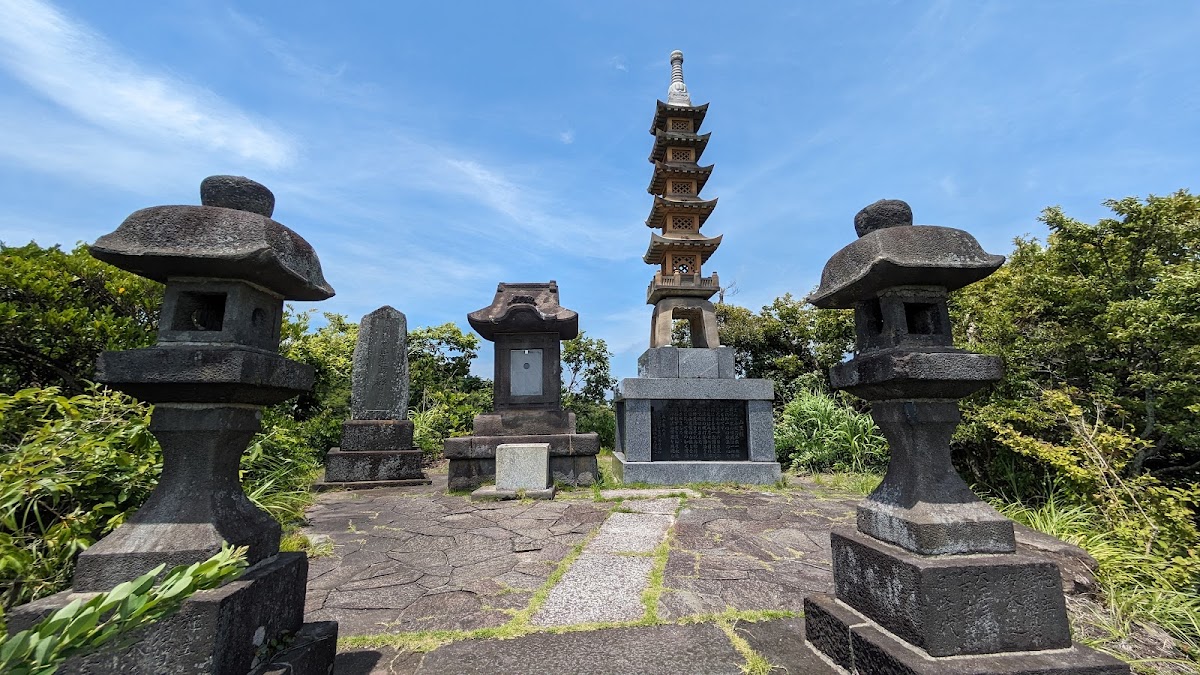
Furthermore, stone Buddha statues and stone pagodas dating from the Kamakura to Edo periods are scattered throughout the grounds, allowing visitors to feel the layered history. These stone structures are also important cultural assets of Jokomyo-ji Temple.
Yagura (Horizontal Cave Tombs) | A Burial System Unique to Kamakura
On the hillside behind Jokomyo-ji Temple, several yagura (horizontal cave tombs), a burial system unique to Kamakura, remain. These were built from the Kamakura to Muromachi periods and are thought to be the tombs of samurai and monks of that time.
Inside the yagura are various structures such as gorinto (five-ringed stupas) and hokyointo (treasure chest stupas), and some even contain carved Buddhist statues. While entry into the yagura is usually prohibited, their historical value can be appreciated even from their exteriors.
Cultural Properties of Jokomyoji Temple | Important Cultural Properties and Historical Value
The cultural properties held by Jokomyoji Temple are protected by the national and local governments.
Nationally Designated Important Cultural Properties
- Wooden Seated Amida Buddha and Two Attendant Bodhisattva Statues (Amida Triad): Created in the late Kamakura period. The central seated Amida Buddha statue and the two attendant bodhisattva statues (standing Kannon Bodhisattva and Seishi Bodhisattva) are designated as important cultural properties.
Kamakura City Designated Cultural Properties
In addition, several other cultural properties, including a standing Jizo Bodhisattva statue and stone structures within the temple grounds, are designated as tangible cultural properties of Kamakura City.
Special Preservation Area for Historical Landscape
The grounds of Jokomyoji Temple and its surroundings are designated as a Special Preservation Area for Historical Landscape under the “Special Measures Act Concerning the Preservation of Historical Landscapes in Ancient Capitals,” making it an important area for preserving Kamakura’s historical landscape.
Annual Events at Jokomyo-ji Temple | Special Viewings and Ceremonies
Jokomyo-ji Temple holds various ceremonies and events throughout the year.
Spring and Autumn Special Viewings
Every year, special viewing periods are held in spring (around April) and autumn (around October). During these periods, the normally closed Jizo Bodhisattva statue, the interior of the guest hall, and the gardens are opened to the public. During these periods, explanations by temple monks and cultural property preservation experts are sometimes provided, allowing for a deeper understanding of Jokomyo-ji Temple’s history and culture.
The exact dates of special viewings may vary from year to year, so it is recommended to check official information before visiting.
Other Annual Events
- First three days of the New Year: Welcoming visitors for the first shrine visit of the year.
- Spring and Autumn Equinox Services: Memorial services for ancestors are held.
- Obon Memorial Service: The Obon service is held in August.
Visiting Information | Visiting Hours, Fees, and Notes
We have compiled practical information for visiting Jokomyo-ji Temple.
Visiting Hours
- Regular Visiting Hours: 9:00 AM – 4:00 PM (Last entry at 3:30 PM)
- Special Visiting Period: Hours may be extended during this period
- Holidays: Irregular closures (Visiting may be impossible during bad weather or religious services)
Admission Fee
- Adults: 200 yen
- Elementary and Junior High School Students: 100 yen
- Special Visiting Period: Fees may change (Normally around 500 yen)
*Admission fees are subject to change, so it is recommended to check before visiting.
Notes for Visitors
- Photography: Photography of the Buddha statues inside the main hall is prohibited. Photography is permitted on the temple grounds, but please be considerate of other visitors.
- Dress Code: There are no particularly strict regulations, but as it is a temple, modest attire is desirable.
- Quietness: This is a place of worship, not a tourist temple, so please visit quietly. 4. Eating and Drinking on Temple Grounds: Please refrain from eating and drinking outside of designated areas.
- Bringing Pets: Pets are generally prohibited.
Access | How to Get to Jokomyo-ji Temple
Jokomyo-ji Temple is within walking distance of Kamakura Station and is relatively easy to access.
Access by Train
Walking from JR Yokosuka Line/Enoshima Electric Railway “Kamakura Station”
- Exit Kamakura Station West Exit
- Head towards the City Hall and turn left at the intersection in front of Kamakura City Hall
- Continue straight through the residential area of Ogigayatsu
- You will arrive at Jokomyo-ji Temple in about 15 minutes on foot.
Along the way, you will also pass other temples such as Jufuku-ji Temple and Eisho-ji Temple, which you can visit as well.
Access by Bus
You can also take a bus from Kamakura Station.
- Take the Keihin Kyuko Bus “Kama 24” from either the east or west exit of Kamakura Station.
- Get off at the “Ōgigayatsu” bus stop and walk for about 3 minutes.
However, since the number of buses is limited, it is recommended to check the timetable in advance.
Access by Car
- Approximately 20 minutes from the Asahina IC on the Yokohama-Yokosuka Expressway.
- Parking: Jōkōmyōji Temple does not have its own parking lot. It is recommended to use a paid parking lot around Kamakura Station and visit on foot.
Kamakura’s roads are narrow, and traffic congestion is particularly severe on weekends and during tourist seasons, so the use of public transportation is recommended.
Nearby Attractions | Temples and Shrines in Kamakura to Visit Together
There are many other historical temples and shrines around Jōkōmyōji Temple.
Jufukuji Temple
Approximately 5 minutes on foot from Jōkōmyōji Temple. This ancient Rinzai Zen temple holds the third highest rank among the Five Great Zen Temples of Kamakura and was built on the former site of the residence of Minamoto no Yoshitomo, father of Minamoto no Yoritomo. Highlights include the beautiful stone-paved approach and the yagura (cave tomb) believed to be the tomb of Hojo Masako.
Eishoji Temple
Approximately a 7-minute walk from Jokomyo-ji Temple. This is Kamakura’s only nunnery, founded by Okatsu-no-kata, a concubine of Tokugawa Ieyasu. It retains early Edo period architecture and boasts a beautiful bamboo grove within its grounds.
Tsurugaoka Hachimangu Shrine
Approximately a 10-minute walk from Kamakura Station. A representative shrine of Kamakura, it has been revered as the guardian deity of samurai families since Minamoto no Yoritomo relocated it to its current location. The vast grounds and magnificent shrine buildings are a must-see.
Zeniarai Benzaiten Shrine
Approximately a 15-minute walk from Jokomyo-ji Temple. Officially known as Ugafuku Shrine, it is famous for the belief that washing money in the sacred water gushing from a cave on the temple grounds will increase its wealth.
The Four Seasons of Jokomyo-ji Temple | Seasonal Charms
Jokomyo-ji Temple is a temple where you can enjoy the beauty of nature in each of the four seasons.
Spring (March-May)
Cherry blossoms and Japanese kerria bloom on the temple grounds, announcing the arrival of spring. Especially in early April, during the cherry blossom season, the quiet grounds are dyed in a soft pink, creating a fantastical atmosphere. Also, during the special spring viewing period, you can view precious Buddhist statues amidst the fresh greenery.
Summer (June-August)
Hydrangeas bloom during the rainy season, and in summer, the temple grounds, covered in deep green, create a cool and refreshing atmosphere. This time of year, with fewer tourists, is a hidden gem for a peaceful visit.
Autumn (September-November)
Autumn at Jokomyoji Temple is characterized by the stunning beauty of its autumn foliage. The maple and ginkgo trees within the temple grounds change color, and the view of the garden’s autumn leaves from the guest hall is exceptional. During the special autumn viewing period, you can enjoy both the autumn leaves and the Buddhist statues simultaneously.
Winter (December-February)
In winter, Jokomyoji Temple becomes a tranquil space with very few tourists. The winter light filtering through the leafless trees illuminates the main hall and stone Buddha statues, creating a solemn and beautiful scene. During the first three days of the New Year, it becomes bustling with worshippers making their first shrine visit of the year.
Jokomyoji Temple and Kamakura Buddhism | History of Shingon Ritsu Sect
Understanding the Shingon Ritsu sect is important for understanding the history of Jokomyoji Temple.
What is the Shingon Ritsu School?
The Shingon Ritsu school is a Buddhist sect founded by Eison during the Kamakura period. It fuses the doctrines of Shingon Esoteric Buddhism with the Ritsu school, which emphasizes the strict practice of precepts. Eison’s disciple, Ninsho, moved to Kamakura and conducted missionary work based at Gokuraku-ji Temple.
Jokomyo-ji Temple was also initially founded as a Shingon Ritsu temple and developed under the patronage of the Hojo clan. Shingon Ritsu monks are known not only for preaching Buddhist teachings but also for actively engaging in social projects such as poverty relief and civil engineering.
Current Sect | Shingon Sect Sennyu-ji Branch
Currently, Jokomyo-ji Temple belongs to the Shingon Sennyu-ji branch. Sennyu-ji Temple is a renowned temple in Kyoto known as the imperial family’s ancestral temple and forms a branch of the Shingon sect.
While the sect has changed with the times, Jōkōmyōji Temple continues to preserve the tradition of Shingon Esoteric Buddhism.
Jōkōmyōji Temple Buddhist Statue Appreciation Guide | Points to See
When you visit Jōkōmyōji Temple, be sure to take your time to appreciate the Buddhist statues.
Points to Appreciate the Seated Amida Buddha Statue
- Facial Expression: The gentle and compassionate expression expresses the virtues of Amida Buddha, “Immeasurable Life” and “Immeasurable Light.”
- Meditation Mudra: The meditation mudra, with both hands clasped on the knees, represents a meditative posture.
- Snail-shell Hair: The depiction of the snail-shell hair (rahotsu) on the head is an important element demonstrating the sculptural techniques of the Kamakura period.
- Drapery: The flowing folds of the robe speak to the high skill of the sculptor.
Points to Appreciate the Standing Statues of Kannon Bodhisattva and Seishi Bodhisattva
- Three-Bend Technique: The three-bend technique, which gently curves the body in an S-shape, is a technique that expresses elegance.
- Crown: The intricate craftsmanship of the crown on the head indicates the high status of the Bodhisattva.
- Attributes: Kannon Bodhisattva holds a lotus flower, and Seishi Bodhisattva is depicted with hands clasped in prayer, each representing their respective roles.
Points to Appreciate the Standing Statue of Jizo Bodhisattva (During Special Viewing)
- Staff and Jewel: These are symbolic attributes of Jizo Bodhisattva, representing the vow to save all sentient beings.
- Monk’s Attire: Jizo Bodhisattva is often depicted in the form of a monk, making him approachable.
- Expression: Characterized by a compassionate and gentle expression.
Etiquette for Visiting Jōkōmyōji Temple | Things to Keep in Mind
When visiting a temple, please observe basic etiquette.
Bowing at the Temple Gate
Before passing through the temple gate, stop briefly and bow slightly. This is a gesture of respect for entering the realm of Buddha.
Proper Hand-Washing Ritual
- Take the ladle with your right hand and wash your left hand.
- Switch the ladle to your left hand and wash your right hand.
- Switch the ladle back to your right hand, receive water in your left hand, and rinse your mouth.
- Wash your left hand again.
- Hold the ladle upright and pour water over the handle to cleanse it.
Worship at the Main Hall
- Stand upright in front of the main hall.
- Quietly place your offering in the offering box.
- Ring the bell if there is one.
- Join your hands in prayer and bow.
- Offer a silent prayer.
- Join your hands in prayer and bow again.
Behavior on the Temple Grounds
- Do not speak loudly.
- Do not enter areas other than designated areas.
- Take your trash with you.
- Do not touch plants or cultural artifacts.
Jokomyo-ji Temple’s Goshuin (Temple Seal) | A Commemorative Photo
At Jokomyo-ji Temple, you can receive a Goshuin as a memento of your visit.
Contents of the Goshuin (Temple Seal)
The goshuin at Jokomyo-ji Temple features a calligraphic inscription of either “Amida Buddha” or “Jizo Bodhisattva,” along with the temple’s seal. During special viewing periods, limited-edition goshuin may be available.
How to Obtain a Goshuin
- After completing your prayers, go to the goshuin office (main hall or guest hall).
- Open your goshuin book and hand it over (open to the page where you want the seal written).
- Pay the offering fee (usually 300-500 yen).
- When receiving your goshuin book, hold it carefully with both hands.
About Goshuin Books
Jokomyo-ji Temple sometimes sells its own original goshuin books. Purchasing a new goshuin book as a souvenir of your visit to temples and shrines in Kamakura is a good idea.
Best Season to Visit Jokomyo-ji Temple | Recommended Time
The best time to visit Jokomyo-ji Temple varies depending on your purpose.
For those interested in appreciating Buddhist statues | Special viewing periods in spring and autumn
If you wish to view the standing Jizo Bodhisattva statue, which is usually not open to the public, or if you would like to hear a detailed explanation, the special viewing periods in spring (around April) or autumn (around October) are recommended.
For those who wish to enjoy the beauty of nature | Spring cherry blossoms and autumn leaves
For those who wish to enjoy the natural beauty of the temple grounds, the best seasons are early April when the cherry blossoms are in bloom, or mid-to-late November when the autumn leaves are at their most beautiful.
For a quiet visit | Weekday mornings or winter
If you wish to visit in a quiet environment with fewer tourists, weekday mornings or winter (January-February) are recommended. Especially on weekdays in winter, you may be able to visit almost entirely alone.
Times to avoid | Golden Week and summer weekends
Kamakura as a whole is crowded during Golden Week and summer weekends. While Jokomyo-ji Temple itself is not particularly crowded, the roads and the area around the station become extremely congested, making travel time-consuming.
Historical Episodes of Jokomyoji Temple | Untold Stories
Jokomyoji Temple is associated with numerous historical episodes.
The Devotion of Hojo Tokiyori
Hojo Tokiyori, the 5th regent, is said to have been deeply devoted to Jokomyoji Temple and frequently visited it. Tokiyori is known as a renowned regent who emphasized frugality and devoted himself to civil administration, but he also had a strong faith in Buddhism, particularly sympathizing with the teachings of the Shingon Ritsu sect.
The Fall of the Kamakura Shogunate and Jokomyoji Temple
In 1333, the Kamakura Shogunate fell during Nitta Yoshisada’s attack on Kamakura. While Jokomyoji Temple is believed to have suffered damage during this conflict, its valuable Buddhist statues were preserved and have been passed down to the present day.
Restoration in the Edo Period
During the Edo period, Jokomyoji Temple was restored under the patronage of the Tokugawa Shogunate. The current main hall was built during this period.
Famous Visitors to Jokomyoji Temple | A Stage for Literature and Art
Jokomyoji Temple, with its tranquil atmosphere, has been loved by many writers and artists.
Jokomyoji Temple in Literary Works
Since the modern era, Kamakura has been known as a “literary town,” where many writers have resided. Jokomyoji Temple, with its quiet presence, has served as a setting and source of inspiration for various literary works.
Jokomyoji Temple as Depicted by Painters
Japanese and Western-style painters also favored depicting the scenery of Jokomyoji Temple. The stone steps, ancient trees, and yagura (cave tombs) within the temple grounds were particularly popular subjects.
Restaurants and Cafes Around Jokomyoji Temple | Rest Stops After Visiting
After visiting Jokomyoji Temple, it’s recommended to rest at one of the nearby cafes or restaurants.
Cafes Around Ogigayatsu
The Ogigayatsu area boasts a variety of unique restaurants, including cafes renovated from old houses and restaurants using Kamakura vegetables. Within walking distance of Jokomyoji Temple, you can enjoy meals and tea in a quiet atmosphere.
Gourmet around Kamakura Station
Around Kamakura Station, there are plenty of gourmet spots unique to Kamakura, including restaurants serving shirasu-don (whitebait rice bowls) and Kamakura vegetables, as well as long-established Japanese confectionery shops. After visiting the temple, it’s a good idea to enjoy a stroll along Komachi Street and sample local food.
Preservation and Future of Jokomyoji Temple | Efforts to Protect Cultural Properties
The valuable cultural properties of Jokomyoji Temple are preserved through various efforts.
Preservation and Repair of Cultural Properties
The Amida Triad statue, a nationally designated Important Cultural Property, undergoes regular inspections and preservation repairs by experts. Wooden Buddhist statues are susceptible to changes in humidity and temperature, as well as insect damage, making proper environmental management essential.
Maintenance of Temple Grounds
The buildings, gardens, and stone structures within the temple grounds are also regularly maintained. Especially after typhoons and heavy rains, damage is assessed and repair work is carried out promptly.
Cooperation from Visitors
The preservation of cultural properties requires the cooperation of visitors. Admission fees are an important source of funding for these preservation activities. Furthermore, respectful visits ensure that cultural properties are preserved and passed on to future generations.
Summary | Jokomyoji Temple: A Hidden Treasure of Kamakura
Jokomyoji Temple is a hidden gem, nestled in a quiet valley slightly removed from the hustle and bustle of Kamakura. It boasts many attractions, including precious Buddhist statues, such as the Amida Triad (a nationally designated Important Cultural Property), a history dating back to the Kamakura period, and beautiful nature that changes with the seasons.
While it lacks the flashiness of famous tourist temples, it offers a quiet opportunity to contemplate history, converse with the Buddhist statues, and reflect on oneself. When visiting Kamakura, be sure to visit Jokomyoji Temple and spend some time finding peace in its tranquil atmosphere.
Especially during the special viewing periods in spring and autumn, it offers a rare opportunity to see precious Buddhist statues that are not usually on display. We recommend checking the schedule in advance and planning your visit accordingly.
Jokomyo-ji Temple is a crucial temple for deeply understanding the history and culture of Kamakura. Once you visit, you’ll be captivated by its charm and want to return again and again.