Jorakuji Temple (Kita-ku, Kobe City, Hyogo Prefecture) Complete Guide | A Thorough Explanation of a Historic Soto Zen Temple
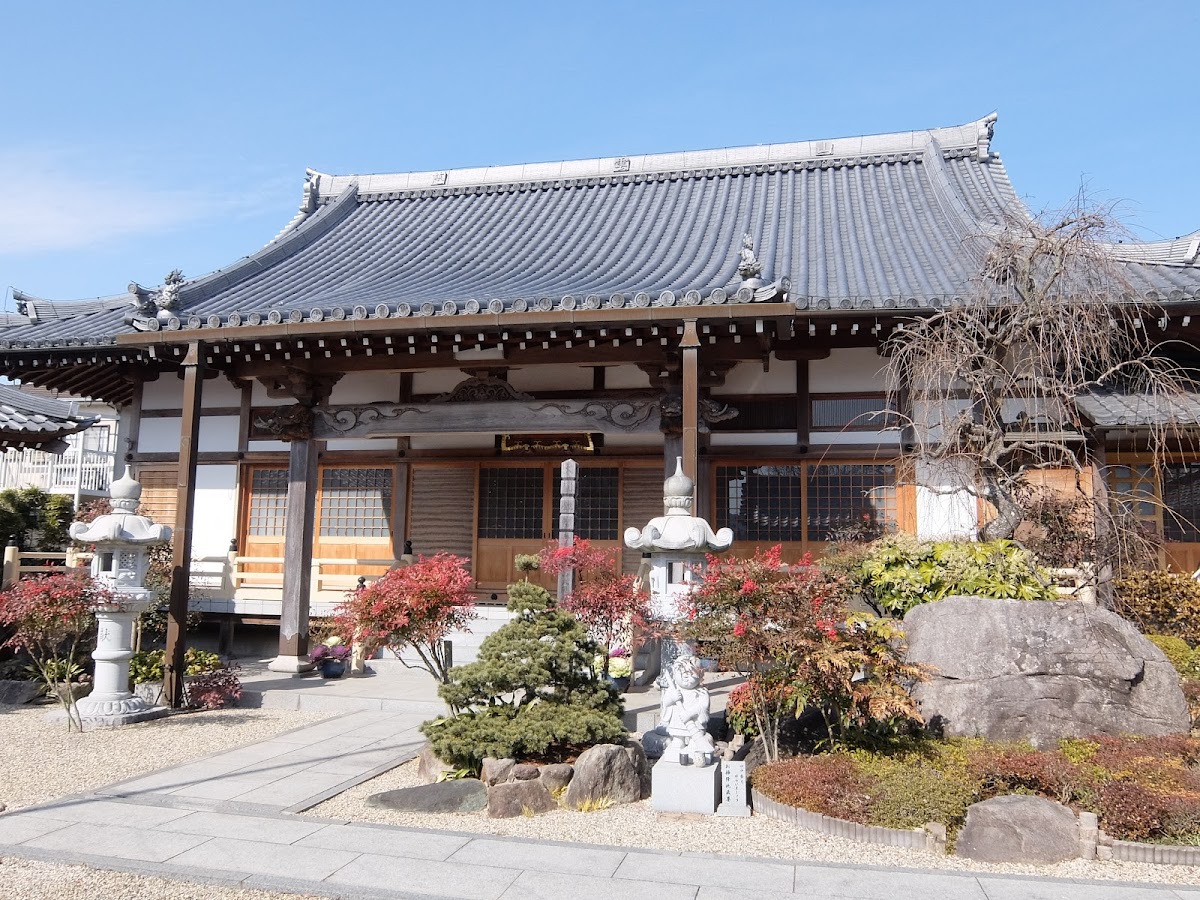
Jorakuji Temple, located in Hata-cho Naka, Kita-ku, Kobe City, Hyogo Prefecture, is a historic temple belonging to the Soto Zen sect. This article provides detailed information useful for those considering visiting Jorakuji Temple or those interested in temples, from basic information and history to access methods and surrounding environment.
Basic Information about Jorakuji Temple
Location and Contact Information
Jorakuji Temple is located at 60 Hata-cho Naka, Kita-ku, Kobe City, Hyogo Prefecture. The postal code is 〒651-1351. Located in the naturally rich Hata-cho area in northern Kobe City, and situated along the Chugoku Expressway, it is conveniently accessible by car.
Sect and Mountain Name
Jorakuji Temple belongs to the Soto Zen sect. The Soto Zen sect is a branch of Zen Buddhism, known for its emphasis on meditation (zazen). The temple’s mountain name is Buttokuzan, meaning “Mount Buttoku,” which embodies the praise of the Buddha’s virtues.
The Soto Zen sect was introduced to Japan during the Kamakura period by Zen Master Dogen and is characterized by its emphasis on “Shikantaza,” a practice of simply and wholeheartedly practicing seated meditation. It has numerous temples throughout Japan and occupies an important position in Japanese Buddhist culture.
Temple Characteristics
Jorakuji Temple is located in the quiet Hata-cho area of Kita-ku, Kobe City, offering a peaceful environment for worship, far from the hustle and bustle of the city. Its location along the Chugoku Expressway makes it easily accessible for visitors from afar.
How to Access Jorakuji Temple
Access by Public Transportation
The nearest station to Jorakuji Temple is Dojo-Minamiguchi Station on the Kobe Electric Railway Sanda Line. Since there is a certain distance from Dojo-Minamiguchi Station to Jorakuji Temple, it is necessary to take a taxi or check bus routes from the station.
Kobe’s Kita Ward is located in a mountainous area, so prior planning is essential for accessing it by public transport. Especially when visiting the temple, it is recommended to check the timetable, including your return transportation options.
Access by Car
Jorakuji Temple is located along the Chugoku Expressway, making it easily accessible by car. The most common route is from the Nishinomiya-Kita Interchange or Kobe-Sanda Interchange on the Chugoku Expressway, via local roads towards Hata-cho.
It is recommended to check with the temple in advance regarding parking availability. Parking spaces may be limited, especially during memorial services or special events.
Surrounding Geography
Hata-cho in Kobe’s Kita Ward is located in the northernmost part of Kobe City and is blessed with a rich natural environment. The surrounding area is characterized by rural landscapes, allowing visitors to experience the beauty of nature throughout the seasons. Its quiet environment, away from the city, is ideal for a peaceful and tranquil visit.
History and Origins of Joraku-ji Temple
History as a Soto Zen Temple
Joraku-ji Temple, as a Soto Zen temple, has served as a center of faith for the local people. Soto Zen Buddhism is based on the teachings of Zen and emphasizes the spirit of “walking, standing, sitting, and lying down,” viewing daily life itself as a form of spiritual practice.
While detailed records of the temple’s founding date and its founder are limited, it has been a beloved temple for the people of Hata-cho, having walked hand in hand with the history of the region.
Role in the Community
Joraku-ji Temple has functioned as a religious facility in Hata-cho, Kita-ku, Kobe City, serving as a venue for Buddhist services such as funerals, memorial services, and annual memorial services. It plays an important role as a spiritual pillar for local residents and as a place for ancestral worship.
About Joraku-ji Temples in Hyogo Prefecture
Distinction from Temples with the Same Name
There are several temples named “Joraku-ji” not only in Hyogo Prefecture but throughout Japan. The following are examples of Joraku-ji temples in Hyogo Prefecture:
- Jorakuji Temple (Hata-cho Naka, Kita-ku, Kobe City) – A Soto Zen temple introduced in this article
- Jorakuji Temple (Okubo-cho, Akashi City) – A Rinzai Zen Myoshinji-ha temple
- Jorakuji Temple (Inokuchi, Kamisho-cho, Kakogawa City) – A Koyasan Shingon temple, and the 2nd temple of the Harima Eight Yakushi Pilgrimage
- Jorakuji Temple (Higashi-Kanki-cho, Kakogawa City) – A Jodo-shu temple
- Jorakuji Temple (Teramachi, Amagasaki City) – A Jodo-shu temple
As you can see, even with the same name “Jorakuji,” there are multiple temples with different locations and sects. Therefore, it is important to check the location and sect when visiting or making inquiries.
Identifying Jorakuji Temple in Hata-cho Naka, Kita-ku, Kobe City
The Jorakuji Temple mentioned in this article is a Soto Zen temple located at 60 Hata-cho Naka, Kita-ku, Kobe City, Hyogo Prefecture. To avoid confusion with other Jōraku-ji temples, it is recommended to check the address and sect before visiting.
Deepening Your Understanding of the Sōtō Zen School
Teachings of the Sōtō Zen School
The Sōtō Zen School is a branch of Zen Buddhism that emphasizes “authentic Buddhist teachings.” Its founder, Zen Master Dōgen, brought Zen teachings from China to Japan and established Eihei-ji Temple in Fukui Prefecture. Later, Zen Master Keizan expanded its influence, and today it is a large sect with over 14,000 temples nationwide.
A characteristic of the Sōtō Zen School lies in its practice of zazen called “shikan taza.” This means “simply sitting,” and it is not seen as a means to attain enlightenment, but rather as the very embodiment of Buddha.
Daily Life and Zen
In the Sōtō Zen School, not only zazen but all aspects of daily life are considered practice. Performing daily activities such as eating, cleaning, and sleeping carefully is considered the practice of the Buddhist path. This concept is called “Walking, Standing, Sitting, and Lying Down,” and aims to embody the teachings of Buddha throughout one’s entire life.
Memorial Services and Rituals at Jorakuji Temple
About Annual Memorial Services
At Jorakuji Temple, you can hold annual memorial services to coincide with the anniversary of the deceased’s death. Annual memorial services are held when a certain number of years have passed since the death of the deceased, and the milestones are as follows:
- First Anniversary (1 year)
- Third Anniversary (2 years)
- Seventh Anniversary (6 years)
- Thirteenth Anniversary (12 years)
- Seventeenth Anniversary (16 years)
- Twenty-Third Anniversary (22 years)
- Twenty-Seventh Anniversary (26 years)
- Thirty-Third Anniversary (32 years)
- Fiftieth Anniversary (49 years)
If you are considering holding an annual memorial service in Kita Ward, Kobe City, you can contact Jorakuji Temple to consult about the appropriate way to conduct the service. ### Funeral and Memorial Service Consultation
Jorakuji Temple accepts consultations regarding funerals and various memorial services. Those wishing for a respectful memorial service in accordance with the customs of the Soto Zen sect are advised to contact the temple in advance to discuss the schedule and details.
Temple Environment in Kobe’s Kita Ward
Characteristics of Kita Ward
Kobe’s Kita Ward is the largest of the nine wards that make up Kobe City and is a region rich in nature. Located on the northern side of the Rokko Mountains, it includes tourist destinations such as Arima Onsen. It offers a calm environment different from urban areas, with many temples and shrines scattered throughout.
Nearby Temples
Besides Jorakuji Temple, many other temples exist in Kobe’s Kita Ward. Not only around Hata-cho, but also around Arima Onsen, there are historical temples such as Onsenji Temple, allowing visitors to enjoy temple hopping. Each temple belongs to a different sect and possesses its own unique history and culture.
Etiquette and Manners for Visiting Temples
Basics of Temple Visiting
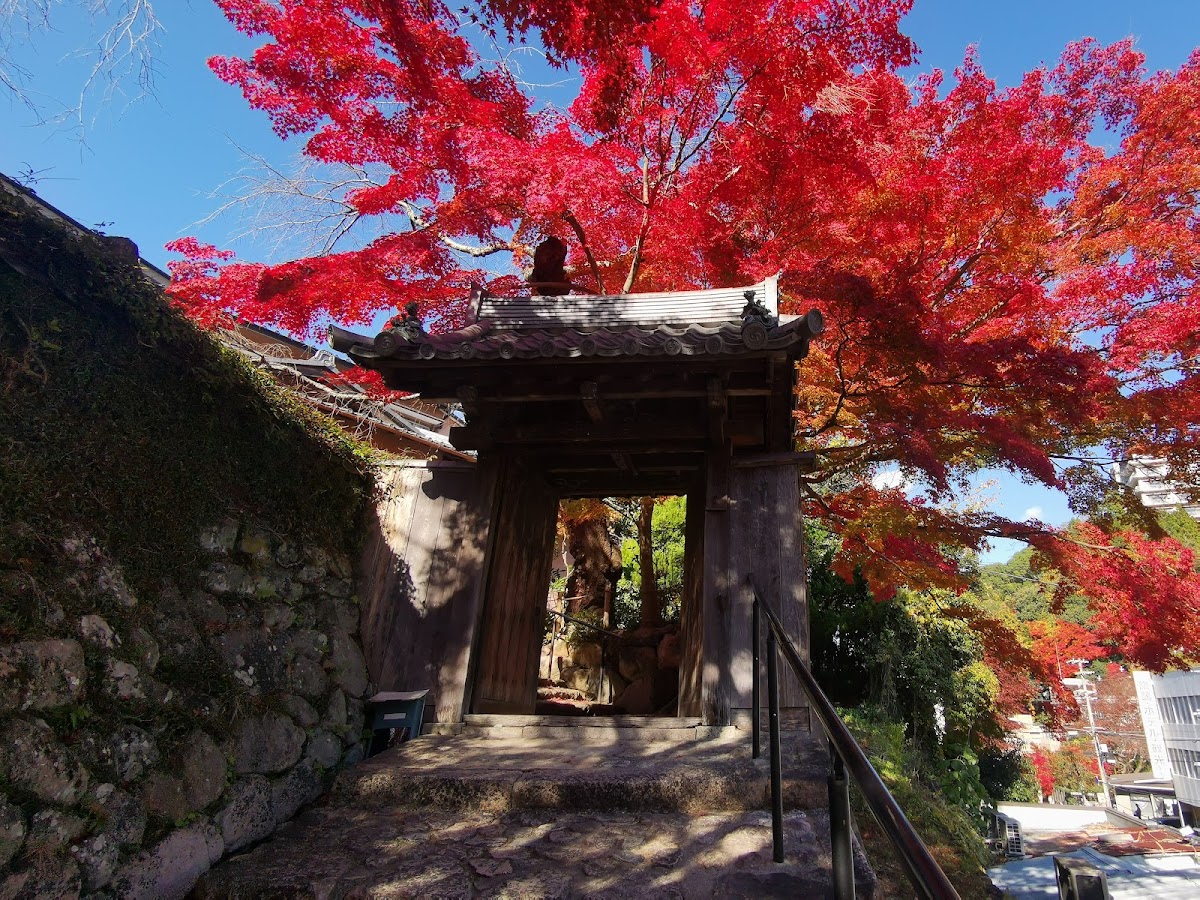
There are several basic manners to observe when visiting a temple. First, it is considered polite to bow before passing through the temple gate. Within the temple grounds, walk quietly and be considerate of other visitors.
Etiquette at Soto Zen Temples
At Soto Zen temples, purify your hands and mouth at the water basin before entering the main hall. Inside the main hall, clasp your hands together in prayer towards the principal image and bow quietly. When offering incense, carefully place it in the incense burner shared with other visitors.
Regarding photography, even if photography is permitted on the temple grounds, it is generally discouraged to photograph inside the main hall or of Buddha statues. If you have any questions, it is recommended to check with temple staff.
Attractions around Joraku-ji Temple
Natural Environment of Hata-cho
Hata-cho is located in the northernmost part of Kobe City and is blessed with abundant nature. With its sprawling rural landscape, you can enjoy the scenery of each season, from cherry blossoms in spring to autumn leaves in fall. It is an environment where you can spend a relaxing time away from the hustle and bustle of the city.
Location along the Chugoku Expressway
Jorakuji Temple is located along the Chugoku Expressway, making it relatively easy to access from distant locations. There are also roadside rest areas and other facilities nearby, allowing visitors to enjoy the nature and cuisine of Kita Ward in conjunction with their temple visit.
How to Contact the Temple
Importance of Prior Contact
When visiting Jorakuji Temple, especially if you have questions about memorial services or ceremonies, it is recommended to contact the temple in advance. Depending on the priest’s schedule and temple events, it may be difficult to accommodate your request.
Examples of Inquiry Content
When contacting the temple, you can inquire about the following:
- Visiting Hours
- Scheduling of Memorial Services/Ceremonies
- Availability of Parking
- How to Conduct Annual Memorial Services
- Questions about the Temple’s History and Origins
It is important to use polite language and convey the necessary information concisely.
History and Culture of Kita Ward, Kobe City
History of Hata Town
Hata Town has developed as a region centered on agriculture since ancient times. Before being incorporated into Kobe City, it existed as an independent village. Even today, it retains the atmosphere of a traditional rural village while harmoniously blending with modern life.
Local Religious Culture
Kobe City’s Kita Ward has many Buddhist temples as well as Shinto shrines, supporting the religious lives of local residents. Temples like Joraku-ji have played an important role in the community through funerals and memorial services.
Significance of Visiting Joraku-ji
Seeking Peace of Mind
In modern society, temples play an important role as places to seek peace of mind. In a quiet environment like Joraku-ji, one can escape the hustle and bustle of daily life and have time to reflect on oneself.
As a Place for Ancestor Worship
Temples are also important as places for ancestor worship. Through annual memorial services and visits to graves, it is an opportunity to express gratitude to ancestors and reaffirm family bonds. At Joraku-ji, memorial services are conducted respectfully according to the customs of the Soto Zen sect.
Temple Culture in Hyogo Prefecture
Coexistence of Diverse Sects
Hyogo Prefecture is home to temples of various sects, including the Soto, Rinzai, Jodo, and Shingon schools. Each temple possesses its own unique history and teachings, shaping the local culture.
The existence of multiple temples with the same name, “Jorakuji,” within the prefecture demonstrates the widespread familiarity of this name in Buddhism. “Joraku” means “to always enjoy,” or “eternal peace,” and is used to represent the Pure Land or the state of Buddhahood.
Temples and Local Communities
Temples in Hyogo Prefecture have functioned not only as religious institutions but also as central figures in local communities. They contribute to the community in various ways, including festivals, events, education, and welfare.
Jorakuji Temple, in particular, plays an important role as a spiritual pillar for residents in Hata-cho, Kita-ku, Kobe City.
Points to Consider When Planning a Temple Visit
Consider the Season
Temple visits offer different charms depending on the season. You can enjoy the beauty of each season: cherry blossoms in spring, fresh greenery in summer, autumn leaves in fall, and tranquility in winter. Considering the natural environment of Hata-cho, visiting in spring and autumn is especially recommended.
Allow plenty of time
Temple visits are not something to be rushed. Taking your time to walk slowly through the grounds and quietly offer your prayers deepens the meaning of your visit. Especially if it’s your first time visiting a temple, it’s recommended to plan your visit with plenty of time to spare.
Appropriate attire
For temple visits, understated and calm attire is appropriate. Especially if attending a memorial service, choose calm colors such as black or navy. Choosing shoes that are easy to remove is also convenient.
Summary
Located at 60 Naka, Hata-cho, Kita-ku, Kobe City, Hyogo Prefecture, Joraku-ji Temple is a historical temple belonging to the Soto Zen sect. Its mountain name is Butsutoku-zan, and it has long been a cherished place of faith for the local people.
Located along the Chugoku Expressway, it’s easily accessible by car, and can also be reached from the nearest station, Dojo-Minamiguchi Station. Its tranquil environment, away from the hustle and bustle of the city, is ideal for a peaceful visit.
While there are several temples named “Joraku-ji” in Hyogo Prefecture, each has a different sect and history. The Joraku-ji in Kita-ku, Kobe City, is a Soto Zen temple, upholding a faith based on Zen teachings.
Those wishing to hold memorial services or other memorial ceremonies are advised to contact the temple in advance to discuss dates and details. As a temple deeply rooted in the community, Joraku-ji will continue to be a source of spiritual support for many people.
If you are considering a visit, please use the information in this article as a reference and visit Joraku-ji. It will be a precious time to calm your mind and renew your gratitude to your ancestors in its peaceful environment.