Complete Guide to Jōshōji Temple (Chiba Prefecture) | History, Goshuin (Temple Seal), Access, and Highlights Explained in Detail
Chiba Prefecture is home to numerous temples, but Jōshōji Temple is known for its deep connection to the region’s history. This article provides a detailed explanation of Jōshōji Temple, from its historical background to its current state, for those considering a visit or interested in temples in Chiba Prefecture.
About Jōshōji Temple
Jōshōji Temple is a Buddhist temple located in Chiba Prefecture and has long been a beloved place of worship for local residents. It is characterized by its tranquil atmosphere, situated in a quiet environment where visitors can enjoy the changing seasons.
Basic Temple Information
We have compiled basic information you should know before visiting Jōshōji Temple. Please use this as a reference when planning your visit.
Sect and Principal Image
We recommend checking Jōshōji Temple’s sect and principal image before your visit. Many temples have different customs for worship and annual events depending on the sect, so understanding these beforehand will lead to a deeper understanding.
Temple Size and Grounds
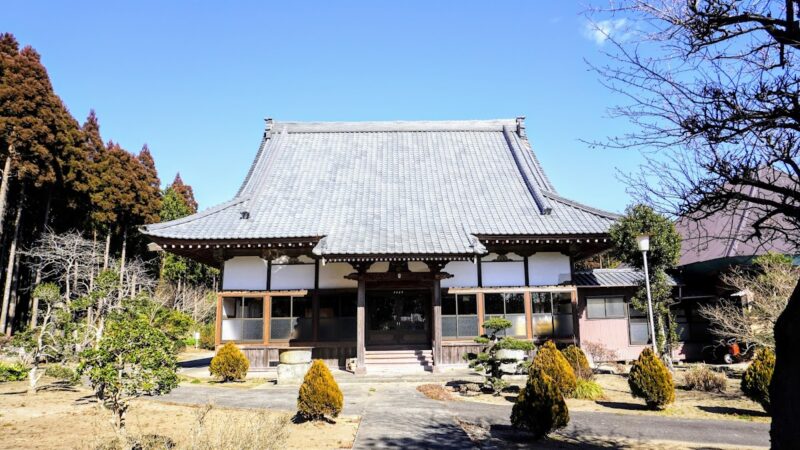
The temple grounds are relatively compact, but they boast well-maintained gardens and a main hall. The tranquil space, far removed from the hustle and bustle of the city, provides an ideal environment for peaceful worship.
History of Jōshōji Temple
Origin of Founding
The founding of Jōshōji Temple is closely intertwined with the history of the region. Chiba Prefecture has long flourished as the center of the Bōsō Peninsula, and many temples have been built there. Jōshōji Temple is believed to have played an important role as a spiritual pillar for the local residents within this historical context.
From the Edo Period to the Present
During the Edo period, with the establishment of the danka system (parishioner system), many temples came to play a central role in the local community. It is presumed that Jōshōji Temple, as the family temple of the region, was deeply involved in people’s lives through funerals, memorial services, and annual events.
Having weathered the storm of anti-Buddhist movements after the Meiji Restoration and continuing to preserve its Buddhist teachings to this day, the temple’s history speaks volumes about the deep faith of the local people.
Connections with the Community
Joshoji Temple has functioned not only as a religious facility but also as a center of the local community. It is frequently used for local festivals, events, and cultural activities, making it a familiar presence for residents.
Highlights of the Temple Grounds
Main Hall
The main hall of Joshoji Temple is the central building of the temple. It houses the principal image and serves as a sacred space where daily services and religious ceremonies are held. The architectural style and decorations often reflect the characteristics of the era in which it was built, making it interesting from an architectural history perspective.
When visiting, please join your hands in prayer before the main hall and offer your prayers quietly. If viewing inside the main hall is permitted, you can experience the solemn atmosphere of the inner sanctuary.
Nature on the Temple Grounds
The temple grounds feature plantings that display different appearances with each season. You can enjoy the beauty of nature throughout the seasons: cherry blossoms and plum blossoms in spring, fresh greenery in summer, autumn leaves in fall, and camellias in winter.
Especially if there are ancient or valuable trees, they are carefully protected as living witnesses to the temple’s history. Enjoy the scenery woven from nature and history as you stroll through the temple grounds.
Stone Sculptures and Cultural Assets
Many temples have stone sculptures of historical value. At Jōshōji Temple, there may be Jizo Bodhisattva statues, memorial towers, and monuments scattered throughout the grounds.
These stone sculptures often have inscriptions indicating the date of construction and the names of donors, making them valuable resources for local history research. By carefully observing them, you can catch a glimpse of the faith and lifestyles of the people of that time.
Cemetery
Temples usually have cemeteries for their parishioners. Cemeteries are cherished places to remember the deceased and honor ancestors. When visiting, please maintain silence and be considerate of other visitors.
Annual Events and Memorial Services
Major Annual Events
At Jōshōji Temple, as a Buddhist temple, various events are held throughout the year. Representative events include the following:
New Year’s Day First Visit
At the start of the new year, worshippers visit to pray for safety and happiness throughout the year. A solemn atmosphere permeates the temple from the ringing of the temple bells on New Year’s Eve until the new year begins.
Spring and Autumn Equinoxes
The week centered around the spring and autumn equinoxes is an important period for ancestor worship. Grave visits and memorial services are held, and many parishioners gather.
Obon (Buddhist All Souls’ Day)
During the Obon memorial service, held in August according to the lunar or Gregorian calendar, the spirits of ancestors are welcomed and honored. Local events such as Bon Odori (Bon dance) may also be held.
Segaki Ceremony
This is a memorial service to honor spirits that have fallen into the realm of hungry ghosts, and is held in the summer at many temples. This is an important event that also serves as a memorial service for those without relatives.
Special Memorial Services
Several special memorial services related to the temple’s history, such as the founding anniversary and the founder’s anniversary, are held throughout the year. These services provide an opportunity to reflect on the temple’s history and remember the achievements of those who came before.
About Goshuin (Temple Seals)
Significance of Goshuin
Goshuin are seals and calligraphic inscriptions given as proof of visiting a temple or shrine. While collecting goshuin has become popular in recent years, they are originally meant to be a memento of the visit and a cherished symbol of faith.
Goshuin at Jōshōji Temple
It is recommended to check in advance whether Jōshōji Temple offers goshuin. If they do offer goshuin, please note the following:
Reception Hours
Normally, they are available during the temple office’s opening hours. However, they may not be able to accommodate requests during memorial services or events, so please allow ample time for your visit.
Offering Fee
The offering fee (donation) for a Goshuin (temple stamp) is generally around 300 to 500 yen. It’s best to have small change ready to avoid needing change.
Goshuin Notebook
It is customary to bring a Goshuin notebook specifically for Goshuin. Avoid using notebooks or diaries. If Jōshōji Temple has its own original Goshuin notebook, purchasing one as a souvenir is a good idea.
After Visiting
It is customary to receive a Goshuin after visiting the temple. Receiving the Goshuin before visiting the temple is counterproductive, so always complete your visit before heading to the Goshuin office.
Access Methods
Access by Public Transportation
When visiting Jōshōji Temple by public transportation, it is important to check the route from the nearest station in advance.
By Train
Take a local train from a major station in Chiba Prefecture and get off at the nearest station. From the station, you will need to walk, take a bus, or take a taxi.
Using the Bus
If a bus service is available from the nearest station, it’s convenient if the bus stop is within walking distance. Check the bus schedule in advance, especially the return bus times.
Access by Car
Using Expressways
From the Tokyo area, you can access the temple via the Keiyo Expressway or Higashi-Kanto Expressway. Check the route on local roads after exiting the nearest interchange in advance.
Parking
It’s recommended to check in advance whether the temple has parking and how many spaces are available. Parking can become crowded during major events, so consider using public transportation.
Car Navigation Settings
When setting your car navigation system using the address or phone number, enter accurate information. Older map data may not display correctly, so it’s advisable to update to the latest map data.
Landmarks in the Area
Knowing the main facilities and landmarks around Jōshōji Temple will help you arrive without getting lost. Use local public facilities, schools, and shops as landmarks.
Manners for Visiting a Temple
Attire
When visiting a temple, please dress appropriately for a sacred place. Avoid overly flashy or revealing clothing; clean and neat attire is desirable.
Etiquette for Visiting a Temple
Bowing at the Temple Gate
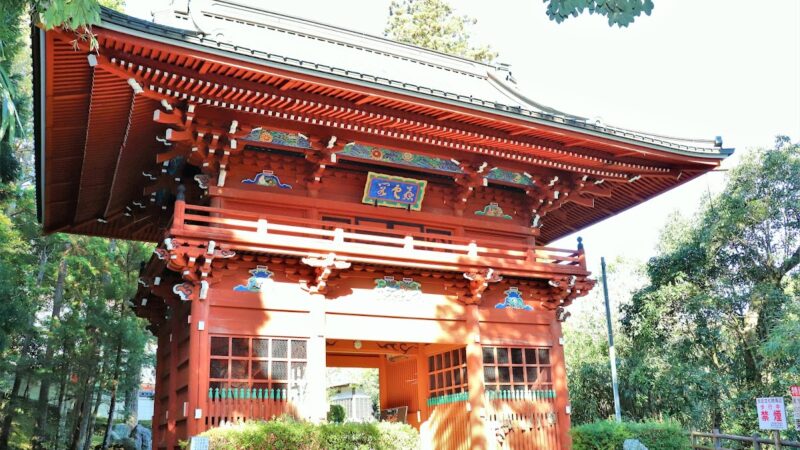
When passing through the temple gate, stop briefly and bow slightly. This is a sign of humility, indicating that you are entering the realm of Buddha.
Etiquette for Washing Hands
If there is a water basin for washing hands, follow these steps to purify yourself:
- Take the ladle with your right hand and wash your left hand.
- Switch the ladle to your left hand and wash your right hand.
- Switch the ladle back to your right hand, receive water in your left hand, and rinse your mouth.
- Finally, stand the ladle upright and wash the handle.
Worship at the Main Hall
Worship in front of the main hall following these steps:
- Quietly place your offering in the offering box.
- If there is a bell, ring it.
- Clasp your hands together and bow.
- Offer your prayer quietly.
- Bow again.
Regarding Photography
Photography within the temple grounds is permitted only in designated areas. Photography inside the main hall and of Buddha statues is often prohibited, so please be careful. It is also important to be considerate and avoid including other visitors in your photos.
Maintaining Silence
Temples are places of prayer and meditation. Please refrain from loud conversations and noise, and worship quietly. It is advisable to set your mobile phone to silent mode or turn it off.
Nearby Tourist Attractions
Temple and Shrine Pilgrimage in Chiba Prefecture
When visiting Jōshōji Temple, it is also a good idea to visit other temples and shrines in the surrounding area. Chiba Prefecture has many historical temples and shrines, each with its own unique charm.
Naritasan Shinshoji Temple
One of Chiba Prefecture’s leading temples, it boasts one of the highest numbers of New Year’s visitors in Japan. A renowned temple well worth visiting, even if it’s a bit of a detour from Jōshōji Temple.
Katori Shrine
A historic shrine known as the Ichinomiya (first-ranked shrine) of Shimōsa Province, it is revered as the god of martial arts.
Local Attractions
Around Jōshōji Temple, there are spots where you can enjoy Chiba Prefecture’s unique nature and culture. Stop by before or after your visit to fully experience the region’s charm.
Nature of Bōsō
Chiba Prefecture is blessed with a mild climate and abundant nature. You can enjoy driving and hiking while taking in the scenery of the coastline and rural landscapes.
Local Cuisine
Chiba Prefecture is rich in fresh seafood and agricultural products. After your visit, we recommend enjoying seasonal delicacies at local restaurants and eateries.
Donations and Support for Jōshōji Temple
Temple Maintenance
Maintaining temple buildings and grounds requires significant expense and effort. In modern times, with the decline of the traditional danka (parishioner) system, temple operations are becoming increasingly difficult.
Methods of Donation
If you wish to support Jōshōji Temple’s activities, there are several ways to do so:
General Donations
We accept donations for the operation and repair of the temple. There is no set amount; you can donate according to your wishes.
Special Donations
These are donations for specific purposes, such as building restoration or new construction, or repairing Buddhist statues. For large-scale projects, we may ask for cooperation from parishioners and local residents.
Perpetual Memorial Service
This is a donation for perpetual memorial services. It is chosen by those without successors or those concerned about future grave maintenance.
Future Prospects for Jōshōji Temple
Coexistence with the Local Community
Modern temples are required to take on new roles in the local community, in addition to their traditional role as family temples. Jōshōji Temple is expected to fulfill this role as a center for conveying the history and culture of the region, and as a place of solace for those seeking peace of mind.
Protection of Cultural Properties
Buddhist statues, ancient documents, and buildings held by temples are valuable cultural assets of the region. Appropriately preserving these and passing them on to future generations is our responsibility as people living in the present.
Towards an Open Temple
In recent years, an increasing number of temples have been undertaking initiatives that allow ordinary people to easily become familiar with temples, such as temple cafes, sutra copying sessions, and Zen meditation sessions. Jōshōji Temple also has the potential to convey the charm of Buddhism and temples to more people through such activities.
Summary
Jōshōji Temple, located in Chiba Prefecture, is a temple that conveys the history and culture of the region to the present day. You can find peace of mind in its tranquil grounds and spend time away from the hustle and bustle of everyday life.
When visiting a temple, understanding its history and cultural background, and observing proper etiquette, will lead to a deeper experience. Furthermore, when receiving a temple stamp (Goshuin), it’s important to cherish it not merely as a collection, but as proof of your visit.
Checking access methods in advance and allowing ample time for your visit will allow you to leisurely explore the temple grounds and fully appreciate its charm. Combining a visit with nearby tourist attractions will provide an opportunity to gain a deeper understanding of Chiba Prefecture’s attractions.
As a temple deeply rooted in the community, Jōshōji Temple will undoubtedly continue to be a spiritual haven for many people. We encourage you to visit and experience its tranquil atmosphere and the weight of its history.
Temple visits are a valuable opportunity to reflect on oneself and find inner peace. We hope your visit to Jōshōji Temple will be a meaningful experience.