Complete Guide to Jūzōji Temple (Asahi City, Chiba Prefecture) | History, Access, and Visiting Information
Jūzōji Temple, located in Mikawa, Asahi City, Chiba Prefecture, is a historic temple belonging to the Chizan branch of the Shingon sect. This guide provides detailed information about this temple, which has been cherished by the local community and continues to uphold its faith in a tranquil environment, from access methods to its history and visiting information.
Basic Information about Jūzōji Temple
Jūzōji Temple is a Shingon Chizan branch temple located at 3596-1 Mikawa, Asahi City, Chiba Prefecture. The nearest station is Iioka Station on the JR Sōbu Main Line, and it has welcomed many visitors for many years as a place of worship deeply rooted in the community.
Location and Contact Information
Address: 3596-1 Mikawa, Asahi City, Chiba Prefecture 289-2712
Phone Number: 0479-57-2689
Sect: Shingon-shu Chizan-ha
Nearest Station: Iioka Station, JR Sobu Main Line
For inquiries about Juzo-ji Temple or consultations regarding visits, please feel free to contact us at the phone number above. We recommend contacting us directly regarding temple events, memorial service schedules, and funeral information.
About Shingon-shu Chizan-ha
Juzo-ji Temple belongs to the Shingon-shu Chizan-ha, a branch of Shingon Buddhism founded by Kobo Daishi Kukai. Its head temple is Chishaku-in in Kyoto, and it is a large sect with approximately 3,000 temples nationwide. There are many Chizan-ha temples in Chiba Prefecture, and Juzo-ji Temple is one of them, supporting local faith.
Shingon Buddhism emphasizes the teaching of “instantaneous attainment of Buddhahood,” preaching the doctrine that one can become a Buddha in this very body. Inheriting the traditions of Esoteric Buddhism, it fulfills the wishes of believers for health, family safety, business prosperity, and more through Goma rituals and various prayers.
Access to Juzoji Temple
Juzoji Temple is located in Asahi City, in the northeastern part of Chiba Prefecture, and there are several ways to access it. For those planning a visit, we will provide detailed information on transportation.
Access by Train
The nearest station is Iioka Station on the JR Sobu Main Line. If you are coming from the Tokyo area, please take a train on the JR Sobu Main Line, passing through Chiba Station and heading towards Choshi. While it is possible to walk from Iioka Station to Juzoji Temple, the distance is considerable, so we recommend taking a taxi from the station.
Travel Time from Major Stations:
- From Tokyo Station to Iioka Station: Approximately 2 to 2.5 hours (including transfers)
- From Chiba Station to Iioka Station: Approximately 1 hour 15 minutes to 1 hour 30 minutes
Access by Car
If traveling by private car, using the Higashi-Kanto Expressway is convenient.
Main Route:
- Exit the Higashi-Kanto Expressway at “Daiei IC” or “Sawara-Katori IC”
- Take National Route 356 or a prefectural road towards Asahi City
- Head towards the Mikawa area and arrive at the destination.
When using car navigation, you can find the exact location by searching using the phone number “0479-57-2689” or the address “3596-1 Mikawa, Asahi City, Chiba Prefecture”. Route searches from your current location can also be easily displayed using various map apps and services such as MapFan.
Parking Information
The temple has parking spaces for visitors, but it may become crowded during religious services and events. Especially during the New Year holidays and the equinox period, it is recommended to check by phone in advance.
History and Origins of Juzo-ji Temple
The founding date and detailed history of Juzo-ji Temple can be learned from local traditions and records remaining at the temple. The eastern region of Chiba Prefecture has long flourished as a place of worship, and many temples have been built there.
Asahi City and Buddhist Culture
Asahi City is located on the Kujukuri Beach and has long been a land where fishing and agriculture thrived. Buddhism is believed to have been introduced to this region between the Heian and Kamakura periods, and temples were built throughout the area. Juzo-ji Temple is thought to have developed as a center of faith for the local people within this historical context.
Shingon Buddhism is a sect founded in the early Heian period by Kobo Daishi Kukai, who spread the teachings of esoteric Buddhism throughout Japan. In Chiba Prefecture, while large Shingon Buddhist temples such as Naritasan Shinshoji are well-known, community-based temples like Juzoji have also played important roles in their respective regions.
Origin of the Temple Name
The temple name “Juzo” is thought to be related to the Buddhist concept of “storehouse.” In Buddhism, there is a term called “Sanzō” (the three storehouses: the Sutra Pitaka, the Vinaya Pitaka, and the Abhidharma Pitaka), which refers to the scriptures containing Buddhist teachings. The name “Juzo” may imply a temple that stores important teachings and treasures.
Temple Grounds and Highlights
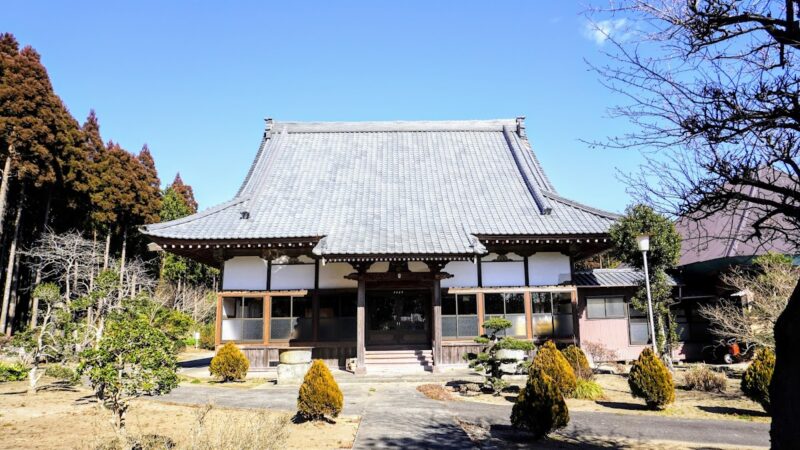
The grounds of Juzoji are situated in a quiet environment and possess an atmosphere that evokes the history of the region.
Main Hall
The main hall houses the principal image of worship, and daily services and religious ceremonies are held there. As is typical of Shingon Buddhist temples, it is thought to be adorned with esoteric Buddhist ornamentation. Visitors can pray in the main hall, offering prayers for health, family safety, and other blessings.
Temple Grounds and Environment
Located in the naturally rich environment of the Mikawa area, Juzo-ji Temple offers beautiful scenery throughout the seasons. From cherry blossoms and fresh greenery in spring to vibrant autumn leaves, the temple grounds display different expressions with each season, providing peace of mind to visitors.
Points and Etiquette for Visiting
When visiting Juzo-ji Temple, it is helpful to be familiar with basic temple etiquette.
Basic Etiquette for Worship
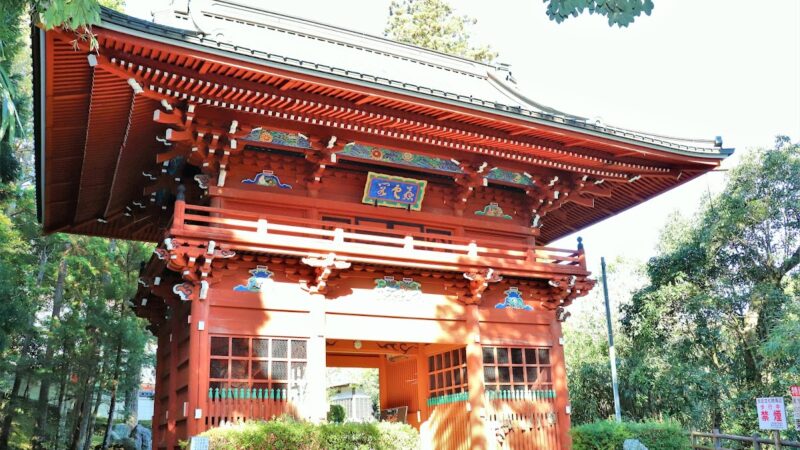
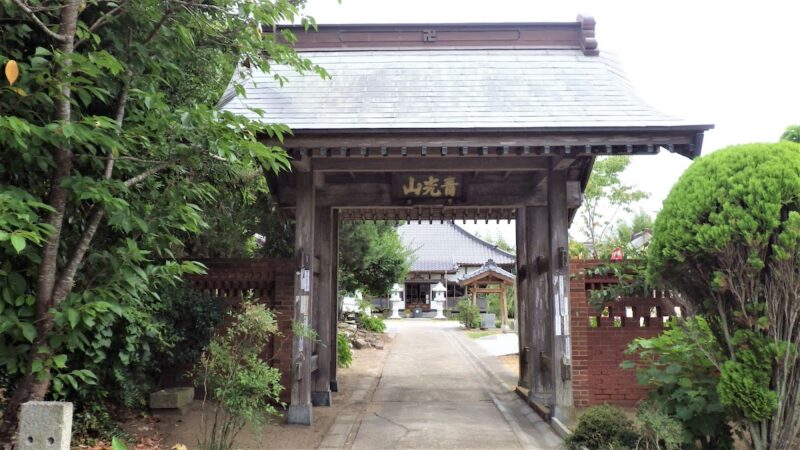
- Bow at the Temple Gate: When entering a temple, bow at the temple gate before entering the grounds.
- Purification at the Water Basin: If there is a water basin, purify your hands and mouth.
- Worship at the Main Hall: Join your hands in prayer in front of the main hall and quietly clasp your hands together.
- Offering a Coin: Offer your coin with sincerity.
- Bow Upon Departure: Bow at the temple gate again when leaving.
Characteristic Worship Methods of Shingon Buddhism
In Shingon Buddhism, there is a prayer to Kobo Daishi, “Namu Daishi Henjo Kongo.” Also, mantras such as “Om Abiraunken Bazara Dato Ban” are sometimes chanted. However, for general worshippers, it is sufficient to pray sincerely in their own words.
Regarding Photography
Policies regarding photography on temple grounds vary from temple to temple. When visiting Jūzōji Temple, please refrain from photographing the interior of the main hall or the Buddha statues, and when photographing the scenery of the temple grounds, please be considerate of those around you. If you wish to take photos for posting online, it is recommended that you check with the temple in advance.
Annual Events and Memorial Services
Shingon Buddhist temples hold various events and memorial services throughout the year. It is believed that the following events are also held at Jūzōji Temple.
Main Annual Events
New Year: A New Year’s memorial service called Shūshōe
Spring Equinox: Ancestor memorial service centered around the spring equinox
Obon: Ancestor memorial service during the Urabon-e festival
Autumn Equinox: Ancestor memorial service centered around the autumn equinox
Year-End: New Year’s Eve bell ringing and New Year’s Eve ceremonies
For specific dates and details of these events, please contact the temple directly.
Monthly Events
Many Shingon Buddhist temples hold monthly memorial services and Goma rituals on specific days each month. Juzo-ji Temple may also have similar events, so those wishing to visit regularly should confirm by phone.
Funeral and Memorial Service Consultations
Juzo-ji Temple also conducts funerals and memorial services for its parishioners and local residents.
About Funerals
Shingon Buddhist funerals are conducted as rituals to guide the deceased to the Buddhist world. Through chanting and incense offerings, the aim is to pray for the deceased’s peaceful repose and to bring peace of mind to the bereaved family.
If you wish to hold a funeral at Juzo-ji Temple, it is necessary to consult with the temple in advance. The temple will provide appropriate advice regarding coordination with funeral homes and the use of funeral halls.
Memorial Services
Memorial services for the deceased, such as the seventh day, forty-ninth day, first anniversary, and third anniversary, are also important. In Shingon Buddhism, these memorial services are held to pray for the deceased’s attainment of Buddhahood and to provide an opportunity for the bereaved family to come to terms with their loss.
It is recommended to consult with the temple early regarding the date and preparations for the memorial service and to make the necessary arrangements.
Visiting Temples and Shrines Around Asahi City
When visiting Juzo-ji Temple, it is also recommended to visit other temples and shrines around Asahi City.
Main Temples and Shrines in Asahi City
Besides Juzo-ji Temple, Asahi City has many other temples, each conveying the history and culture of the region. If you have time, why not visit the temples and shrines in the surrounding area and experience the religious culture of eastern Chiba Prefecture?
Attractions Around Kujukuri Beach
Asahi City faces Kujukuri Beach, and you can enjoy the beautiful scenery of the coastline. After visiting the temple, it is a good idea to stroll along the beach or enjoy local seafood.
Guidelines for Visiting Juzo-ji Temple
When visiting a temple, it is important to keep a few things in mind.
Attire
Everyday attire is acceptable, but please avoid overly casual or revealing clothing. Especially when attending a memorial service, subdued colors such as black or navy are appropriate.
Visiting Hours
Temples have opening and closing times. Generally, visits are possible from morning until evening, but specific times vary by temple. If you wish to be sure of visiting hours, it is recommended to check by phone in advance.
Manners and Consideration
Temple grounds are sacred places. Please refrain from speaking loudly or running around. Also, please be considerate of others and avoid disturbing them. It is also advisable to limit smartphone use to the bare minimum.
How to Contact Juzo-ji Temple
If you have any information or questions about Juzo-ji Temple, you can contact them using the following methods:
Telephone Inquiries
Phone Number: 0479-57-2689
You can easily inquire about various matters, such as visiting hours, event schedules, and consultations regarding funerals and memorial services. However, please avoid calling early in the morning or late at night, and contact them during reasonable hours.
Direct Visit
If you have important questions or would like to hear more details, visiting the temple directly is also a good option. However, the head priest may be absent, so it’s best to call ahead to inform them of your planned visit.
Accuracy of Data and Information
The information about Juzoji Temple presented in this article is compiled based on publicly available data and general information. For the latest information and details, please be sure to contact the temple directly.
Event dates, visiting hours, and fees are subject to change. Schedules may also change due to weather or temple circumstances. We recommend checking the latest information before visiting.
Summary: Find Peace of Mind at Juzoji Temple
Juzoji Temple in Asahi City, Chiba Prefecture, is a Shingon-shu Chizan-ha temple that has supported local faith. Accessible from Iioka Station, this temple offers a peaceful environment where you can find peace of mind during your visit.
Visiting a historic temple offers a precious opportunity to escape the hustle and bustle of everyday life and reflect on oneself. Why not visit Jūzōji Temple to pray for good health, honor your ancestors, or simply seek peace of mind?
When planning your visit, we recommend calling the temple in advance to confirm details, using the information in this article as a guide. We hope your visit to Jūzōji Temple will be a enriching experience.
Besides Jūzōji Temple, Chiba Prefecture boasts many other fascinating temples. Visiting temples and shrines throughout Japan and experiencing their unique history and culture is incredibly valuable for understanding Japanese traditions. We hope your visit to Jūzōji Temple will inspire you to discover the joy of visiting temples and shrines.