Complete Guide to Kaiganji Temple: The Sacred Birthplace of Kobo Daishi and the Charm of a Special Sacred Site in Shikoku
While there are temples named “Kaiganji” throughout Japan, the most famous is Kaiganji Temple in Tadotsu Town, Kagawa Prefecture. Known as the birthplace of Kobo Daishi Kukai, it welcomes many visitors as the 18th temple of the 20 Special Sacred Sites of Shikoku. This article focuses on Kaiganji Temple in Kagawa Prefecture, but also provides detailed information on Kaiganji Temples in Hokuto City, Yamanashi Prefecture, and Kodaira City, Tokyo.
About Kaiganji Temple in Tadotsu Town, Kagawa Prefecture
Basic Information and History
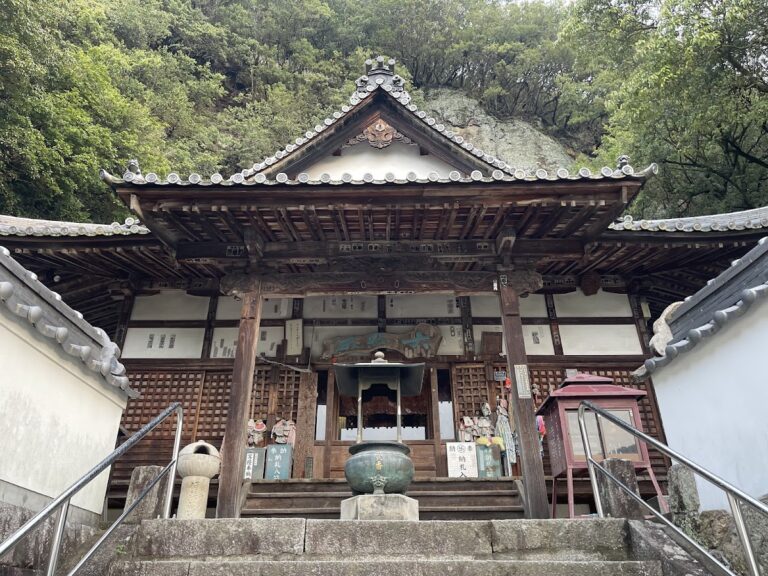
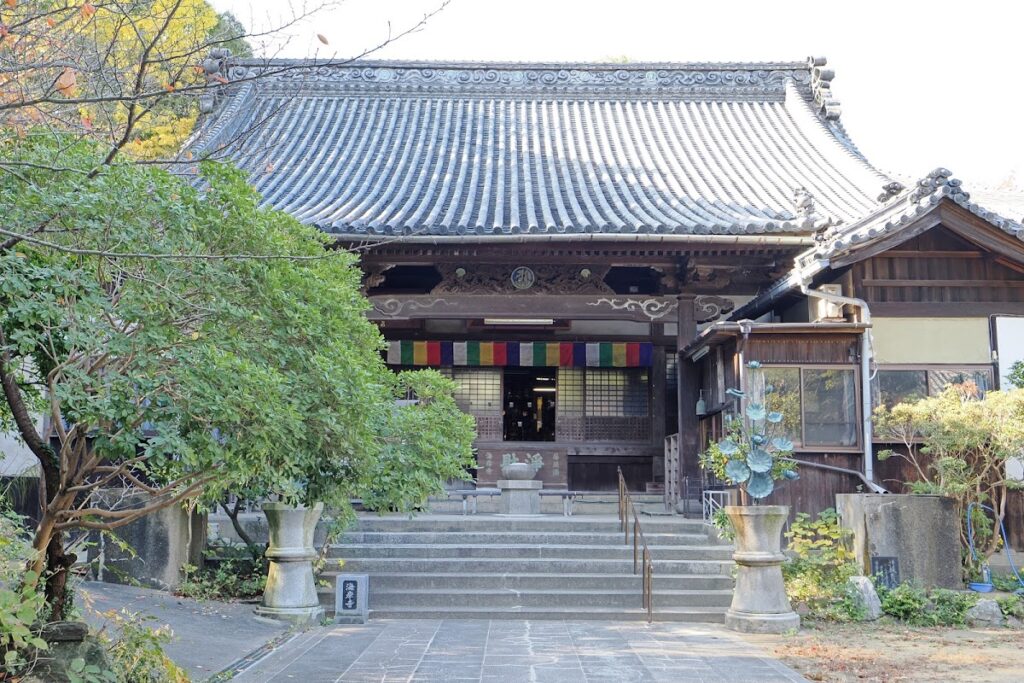
Kaiganji Temple, located in Nishishirakata, Tadotsu Town, Nakatado District, Kagawa Prefecture, is a Shingon sect Daigo school temple. Its formal names are Kyonozan and Kabiraeiin, and its principal image is the Holy Kannon Bodhisattva. The most distinctive feature of this temple is that the main hall and the inner sanctuary are located approximately 400 meters apart, forming a separate precinct.
The history of Kaiganji Temple is deeply intertwined with the village of Tamayori-gozen, the mother of Kobo Daishi Kukai. It is said that Kukai’s mother gave birth to him in this area while visiting her family home, and the Daishi-do Hall of the inner sanctuary was built on the site of her birthing hut. Therefore, the principal image of the inner sanctuary is a statue of the newborn Kobo Daishi, making it a sacred site of special significance among the Shikoku Pilgrimage sites.
The Charm of the Unique Temple Layout
The most important thing to note when visiting Kaiganji Temple is its unique temple layout. Many visitors tend to be satisfied with visiting the main hall of the main hall located along the coast, but a visit to the inner sanctuary is essential for a true spiritual experience.
The main hall is literally located along the coast, and there is a parking lot next to the Niomon gate. Accommodation is also available, and modern facilities are provided for the convenience of visitors. On the other hand, Okunoin is located at the foot of a mountain, approximately 300-400 meters from the main temple building, and can only be reached by passing through residential areas.
Regarding this arrangement, the official guide to the Shikoku Twenty Special Sacred Sites states that “visiting only the main hall is like visiting only Kongobu-ji Temple on Mount Koya and not Okunoin,” and recommends visiting both. Okunoin is the site of Kobo Daishi’s birthing hut and can be considered the true essence of this sacred site.
As the 18th Temple of the Shikoku Twenty Special Sacred Sites
Kaiganji Temple, as the 18th temple of the Shikoku Twenty Special Sacred Sites, is visited by many pilgrims, along with the Shikoku Eighty-Eight Sacred Sites. The Shikoku Special Sacred Sites are positioned as a complementary pilgrimage to the Shikoku Eighty-Eight Sacred Sites and consist of special temples associated with Kobo Daishi.
Kaiganji Temple is also counted among the 36 Fudo Pilgrimage Sites of Shikoku and the 12 Zodiac Pilgrimage Sites of Sanuki, making it a destination for multiple pilgrimages. Therefore, it is a vibrant temple visited by worshippers with diverse purposes throughout the year.
Annual Events and Ceremonies
Kaiganji Temple holds various ceremonies and events throughout the year. The main annual events include the following:
February 3rd (Setsubun): A ceremony for warding off evil and a star festival are held. Many worshippers visit on Setsubun day to ward off evil, making the temple grounds lively.
21st of the 3rd month of the lunar calendar: A memorial service for Kobo Daishi is held. This is an important ceremony coinciding with the death anniversary of Kobo Daishi on the 21st of the 3rd month of the lunar calendar.
Second Sunday of June: A memorial service for the birth of Kobo Daishi is held. This is a special ceremony unique to Kaiganji Temple, the birthplace of Kukai, and attracts a particularly large number of believers on this day.
Second Sunday of October: The Kaiganji Grand Festival is held, featuring the Shito Goma fire ritual and Kasho Sanmai (fire walking). This festival is the most grand event of the year at Kaiganji Temple, and the fire walking ceremony is open to worshippers, with many participating to pray for good health and protection from illness.
Furthermore, Kaiganji Temple also holds monthly Fudo Goma fire rituals, allowing people to participate in Goma prayers regularly.
Modern Initiatives
In addition to traditional temple activities, Kaiganji Temple actively engages in modern cultural activities. A prime example is “Yasuda Noboru Sensei’s Terakoya (Temple School).” Noboru Yasuda, a Noh actor, serves as the instructor for a series of regular lectures on classical literature and Noh theater. As of 2025, this Terakoya has already reached its 24th session, contributing to the dissemination of traditional culture and the promotion of local culture.
In addition, a series of lectures on the syncretism of Shinto and Buddhism is offered, with expert lectures by Professor Takuma Shirakawa. This initiative, which leverages the unique location of Kaiganji Temple—the birthplace of Kukai’s mother—is attracting attention as an academic endeavor.
As a health promotion activity, the “Kaiganji Mini Pilgrimage 88 Sites + 20 Sites Health Walk” is held in spring and autumn. This is a health walking event that tours the temple grounds and surrounding area, a modern activity that combines pilgrimage with health promotion.
Access and Visiting Information
Kaiganji Temple is approximately a 10-minute drive or a 30-minute walk from Tadotsu Station on the JR Yosan Line. The main temple building has a parking lot next to the Niomon Gate, making it convenient for visitors arriving by car.
While you can usually visit freely during daytime hours, it is recommended to check the times of religious services and events in advance. Accommodation facilities are also available, making it a suitable base for pilgrimage travelers.
The path to the Okunoin (inner sanctuary) passes through residential areas, so it is important to be considerate of the local residents and visit quietly. Signposts are installed, but first-time visitors should confirm the route at the main temple building.
Kaiganji Temple, Hokuto City, Yamanashi Prefecture
History and Origin
There is a temple called Kaiganji in Hokuto City, Yamanashi Prefecture. This Kaiganji is an ancient temple said to have originated when the high-ranking monk Gyōki built a hermitage there during the Nara period. The Kannon Hall enshrines a statue of the Thousand-Armed Kannon, and it is said that in 737 AD (Tenpyō 9), Emperor Shōmu bestowed upon it the imperial plaque “Kōmyōden” (Hall of Light).
Gyōki is known as a monk who traveled throughout Japan during the Nara period, dedicating himself to social projects such as the construction of bridges and roads and the development of irrigation facilities. The fact that he built a hermitage in this area indicates that it was an important religious center at that time.
Stone Buddha Statues by Moriya Sadaharu
The greatest attraction of Kaiganji Temple in Hokuto City, Yamanashi Prefecture, is the group of over 100 stone Buddha statues created by the master craftsman Moriya Sadaharu (1765-1832). Sadaharu Moriya was a stone sculptor from Takato, Nagano Prefecture. He carved these stone Buddhas over a period of more than ten years at the request of Abbot Tokkei.
Sadaharu’s stone Buddhas are known for their exquisite carving technique and uniquely rich expressions. These endearing figures soothe the hearts of visitors. These stone Buddhas are highly regarded as masterpieces of late Edo period stone Buddha art.
Beautiful Natural Environment Through the Seasons
The charm of Kaiganji Temple is not limited to the stone Buddhas. The beautiful natural environment within the temple grounds is also a major attraction. Especially during the autumn foliage season, the contrast between the weathered stone Buddhas and the vibrant autumn leaves creates a magnificent landscape.
The vivid awe felt upon first visiting Kaiganji Temple and seeing Sadaharu’s Buddhas continues to provide fresh surprises with each visit, as the seasons change. The temple grounds, which show different expressions in each season—the fresh green of spring, the deep green of summer, the vibrant autumn leaves, and the snowy winter landscape—are also popular spots for photography enthusiasts.
Visiting Information
Kaiganji Temple in Hokuto City is introduced as a tourist spot in Yamanashi Prefecture, and detailed information is available on the Hokuto City Tourism Association website. It is recommended to check access and visiting hours in advance.
When viewing the stone Buddha statues, taking your time to slowly stroll through the temple grounds allows you to appreciate the individuality and differences in expression of each statue.
Kaiganji Temple in Kodaira City, Tokyo
Rinzai Zen Myoshinji School Temple
There is also a Kaiganji Temple in Kodaira City, Tokyo. Its official name is “Tan’unzan Kaiganji,” and it belongs to the Rinzai Zen Myoshinji School. It is known as a quiet temple nestled peacefully near Koganei Bridge on the Itsukaichi Road.
Despite being in an urban area, this temple, with its calm atmosphere away from the hustle and bustle, is cherished by local residents as a place of worship and spiritual solace.
Role as an Urban Temple
While Kodaira City’s Kaiganji Temple doesn’t possess the vast grounds or special spiritual significance of temples like those in Kagawa and Yamanashi prefectures, it plays a crucial role as an urban temple. As a central hub for the local community, it contributes to society through funerals, memorial services, and seasonal events.
Common Characteristics of Kaiganji Temples in Various Locations
Origin of the Name
The name “Kaiganji” (coastal temple) often derives from temples built along the coast, but not all Kaiganji temples are necessarily located near the sea. While Kaiganji Temple in Tadotsu, Kagawa Prefecture, is indeed situated along the Seto Inland Sea coast, those in Yamanashi and Tokyo are located inland, far from the sea.
It’s believed that each of these temples has its own unique historical background behind being named “Kaiganji.” Various factors, including Buddhist terminology, place names, and origins related to the temple’s founding, are reflected in the temple’s name.
As Bearers of Regional Culture
What all Kaiganji temples have in common is that they play an important cultural role in their respective regions. Kaiganji Temple in Kagawa Prefecture holds unique value as a central figure in Shikoku pilgrimage culture, Kaiganji Temple in Yamanashi Prefecture is a treasure trove of stone Buddha art, and Kaiganji Temple in Tokyo serves as a place of worship in an urban area.
Guidelines for Visiting Kaiganji Temple
Visiting as a Pilgrimage
When visiting Kaiganji Temple, a special sacred site of Shikoku, it is important to approach it not merely as sightseeing, but as a pilgrimage. Visiting the Okunoin (inner sanctuary) in particular holds special significance as it marks the birthplace of Kobo Daishi.
You can have your pilgrimage book stamped and receive a Goshuin (temple seal) at both the main temple building and the Okunoin. It is recommended to allow ample time to visit and leisurely explore both grounds.
Appreciating Cultural Assets and Stone Buddhas
When visiting Kaiganji Temple in Yamanashi Prefecture, be sure to allocate time to carefully appreciate the stone Buddha statues created by Moriya Sadaharu. Each of the more than 100 stone Buddhas has its own unique character, differing in expression, posture, and possessions.
Photography is generally permitted, but consideration must be given to avoiding disrupting worship. Also, please refrain from directly touching the stone Buddha statues and follow the rules for their protection.
Harmony with the Community
Especially at Kaiganji Temple in Kagawa Prefecture, the path to the inner sanctuary passes through residential areas, making consideration for the lives of local residents essential. It is important to observe basic manners, such as worshipping quietly and taking your trash with you.
Summary
Temples bearing the name “Kaiganji” exist throughout Japan, each possessing its own unique history and charm. Kaiganji Temple in Tadotsu Town, Kagawa Prefecture, is an important sacred site welcoming many pilgrims and worshippers as the birthplace of Kobo Daishi Kukai and the 18th temple of the Shikoku Twenty Special Sacred Sites. Its unique layout of the main hall and inner sanctuary, along with year-round religious services and modern cultural activities, demonstrates a harmonious blend of tradition and innovation in its temple management.
Kaiganji Temple in Hokuto City, Yamanashi Prefecture, is an ancient temple founded by Gyoki and possesses the precious cultural asset of the stone Buddha statues created by Moriya Sadaharu, deeply moving visitors. The harmony between the beauty of nature in each season and the art of the stone Buddha statues symbolizes the richness of Japanese temple culture.
Kaiganji Temple in Kodaira City, Tokyo, quietly fulfills the role of a temple in an urban area and serves as a spiritual pillar for the local community.
Visiting these Kaiganji Temples will go beyond mere sightseeing and offer an opportunity to deeply understand Japan’s religious culture, history, art, and its connection to local communities. Discover the unique charm of each Kaiganji Temple and enjoy a fulfilling pilgrimage experience.