What is an Upper Shrine? A Thorough Explanation of its Meaning, History, and Representative Upper Shrines in Shinto and Buddhist Temples
Basic Knowledge of Upper Shrines
Meaning and Pronunciation of Upper Shrine
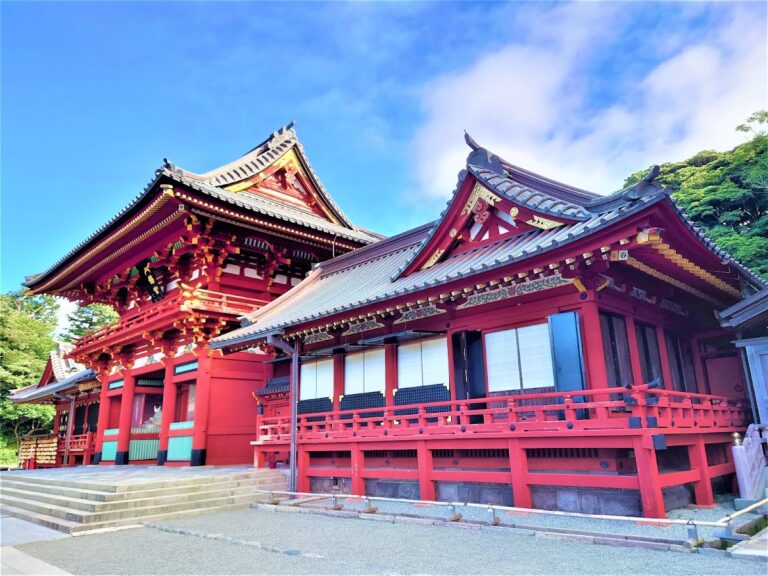
Upper Shrine (pronounced “jōgū” or “kaminomiya”) refers to a shrine located on a mountaintop or high place. While its counterpart, the Lower Shrine (shimomiya/gegū), is located at the foot of the mountain or at the entrance to the approach, the upper shrine is situated in the innermost, most sacred part of the sacred area.
Historical Background of Upper Shrines
The establishment of upper shrines is closely related to Japan’s mountain worship. In ancient Japan, there was a belief that the mountain itself was a deity, and mountaintops were revered as places where gods descended.
From the Heian period onward, with the development of Shugendō, upper shrines were developed as bases for mountain asceticism. A form of worship was established in which worshippers purify themselves at the lower shrine, cleanse their minds and bodies while climbing the steep mountain path, and then confront the gods and Buddhas at the upper shrine.
Relationship between the Upper and Lower Shrines
Many mountain worship shrines have a structure of two shrines, one upper and one lower shrine. The lower shrine serves as a village shrine for everyday worship, while the upper shrine is the inner shrine and an object of special worship.
- Role of the Lower Shrine: Starting point for worship, center of prayers and rituals, easily accessible place of worship.
- Role of the Upper Shrine: Core of the sacred area, destination for serious worship, sacred place for ascetic practice and wish-making.
Introduction to Representative Upper Shrines
Fujisan Hongu Sengen Taisha Okumiya (Fujisan Summit Upper Shrine)
Basic Information
- Location: Fujinomiya City, Shizuoka Prefecture (Mount Fuji Summit)
- Elevation: Approximately 3,776m
- Deity Enshrined: Konohanasakuya-hime no Mikoto
- Founded: 806 (Daido 1)
Points to Note When Visiting
This is the highest-altitude shrine in Japan, located on Kengamine at the summit of Mount Fuji. As the Okumiya (inner shrine) of Fujisan Hongu Sengen Taisha, the entire area above the 8th station of Mount Fuji is considered the shrine grounds.
Visiting Period is only during the climbing season, from early July to early September. Watching the sunrise from the summit is considered a particularly sacred experience, attracting many climbers every year. The shrine office at the summit offers Goshuin (stamped seals) and certificates of ascent.
Access Information
- Climbing Routes: Four routes: Yoshida Route, Fujinomiya Route, Subashiri Route, and Gotemba Route
- Estimated Time: Approximately 5-8 hours from the 5th station (varies depending on the route)
- Precautions: Altitude sickness prevention, warm clothing, and rain gear are essential. Submission of a climbing plan is recommended.
Benefits
- Prayers for safe childbirth and fertility
- Protection from fire
- Family safety
- Good fortune through the sense of accomplishment from reaching the summit
Omiwa Shrine, Okutsu Iwakura (Mt. Miwa Summit)
Basic Information
- Location: Mt. Miwa Summit, Sakurai City, Nara Prefecture
- Elevation: Approximately 467m
- Deity Enshrined: Omononushi-no-Okami
- Founded: Age of the Gods (One of the oldest shrines in Japan)
Points to Note for Visitors
This sacred site preserves a primitive form of worship where Mt. Miwa itself is considered the deity. The Okutsu Iwakura at the summit is a massive rock formation (a rock where a god resides), and it is a strictly forbidden area where photography and eating/drinking are prohibited.
Registration at the subsidiary shrine, Sai Shrine is mandatory for the climb (9:00 AM to 2:00 PM, approximately 2-3 hours). You must wear a white sash and obtain permission from a Shinto priest before entering the mountain.
Access Information
- Nearest Station: 5-minute walk from JR Sakurai Line Miwa Station to Omiwa Shrine
- Starting Point: Sai Shrine (10-minute walk from Omiwa Shrine)
- Climbing Fee: 300 yen (approx. 4km round trip)
Benefits
- Healing from illness (especially famous as the god of medicine)
- Prosperity in sake brewing
- Matchmaking
- Business success
Togakushi Shrine Inner Sanctuary
Basic Information
- Location: Togakushi, Nagano City, Nagano Prefecture
- Elevation: Approximately 1,200m
- Deity Enshrined: Amenotajikarao-no-Mikoto
- Founded: 849 (Kasho 2)
Points to Note During Your Visit
This shrine is associated with the Legend of Ama-no-Iwato, and the approach lined with cedar trees over 400 years old is breathtaking. The approximately 2km path from the Zuishinmon Gate to the inner shrine is particularly popular for its fantastical winter snowscape.
Behind the inner shrine, the cliffs of Mount Togakushi rise majestically, creating a solemn atmosphere befitting a sacred site of Shugendo (Japanese mountain asceticism). It is common to also visit the Kuzuryu Shrine along the path.
Access Information
- Nearest Station: Approximately 1 hour by bus from JR Nagano Station, get off at “Togakushi Okusha Iriguchi” bus stop.
- Parking: Free parking available at the entrance to the Okusha approach (closed in winter).
- Estimated Time Required: Approximately 30-40 minutes on foot from the Zuishinmon gate.
Benefits
- Good Fortune and Prosperity
- Victory in Sports (God of Strength)
- Fulfillment of Wishes
- Abundant Harvest
Hikosan Jingu Shrine, Upper Shrine
Basic Information
- Location: Hikosan, Soeda-machi, Tagawa-gun, Fukuoka Prefecture
- Elevation: Approximately 1,200m
- Deity Enshrined: Amenoshihomimi-no-Mikoto
- Founded: 25th year of Emperor Keitai’s reign (531 AD)
Points to Note When Visiting
This is a sacred mountain counted as one of the Three Great Shugendo Mountains of Japan. The approximately one-hour hiking trail from the middle shrine to the upper shrine is a rugged path once used by ascetic monks for training. From the upper shrine at the summit, you can enjoy a panoramic view of the mountains of northern Kyushu.
The scenery is especially beautiful in spring with its fresh greenery and in autumn with its vibrant foliage. You can easily access the middle of the mountain using the slope car (Hikosan Hana Station to Kami Station).
Access Information
- Nearest Station: Approximately 15 minutes by bus from Hikosan Station on the JR Hitahikosan Line
- Slope Car: 600 yen one way, 1,200 yen round trip (to the middle of the mountain)
- Hiking Time: Approximately 60 minutes from the Middle Shrine to the Upper Shrine
Benefits
- Good Fortune and Prosperity
- Protection from Evil
- Spiritual Training through Shugendo Practice
- Family Safety
Guidelines for Visiting the Upper Shrine
Preparation Before Visiting
- Physical Fitness: Visiting the Upper Shrine involves hiking, so prior physical fitness is important.
- Equipment Check: Prepare hiking boots, rain gear, warm clothing, drinking water, and snacks.
- Weather Check: Mountain weather is unpredictable, so check weather information beforehand.
- Time Allocation: Plan with ample time to descend before sunset.
Manners During Visit
- The mountain trail is a path of spiritual training: Refrain from talking and climb with a respectful heart for nature.
- Always take your trash with you: Consideration is needed to avoid polluting the sacred area.
- Respect the no-photography zones: Refrain from taking photos, especially in sacred places.
- Consideration for other worshippers: Show consideration for others on narrow mountain paths.
Seasonal Precautions
Spring (March-May): Footing may be treacherous due to snowmelt. Pollen allergy precautions are also necessary.
Summer (June-August): Heatstroke prevention and insect repellent are essential. Be aware of thunderstorms.
Autumn (September-November): The autumn foliage season is crowded. Act early as sunset is earlier.
Winter (December-February): Snow and ice make it dangerous. Winter mountain equipment such as crampons and experience are necessary.
Summary
Kamimiya is not merely a tourist spot, but a sacred place embodying the core of Japanese mountain worship. Climbing a challenging path and facing the gods and Buddhas at the summit offers a valuable opportunity for spiritual cultivation, even for modern people.
While the pilgrimage requires physical strength and preparation, the sense of accomplishment and sacred experience gained are exceptional. Choose a shrine that suits your physical strength and experience, and plan your pilgrimage with safety as your top priority.